
bulbous air plant
Also known as: Information to be completed
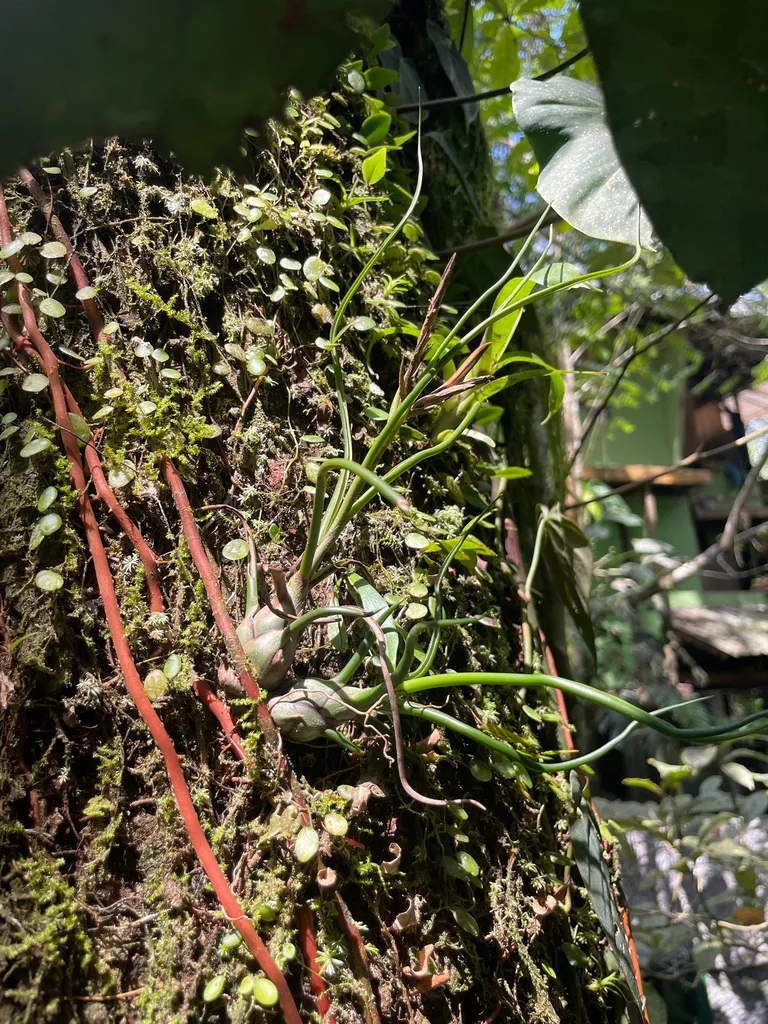
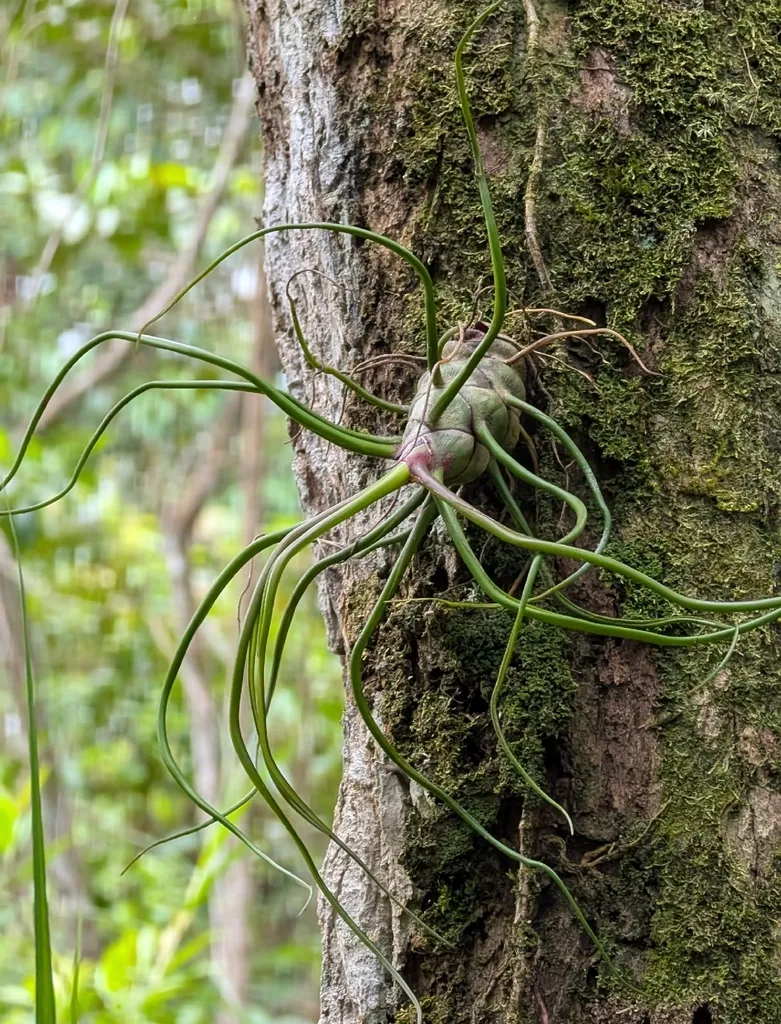
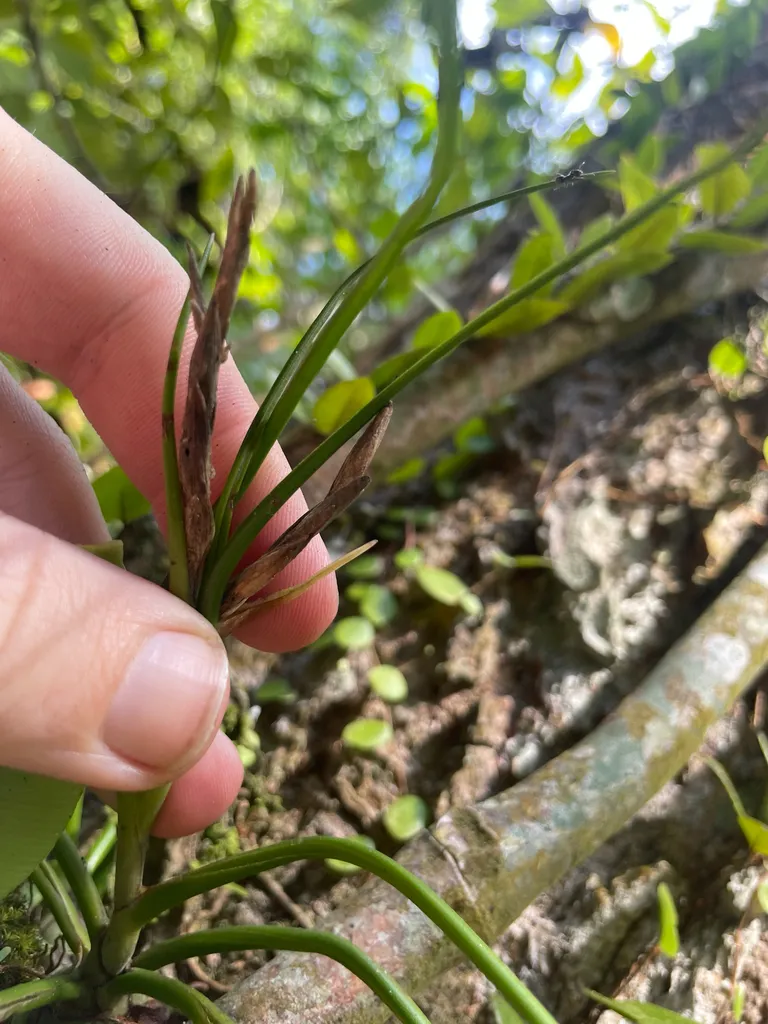
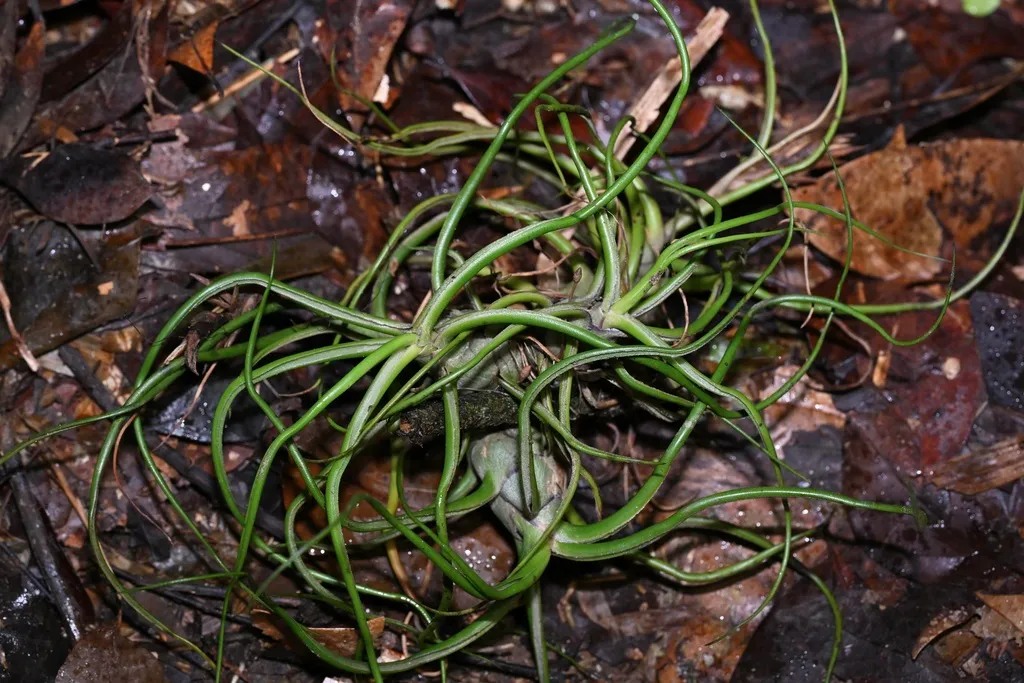
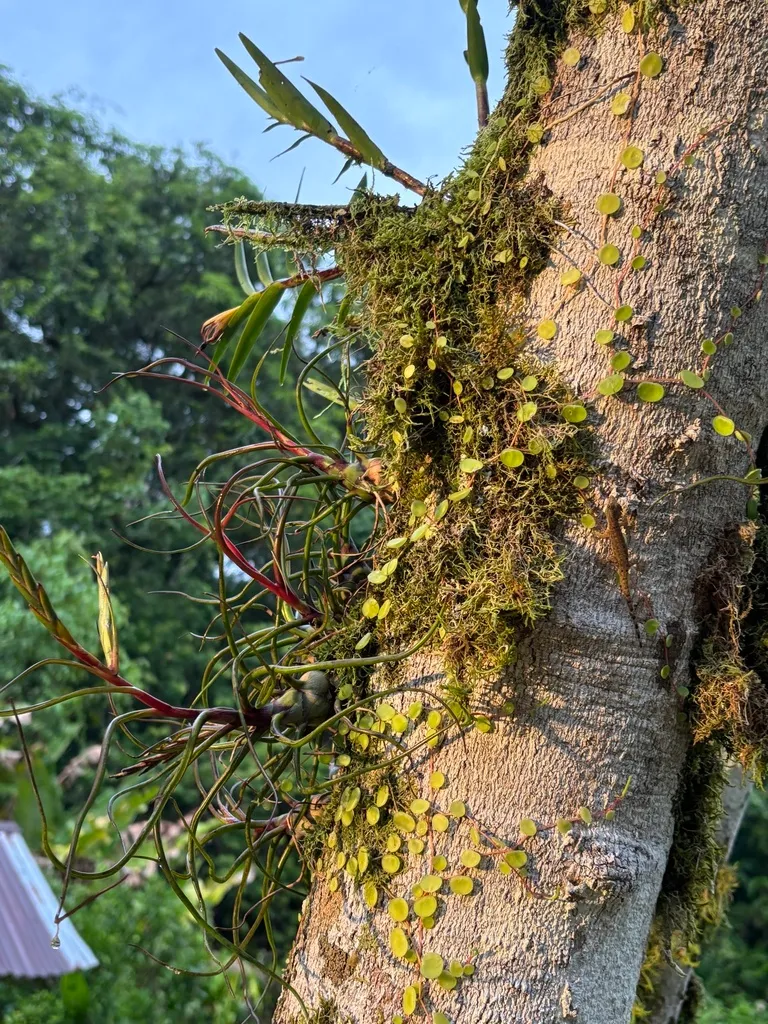
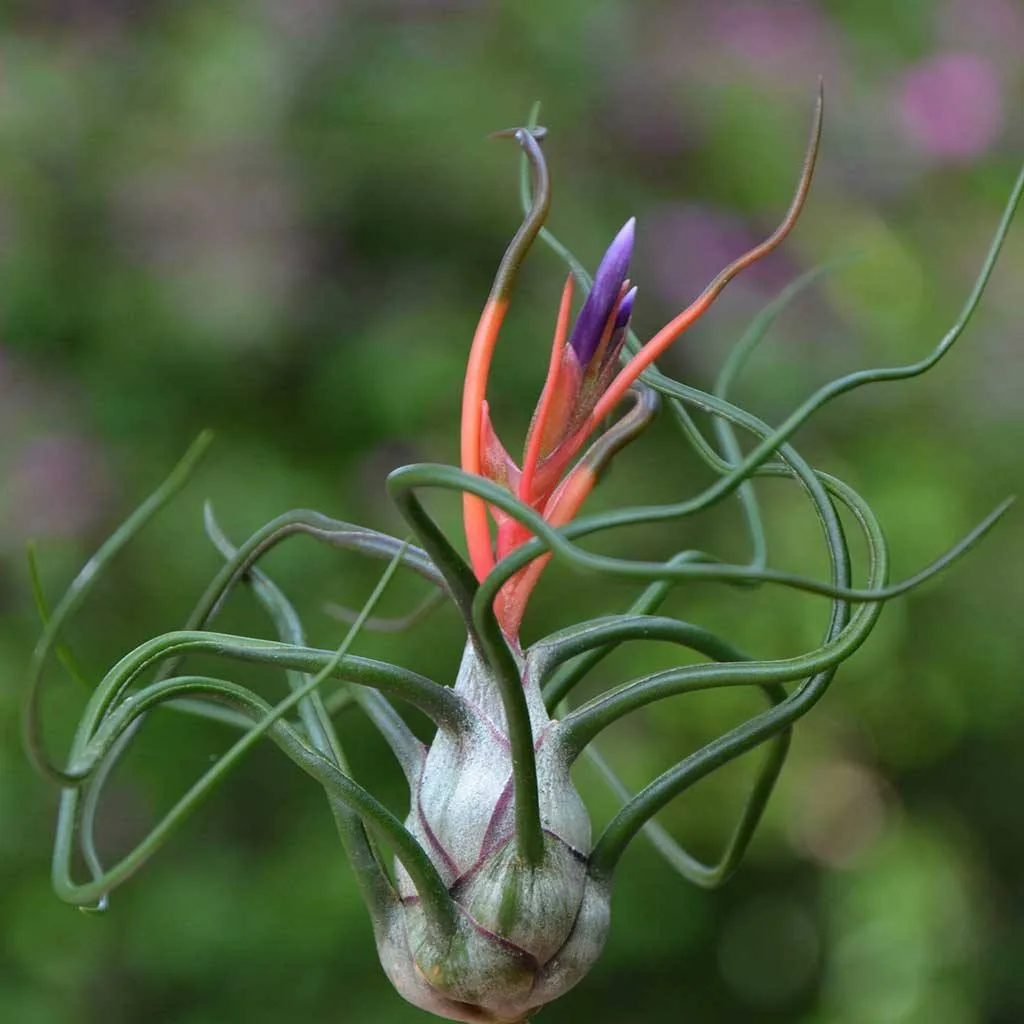
T. bulbosa is an epiphytic, evergreen perennial, generally to around 15cm tall and wide, with relatively large bulbous bases up to 5cm across. The narrow green leaves are curled in at the edges producing straw-like twisted tubes. When in flower, the upper leaves take on scarlet tones whilst the tubular flowers on short red stems are a bright violet-purple colour
Scientific classification
- Species
- bulbous air plant (Tillandsia bulbosa)
- Genus
- Tillandsia
- Family
- Bromeliaceae
- Order
- Poales
- Class
- Liliopsida
- Phylum
- Magnoliophyta
- Information to be completed
- Toxicity
- Conservatory Greenhouse · Houseplants
- Plant type
- 0.1-0.5 metres
- Height
- 0.1-0.5 metres
- Spread
- Evergreen
- Foliage
- Clump forming
- Habit
- Spring · Summer · Autumn · Winter
- Season of interest
- Partial shade
- Sunlight
- Information to be completed
- Ideal temperature









bulbous air plant pictures
Distribution of bulbous air plant
Distribution map
- Native
- Introduced
- Cultivated
Source:WCVP v16 · Royal Botanic Gardens, Kew · CC BY 3.0 · Boundaries:WGSRPD / TDWG
bulbous air plant care guide
- Moderate regular watering, allowing brief slight drying between soakings
- Watering
- Partial shade
- Sunlight

Watering
Moderate regular watering, allowing brief slight drying between soakings
Fertilizing
 Fertilizing
Balanced perennial feed every four weeks from spring through summer
Pruning
 Pruning
Remove individual rosettes that have died after flowering
Propagation
 Propagation
Propagate from seed (see Air plants) or by separating offsets once they are at least a third the size of the parent
Growing
 Growing
Plants need no compost; they are glued or wired to a support. Grow under glass in bright but diffused light with good ventilation. From spring to autumn immerse in rainwater twice a week (more in hot, dry conditions), drain well and allow to dry. Can stand outside in summer to benefit from rain, additional light and humidity. See Air plants for more
Common pests and diseases
Diseases
Generally disease free
Pests
May be susceptible to aphids and mealybugs
Explore the plant health library →




