
ivy 'Ann Ala'
Also known as: Information to be completed
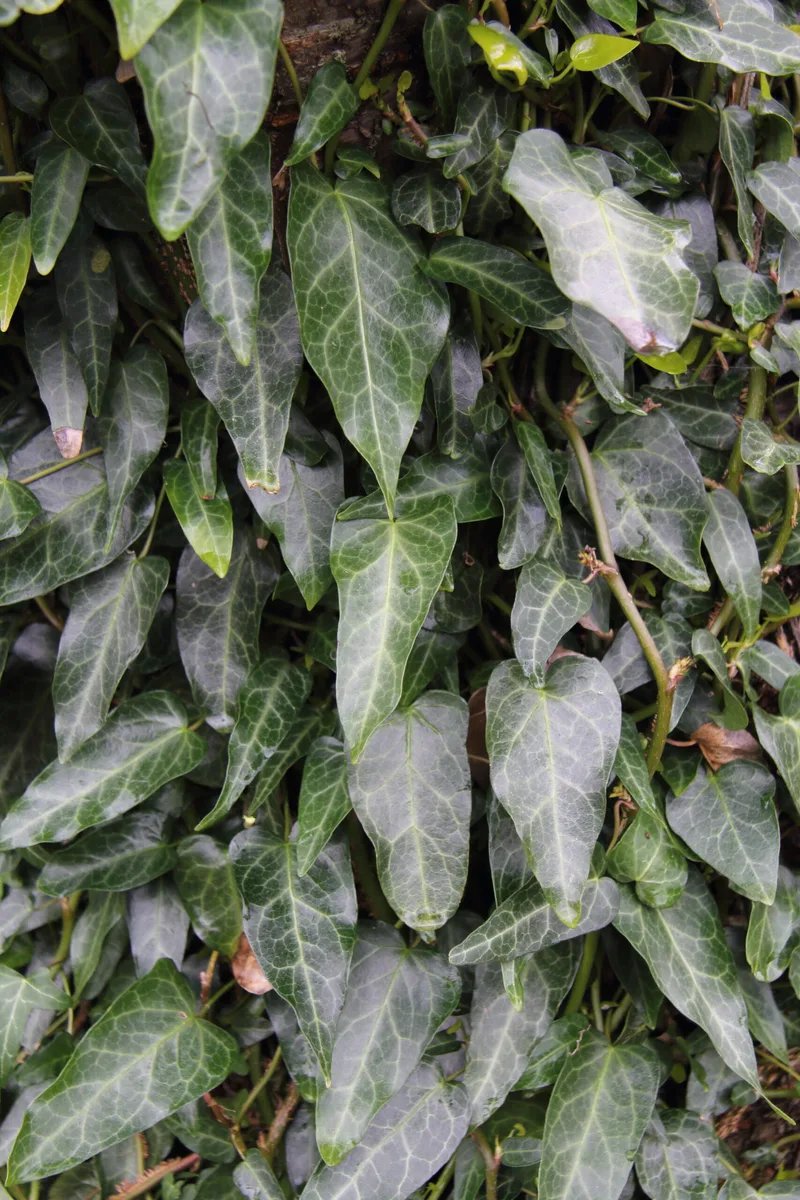
An evergreen climber with dark green, undivided, oblong leaves 5-9cm long, heart-shaped at the base, with paler veins
Scientific classification
- Species
- ivy 'Ann Ala' (Hedera pastuchovii 'Ann Ala')
- Genus
- Hedera
- Family
- Araliaceae
- Order
- Apiales
- Class
- Magnoliopsida
- Phylum
- Magnoliophyta
- Harmful if eaten, skin irritant. Wear gloves and other protective equipment when handling]
- Toxicity
- Climber Wall Shrub
- Plant type
- 2.5-4 metres
- Height
- 0.5-1 metres
- Spread
- Evergreen
- Foliage
- Climbing
- Habit
- Spring · Summer · Autumn · Winter
- Season of interest
- Full shade · Full sun · Partial shade
- Sunlight
- Information to be completed
- Ideal temperature









ivy 'Ann Ala' pictures
Distribution of ivy 'Ann Ala'
Distribution map
- Native
- Introduced
- Cultivated
Source:WCVP v16 · Royal Botanic Gardens, Kew · CC BY 3.0 · Boundaries:WGSRPD / TDWG
Toxicity
Harmful if eaten, skin irritant. Wear gloves and other protective equipment when handling]
ivy 'Ann Ala' care guide
- Moderate regular watering, allowing brief slight drying between soakings
- Watering
- Full shade · Full sun · Partial shade
- Sunlight

Watering
Moderate regular watering, allowing brief slight drying between soakings
Fertilizing
 Fertilizing
Balanced perennial feed every four weeks from spring through summer
Pruning
 Pruning
Routine pruning is unnecessary; shorten overlong shoots to fit the available space. Trim as needed at any time.
Propagation
 Propagation
In summer, root semi-ripe cuttings of juvenile growth to obtain plants with a trailing habit
Growing
 Growing
A climber that will thrive in any fertile soil, in sun or shade
Common pests and diseases
Diseases
May be susceptible to honey fungus (rarely) and a leaf spot
Pests
May be susceptible to glasshouse red spider mite, scale insects, vine weevil and aphids
Explore the plant health library →




