
Asiatic jasmine
Also known as: Information to be completed
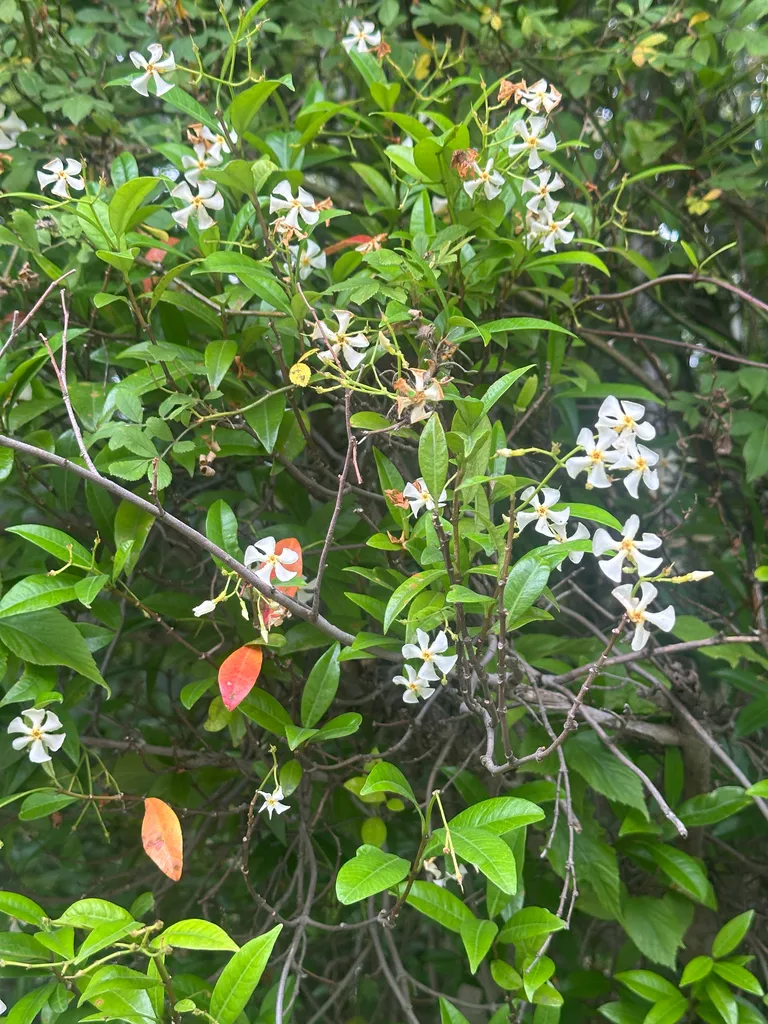
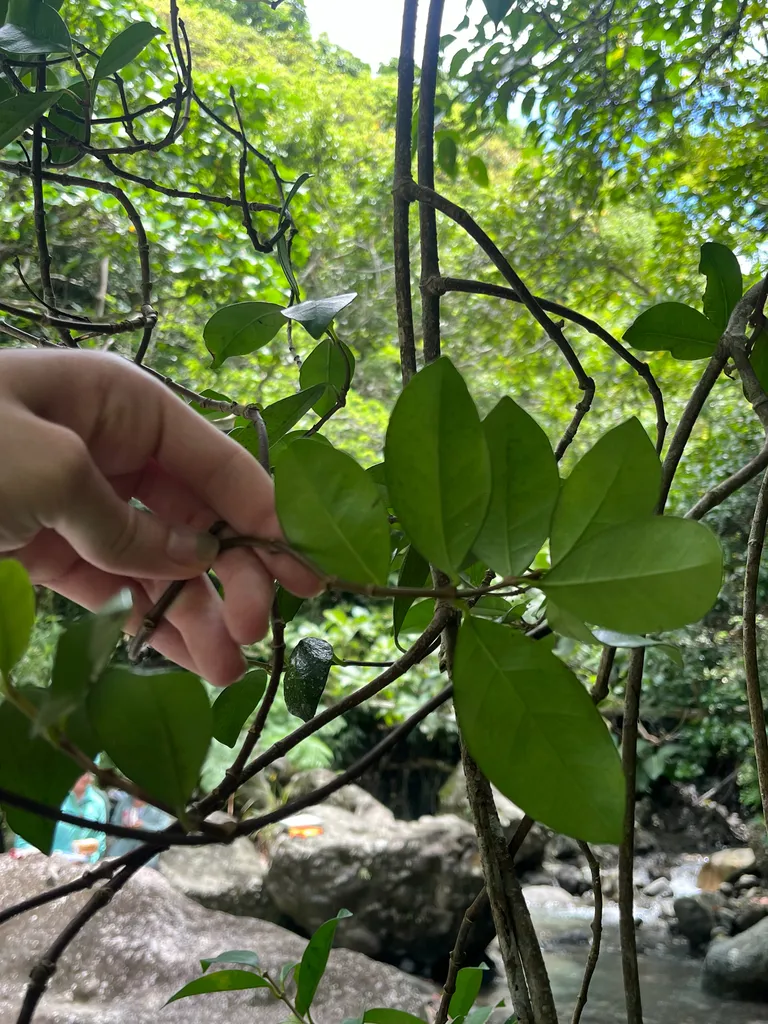
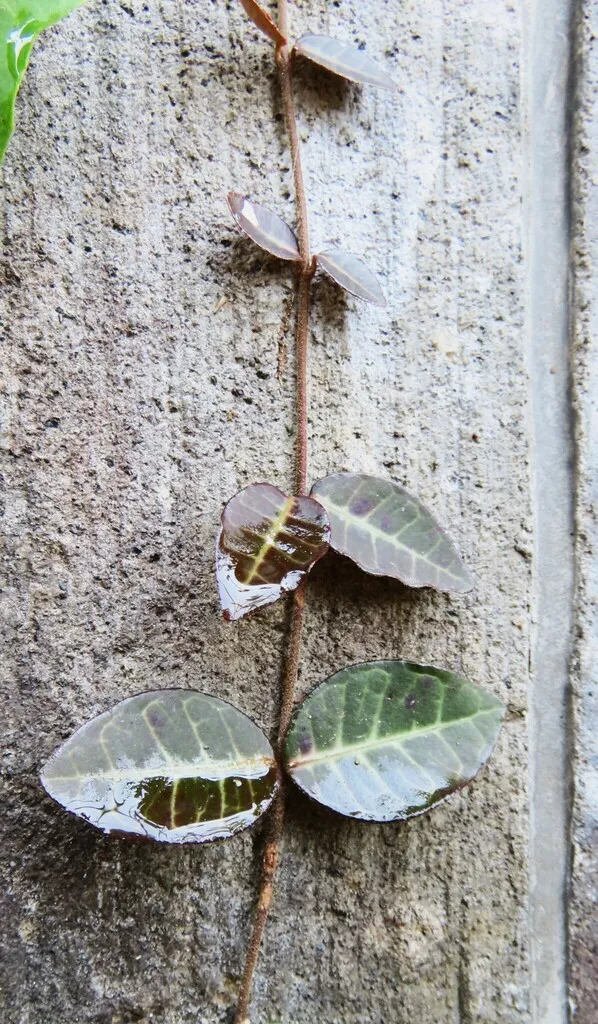
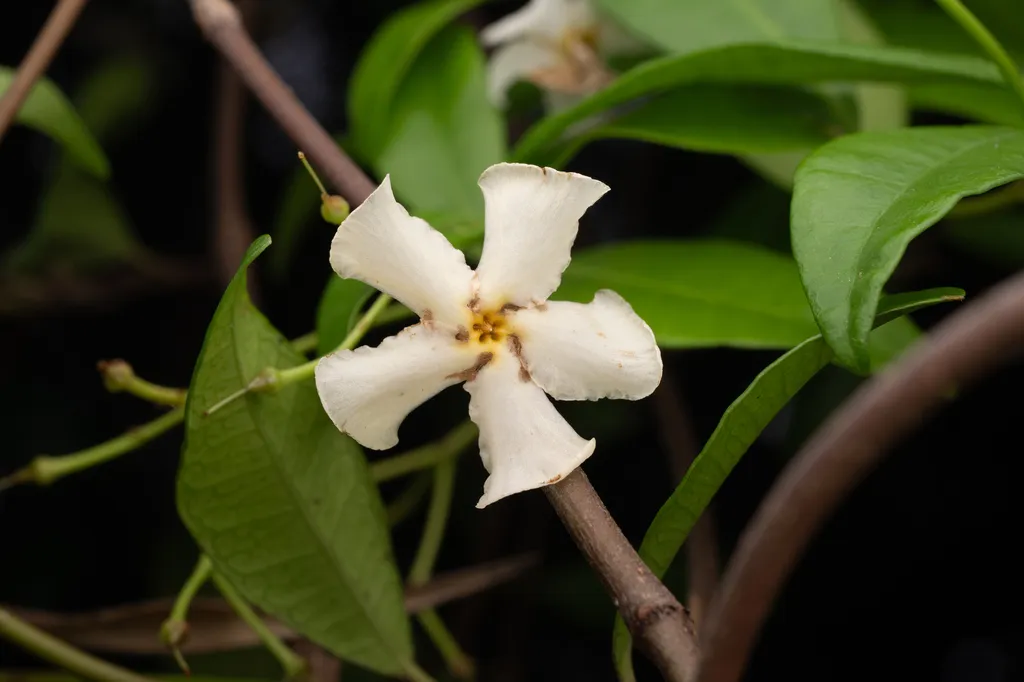
T. asiaticum is a medium-sized climber with leathery, narrowly ovate, glossy dark green leaves 2-5cm in length. Fragrant, buff-centred, creamy flowers 2cm in width in clusters at the ends of lateral shoots
Scientific classification
- Species
- Asiatic jasmine (Trachelospermum asiaticum)
- Genus
- Trachelospermum
- Family
- Apocynaceae
- Order
- Gentianales
- Class
- Magnoliopsida
- Phylum
- Magnoliophyta
- Information to be completed
- Toxicity
- Climber Wall Shrub · Conservatory Greenhouse
- Plant type
- 4-8 metres
- Height
- 4-8 metres
- Spread
- Evergreen
- Foliage
- Climbing
- Habit
- Spring · Summer · Autumn · Winter
- Season of interest
- Full sun · Partial shade
- Sunlight
- Information to be completed
- Ideal temperature









Asiatic jasmine pictures
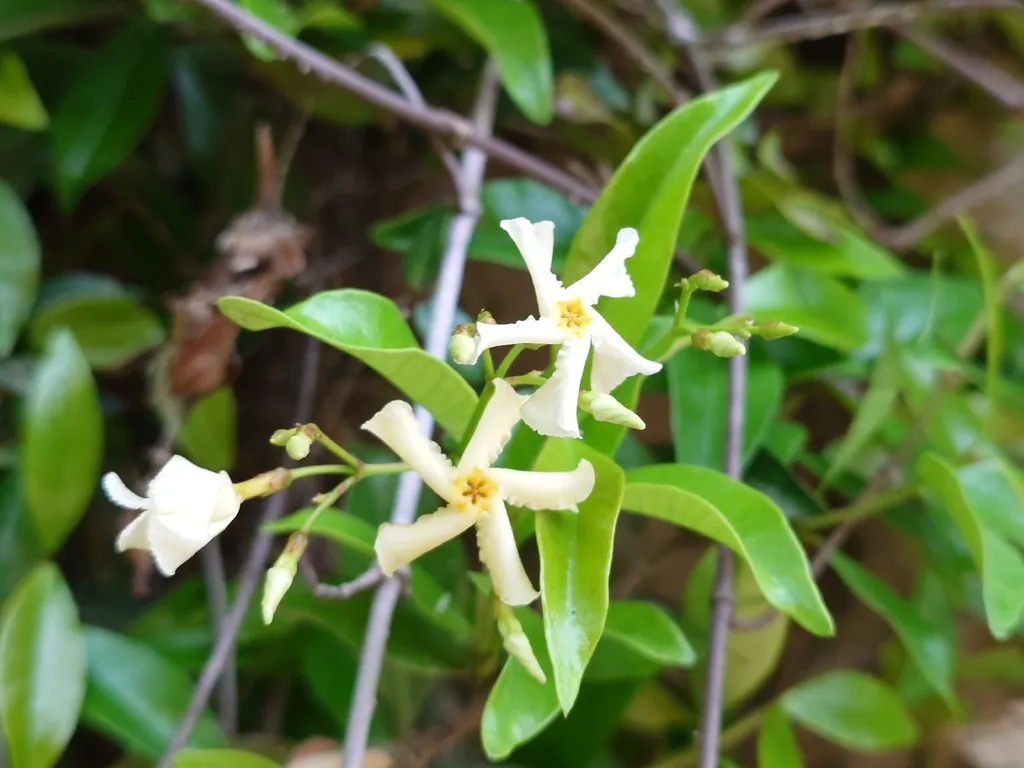
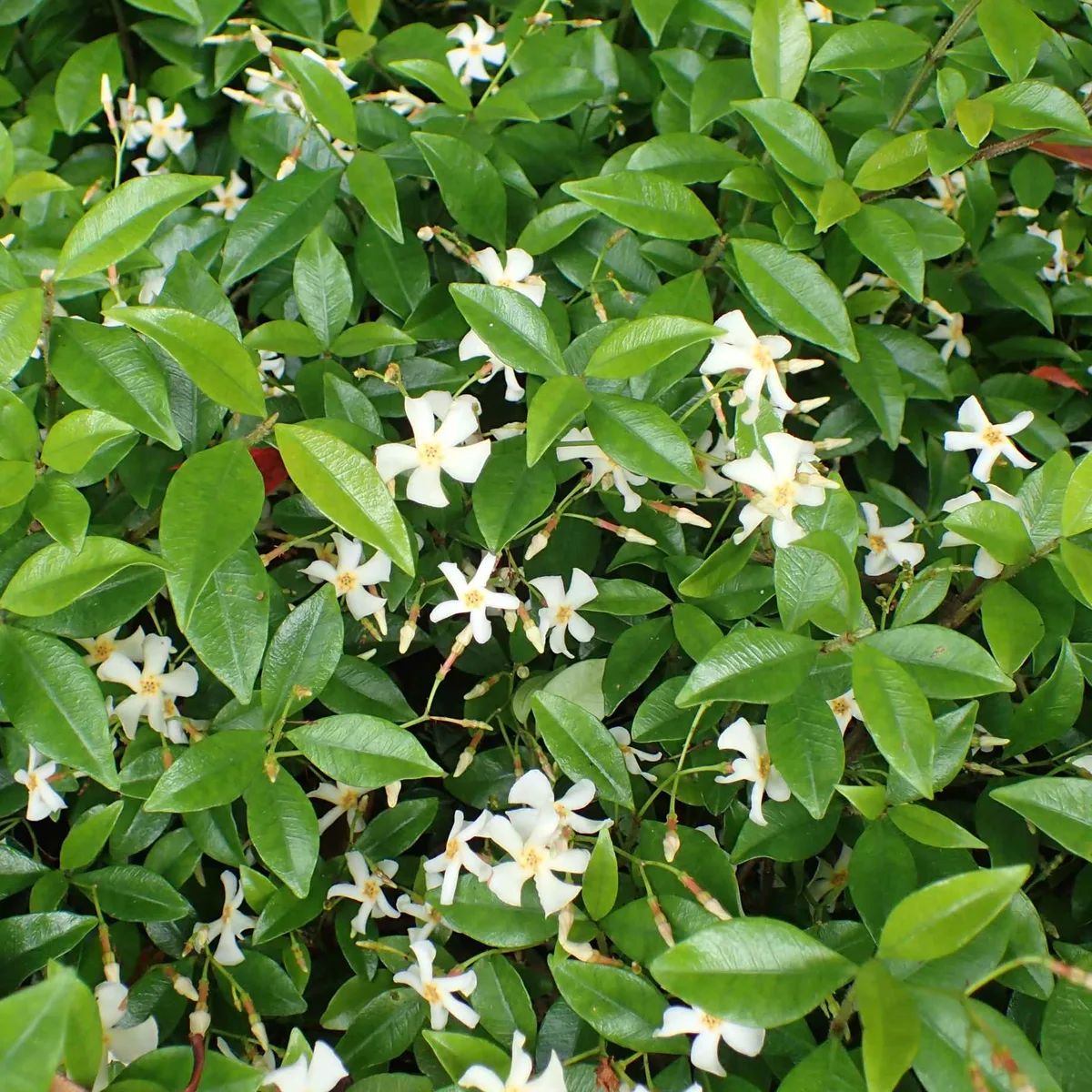
Distribution of Asiatic jasmine
Distribution map
- Native
- Introduced
- Cultivated
Source:WCVP v16 · Royal Botanic Gardens, Kew · CC BY 3.0 · Boundaries:WGSRPD / TDWG
Asiatic jasmine care guide
- Moderate regular watering, allowing brief slight drying between soakings
- Watering
- Full sun · Partial shade
- Sunlight

Watering
Moderate regular watering, allowing brief slight drying between soakings
Fertilizing
 Fertilizing
Balanced perennial feed every four weeks from spring through summer
Pruning
 Pruning
Routine pruning is unnecessary; shorten overlong shoots to fit the available space. Prune in early spring.
Propagation
 Propagation
Propagate by layering or semi-hardwood cuttings
Growing
 Growing
Grow in fertile well-drained soil in full sun or partial shade with shelter from cold winds; for conservatory cultivation can be grown in a container in a loam-based potting compost (JI No.3) in full light with shade from hot sun
Common pests and diseases
Diseases
May be susceptible to honey fungus
Pests
May be susceptible to cushion scale, mealybugs and glasshouse red spider mite
Explore the plant health library →




