
blue spiderwort
Also known as: common spiderwort; Moses in the bulrushes; Trinity flower; Virginia spiderwort; Virginian tradescantia; bluebells; flower of a day; spiderwort; widow's tears
An upright perennial to a height of 50cm with slightly succulent, narrow, green leaves that can reach 35cm long. In summer clusters of light purple, blue or purple three-petalled flowers are borne
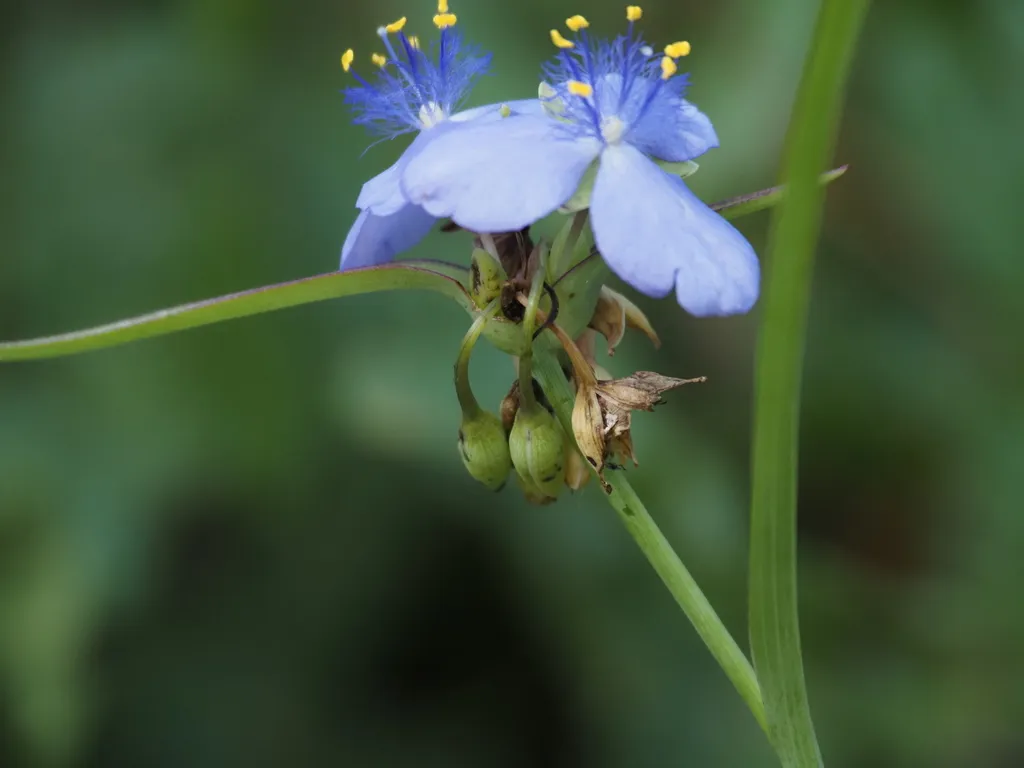
Scientific classification
- Species
- blue spiderwort (Tradescantia virginiana)
- Genus
- Tradescantia
- Family
- Commelinaceae
- Order
- Commelinales
- Class
- Liliopsida
- Phylum
- Magnoliophyta
- Skin allergen. Wear gloves and other protective equipment when handling
- Toxicity
- Herbaceous Perennial
- Plant type
- 0.1-0.5 metres
- Height
- 0.1-0.5 metres
- Spread
- Deciduous
- Foliage
- Columnar upright
- Habit
- Spring · Summer · Autumn
- Season of interest
- Full sun · Partial shade
- Sunlight
- Information to be completed
- Ideal temperature









blue spiderwort pictures
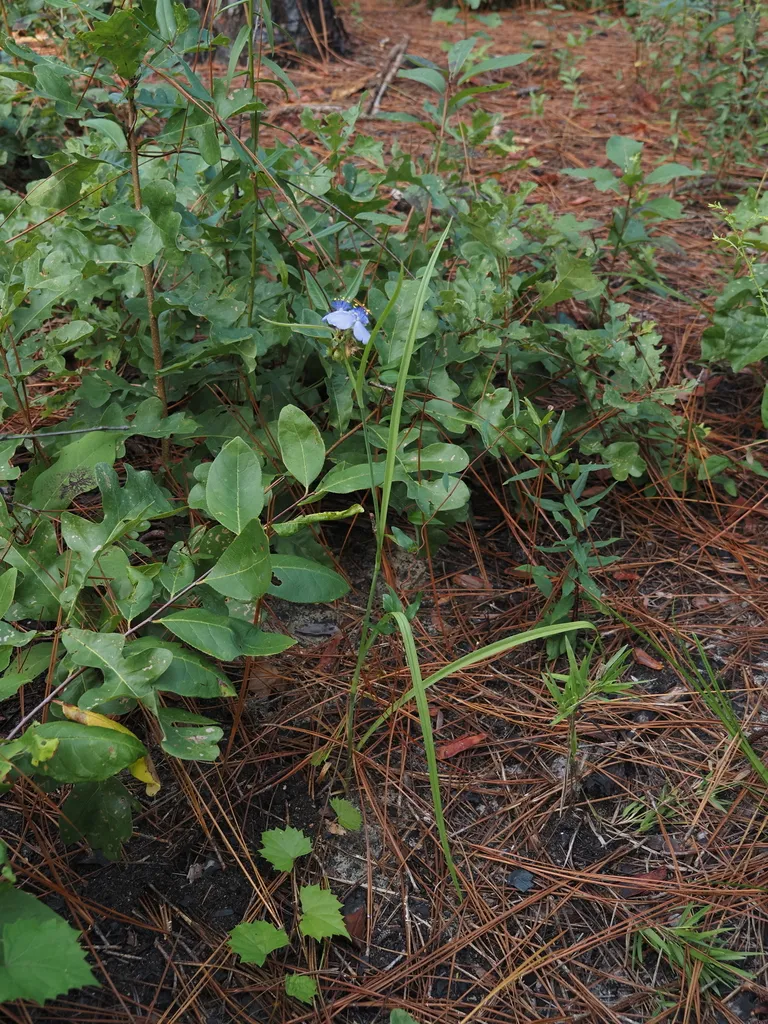
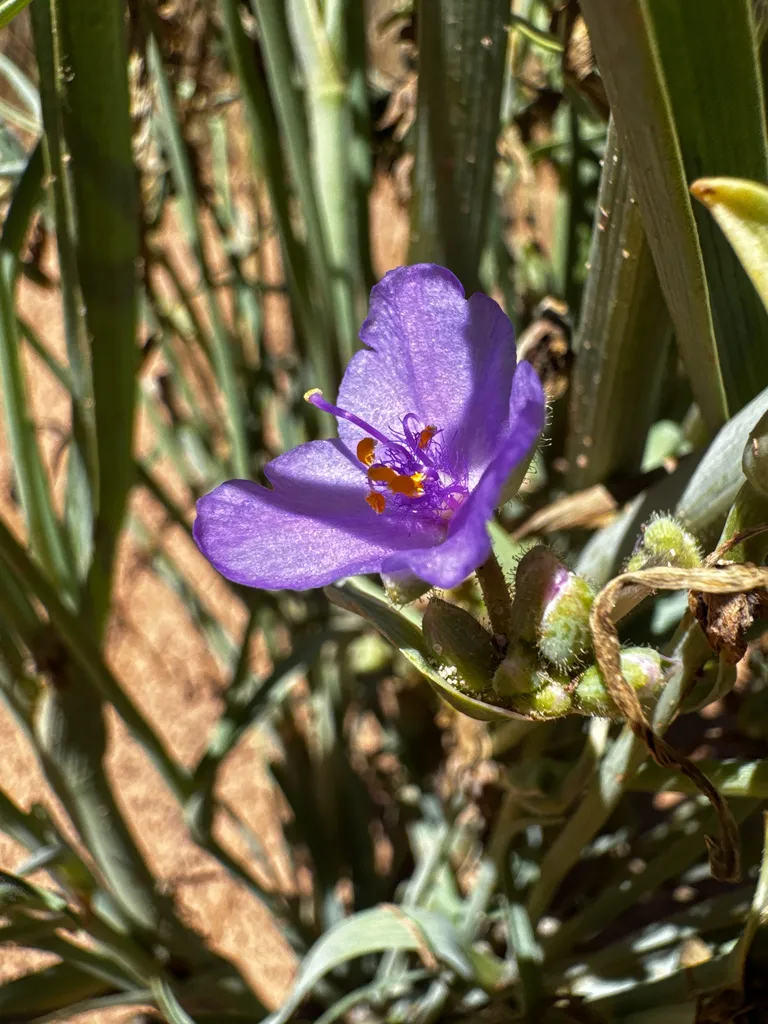
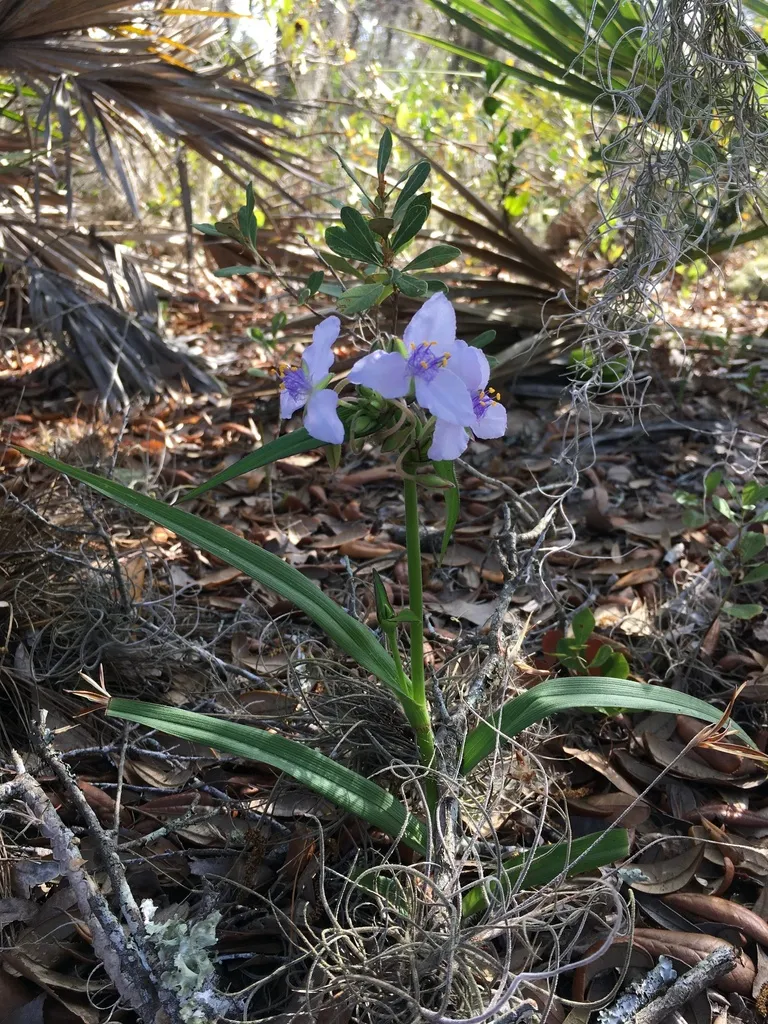
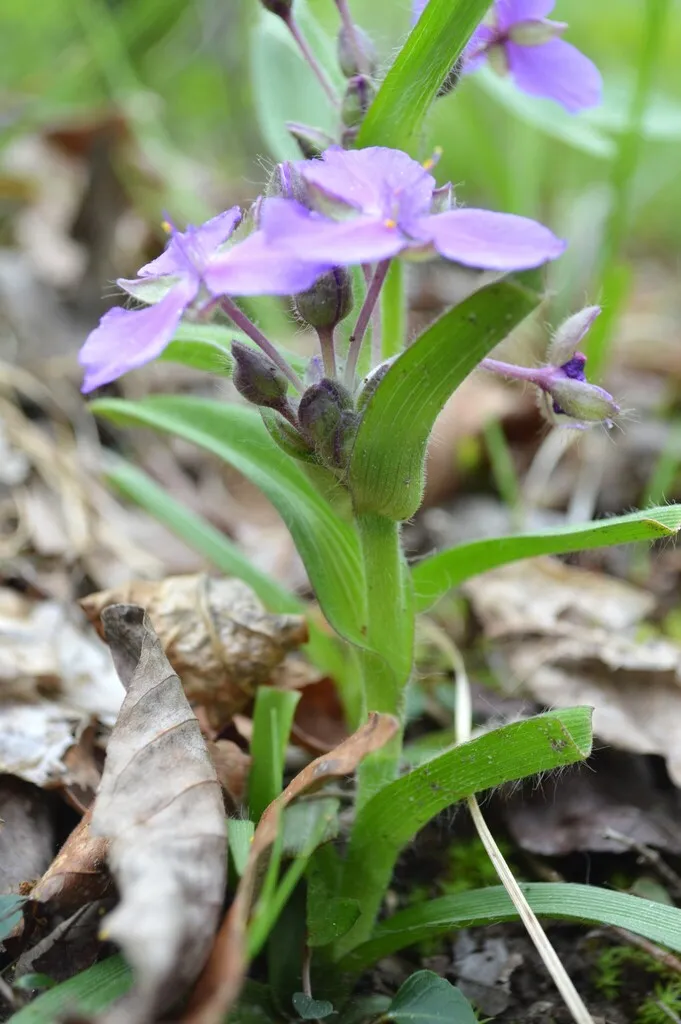
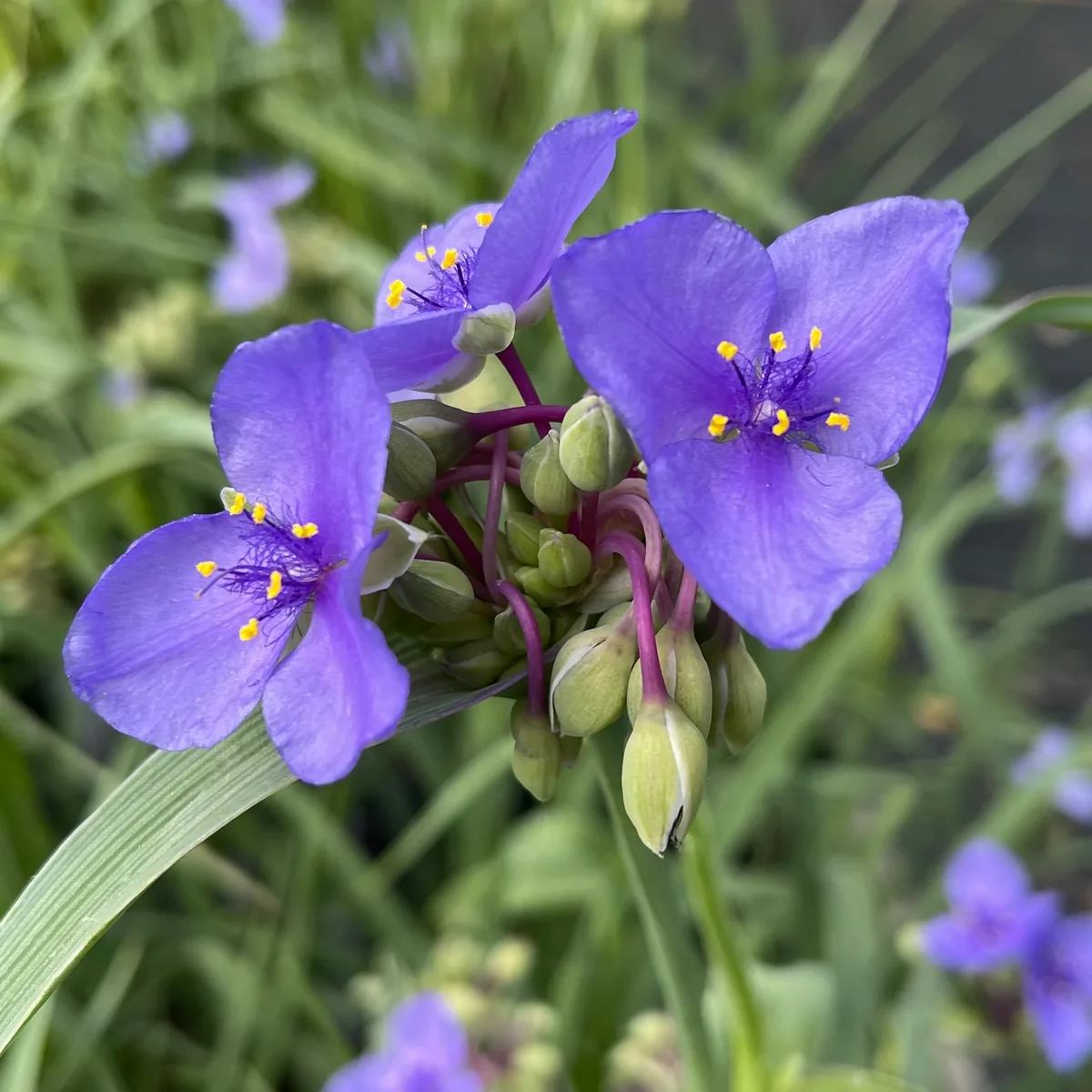
Distribution of blue spiderwort
Distribution map
- Native
- Introduced
- Cultivated
Locally extinct or doubtful records are excluded from native and introduced layers.
Source:WCVP v16 · Royal Botanic Gardens, Kew · CC BY 3.0 · Boundaries:WGSRPD / TDWG
Toxicity
Skin allergen. Wear gloves and other protective equipment when handling
blue spiderwort care guide
- Maintain evenly moist soil, tolerate brief mild drought conditions
- Watering
- Full sun · Partial shade
- Sunlight

Watering
Maintain evenly moist soil, tolerate brief mild drought conditions
Fertilizing
 Fertilizing
Diluted balanced plant feed every four weeks spring through fall
Pruning
 Pruning
Cut back all foliage back to ground level at the end of the season
Propagation
 Propagation
Propagate by division in autumn after flowering, or in spring
Growing
 Growing
Easy to grow in moist soils, bog gardens, and well-drained soil in sun or part-shade. Can be untidy so may need staking. See staking perennials
Common pests and diseases
Diseases
Generally disease-free
Pests
May be susceptible to red spider mite, mealybugs, aphids, vine weevil and thrips
Explore the plant health library →




