
birthroot
Also known as: American shamrock; bathroot; bethroot; bloody nose; bumblebee root; death root; dog flower; ground lily; Indian balm; lamb's quarters; lamb's succory; orange blossoms; red Benjamin; stinking Benjamin; herb Paris; nosebleed; true love
A perennial to 50cm in height, with erect stems each bearing a whorl of three broadly ovate leaves and a solitary, terminal, nodding deep maroon, occasionally white, flowers 5-9cm across in spring
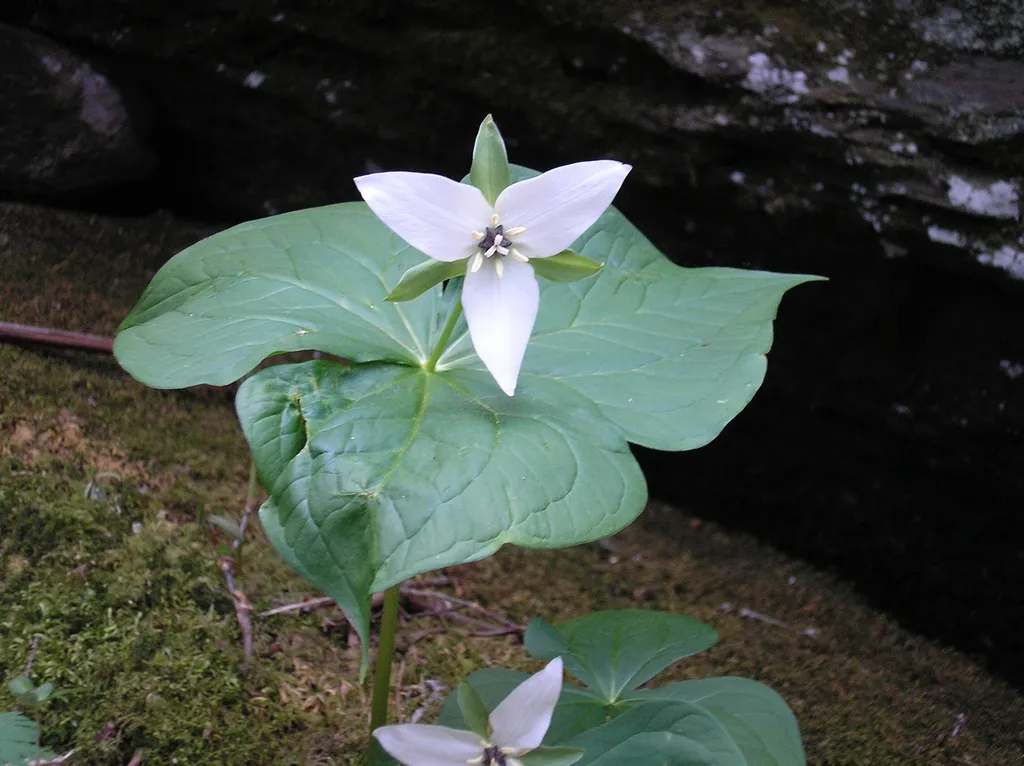
Scientific classification
- Species
- birthroot (Trillium erectum)
- Genus
- Trillium
- Family
- Melanthiaceae
- Order
- Liliales
- Class
- Liliopsida
- Phylum
- Magnoliophyta
- Information to be completed
- Toxicity
- Herbaceous Perennial
- Plant type
- 0.1-0.5 metres
- Height
- 0.1-0.5 metres
- Spread
- Deciduous
- Foliage
- Columnar upright
- Habit
- Spring · Summer
- Season of interest
- Full shade · Partial shade
- Sunlight
- Information to be completed
- Ideal temperature









birthroot pictures
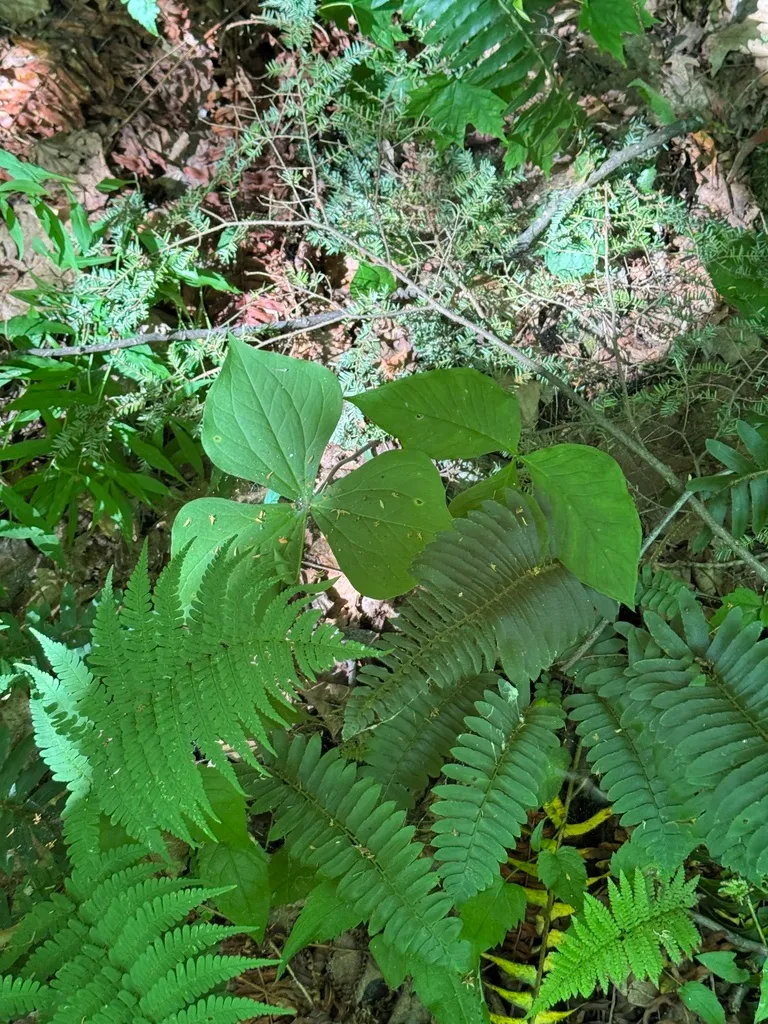
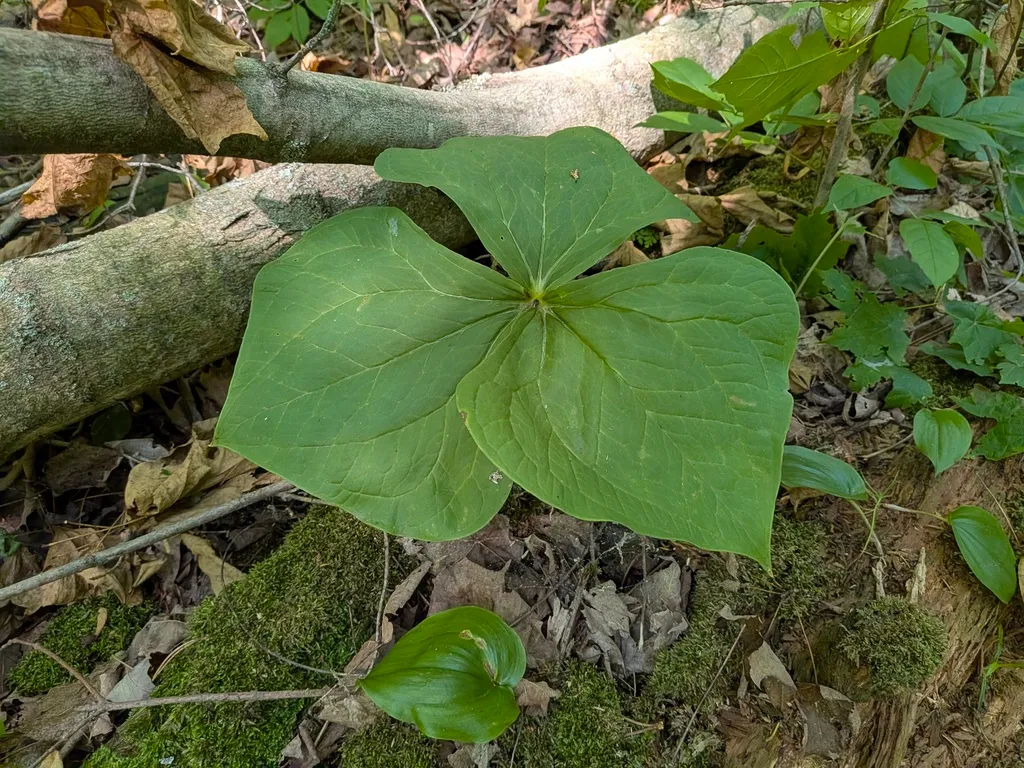
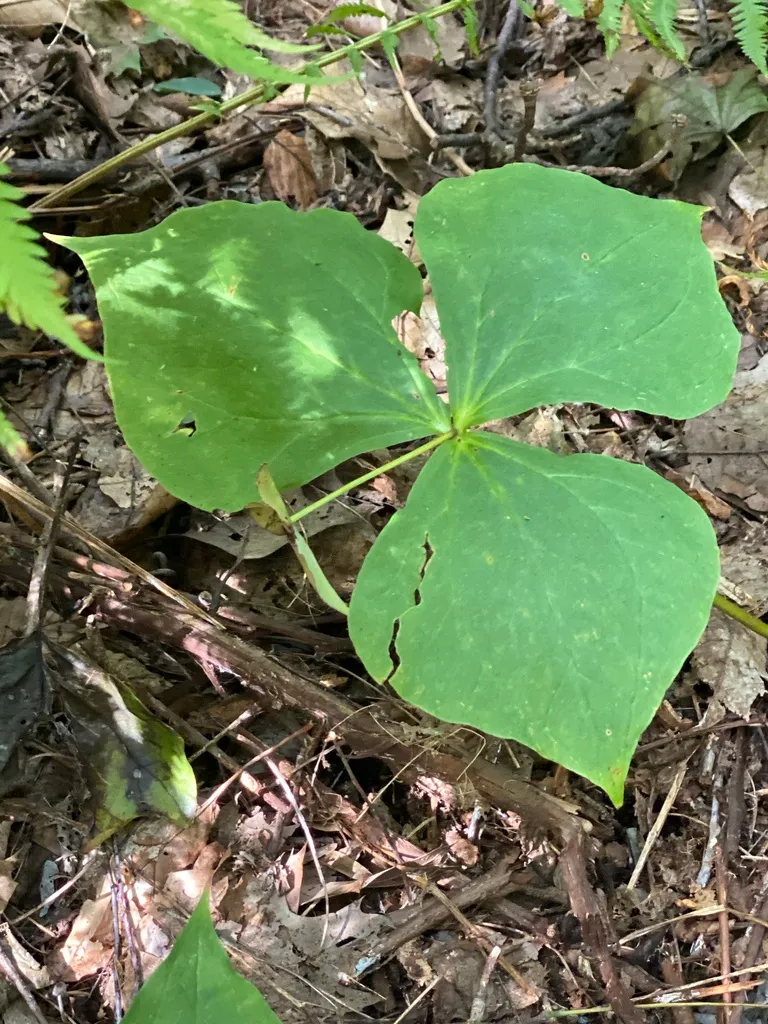
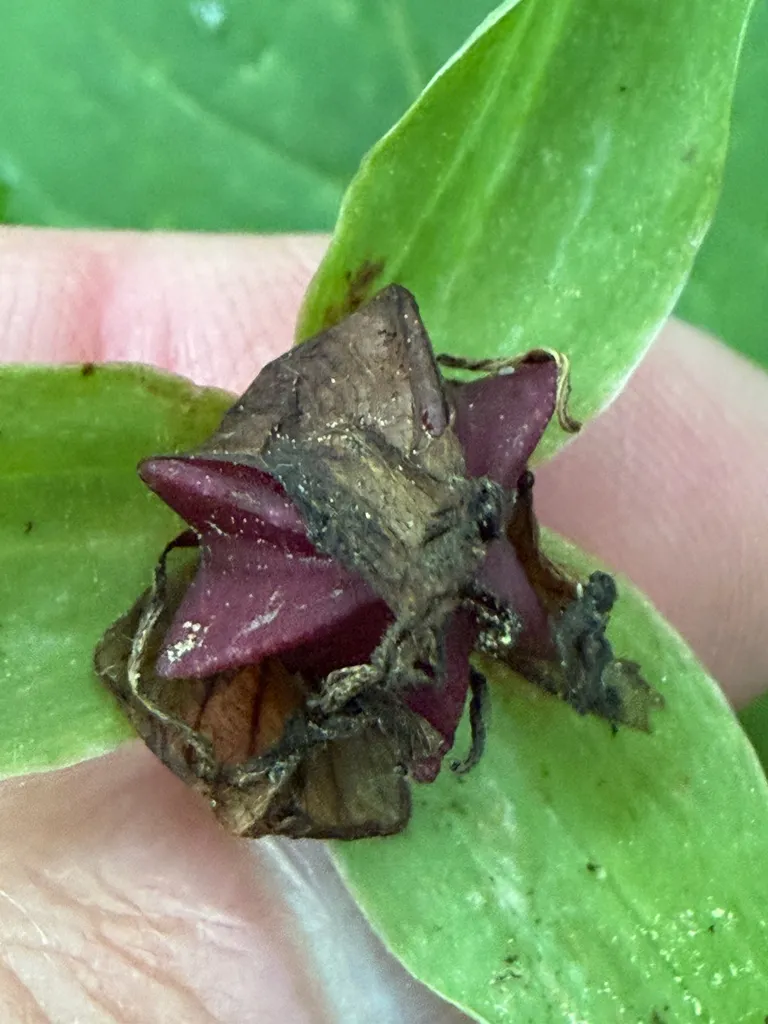
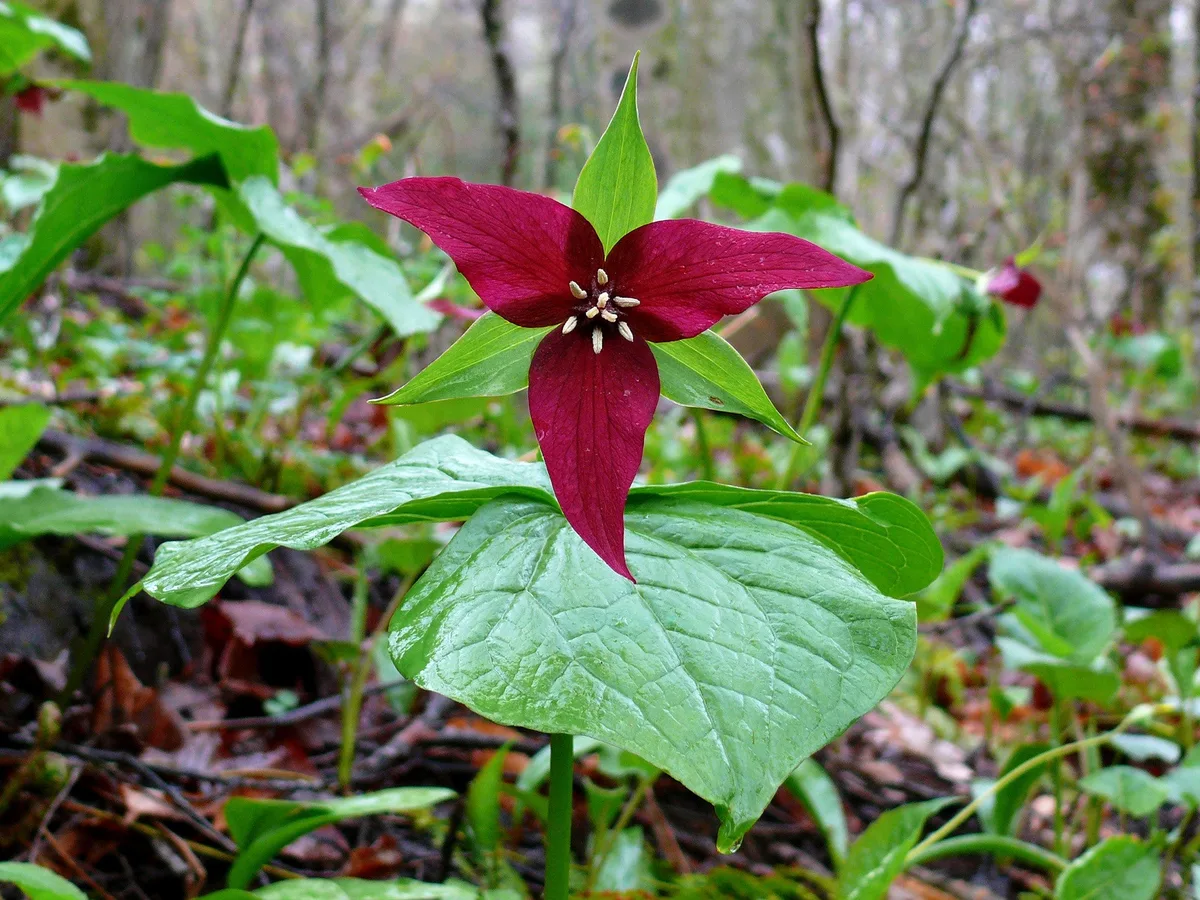
Distribution of birthroot
Distribution map
- Native
- Introduced
- Cultivated
Source:WCVP v16 · Royal Botanic Gardens, Kew · CC BY 3.0 · Boundaries:WGSRPD / TDWG
birthroot care guide
- Moderate regular watering, avoid prolonged drought and stagnant waterlogging
- Watering
- Full shade · Partial shade
- Sunlight

Watering
Moderate regular watering, avoid prolonged drought and stagnant waterlogging
Fertilizing
 Fertilizing
Balanced perennial feed every four weeks spring through summer growth
Pruning
 Pruning
No pruning required
Propagation
 Propagation
Propagate by seed in pots in a shady cold frame as soon as seed is ripe; takes 5-7 years to reach flowering size. Propagate rhizomes by division after flowering or cut out the growing point from the rhizome after flowering, which stimulates the formation
Growing
 Growing
Grow in deep, moist but well-drained, humus-rich, preferably acid to neutral soil in deep or partial shade. Mulch in autumn with leaf mould. See trillium cultivation
Common pests and diseases
Diseases
Generally disease-free
Pests
May be susceptible to slugs and snails
Explore the plant health library →




