
yellow lark's heels
Also known as: yellow rock Indian cress
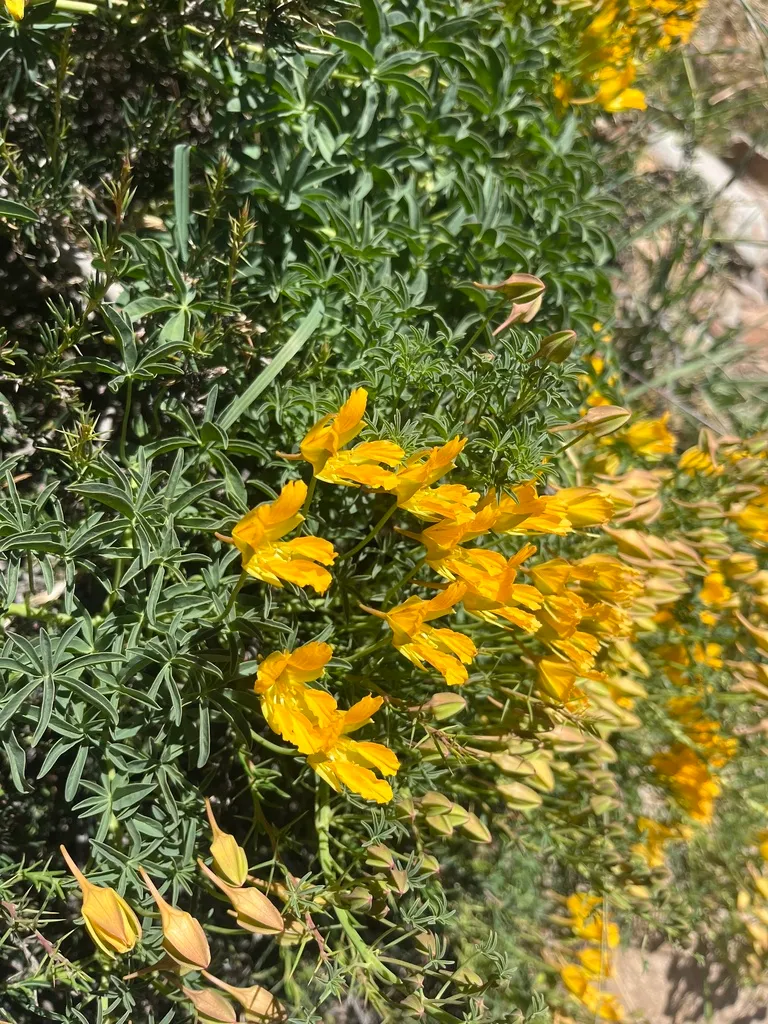
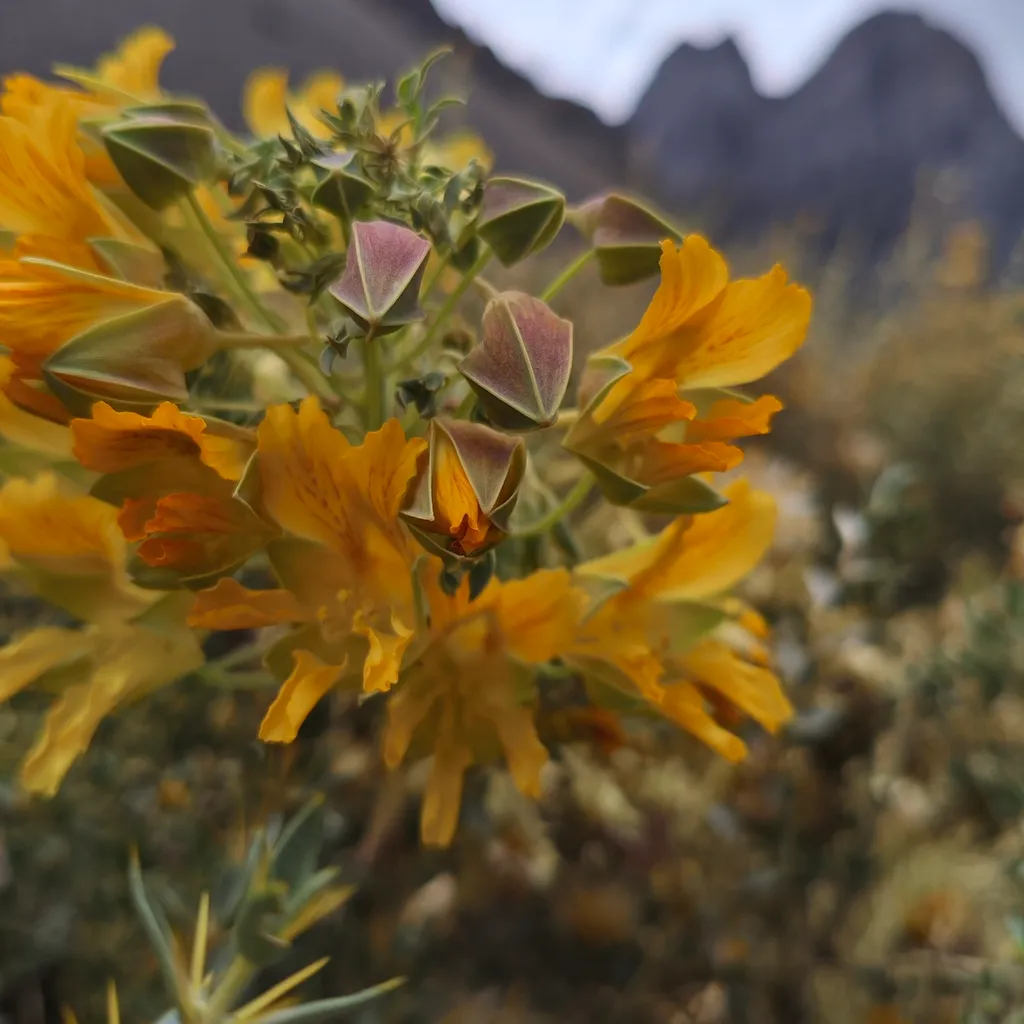
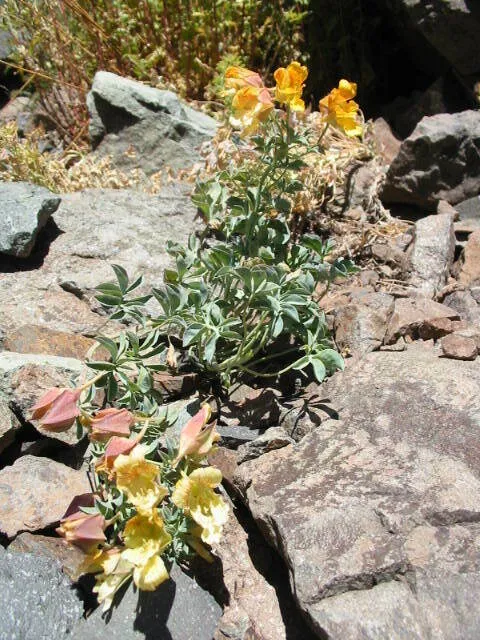
A herbaceous scrambling plant growing from long tubers to a spread of 1m or more. Rich yellow flowers with long spurs appear throughout summer over a mass of blue-green lobed leaves
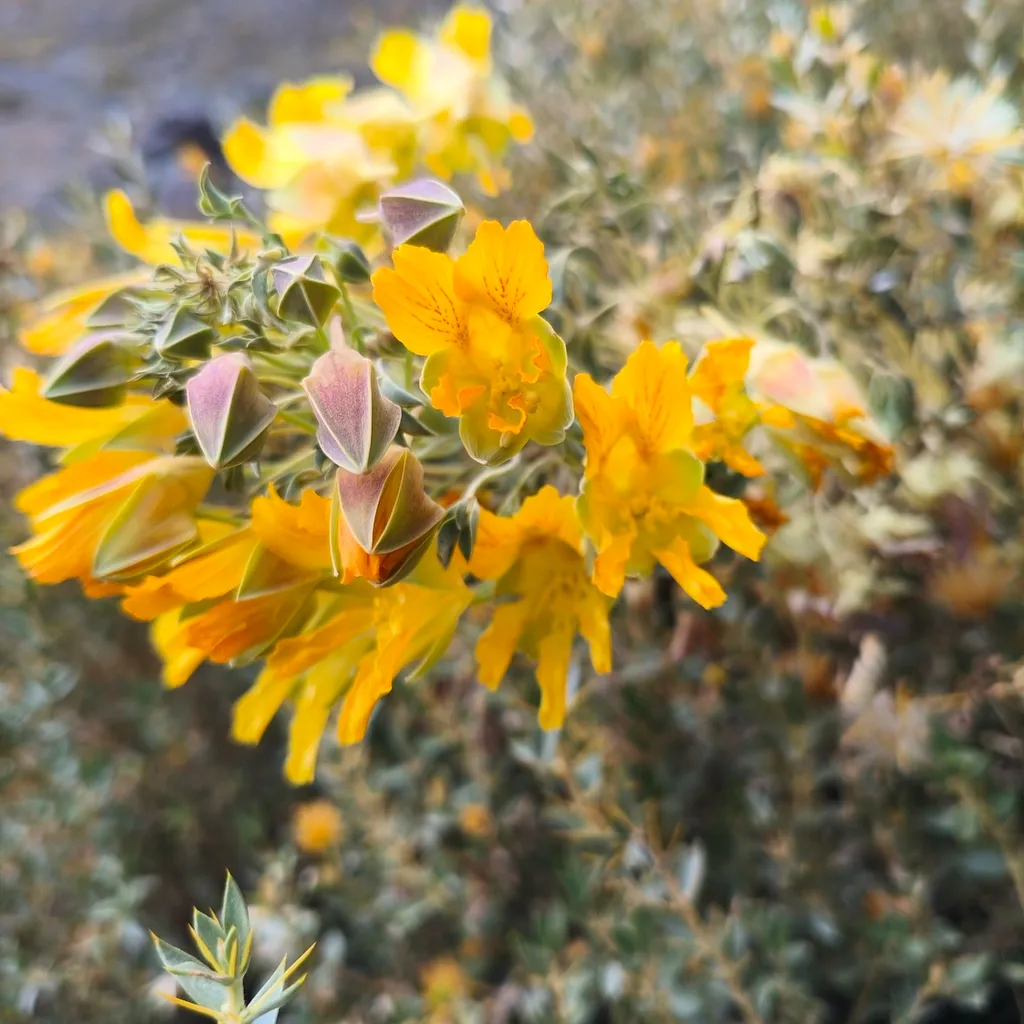
Scientific classification
- Species
- yellow lark's heels (Tropaeolum polyphyllum)
- Genus
- Tropaeolum
- Family
- Tropaeolaceae
- Skin allergen. Wear gloves and other protective equipment when handling
- Toxicity
- Herbaceous Perennial
- Plant type
- Up to 10 cm
- Height
- 1-1.5 metres
- Spread
- Deciduous
- Foliage
- Trailing
- Habit
- Spring · Summer · Autumn
- Season of interest
- Full sun
- Sunlight
- Information to be completed
- Ideal temperature









yellow lark's heels pictures
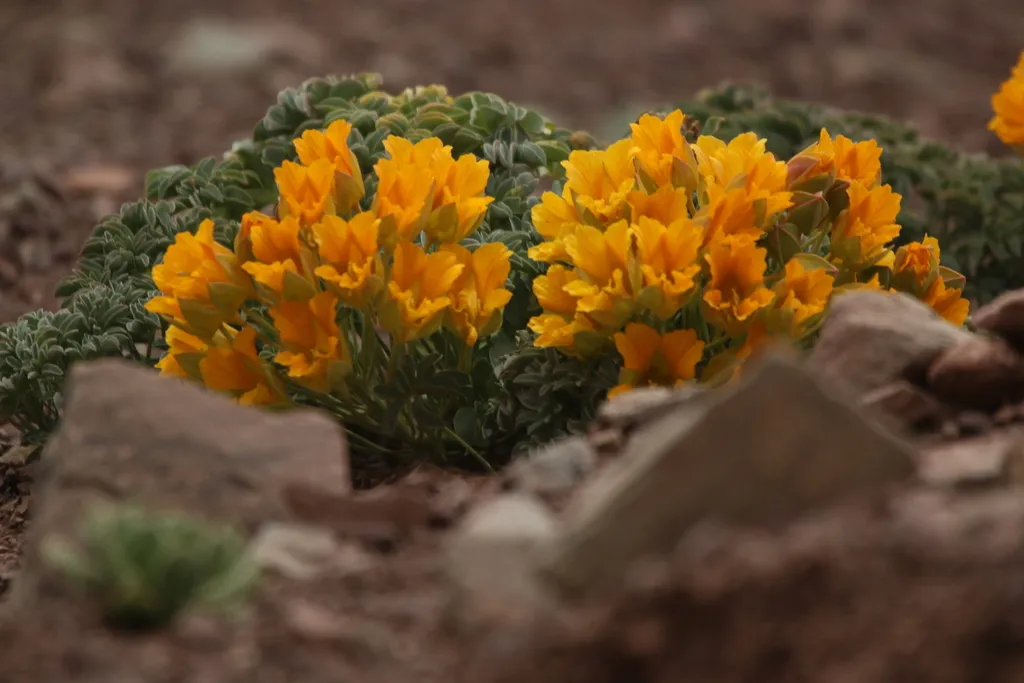
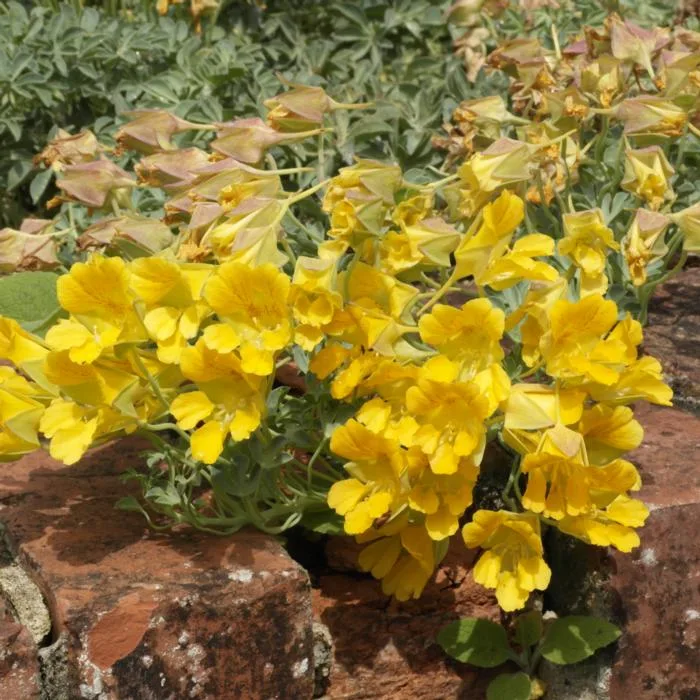
Distribution of yellow lark's heels
Distribution map
Information to be completed
Information to be completed
Culture
Information to be completed
Toxicity
Skin allergen. Wear gloves and other protective equipment when handling
Quick identification of yellow lark's heels
Information to be completed
yellow lark's heels care guide
- Moderate regular watering, allowing brief slight drying between soakings
- Watering
- Full sun
- Sunlight
- Information to be completed
- Ideal temperature

Watering
Moderate regular watering, allowing brief slight drying between soakings
Fertilizing
 Fertilizing
Balanced perennial feed every four weeks from spring through summer
Pruning
 Pruning
None required other than cutting back at the end of the season
Propagation
 Propagation
Propagate by division of tubers in spring or by seeds as soon as ripe, or by basal softwood cuttings in spring
Growing
 Growing
Grow in a sheltered scree, gravel garden, raised bed or large rock garden. Useful ground cover. Plant into well-drained, but moist soil in full sun
People also ask
Information to be completed
Common pests and diseases
Diseases
Generally disease-free
Pests
May be susceptible to glasshouse whitefly and glasshouse red spider mite and whitefly
Explore the plant health library →




