
Dicranostigma leptopodum
Also known as: Information to be completed
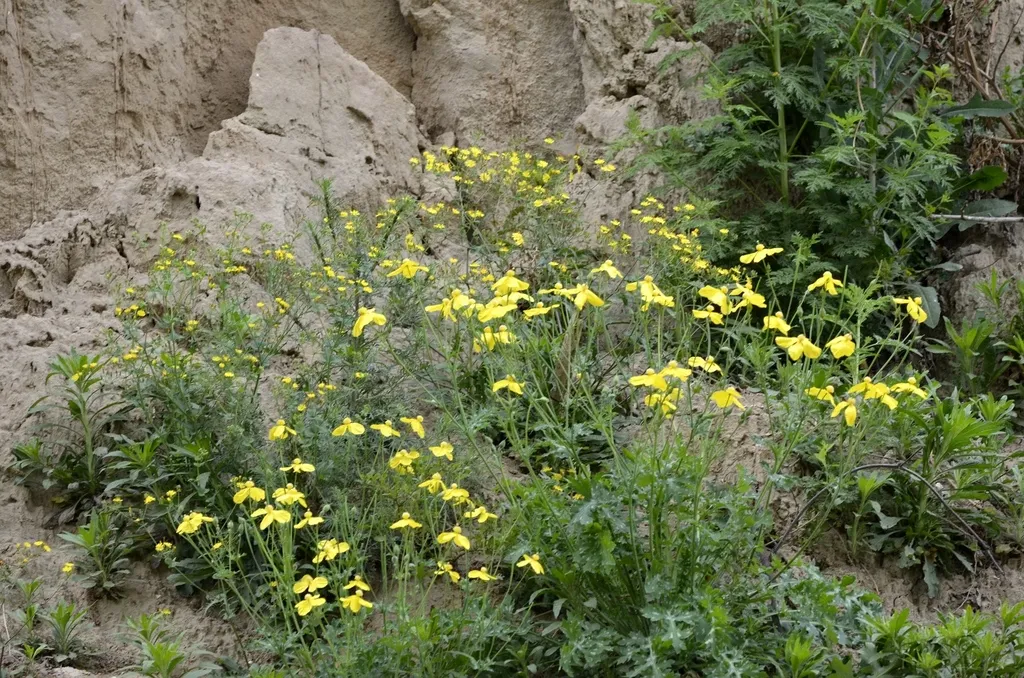
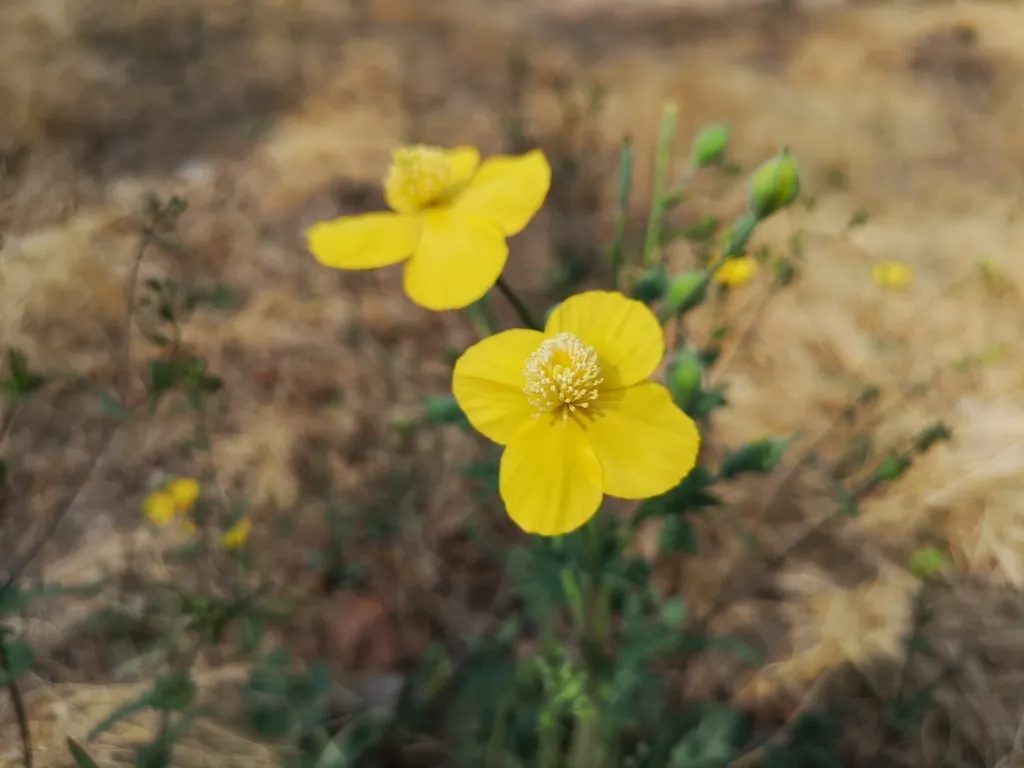
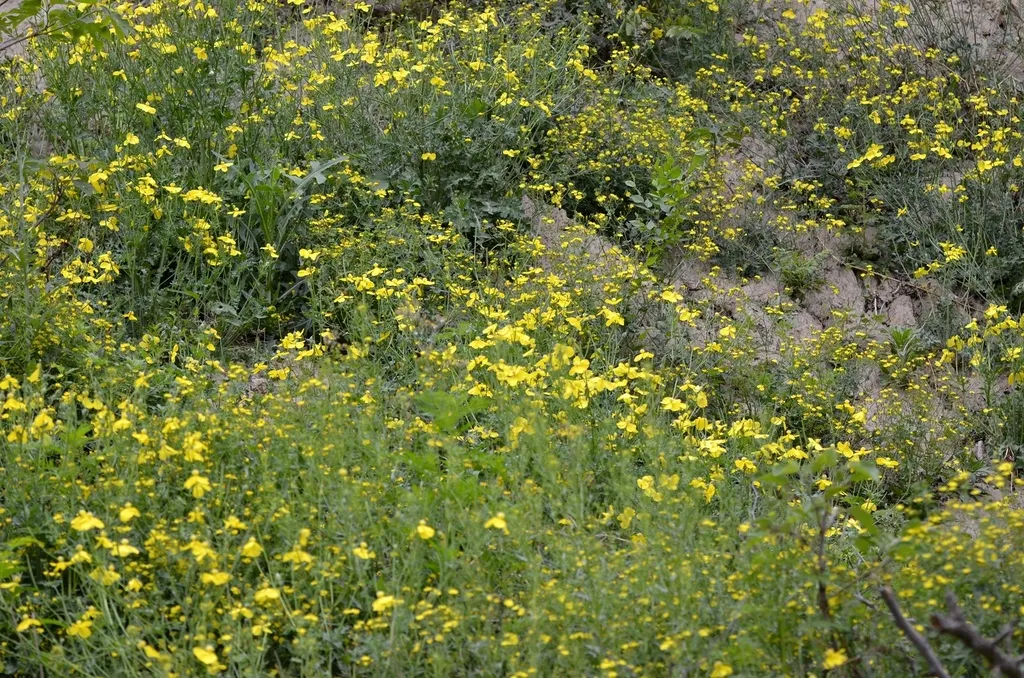
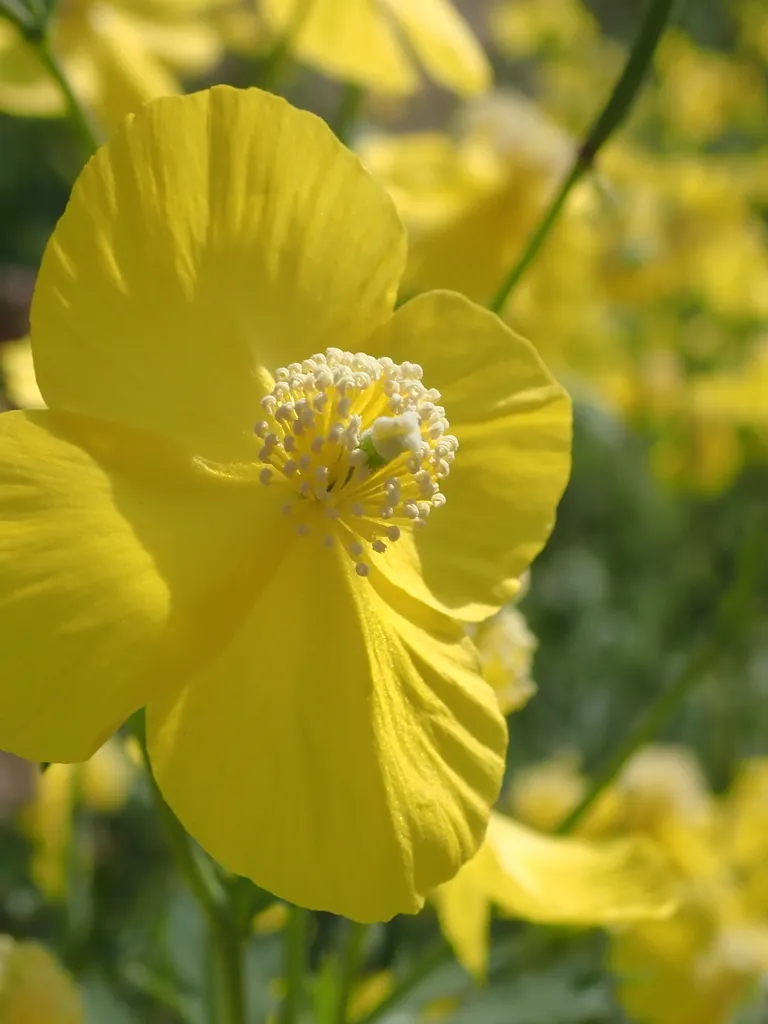
A biennial or short-lived perennial, to around 50cm high, with basal rosettes of long, deeply lobed and toothed green leaves. Slender, upright stems bear loose clusters of 2-5 bright yellow flowers, with delicate, poppy-like petals, from late spring into summer. Plants produce yellow latex when cut
Scientific classification
- Species
- Dicranostigma leptopodum (Dicranostigma leptopodum)
- Genus
- Dicranostigma
- Family
- Papaveraceae
- Information to be completed
- Toxicity
- Annual Biennial · Herbaceous Perennial
- Plant type
- Information to be completed
- Height
- Information to be completed
- Spread
- Deciduous
- Foliage
- Clump forming
- Habit
- Spring · Summer · Autumn
- Season of interest
- Full sun
- Sunlight
- Information to be completed
- Ideal temperature









Dicranostigma leptopodum pictures
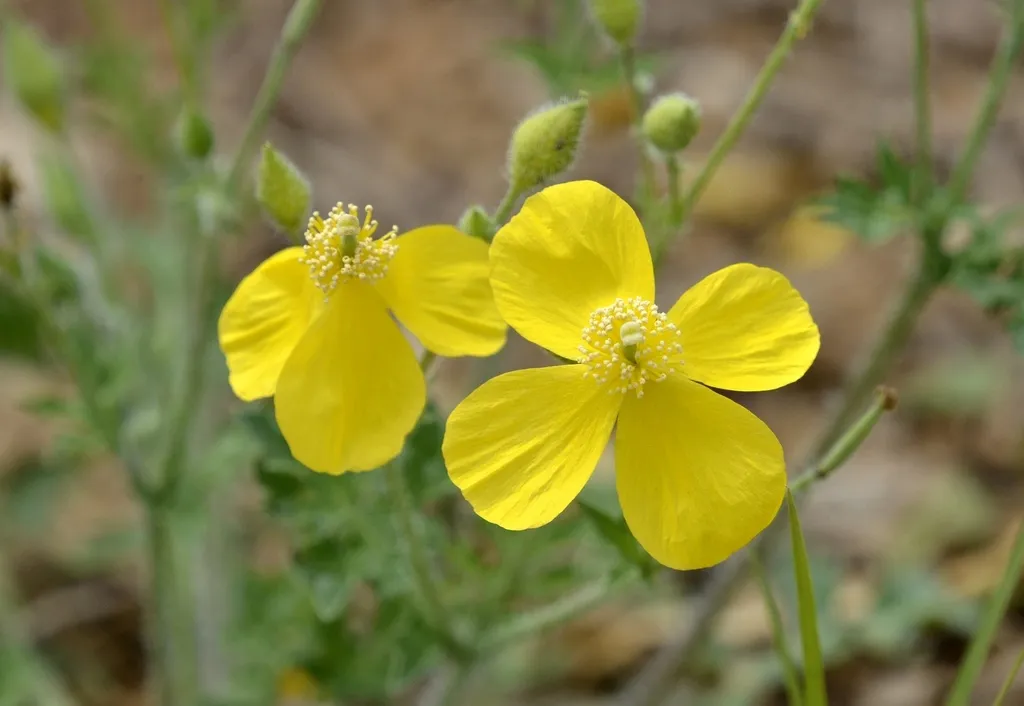
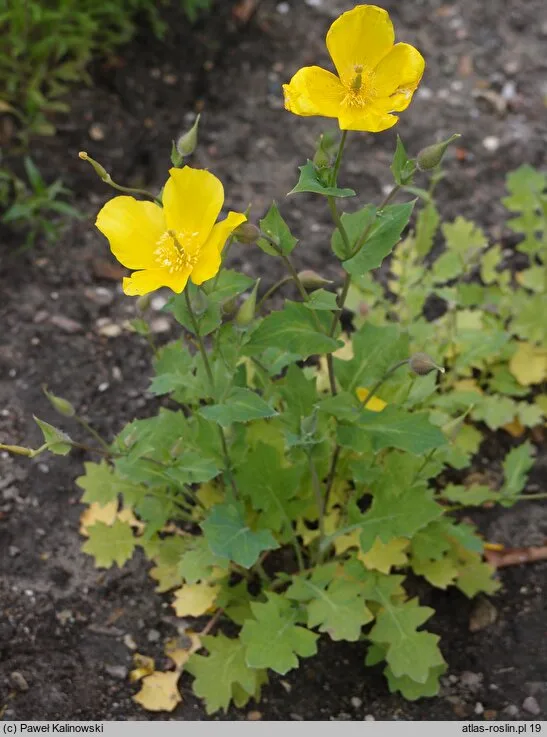
Distribution of Dicranostigma leptopodum
Distribution map
- Native
- Introduced
- Cultivated
Source:WCVP v16 · Royal Botanic Gardens, Kew · CC BY 3.0 · Boundaries:WGSRPD / TDWG
Culture
Information to be completed
Toxicity
Information to be completed
Quick identification of Dicranostigma leptopodum
Information to be completed
Dicranostigma leptopodum care guide
- Moderate regular watering, avoid prolonged drought or waterlogging
- Watering
- Full sun
- Sunlight
- Information to be completed
- Ideal temperature

Watering
Moderate regular watering, avoid prolonged drought or waterlogging
Fertilizing
 Fertilizing
Balanced feed in spring and light repeat in growth season
Pruning
 Pruning
No pruning required
Propagation
 Propagation
Propagate by seed; plants often self-seed in place
Growing
 Growing
Thrives in full sun in moist but well-drained soil. Protect from excess winter wet
People also ask
Information to be completed
Common pests and diseases
Diseases
Generally disease-free
Pests
Generally pest-free
Explore the plant health library →




