
Tulbaghia leucantha
Also known as: Information to be completed
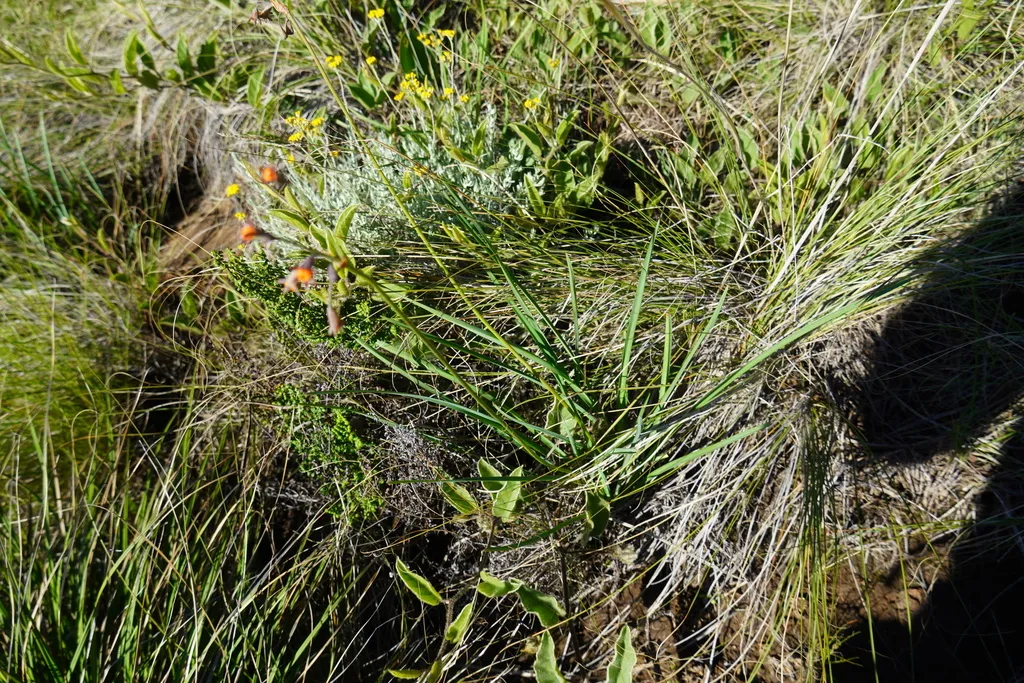
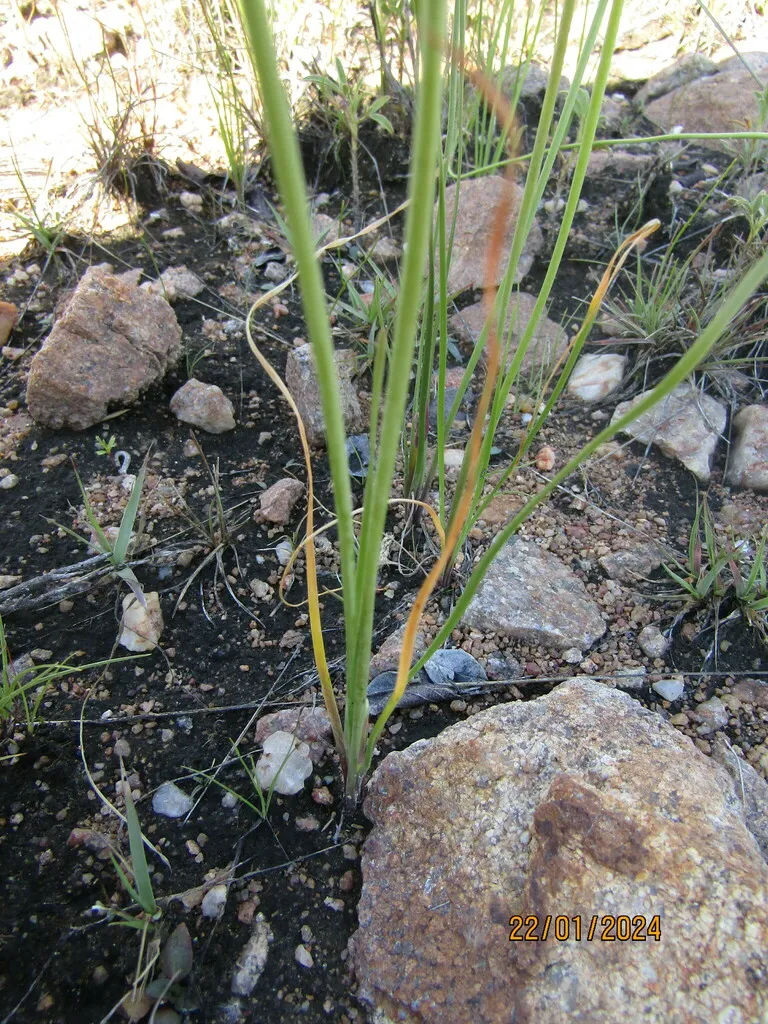
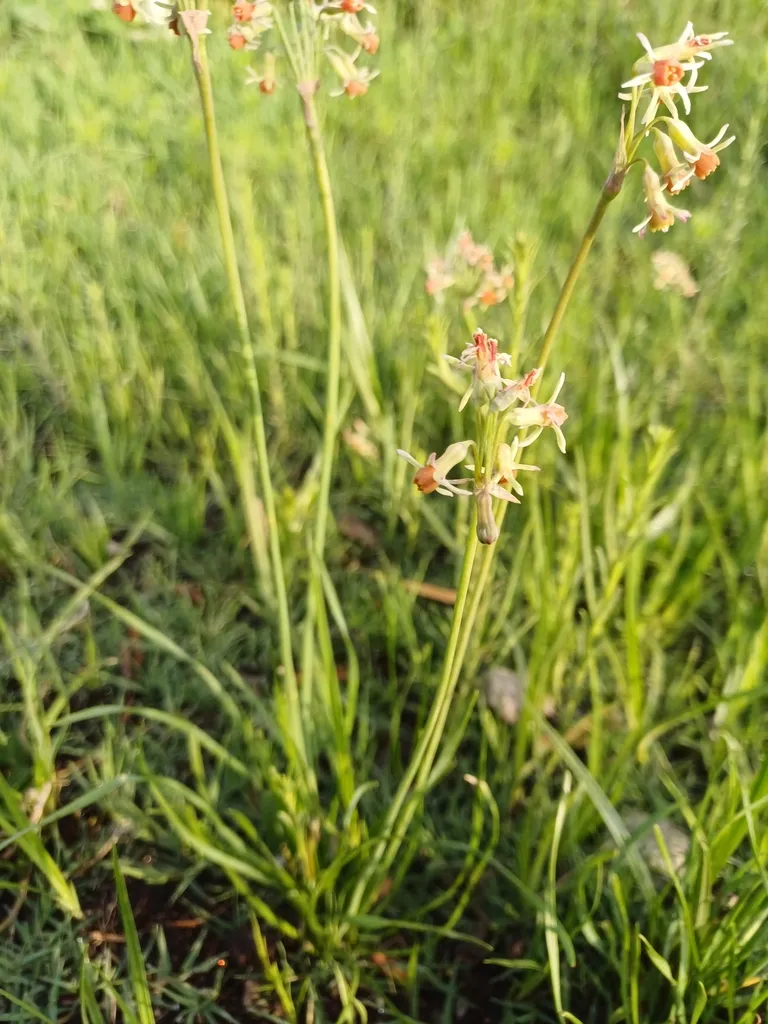
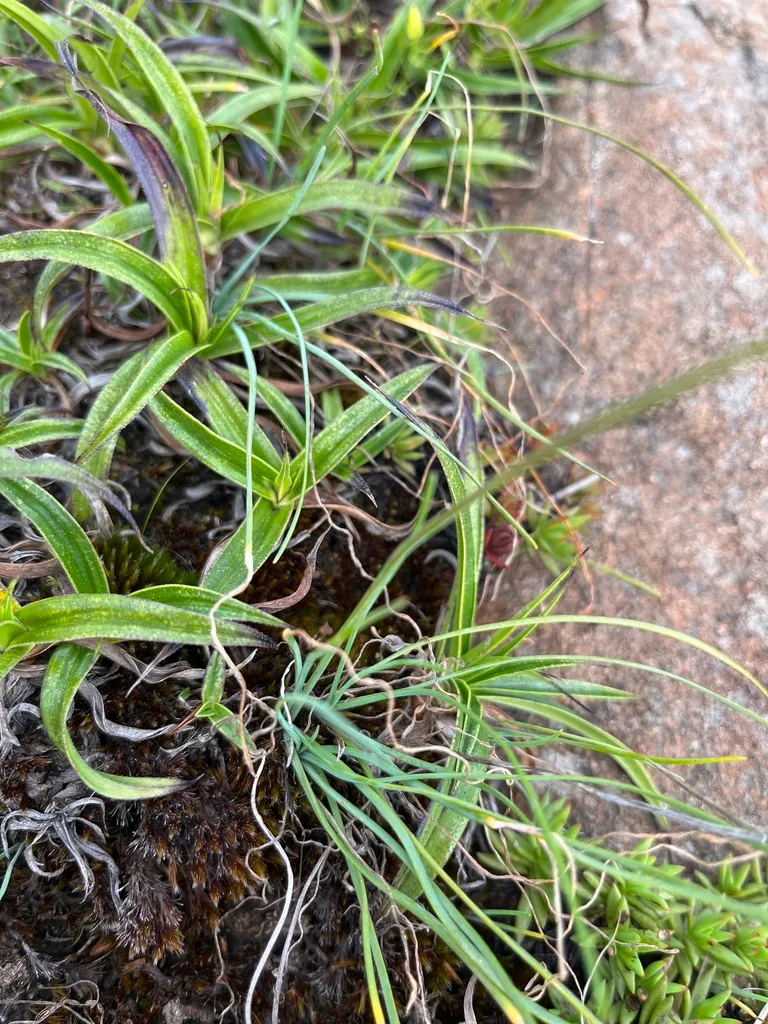
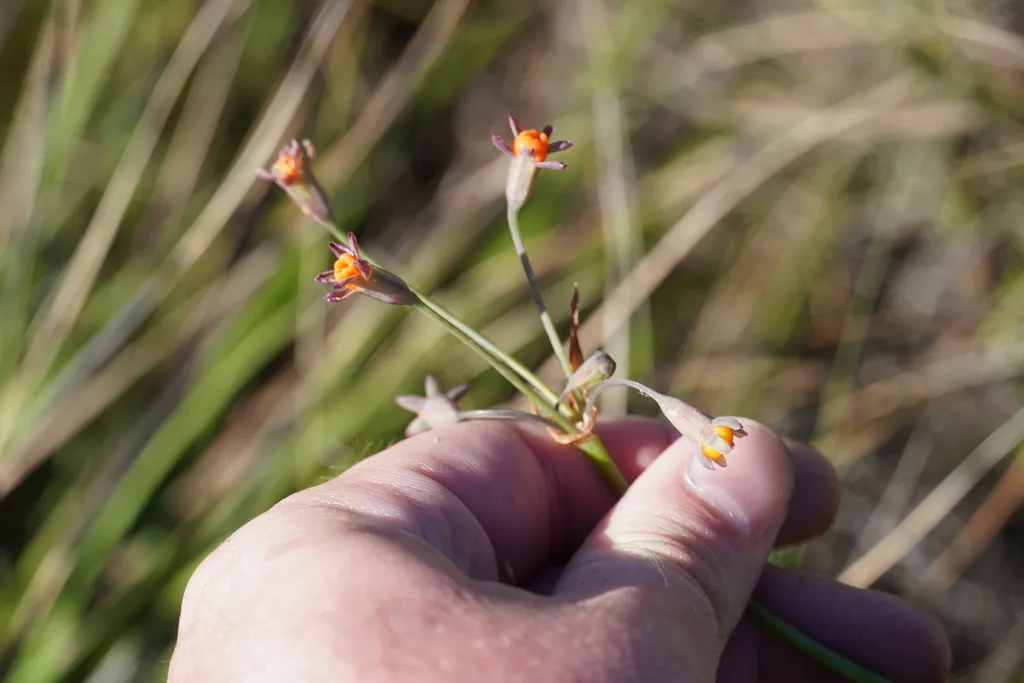
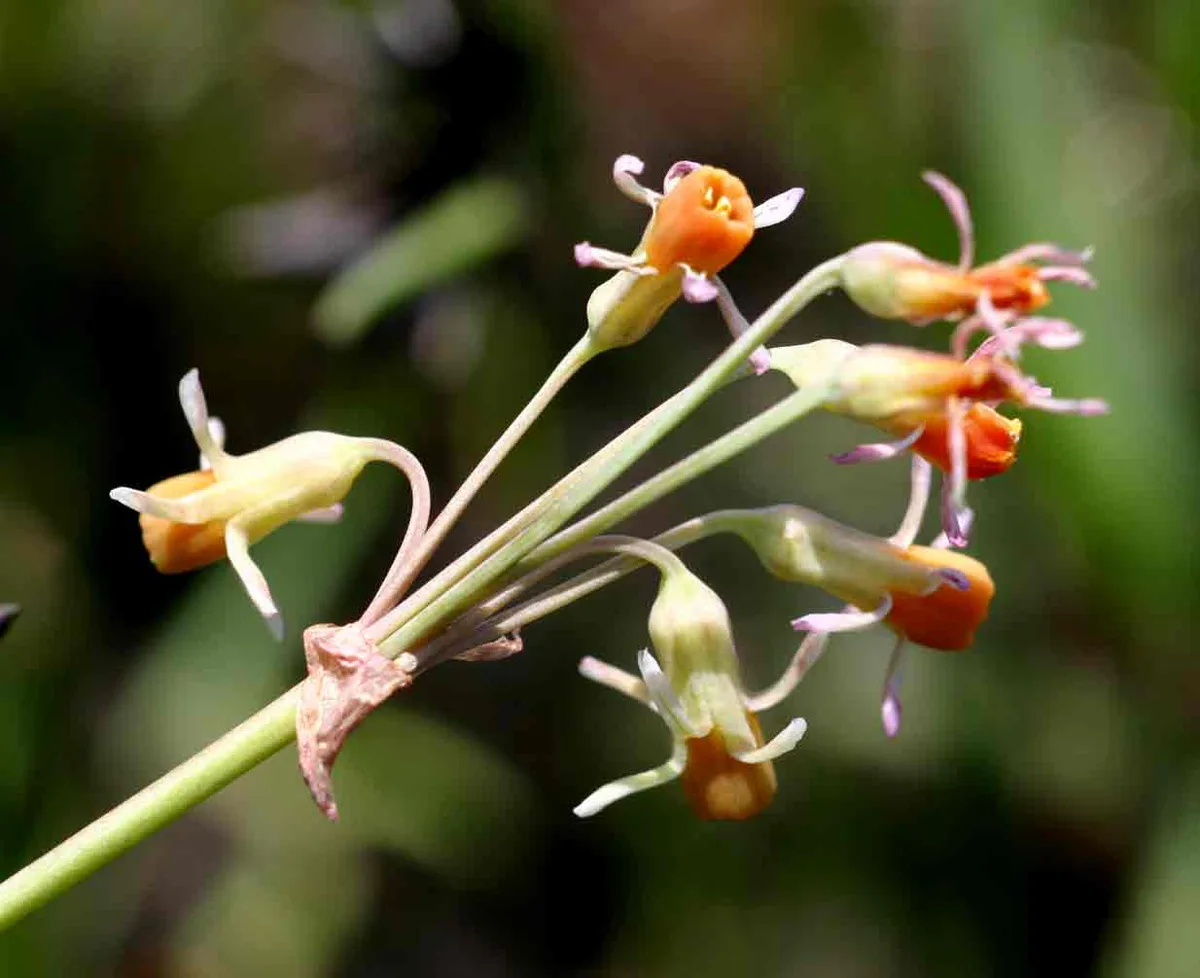
A semi-evergreen, clump-forming perennial with basal rosettes of narrow, grass-like leaves to 40cm long, with a scent similar to garlic. Produces clusters of small flowers, with greenish-white petals and fleshy orange coronas, on upright stems in summer
Scientific classification
- Species
- Tulbaghia leucantha (Tulbaghia leucantha)
- Genus
- Tulbaghia
- Family
- Amaryllidaceae
- Information to be completed
- Toxicity
- Alpine Rockery · Conservatory Greenhouse
- Plant type
- 0.1-0.5 metres
- Height
- 0.1-0.5 metres
- Spread
- Semi evergreen
- Foliage
- Clump forming · Tufted
- Habit
- Spring · Summer · Autumn · Winter
- Season of interest
- Full sun
- Sunlight
- Information to be completed
- Ideal temperature









Tulbaghia leucantha pictures
Distribution of Tulbaghia leucantha
Distribution map
Information to be completed
Information to be completed
Culture
Information to be completed
Toxicity
Information to be completed
Quick identification of Tulbaghia leucantha
Information to be completed
Tulbaghia leucantha care guide
- Moderate regular watering, allowing brief slight drying between soakings
- Watering
- Full sun
- Sunlight
- Information to be completed
- Ideal temperature

Watering
Moderate regular watering, allowing brief slight drying between soakings
Fertilizing
 Fertilizing
Balanced perennial feed every four weeks from spring through summer
Pruning
 Pruning
No pruning required
Propagation
 Propagation
Propagate by seed, or by division in spring
Growing
 Growing
In mild, frost free areas, grow outdoors in moderately fertile, well drained soil in full sun. In colder areas grow under glass, or in containers that can be moved indoors over winter, in well-drained, loam-based compost in full light. Water freely when in growth, reduce water when in flower and keep almost dry when dormant
People also ask
Information to be completed
Common pests and diseases
Diseases
Generally disease-free
Pests
May be susceptible to aphids and glasshouse whitefly
Explore the plant health library →




