
low-growing tulip
Also known as: Information to be completed
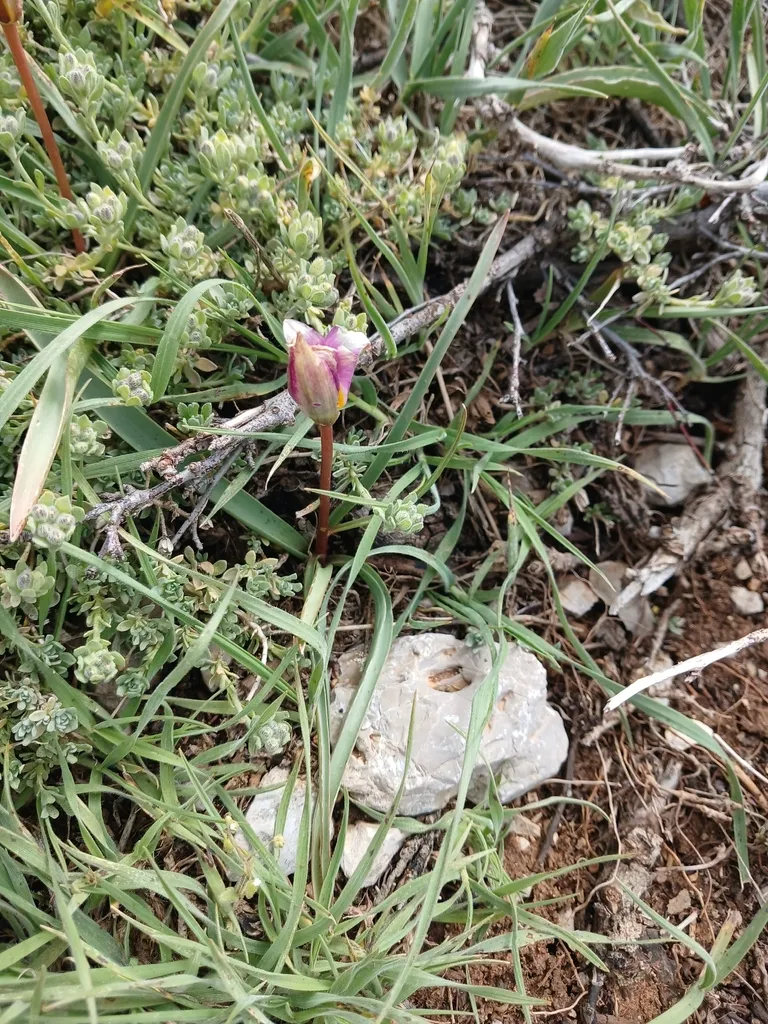
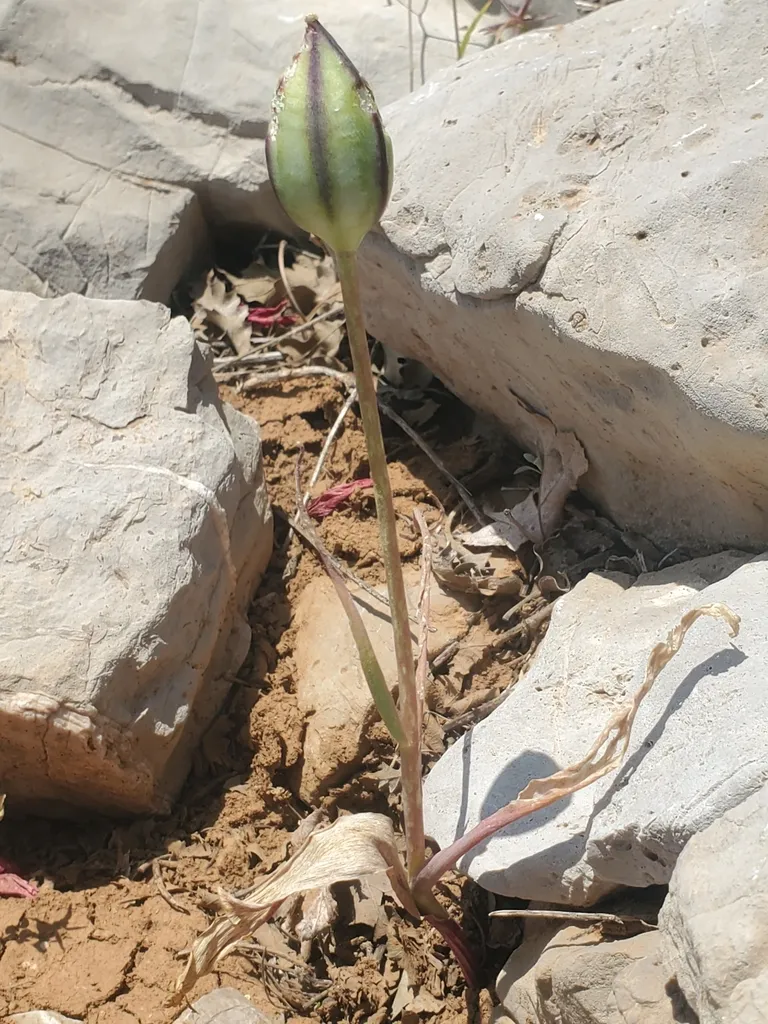
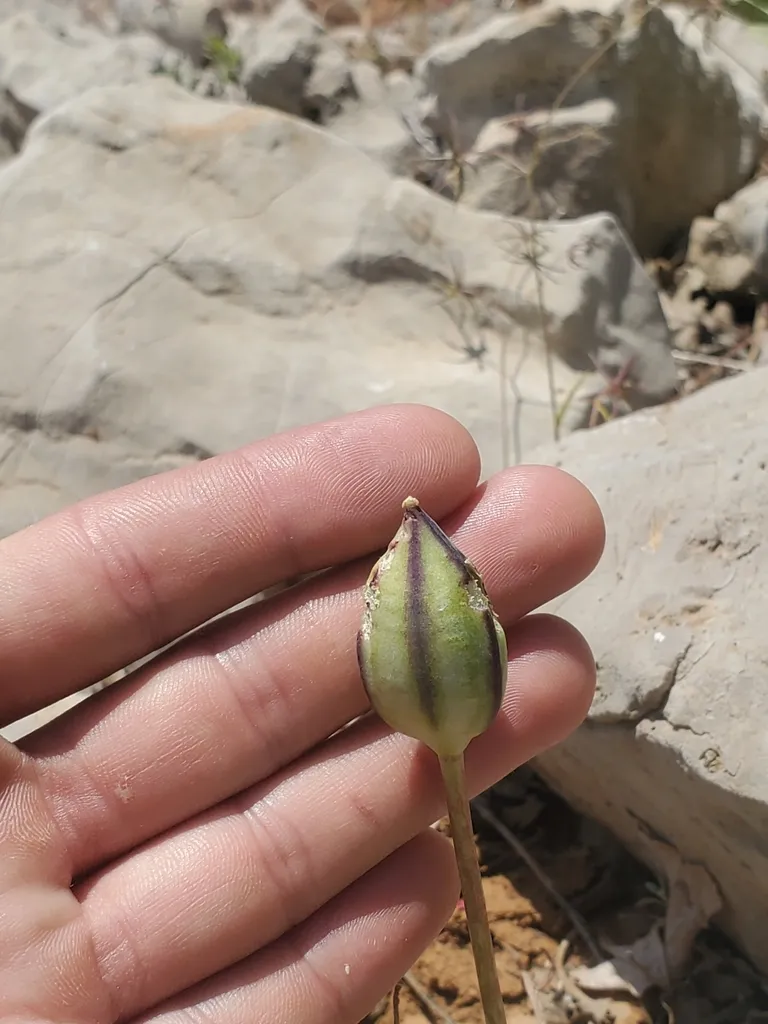
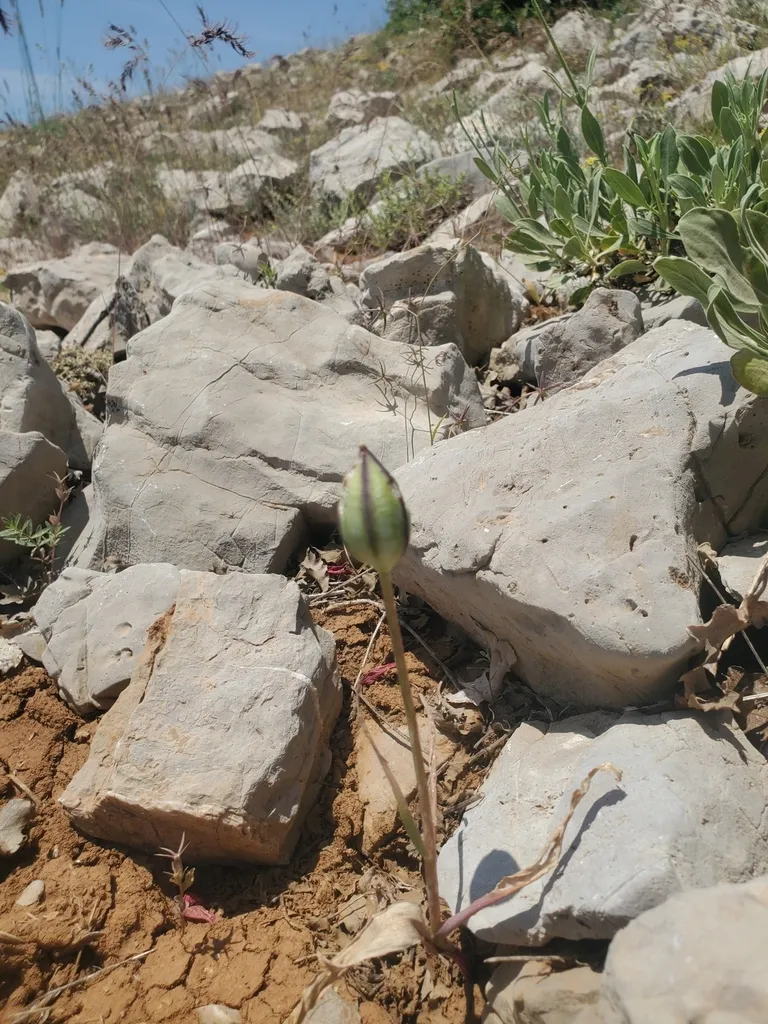
A very variable species, a bulbous perennial up to 25cm high with two to five linear glaucous leaves, up to 15cm long, and star-shaped flowers, up to 7cm across, in early spring and mid-spring. The tepals may vary from very pale pink to very dark purplish-pink, and are often tinged grey-green outside, with yellow, olive-green, or blue-black basal marks, edged with yellow or white. The stamens have yellow or purple filaments and yellow, brown, purple or black anthers
Scientific classification
- Species
- low-growing tulip (Tulipa humilis)
- Genus
- Tulipa
- Family
- Liliaceae
- Order
- Liliales
- Class
- Liliopsida
- Phylum
- Magnoliophyta
- Harmful if eaten, skin allergen. Wear gloves and other protective equipment when handling]
- Toxicity
- Bulbs
- Plant type
- 0.1-0.5 metres
- Height
- 0.1-0.5 metres
- Spread
- Deciduous
- Foliage
- Clump forming
- Habit
- Spring
- Season of interest
- Full sun
- Sunlight
- Information to be completed
- Ideal temperature









low-growing tulip pictures
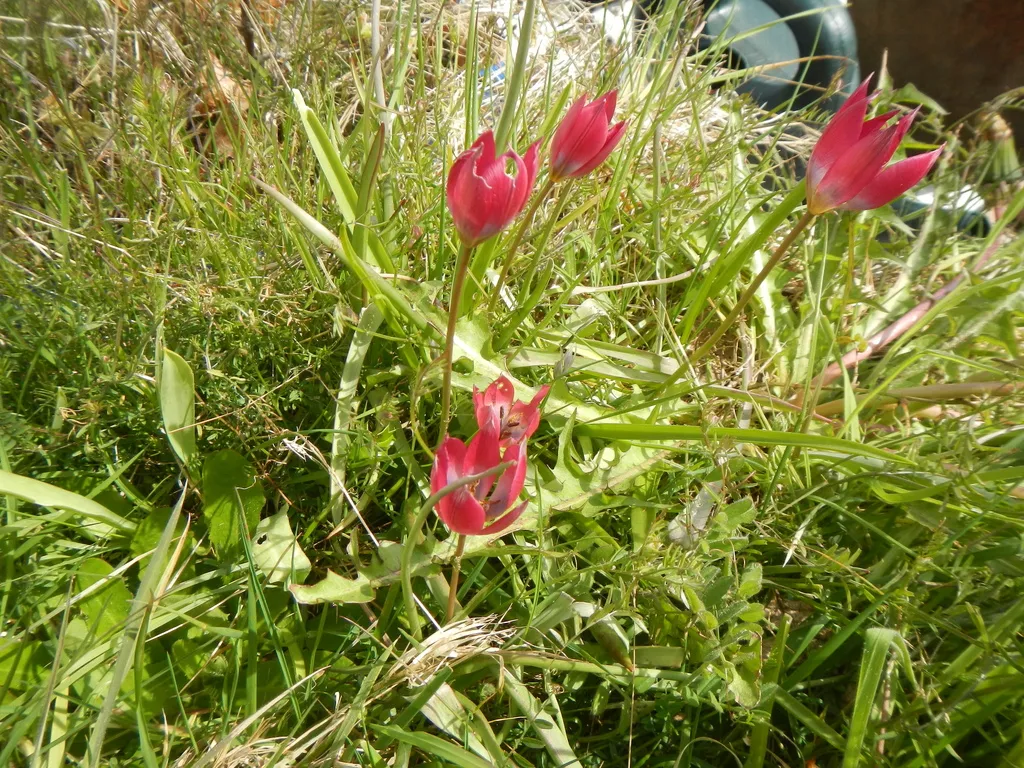
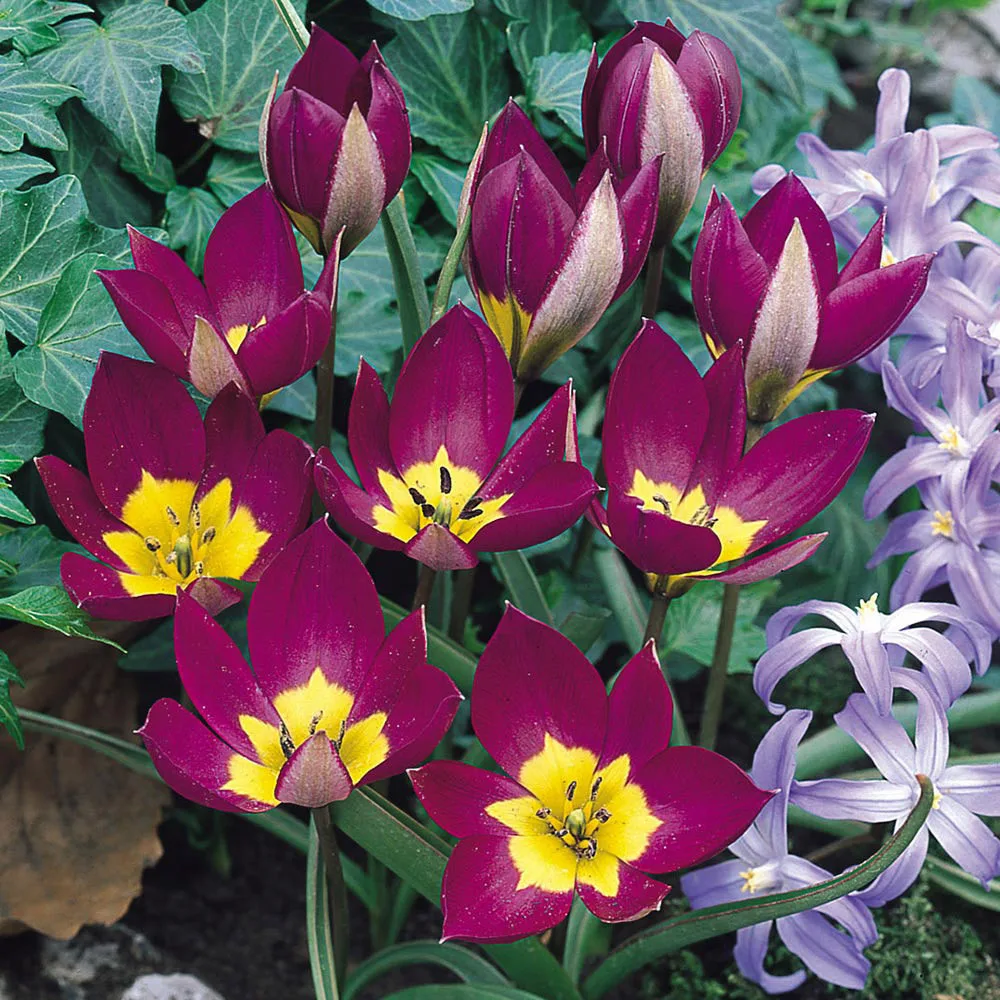
Distribution of low-growing tulip
Distribution map
- Native
- Introduced
- Cultivated
Source:WCVP v16 · Royal Botanic Gardens, Kew · CC BY 3.0 · Boundaries:WGSRPD / TDWG
Toxicity
Harmful if eaten, skin allergen. Wear gloves and other protective equipment when handling]
low-growing tulip care guide
- Water moderately during growth; keep soil moist, then reduce after flowering.
- Watering
- Full sun
- Sunlight

Watering
Water moderately during growth; keep soil moist, then reduce after flowering.
Fertilizing
 Fertilizing
Apply a low-nitrogen bulb fertilizer in early spring and after blooming.
Pruning
 Pruning
No pruning required
Propagation
 Propagation
Propagate by seed, sown in containers in a cold greenhouse or frame in autumn (it may take 4-7 years for flowers to be produced) or by division of offsets, re-planting the larger bulbs and growing on the smaller bulbs in a nursery bed, or by bulb propagation
Growing
 Growing
Plant 15-20cm deep from mid-autumn to late autumn in a rock garden or in containers, in fertile, preferably neutral or alkaline soil that is free-draining but also able to hold moisture when the bulbs are in full growth, in full sun and with shelter from strong winds; in summer, remove old yellow foliage, and keep soil dry; for more advice, see tulip cultivation
Common pests and diseases
Diseases
May be susceptible to tulip fire disease, tulip grey bulb rot, and virus diseases; bulbs in storage may be affected by blue mould
Pests
May be susceptible to slugs, aphids and stem and bulb eelworm; squirrels may eat the bulbs
Explore the plant health library →




