
common gorse
Also known as: European furze; French furze; furze; gorse; Irish gorse; thorn broom; whin
A bushy evergreen shrub with very spiny much-branched stems and solitary coconut-scented bright yellow flowers 2cm in length, mainly in winter and spring, followed by slender black seed-pods
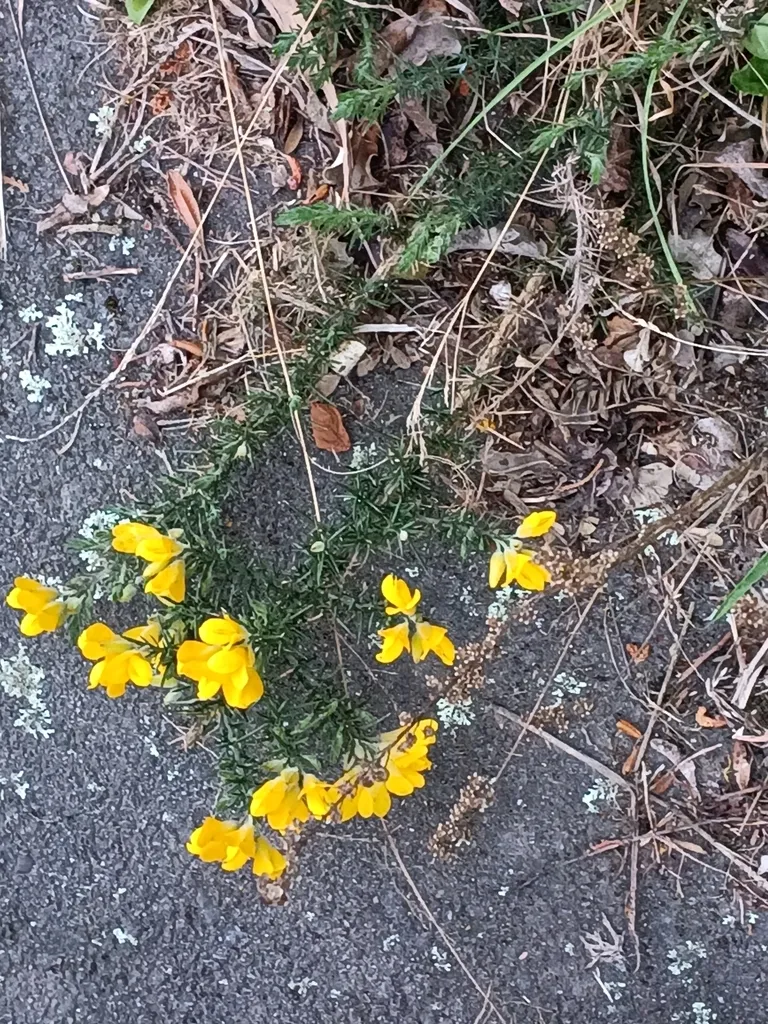
Scientific classification
- Species
- common gorse (Ulex europaeus)
- Genus
- Ulex
- Family
- Fabaceae
- Information to be completed
- Toxicity
- Shrubs
- Plant type
- 1.5-2.5 metres
- Height
- 1.5-2.5 metres
- Spread
- Evergreen
- Foliage
- Bushy
- Habit
- Spring · Summer · Autumn · Winter
- Season of interest
- Full sun
- Sunlight
- Information to be completed
- Ideal temperature









common gorse pictures
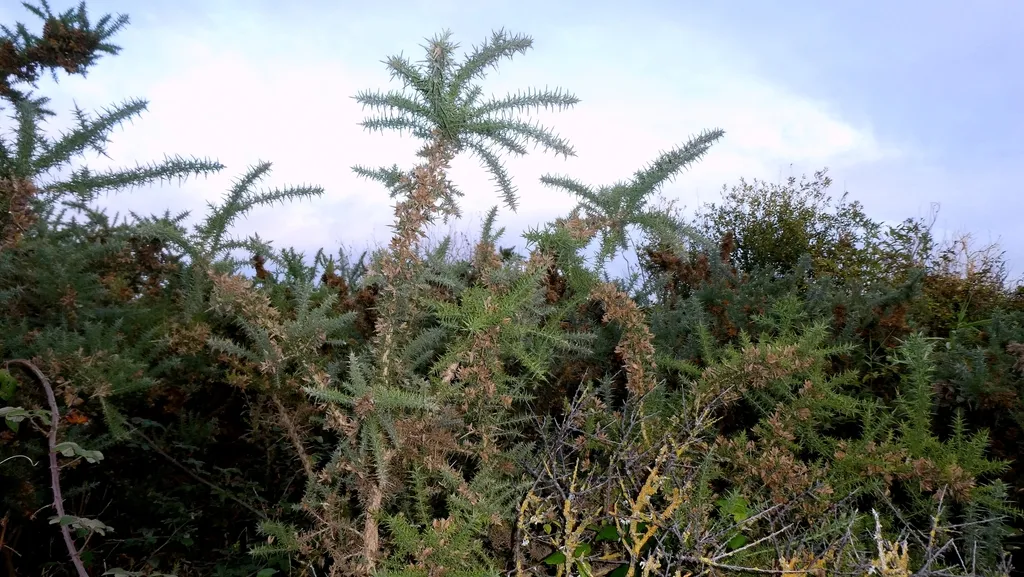
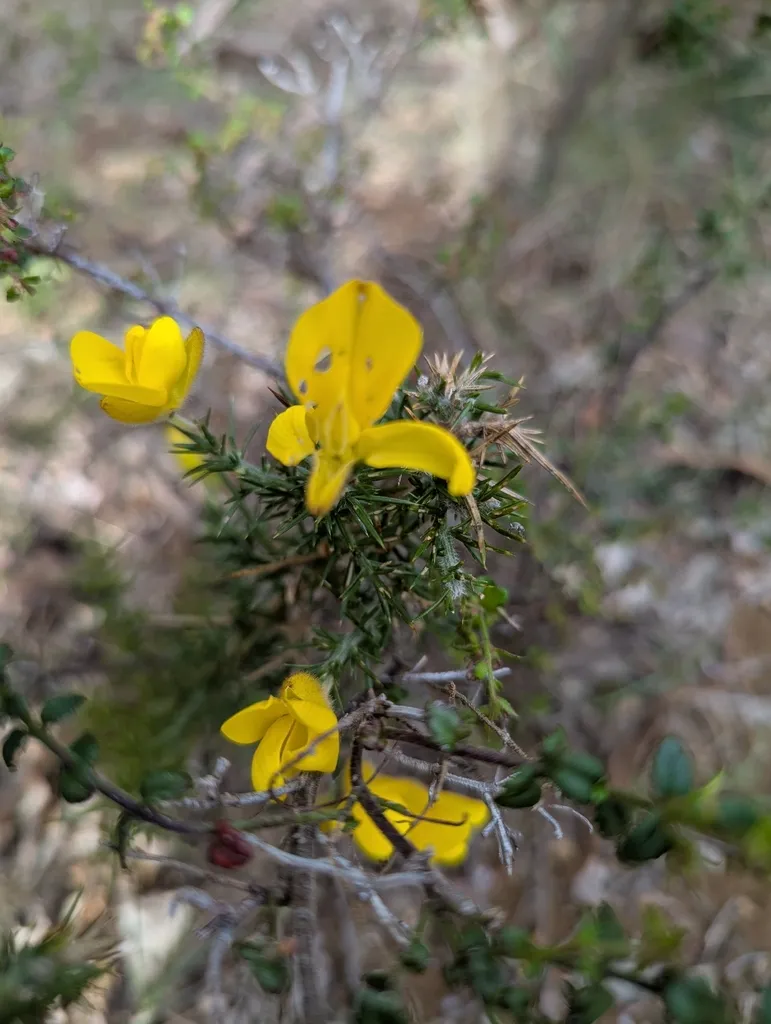
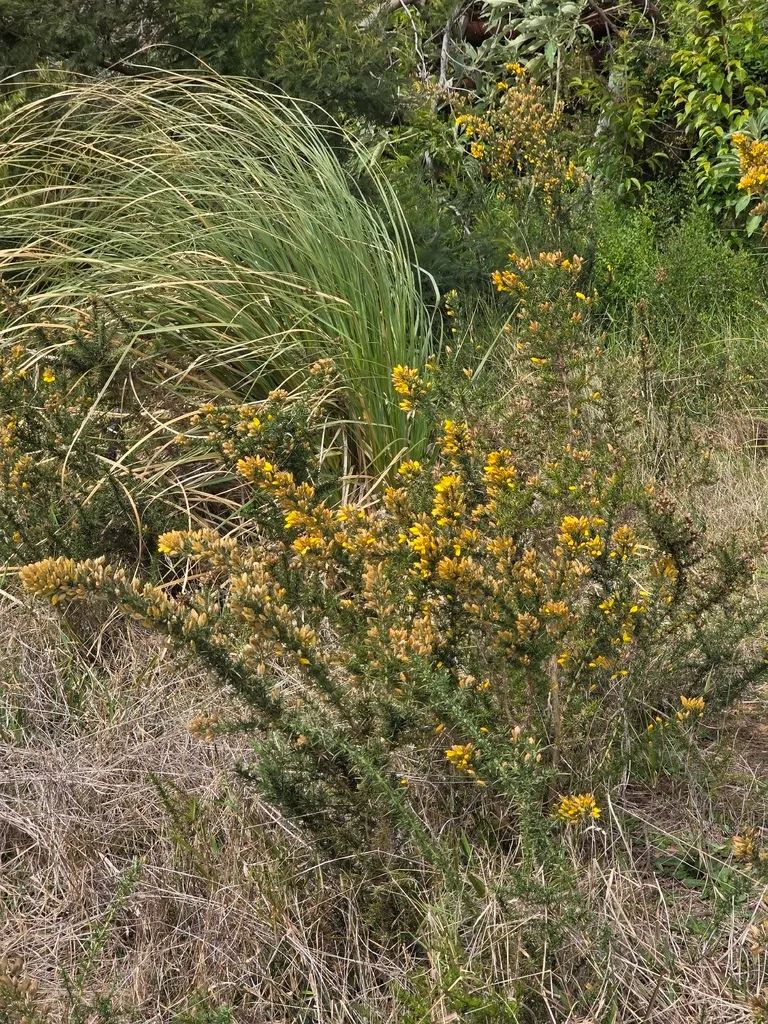
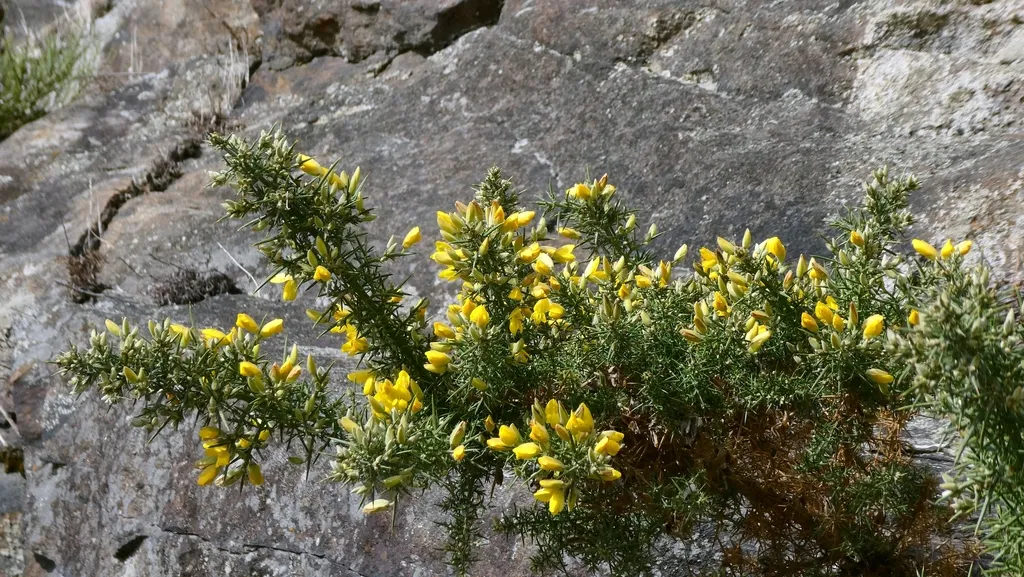
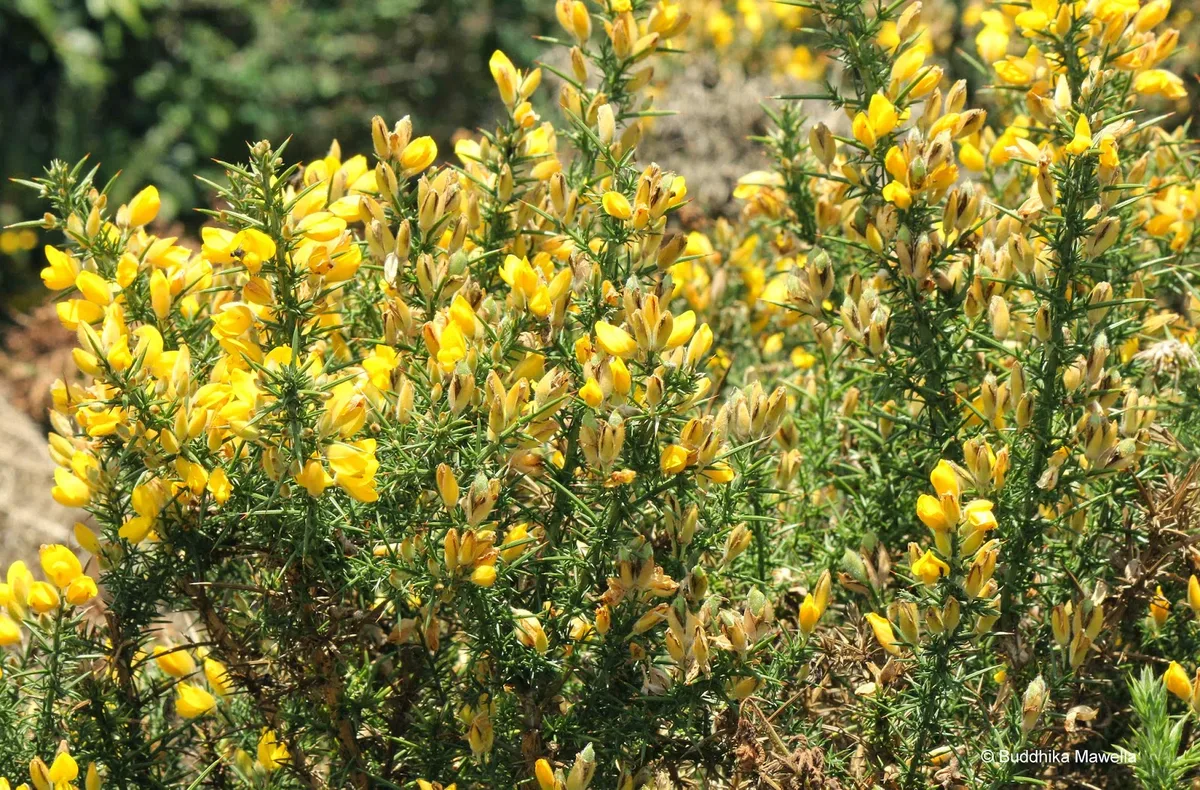
Distribution of common gorse
Distribution map
W and Central Europe
Information to be completed
Culture
Information to be completed
Toxicity
Information to be completed
Quick identification of common gorse
Information to be completed
common gorse care guide
- Moderate regular watering, allowing brief slight drying between soakings
- Watering
- Full sun
- Sunlight
- Information to be completed
- Ideal temperature

Watering
Moderate regular watering, allowing brief slight drying between soakings
Fertilizing
 Fertilizing
Balanced perennial feed every four weeks from spring through summer
Pruning
 Pruning
Shorten flowered shoots to about 1.5–2.5 cm from the previous year's growth. If flowering is on last year's growth, prune after flowering; if on current-year growth, prune the following early to mid-spring.
Propagation
 Propagation
Propagate by seed or semi-hardwood cuttings
Growing
 Growing
Grow in poor sandy soil in full sun. Will become leggy in rich soils
People also ask
Information to be completed
Common pests and diseases
Diseases
May be susceptible to honey fungus in gardens where it is present but insufficient data to determine degree of susceptibility
Pests
Generally pest-free
Explore the plant health library →




