
cabbage head agave
Also known as: Information to be completed
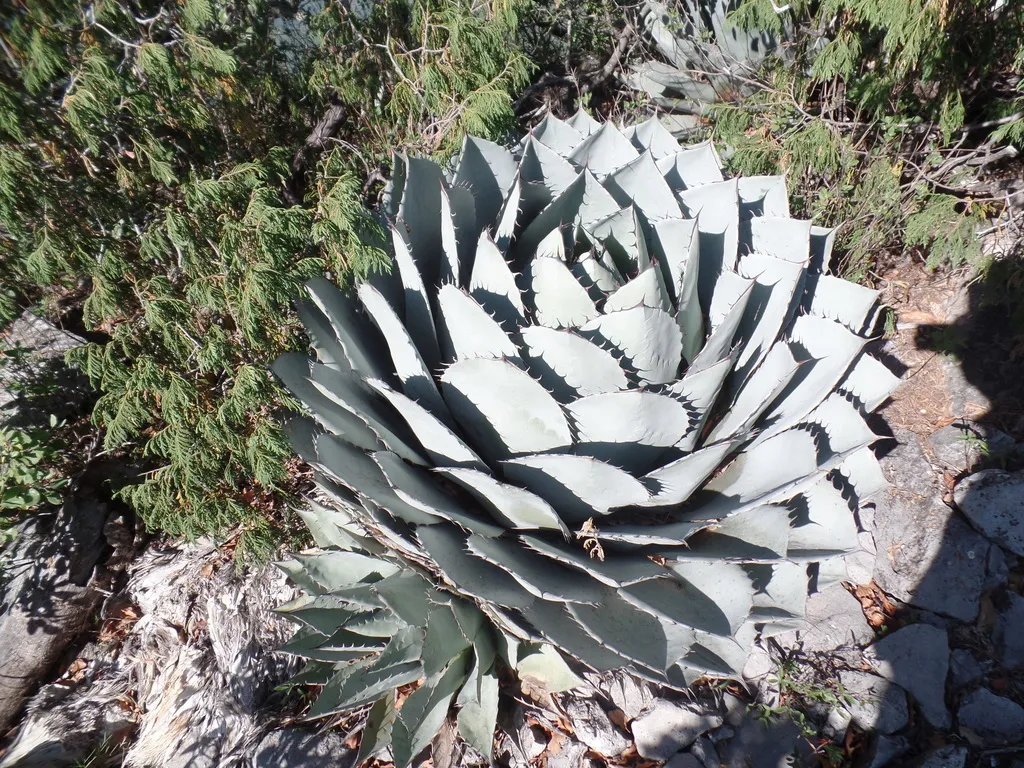
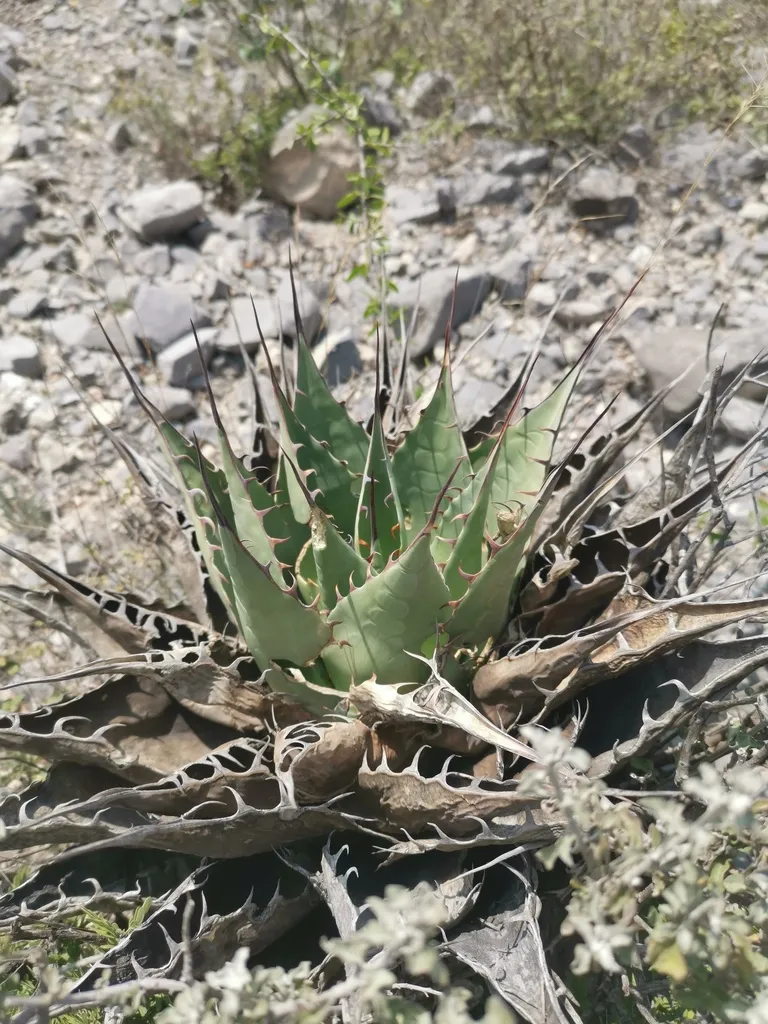
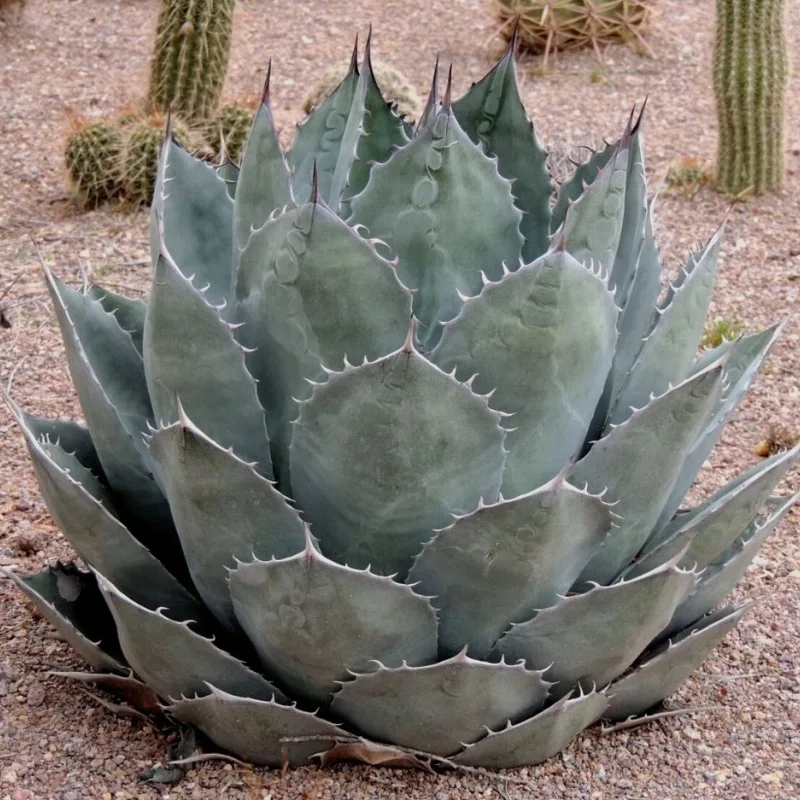
A slow-growing, rosette-forming, compact succulent to 60cm tall and wide. The short and broad, waxy, overlapping leaves are a pale blue-green with hooked teeth along the margins. After a number of years, flowers that are red in bud, but opening to yellow, are borne in panicles on sturdy stems reaching up to 6m high
Scientific classification
- Species
- cabbage head agave (Agave parrasana)
- Genus
- Agave
- Family
- Asparagaceae
- Order
- Asparagales
- Class
- Liliopsida
- Phylum
- Magnoliophyta
- Skin irritant. Wear gloves and other protective equipment when handling
- Toxicity
- Cactus Succulent · Conservatory Greenhouse
- Plant type
- 0.5-1 metres
- Height
- 0.5-1 metres
- Spread
- Evergreen
- Foliage
- Bushy
- Habit
- Spring · Summer · Autumn · Winter
- Season of interest
- Full sun
- Sunlight
- Information to be completed
- Ideal temperature









cabbage head agave pictures
Distribution of cabbage head agave
Distribution map
- Native
- Introduced
- Cultivated
Source:WCVP v16 · Royal Botanic Gardens, Kew · CC BY 3.0 · Boundaries:WGSRPD / TDWG
Toxicity
Skin irritant. Wear gloves and other protective equipment when handling
cabbage head agave care guide
- Deep soak then full substrate drying before next agave watering cycle
- Watering
- Full sun
- Sunlight

Watering
Deep soak then full substrate drying before next agave watering cycle
Fertilizing
 Fertilizing
Weak low-nitrogen succulent feed monthly only hot summer months
Pruning
 Pruning
No pruning required
Propagation
 Propagation
Propagate by seed, or remove offsets
Growing
 Growing
Grow under glass in cactus compost in full light. Water freely in summer, giving a low-nitrogen feed three or four times. Water less in autumn and keep dry in winter. Can move outdoors for summer. See houseplant cacti and succulent cultivation for further information
Common pests and diseases
Diseases
Generally disease-free
Pests
May be susceptible to scale insects
Explore the plant health library →




