
Kamchatka bilberry
Also known as: Information to be completed
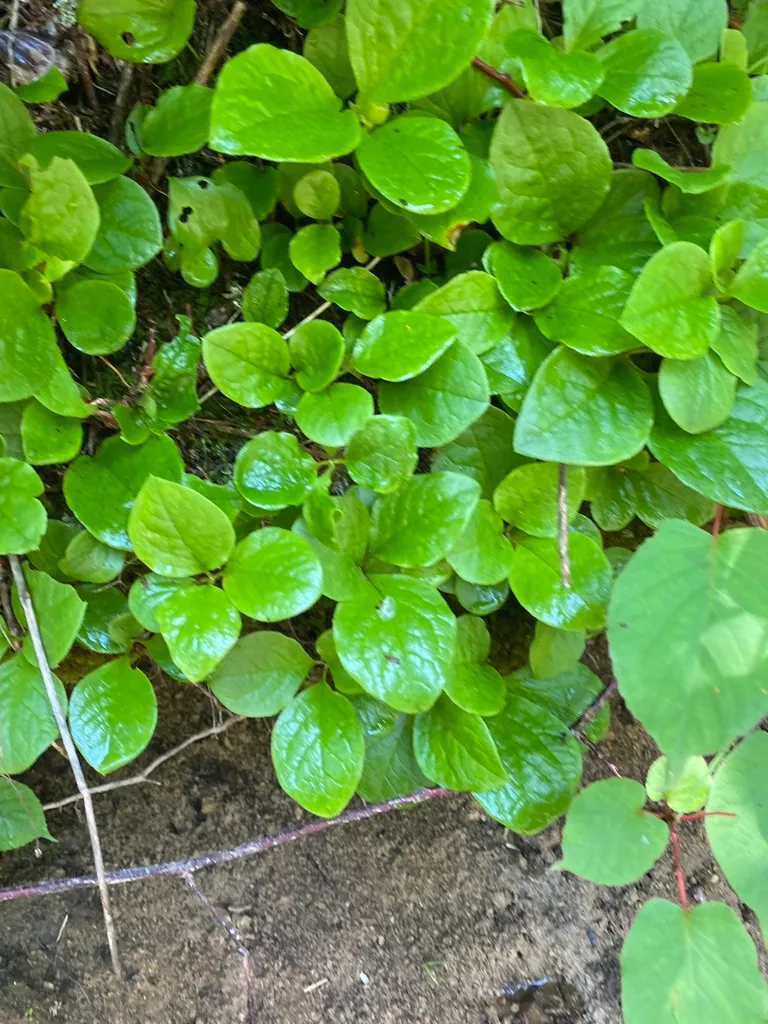
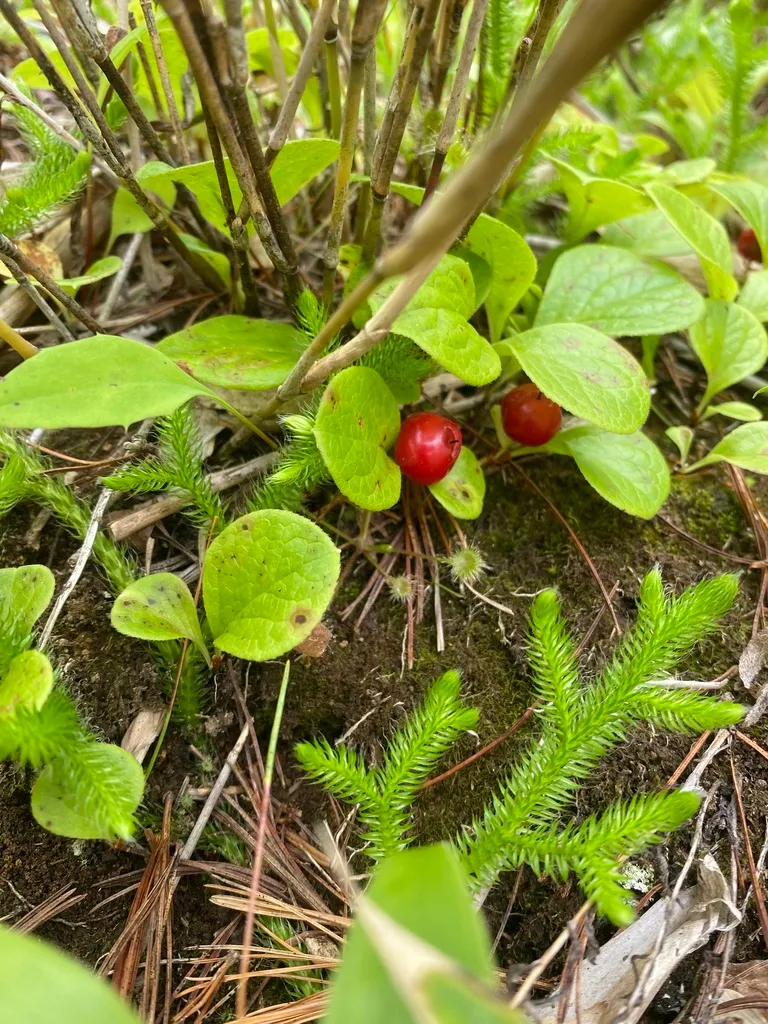
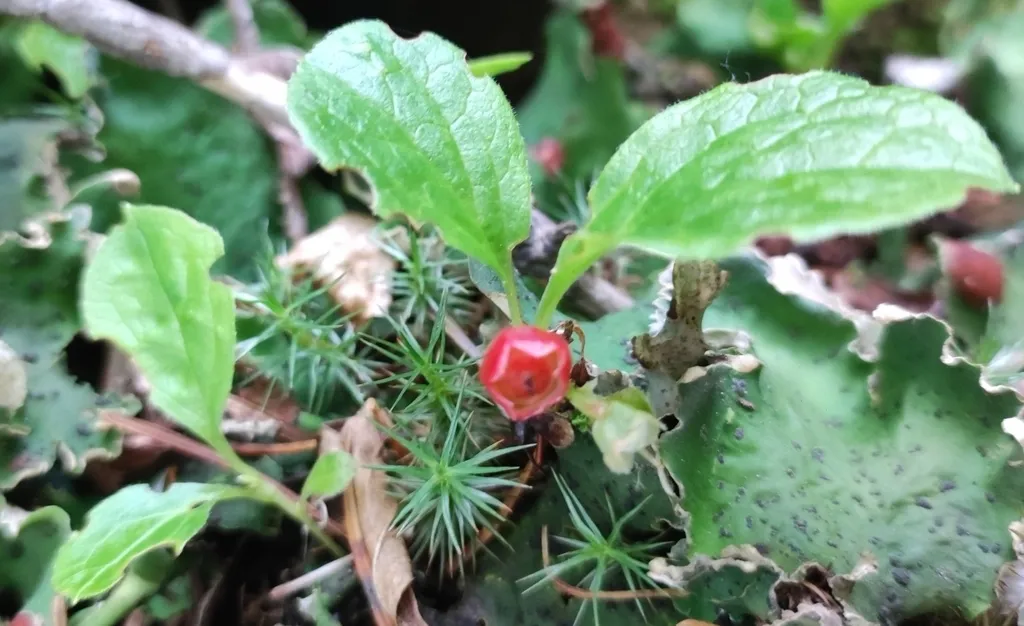
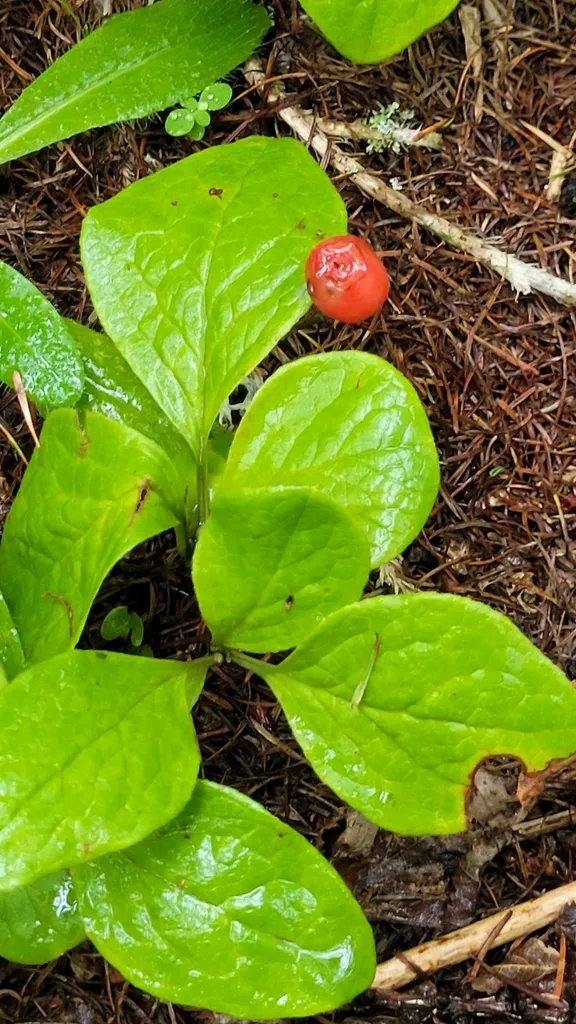
A low-growing spreading deciduous shrub making good ground cover. It has much larger leaves than most Vacciniums. The leaves are green variously tinged with red. The flowers are white or pink small bells and develop into bright red highly edible berries.
Scientific classification
- Species
- Kamchatka bilberry (Vaccinium praestans)
- Genus
- Vaccinium
- Family
- Ericaceae
- Order
- Ericales
- Class
- Magnoliopsida
- Phylum
- Magnoliophyta
- Information to be completed
- Toxicity
- Fruit Edible
- Plant type
- 0.1-0.5 metres
- Height
- 0.1-0.5 metres
- Spread
- Deciduous
- Foliage
- Matforming
- Habit
- Autumn · Spring · Summer
- Season of interest
- Full sun · Partial shade
- Sunlight
- Information to be completed
- Ideal temperature









Kamchatka bilberry pictures
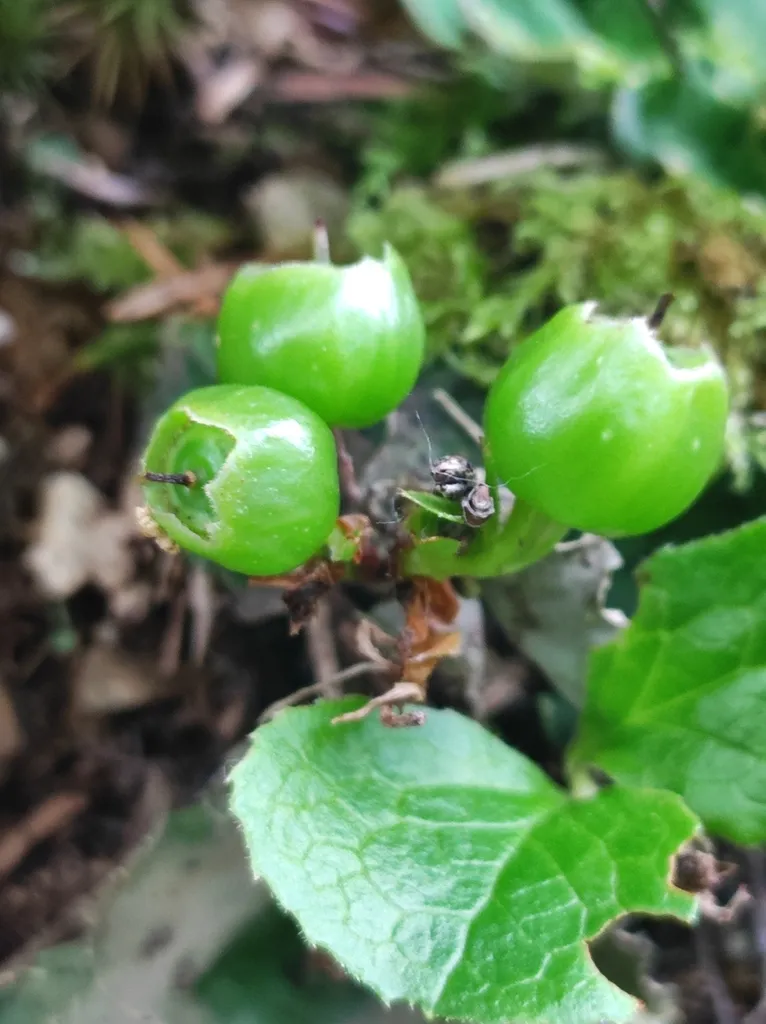
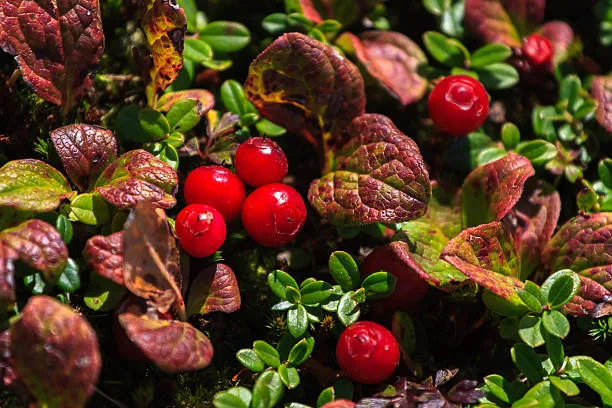
Distribution of Kamchatka bilberry
Distribution map
- Native
- Introduced
- Cultivated
Source:WCVP v16 · Royal Botanic Gardens, Kew · CC BY 3.0 · Boundaries:WGSRPD / TDWG
Kamchatka bilberry care guide
- Moderate regular watering, allowing brief slight drying between soakings
- Watering
- Full sun · Partial shade
- Sunlight

Watering
Moderate regular watering, allowing brief slight drying between soakings
Fertilizing
 Fertilizing
Balanced perennial feed every four weeks from spring through summer
Pruning
 Pruning
No pruning required
Propagation
 Propagation
Propagate by softwood cuttings in late spring or semi-ripe cuttings in summer
Growing
 Growing
Grow in moist but well-drained acidic soil. Choose a sheltered site in full sun or light shade in the north, light shade in the south.
Common pests and diseases
Diseases
May be susceptible to honey fungus (rarely), powdery mildews, root rot and chlorosis due to iron and manganese deficiency; see nutrient deficiencies
Pests
Generally pest-free
Explore the plant health library →




