
forest lily
Also known as: unicorn root
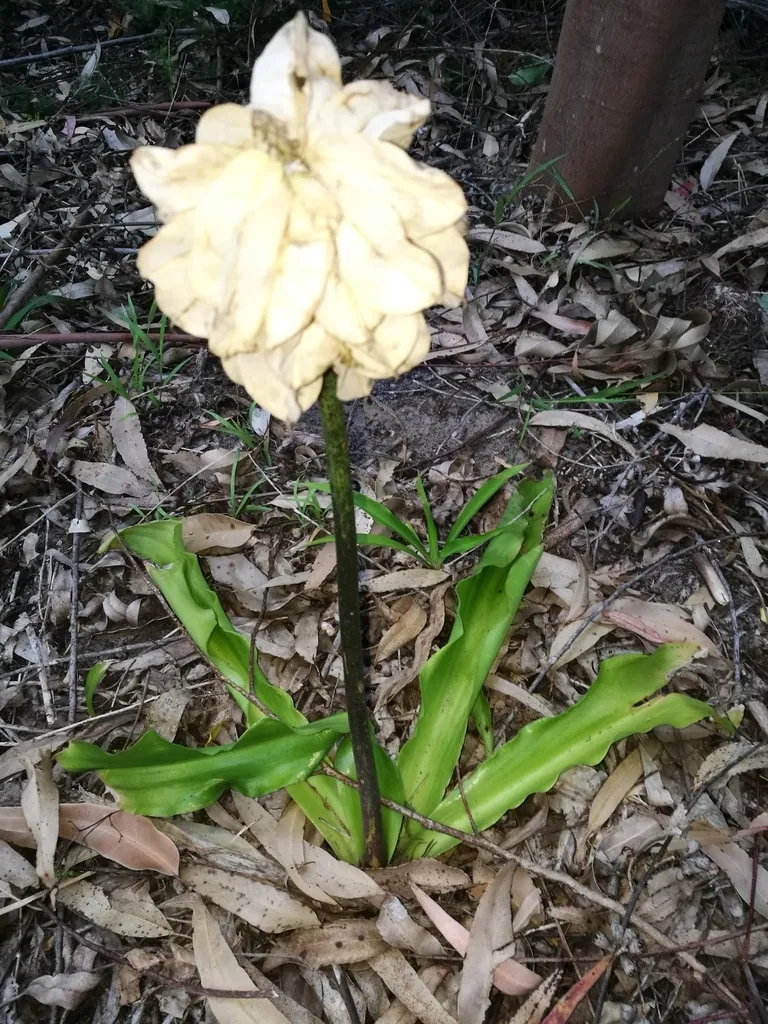
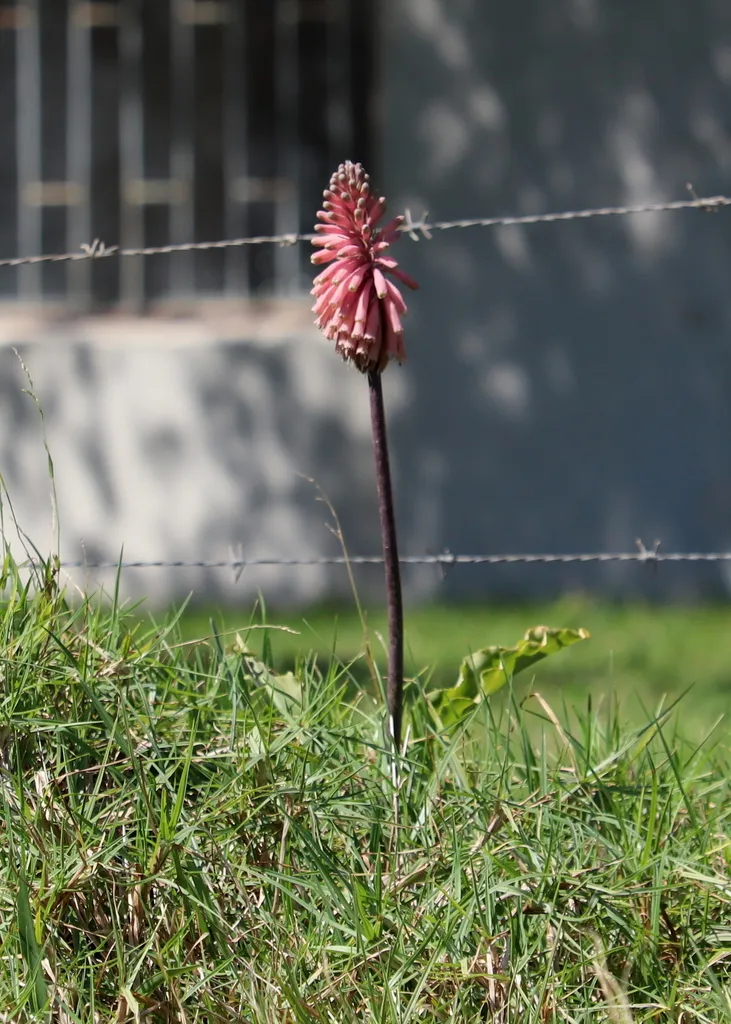
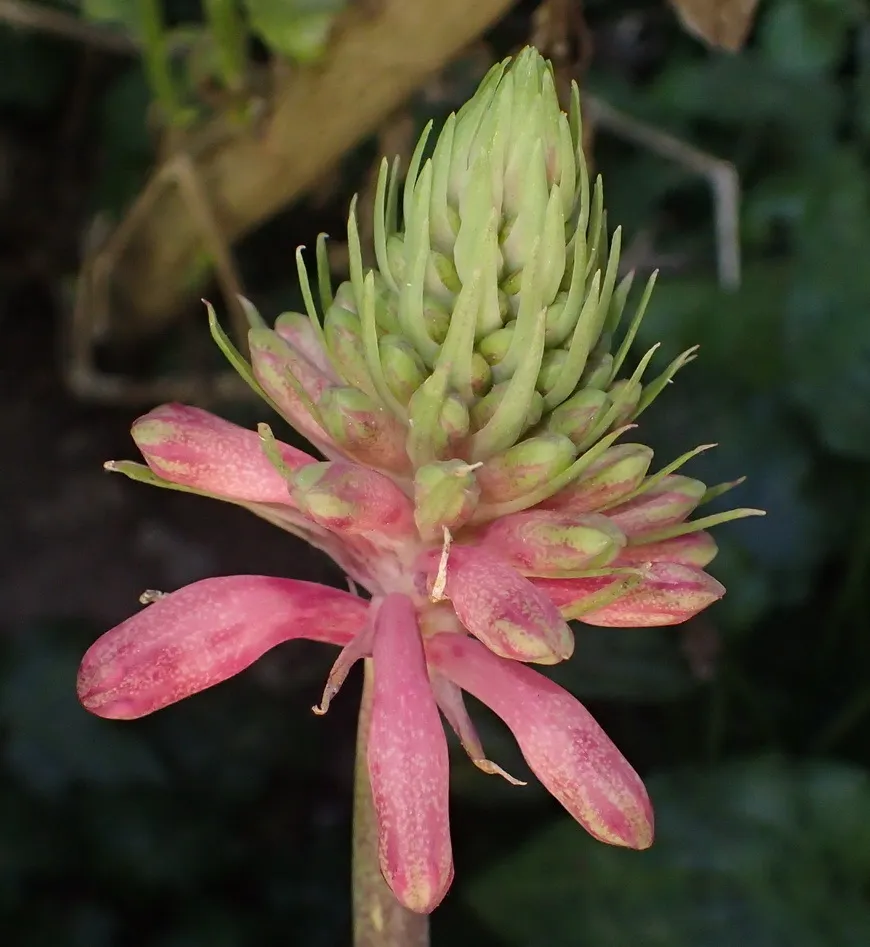
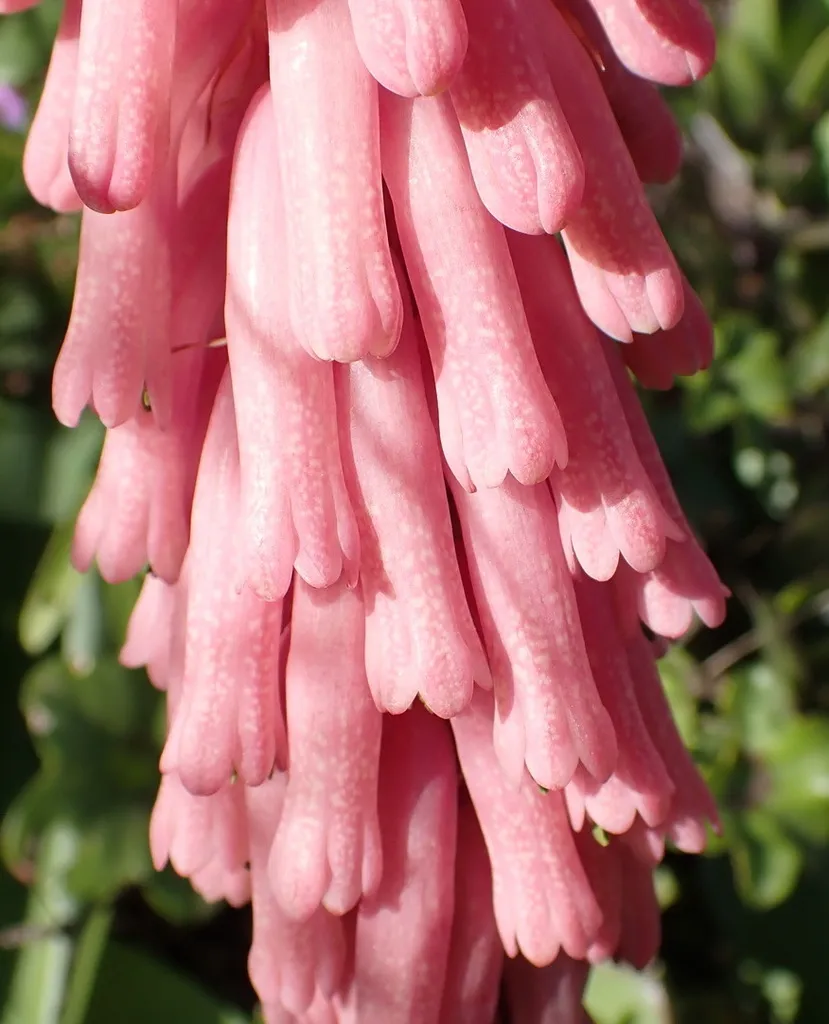
A bulbous perennial to 45cm with a basal rosette of strap-shaped, undulate, glossy leaves, and spike-like racemes of tubular pink flowers on stout erect purplish stems
Scientific classification
- Species
- forest lily (Veltheimia bracteata)
- Genus
- Veltheimia
- Family
- Asparagaceae
- Order
- Asparagales
- Class
- Liliopsida
- Phylum
- Magnoliophyta
- Information to be completed
- Toxicity
- Bulbs · Houseplants · Conservatory Greenhouse
- Plant type
- 0.1-0.5 metres
- Height
- 0.1-0.5 metres
- Spread
- Deciduous
- Foliage
- Clump forming
- Habit
- Spring · Winter
- Season of interest
- Full sun
- Sunlight
- Information to be completed
- Ideal temperature









forest lily pictures
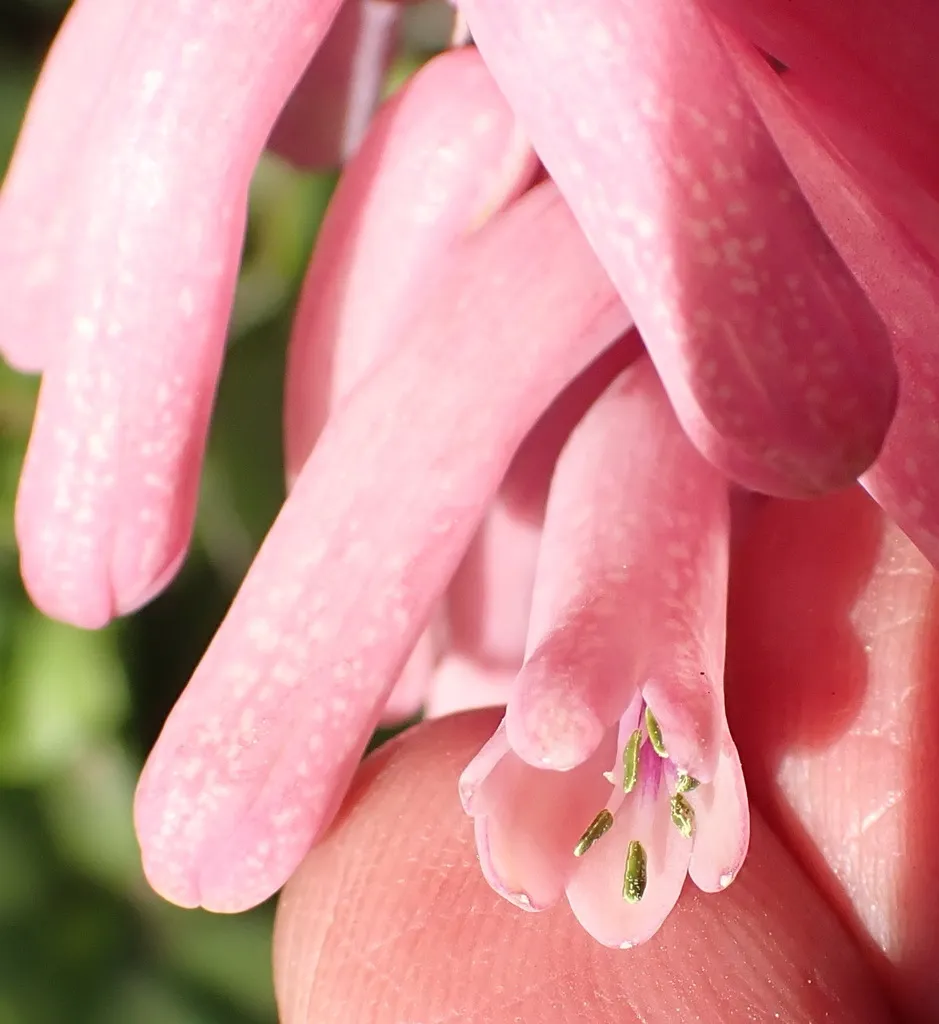
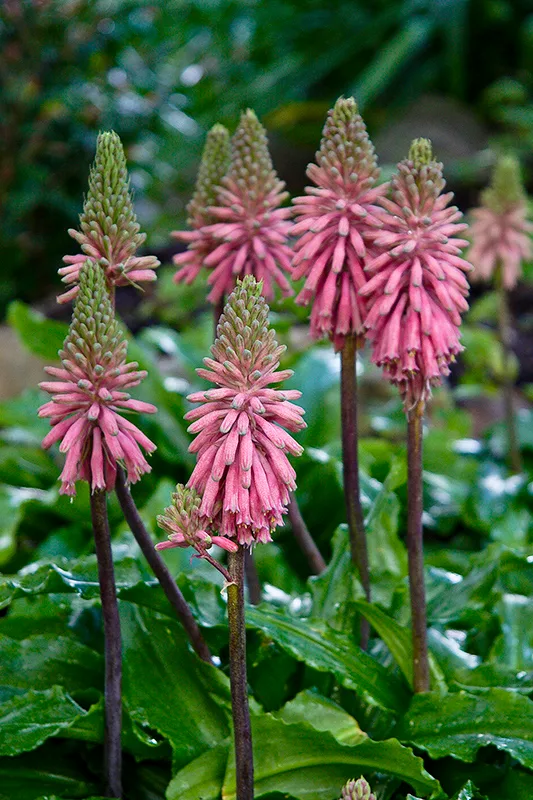
Distribution of forest lily
Distribution map
- Native
- Introduced
- Cultivated
Source:WCVP v16 · Royal Botanic Gardens, Kew · CC BY 3.0 · Boundaries:WGSRPD / TDWG
forest lily care guide
- Moderate regular watering, allowing brief slight drying between soakings
- Watering
- Full sun
- Sunlight

Watering
Moderate regular watering, allowing brief slight drying between soakings
Fertilizing
 Fertilizing
Balanced perennial feed every four weeks from spring through summer
Pruning
 Pruning
Cut back flowers as they fade
Propagation
 Propagation
Propagate by seed in autumn or offsets in late summer
Growing
 Growing
Best container grown in a loam-based compost with added sharp sand and in full sun. Grow under glass but can be placed outside in warm weather. Re-pot only when congested to avoid root disturbance; plant in autumn with neck of bulb just above soil surface. Water freely when in growth and apply a low bitrogen liquid fertilizer every two weeks. Keep just moist when dormant. Needs protection from frost and low temperatures
Common pests and diseases
Diseases
Generally disease free
Pests
Generally pest-free
Explore the plant health library →




