
sand lily
Also known as: winter veltheimia
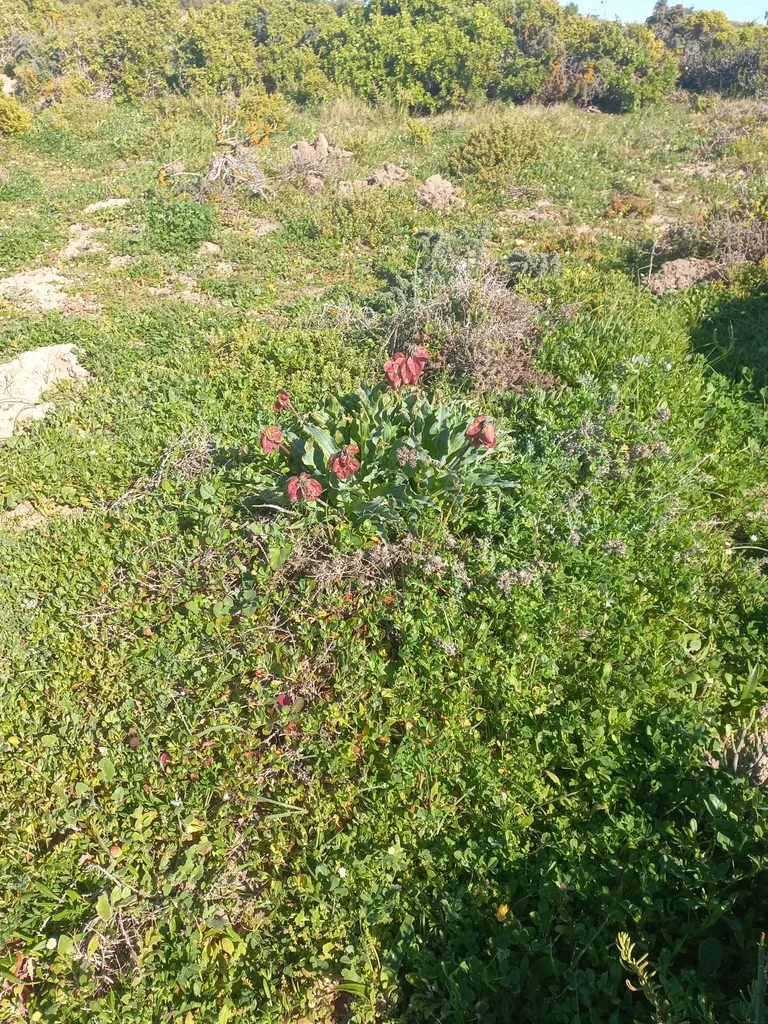
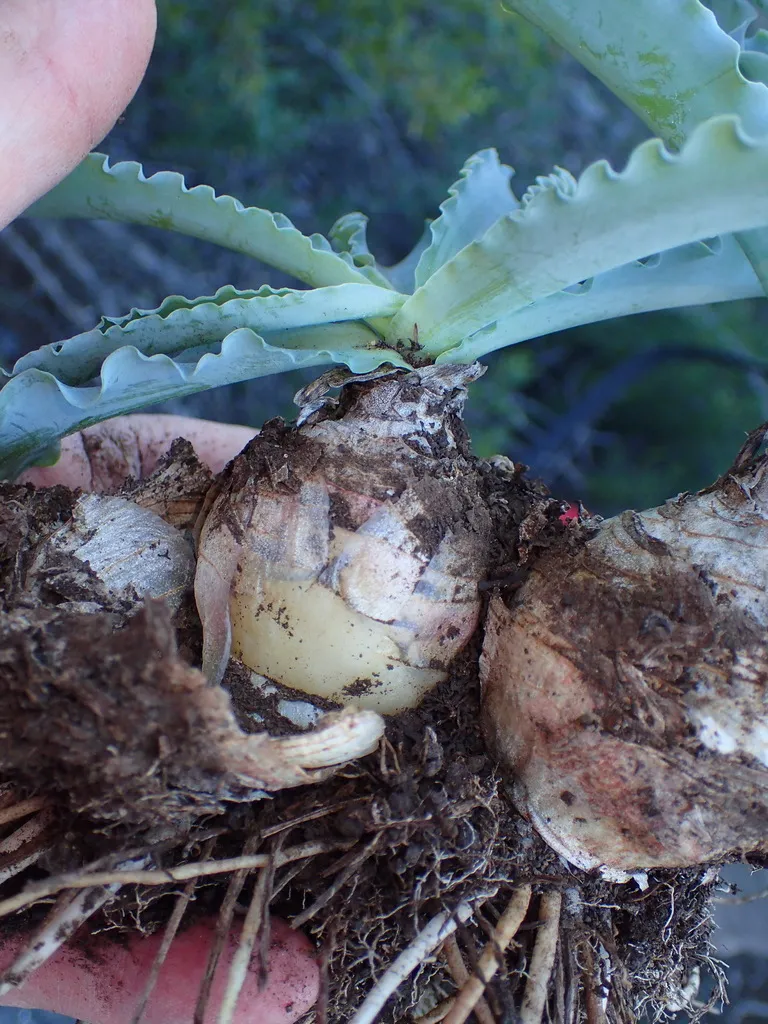
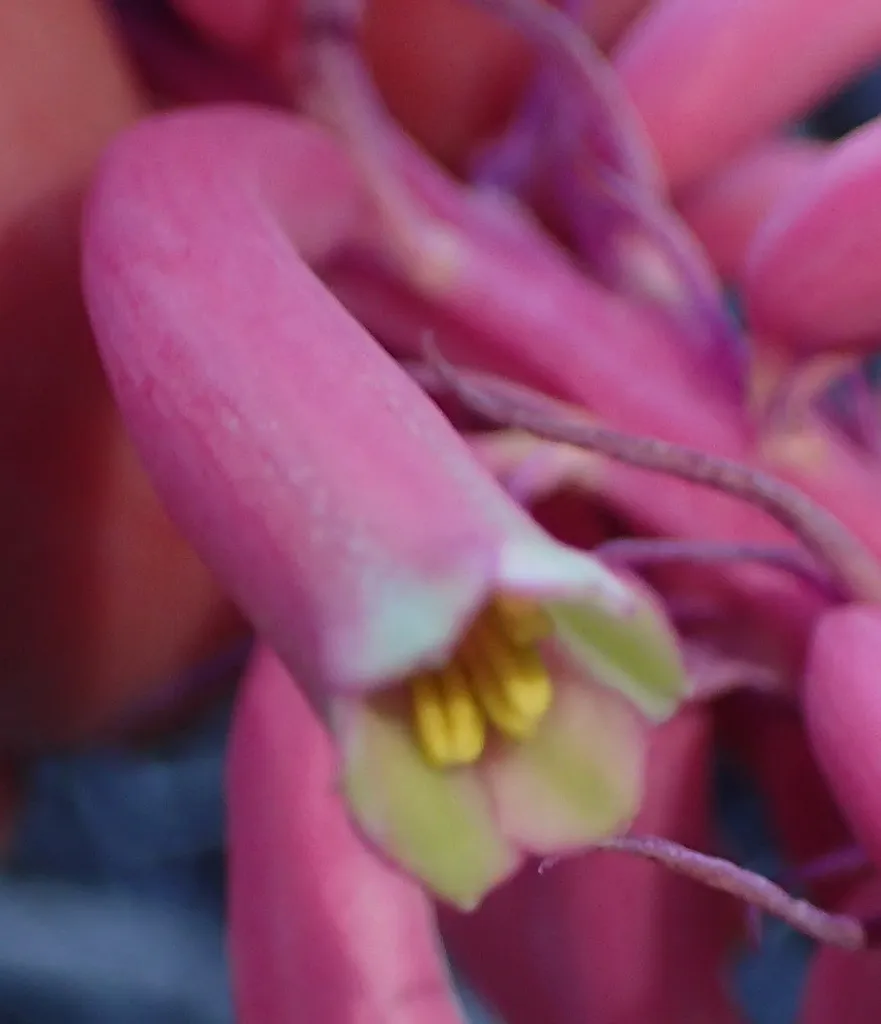
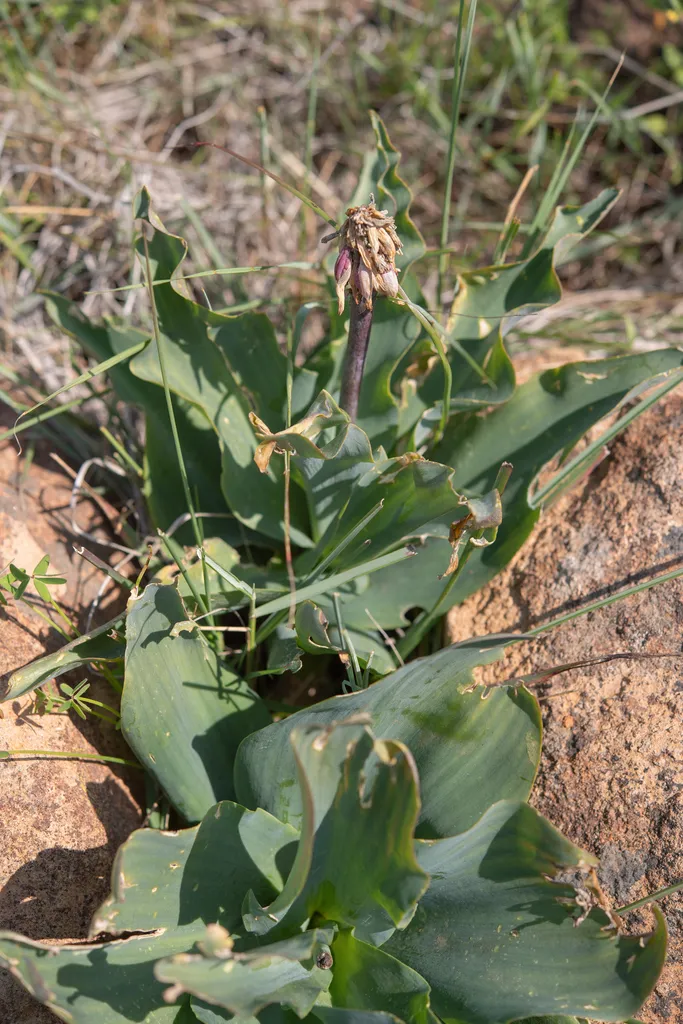
A bulbous perennial to 45cm, with a rosette of strap-shaped, wavy-edged, glaucous leaves and stout purple-spotted stems bearing a terminal raceme of drooping tubular pale pink flowers 3-4cm in length, with darker spots
Scientific classification
- Species
- sand lily (Veltheimia capensis)
- Genus
- Veltheimia
- Family
- Asparagaceae
- Order
- Asparagales
- Class
- Liliopsida
- Phylum
- Magnoliophyta
- Information to be completed
- Toxicity
- Bulbs · Conservatory Greenhouse
- Plant type
- 0.1-0.5 metres
- Height
- 0.1-0.5 metres
- Spread
- Deciduous
- Foliage
- Tufted
- Habit
- Spring
- Season of interest
- Full sun
- Sunlight
- Information to be completed
- Ideal temperature









sand lily pictures
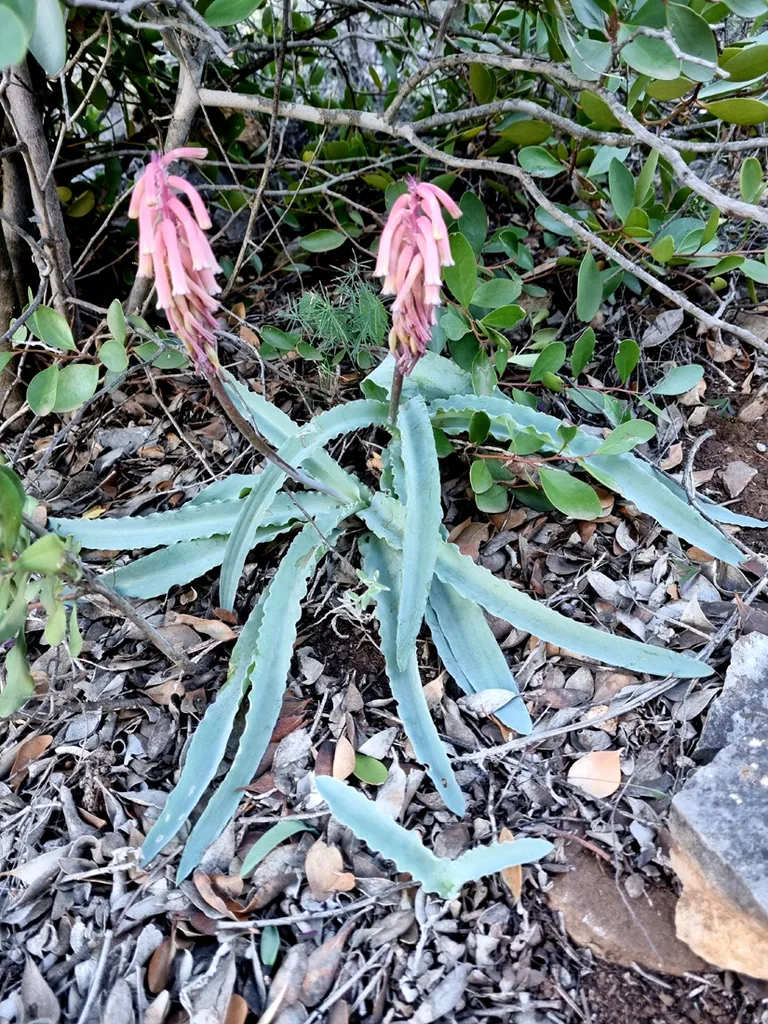
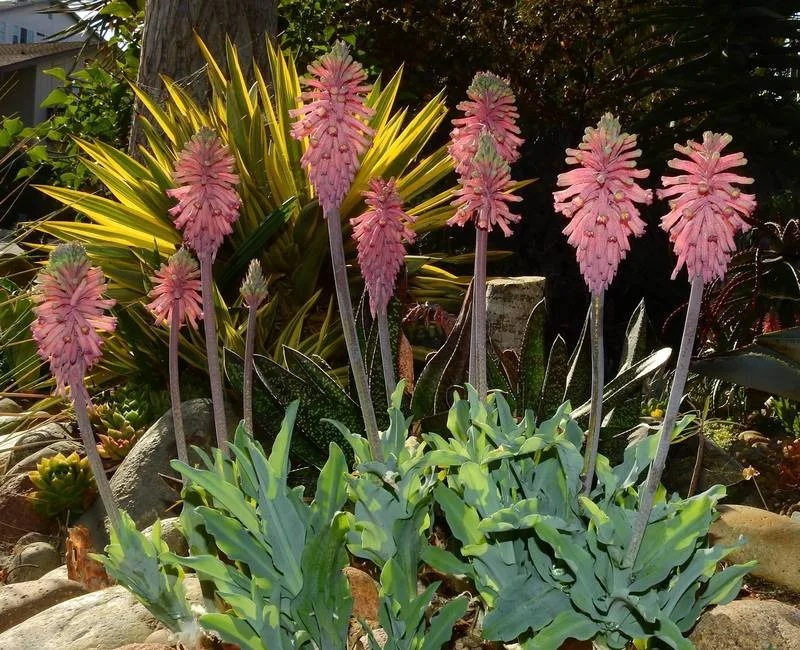
Distribution of sand lily
Distribution map
- Native
- Introduced
- Cultivated
Source:WCVP v16 · Royal Botanic Gardens, Kew · CC BY 3.0 · Boundaries:WGSRPD / TDWG
sand lily care guide
- Moderate regular watering, avoid prolonged drought or waterlogging
- Watering
- Full sun
- Sunlight

Watering
Moderate regular watering, avoid prolonged drought or waterlogging
Fertilizing
 Fertilizing
Balanced feed in spring and light repeat in growth season
Pruning
 Pruning
No pruning required
Propagation
 Propagation
Propagate by seed sown at 19-24°C in autumn or remove offsets in late summer
Growing
 Growing
Under glass grow in loam-based compost with added sharp sand in full sun. Reduce water as leaves fade and keep just moist when dormant. Intolerant of root disturbance so only repot when congested. Plant in autumn with neck of bulb just above soil surface.
Common pests and diseases
Diseases
Generally disease free
Pests
Generally pest-free
Explore the plant health library →




