
white false hellebore
Also known as: langwort; lungwort; white hellebore
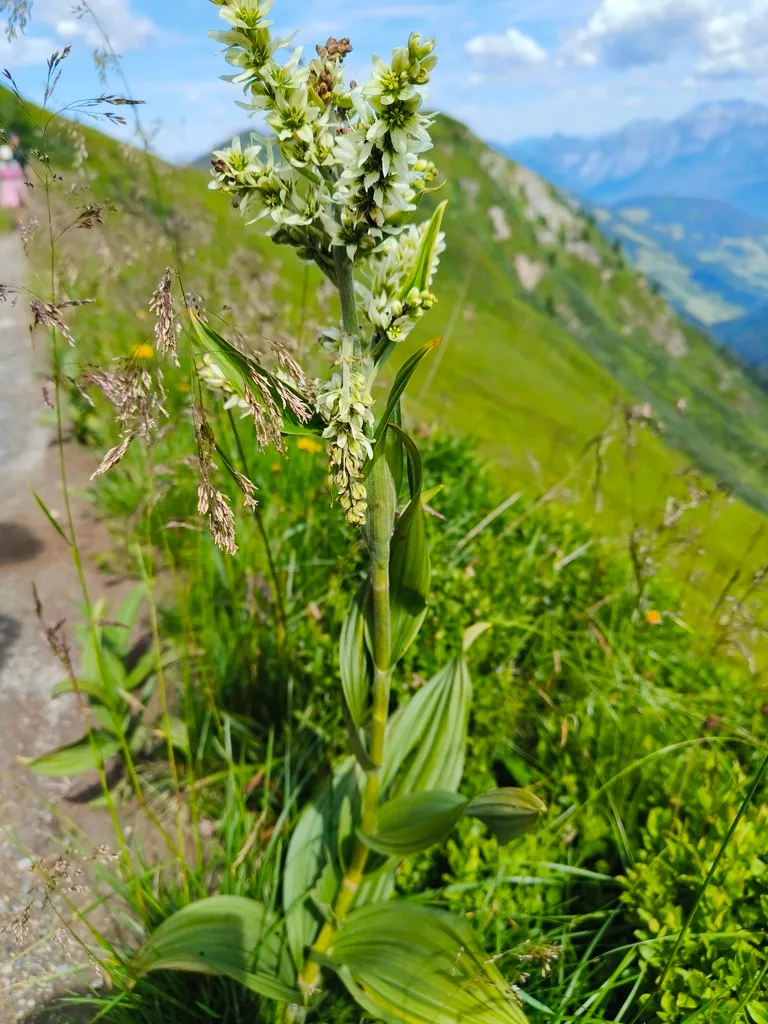
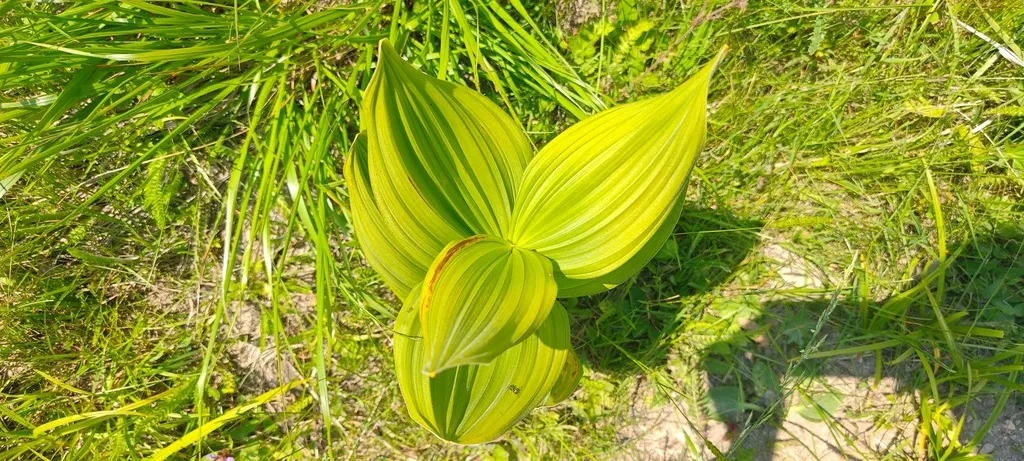
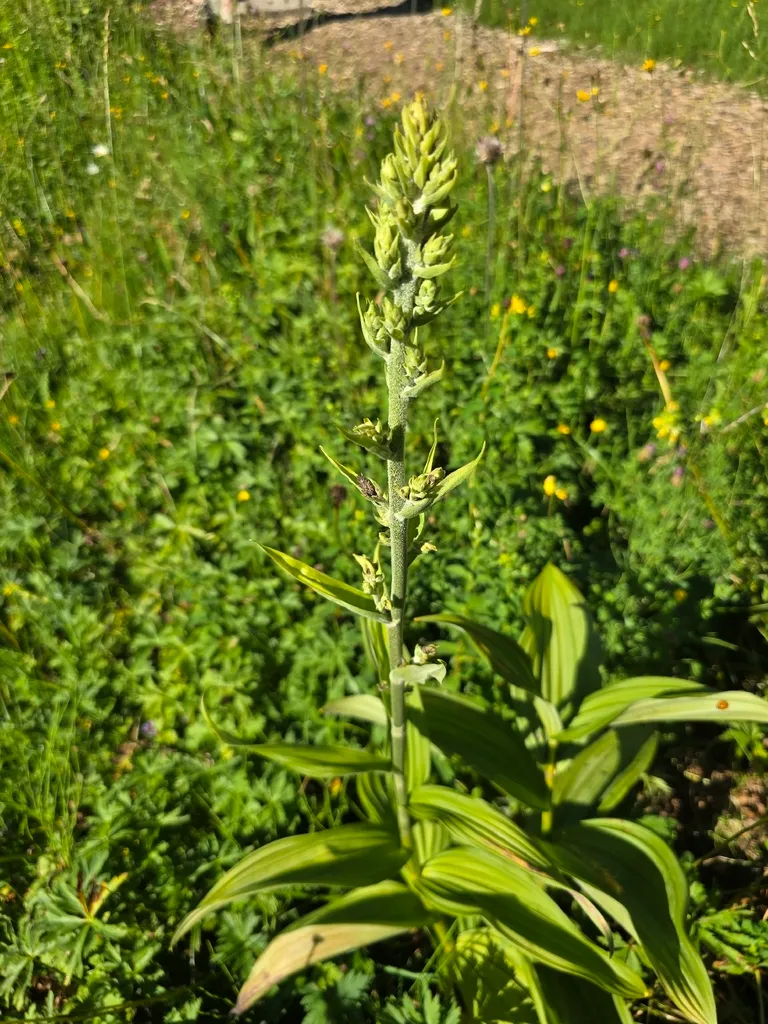
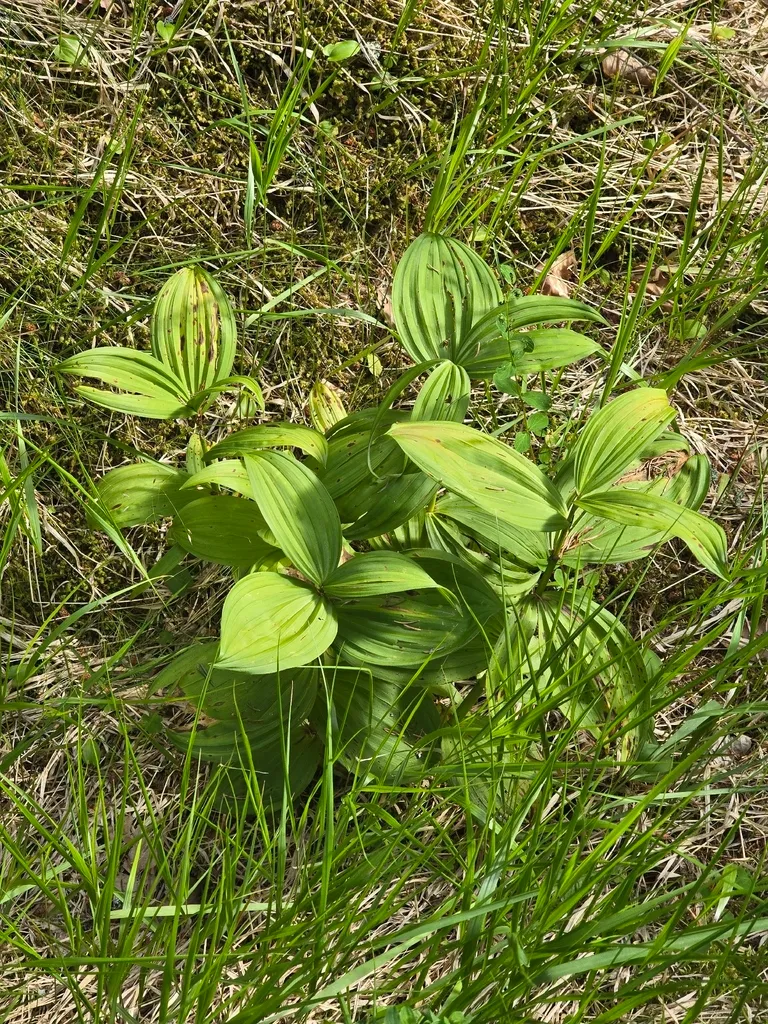
a rhizomatous herbaceous perennial 1.8-2m high with 10-12 pleated, oblong to elliptic basal leaves, up to 30cm long and 15cm wide, an upright stem with only a few stem leaves, and branched heads up to 60cm long of star-shaped pale green or white flowers, each 1.5-2.5cm across, in early summer and around midsummer
Scientific classification
- Species
- white false hellebore (Veratrum album)
- Genus
- Veratrum
- Family
- Melanthiaceae
- Order
- Liliales
- Class
- Liliopsida
- Phylum
- Magnoliophyta
- TOXIC if eaten. Wear gloves and other protective equipment when handling
- Toxicity
- Herbaceous Perennial
- Plant type
- 1.5-2.5 metres
- Height
- 0.5-1 metres
- Spread
- Deciduous
- Foliage
- Clump forming
- Habit
- Spring · Summer
- Season of interest
- Full sun · Partial shade
- Sunlight
- Information to be completed
- Ideal temperature









white false hellebore pictures
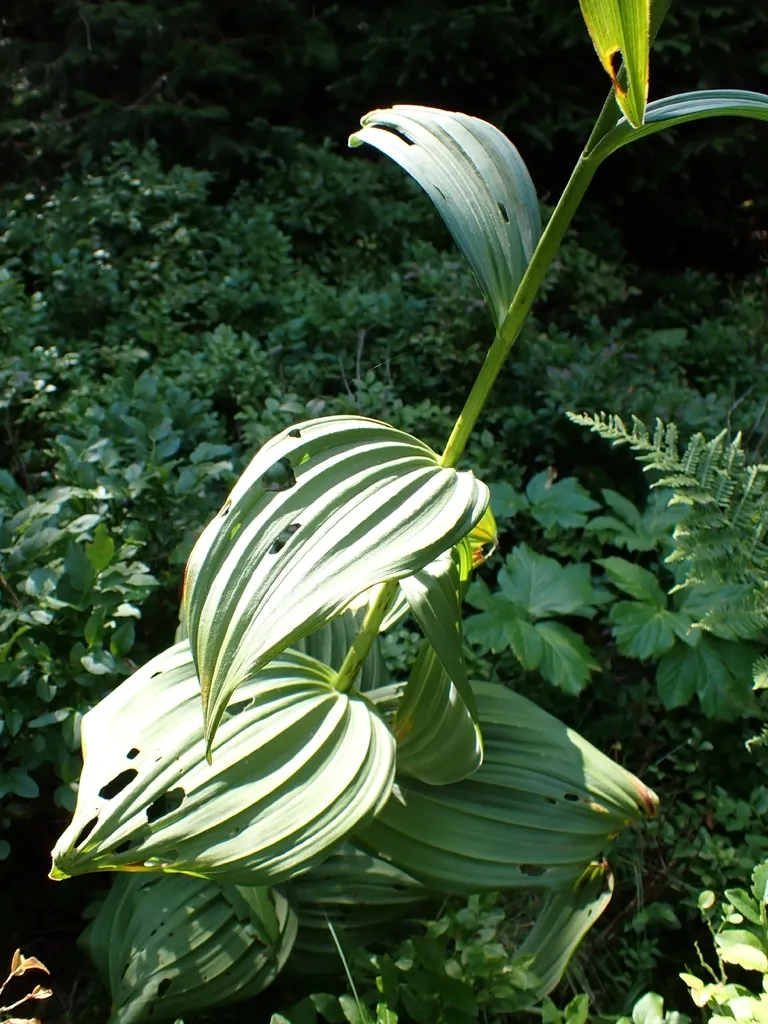
Distribution of white false hellebore
Distribution map
- Native
- Introduced
- Cultivated
Source:WCVP v16 · Royal Botanic Gardens, Kew · CC BY 3.0 · Boundaries:WGSRPD / TDWG
Toxicity
TOXIC if eaten. Wear gloves and other protective equipment when handling
white false hellebore care guide
- Moderate regular watering, allowing brief slight drying between soakings
- Watering
- Full sun · Partial shade
- Sunlight

Watering
Moderate regular watering, allowing brief slight drying between soakings
Fertilizing
 Fertilizing
Balanced perennial feed every four weeks from spring through summer
Pruning
 Pruning
No pruning required
Propagation
 Propagation
Propagate by seed, sown as soon as it is ripe in a cold frame, or for quicker results by division in autumn (propagation by seed is unreliable and slow)
Growing
 Growing
Grow in a sheltered position in rich, deep, humus-rich, moist but well-drained soil, in partial shade; will grow in full sun if the soil is moist, but the foliage will be healthiest in shade
Common pests and diseases
Diseases
Generally disease-free
Pests
May be susceptible to slugs and snails
Explore the plant health library →




