
California false hellebore
Also known as: Information to be completed
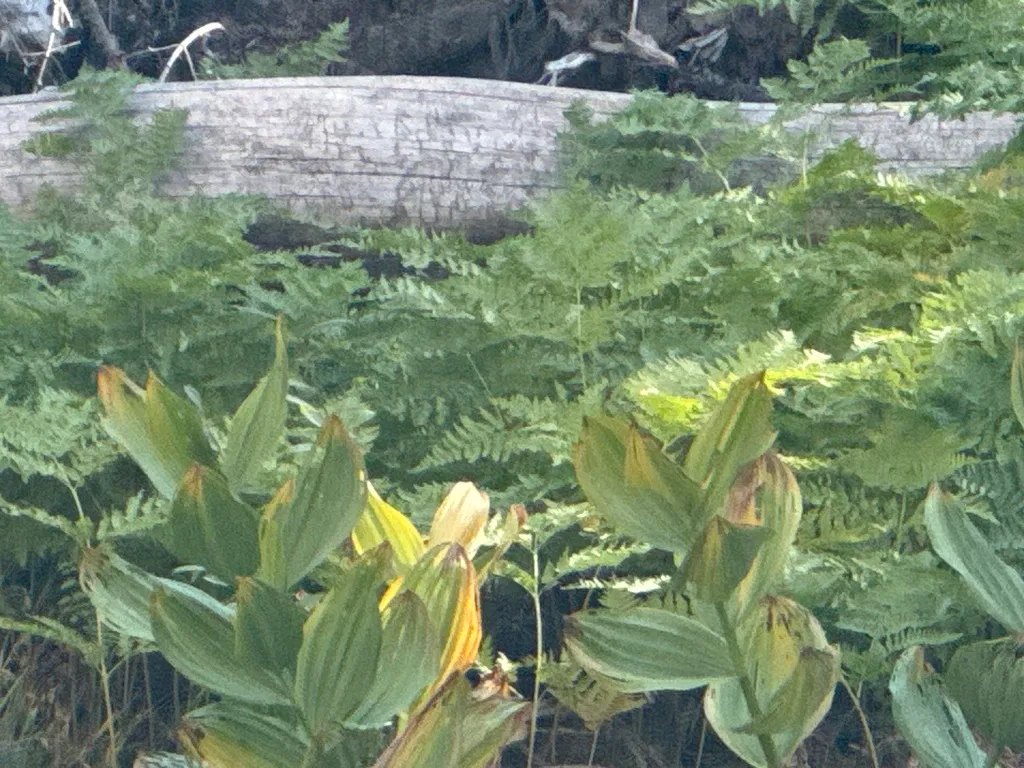
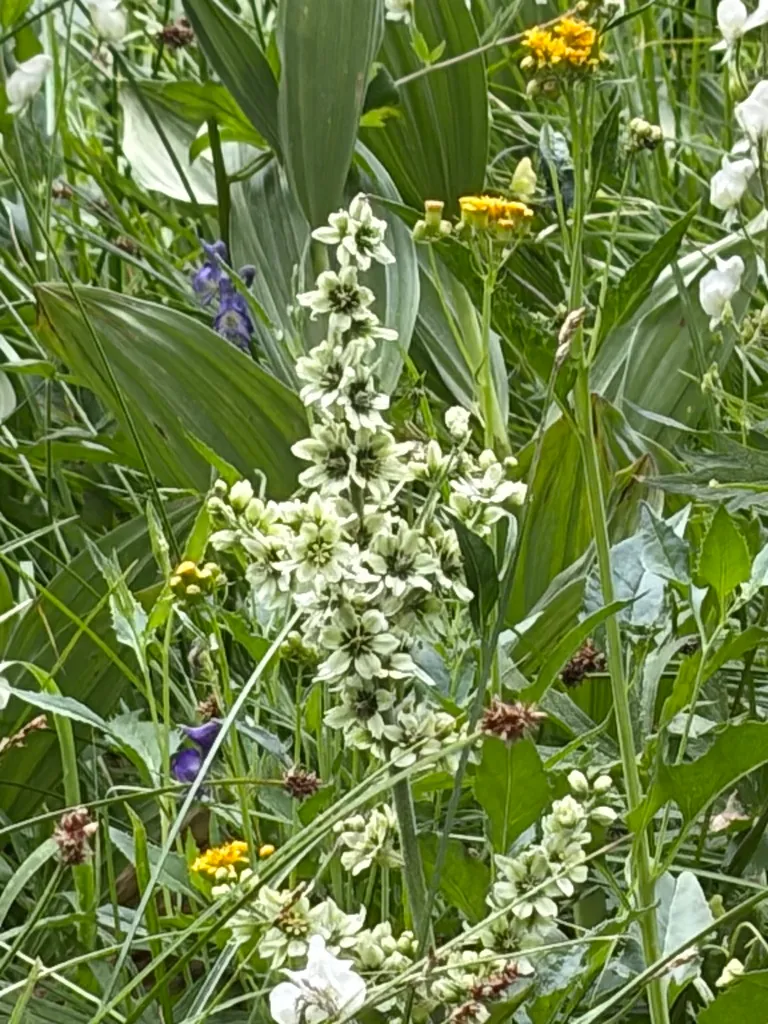
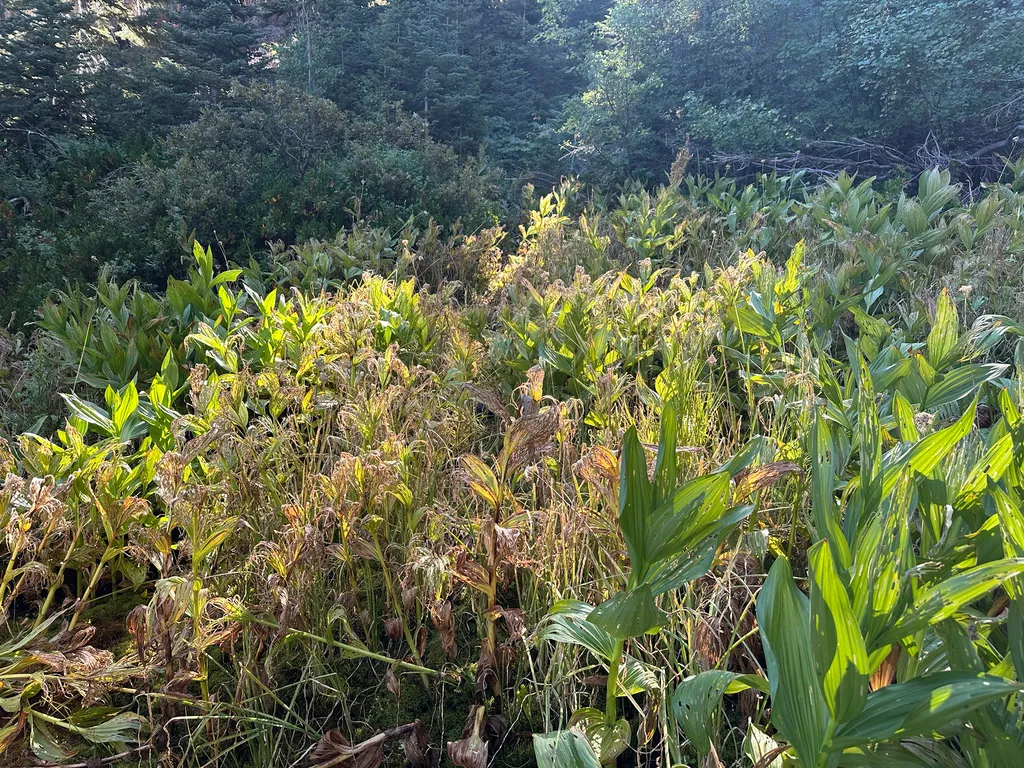
An upright, rhizomatous perennial to 2.5m high, with broad, pleated bright green leaves that are hairy underneath. In summer, produces branching flower stems covered with small, star-shaped, green and creamy white flowers
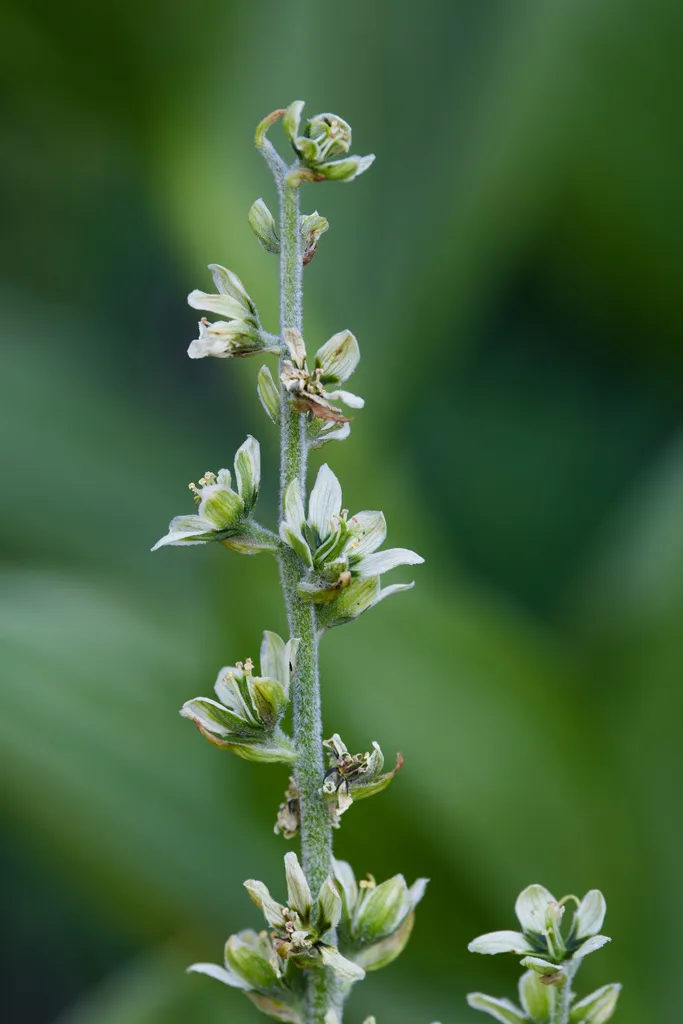
Scientific classification
- Species
- California false hellebore (Veratrum californicum)
- Genus
- Veratrum
- Family
- Melanthiaceae
- Order
- Liliales
- Class
- Liliopsida
- Phylum
- Magnoliophyta
- TOXIC if eaten. Wear gloves and other protective equipment when handling
- Toxicity
- Herbaceous Perennial
- Plant type
- 1.5-2.5 metres
- Height
- 1.5-2.5 metres
- Spread
- Deciduous
- Foliage
- Clump forming
- Habit
- Spring · Summer · Autumn
- Season of interest
- Full sun · Partial shade
- Sunlight
- Information to be completed
- Ideal temperature









California false hellebore pictures
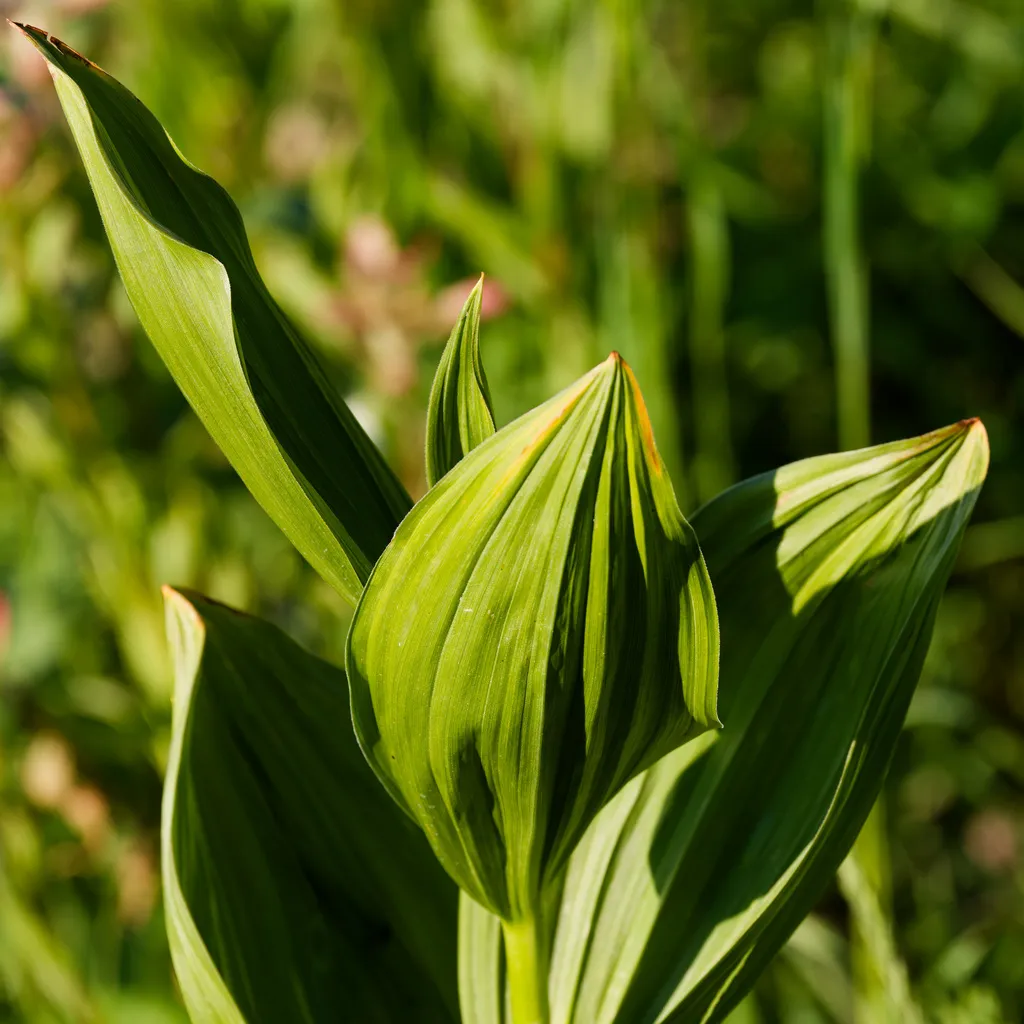
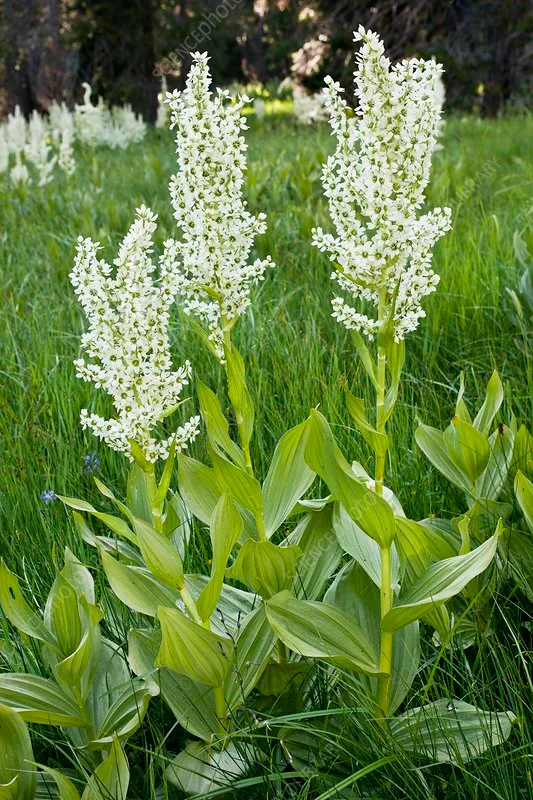
Distribution of California false hellebore
Distribution map
- Native
- Introduced
- Cultivated
Source:WCVP v16 · Royal Botanic Gardens, Kew · CC BY 3.0 · Boundaries:WGSRPD / TDWG
Toxicity
TOXIC if eaten. Wear gloves and other protective equipment when handling
California false hellebore care guide
- Moderate regular watering, allowing brief slight drying between soakings
- Watering
- Full sun · Partial shade
- Sunlight

Watering
Moderate regular watering, allowing brief slight drying between soakings
Fertilizing
 Fertilizing
Balanced perennial feed every four weeks from spring through summer
Pruning
 Pruning
Flower spike can be cut down after flowering, or left to develop seed heads for winter interest
Propagation
 Propagation
Propagate by seed sown in pots in a cold frame as soon as seed is ripe, or by division of established clumps in early spring or autumn
Growing
 Growing
Grow in deep, fertile soil in partial shade; will tolerate full sun in a site where the soil does not dry out. Protect from cold, drying winds. Poisonous to livestock.
Common pests and diseases
Diseases
Generally disease-free
Pests
May be susceptible to slugs and snails
Explore the plant health library →




