
American hellebore
Also known as: bear cabbage; crow poison; green false helleborine; itchweed; meadow poke; North American white hellebore; pokeroot; puppet root; swamp hellebore; wild hellebore; earth gall; green hellebore; Indian poke; pepper root
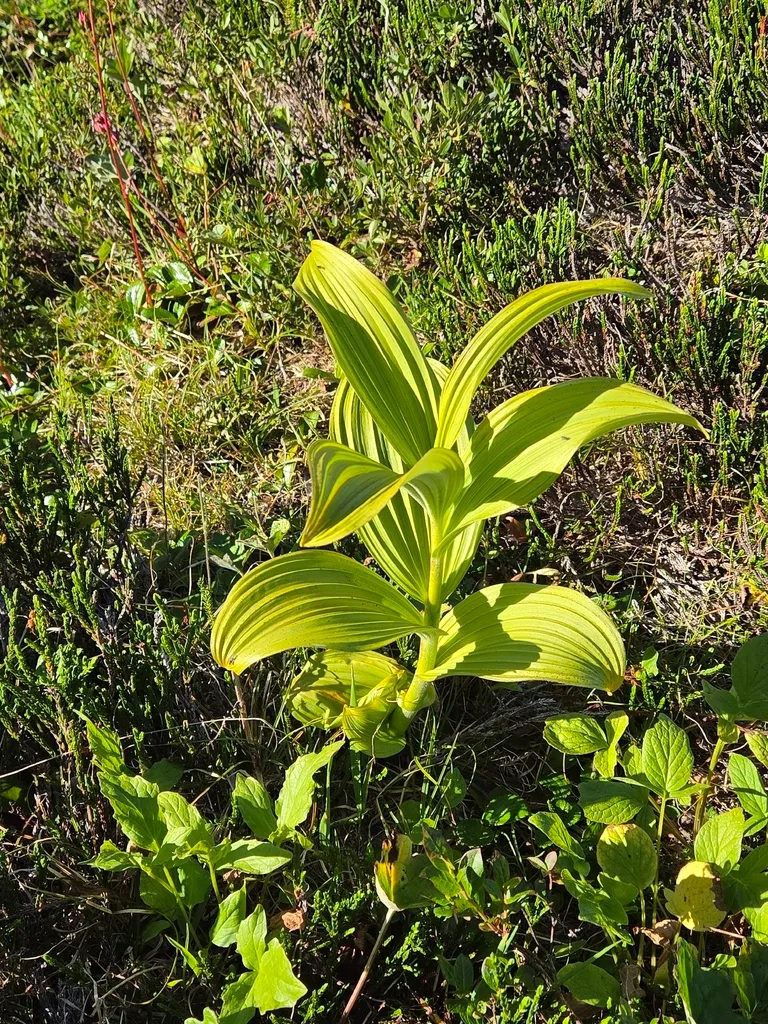
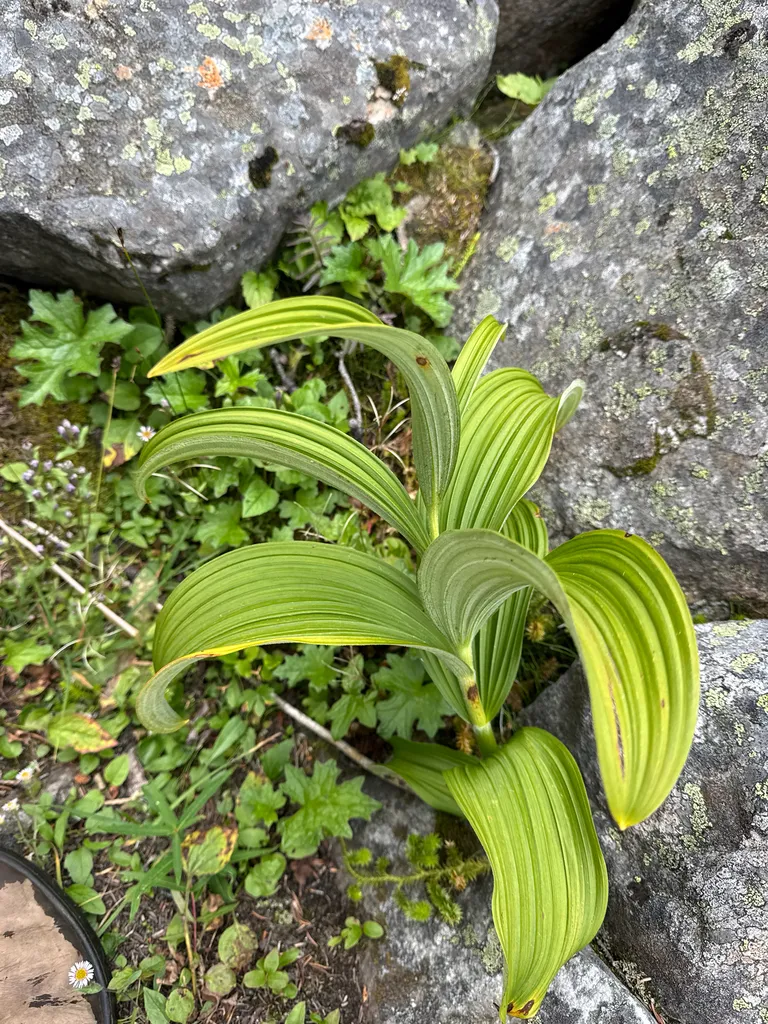
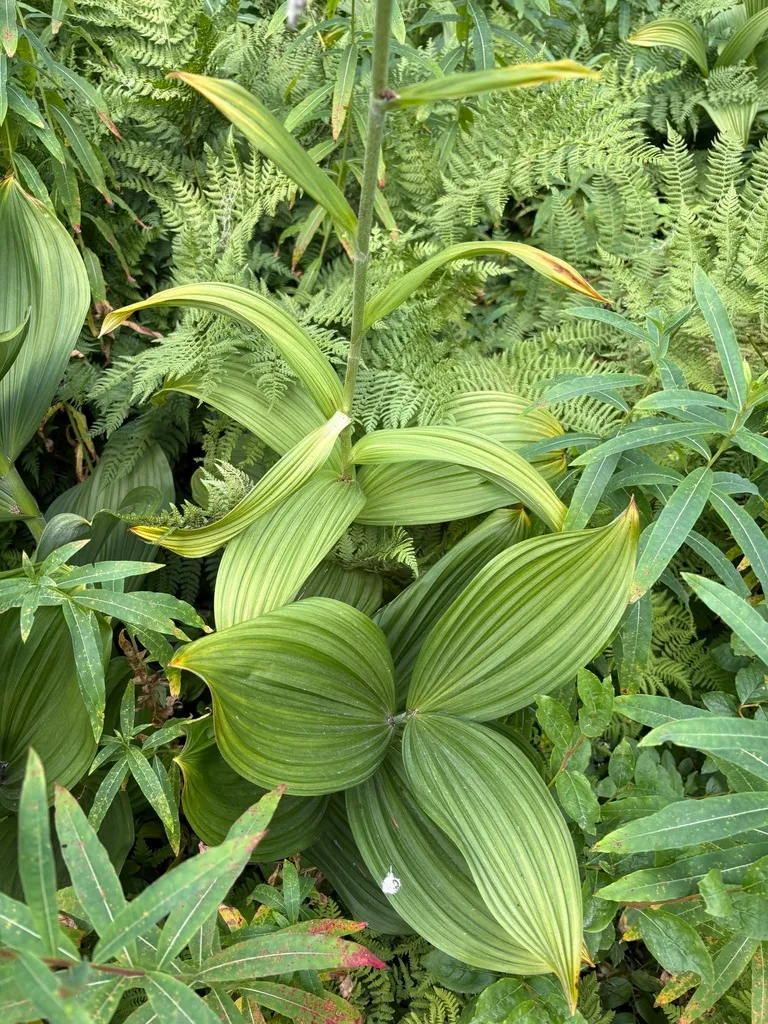
A clump-forming, decidous perennial with oval to elliptic, pleated leaves up to 30cm long with hairy undersides arranged spirally around stout stems. Small green to yellowish-green flowers to 2cm across are borne on branching sprays in summer
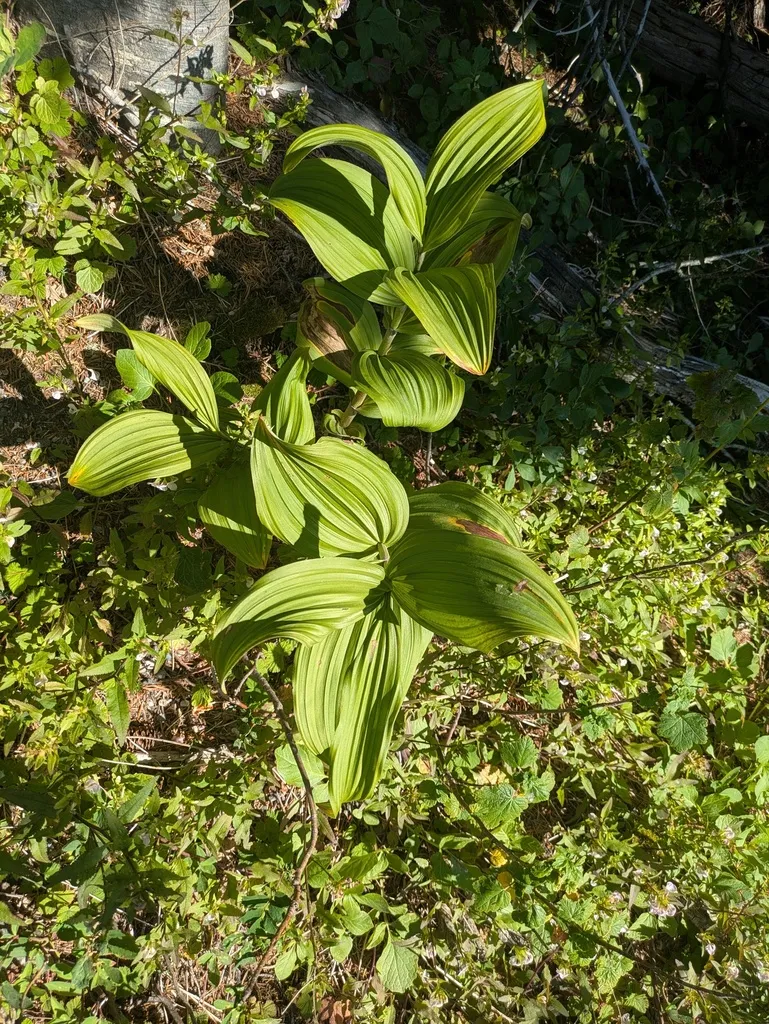
Scientific classification
- Species
- American hellebore (Veratrum viride)
- Genus
- Veratrum
- Family
- Melanthiaceae
- TOXIC if eaten. Wear gloves and other protective equipment when handling
- Toxicity
- Herbaceous Perennial
- Plant type
- 1.5-2.5 metres
- Height
- 0.1-0.5 metres
- Spread
- Deciduous
- Foliage
- Clump forming
- Habit
- Spring · Summer · Autumn
- Season of interest
- Partial shade · Full sun
- Sunlight
- Information to be completed
- Ideal temperature









American hellebore pictures
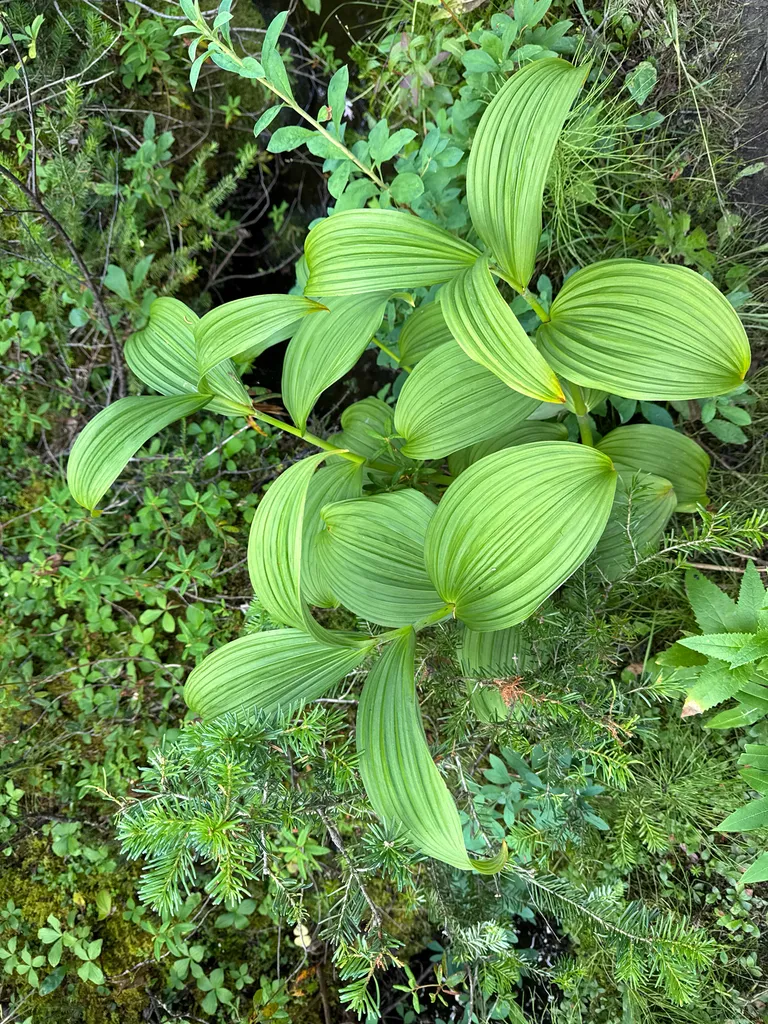
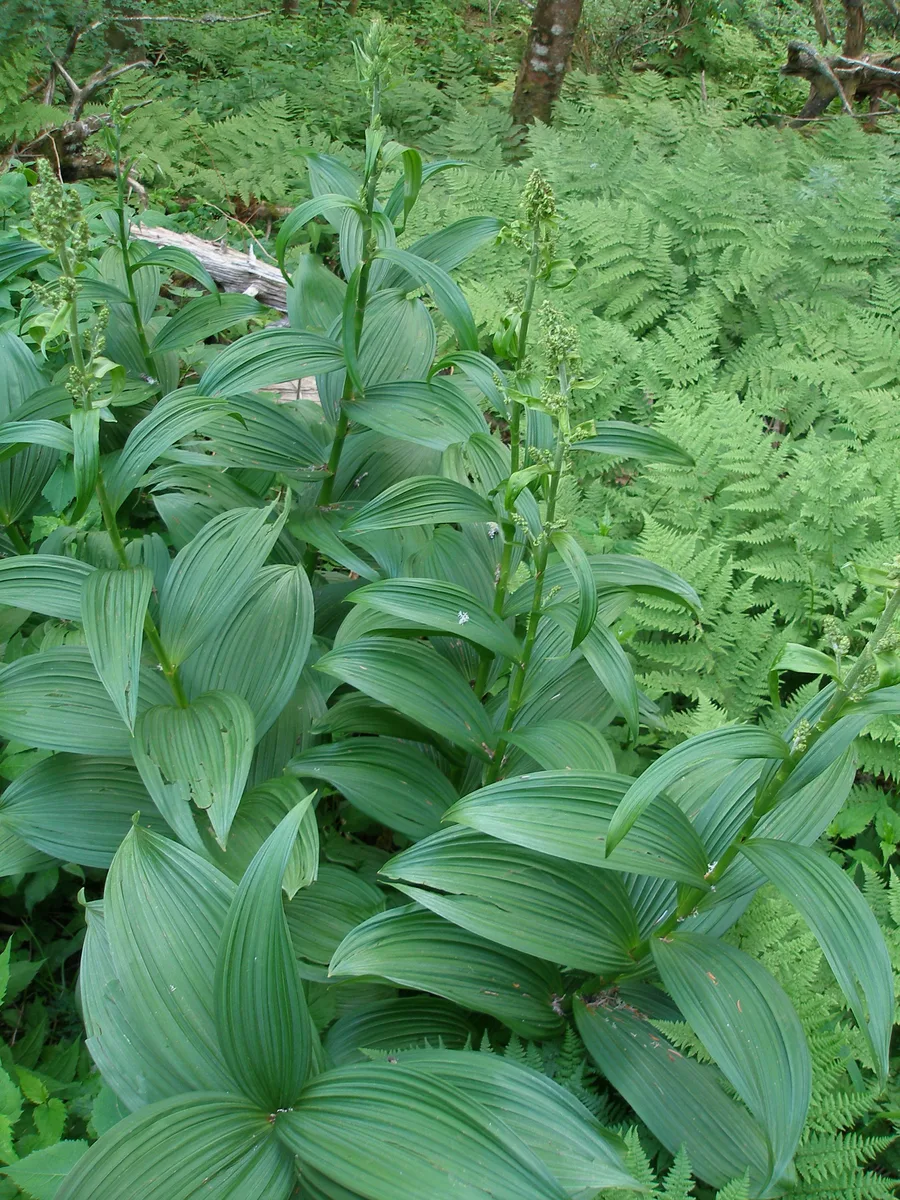
Distribution of American hellebore
Distribution map
Information to be completed
Information to be completed
Culture
Information to be completed
Toxicity
TOXIC if eaten. Wear gloves and other protective equipment when handling
Quick identification of American hellebore
Information to be completed
American hellebore care guide
- Moderate regular watering, allowing brief slight drying between soakings
- Watering
- Partial shade · Full sun
- Sunlight
- Information to be completed
- Ideal temperature

Watering
Moderate regular watering, allowing brief slight drying between soakings
Fertilizing
 Fertilizing
Balanced perennial feed every four weeks from spring through summer
Pruning
 Pruning
No pruning required
Propagation
 Propagation
Propagate by seed or by division
Growing
 Growing
Grow in a sheltered position in rich, deep, humus-rich, moist but well-drained soil, in partial shade; will grow in full sun if the soil is moist, but the foliage will be healthiest in shade
People also ask
Information to be completed
Common pests and diseases
Diseases
Generally disease-free
Pests
May be susceptible to slugs and snails
Explore the plant health library →




