
dark mullein
Also known as: black-rooted mullein; tall mullein
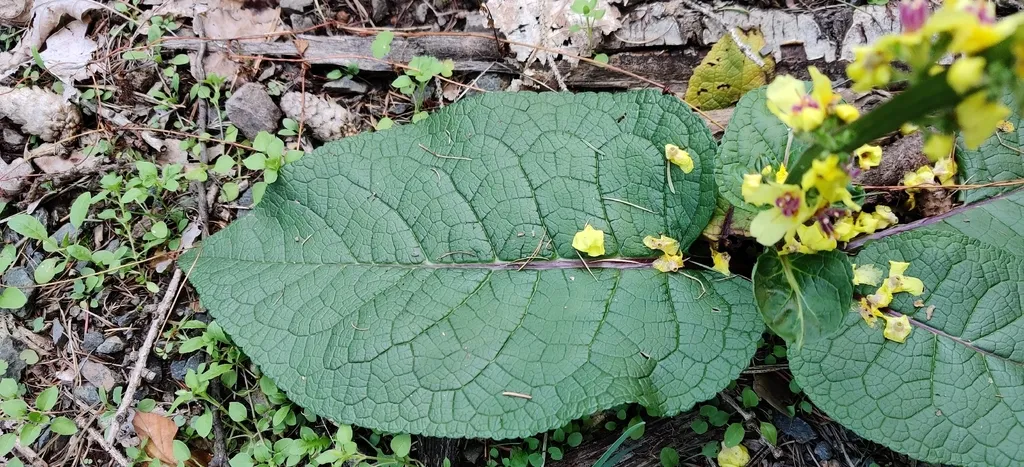
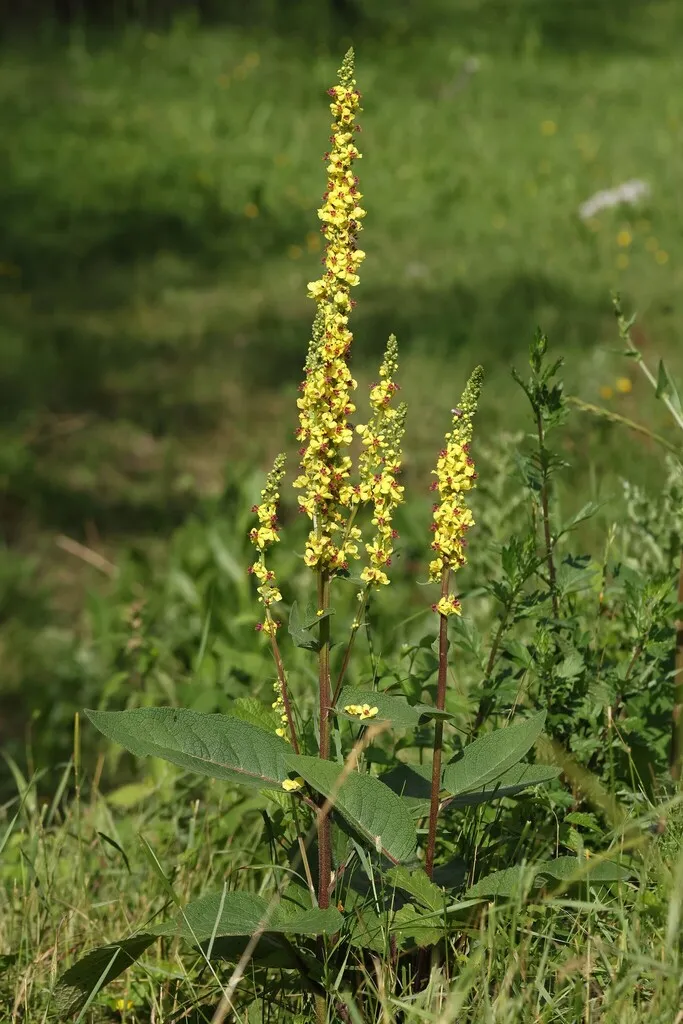
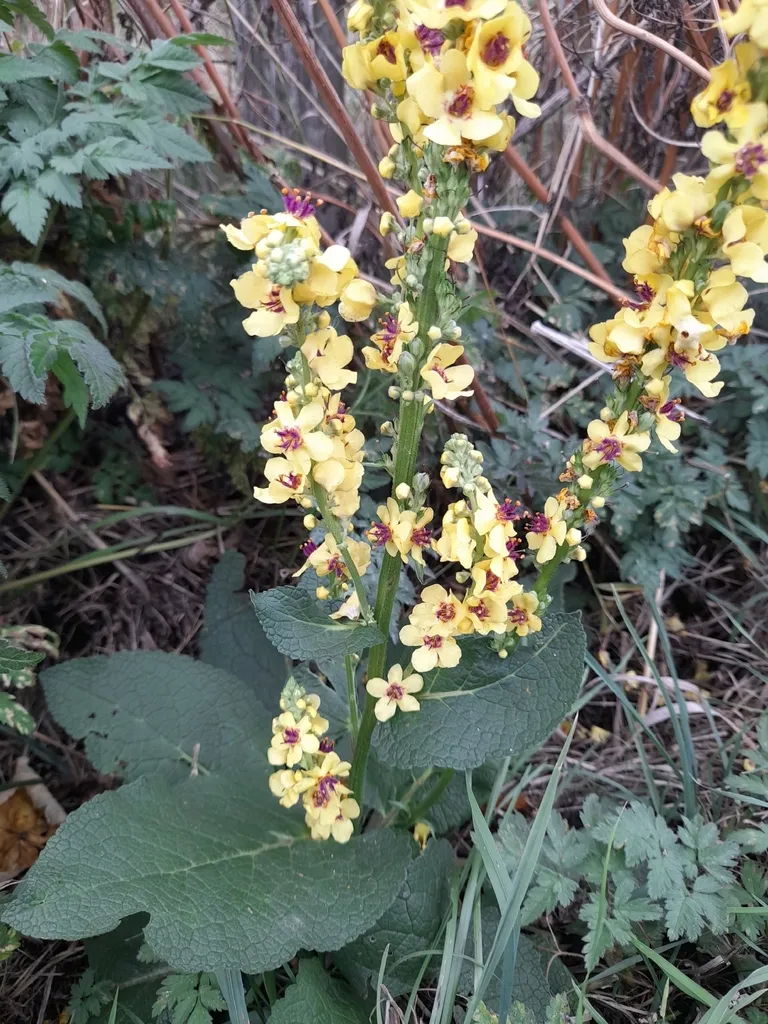
an ornamental biennial or short-lived perennial. Its dark green leaves are hairy and make basal clumps out of which rise slender columns of warm yellow flowers with purple stamens at their centres. Flowering continues from early summer to early autumn
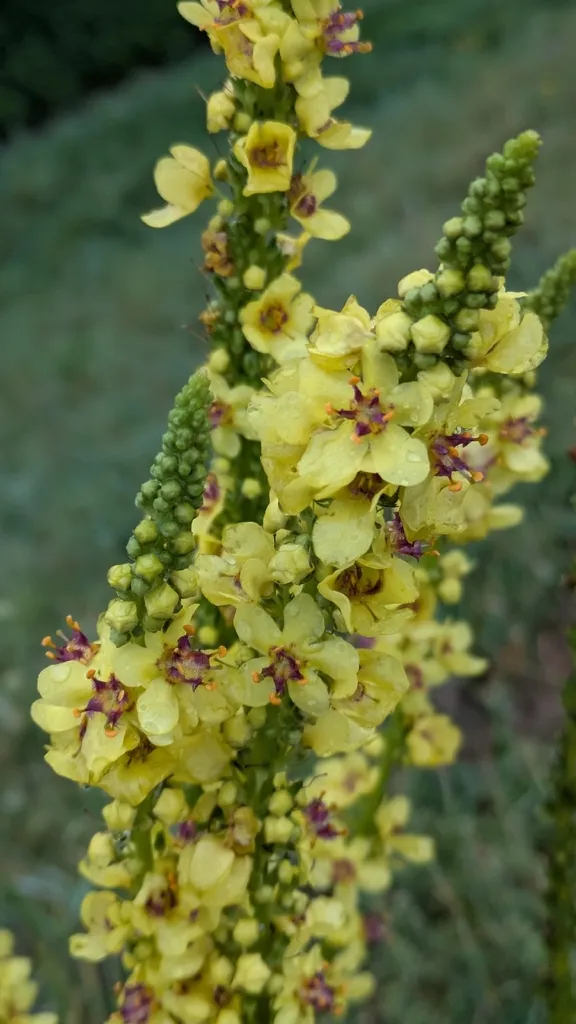
Scientific classification
- Species
- dark mullein (Verbascum nigrum)
- Genus
- Verbascum
- Family
- Scrophulariaceae
- Order
- Lamiales
- Class
- Magnoliopsida
- Phylum
- Magnoliophyta
- Information to be completed
- Toxicity
- Herbaceous Perennial · Annual Biennial
- Plant type
- 0.5-1 metres
- Height
- 0.5-1 metres
- Spread
- Semi evergreen
- Foliage
- Columnar upright
- Habit
- Spring · Summer · Autumn · Winter
- Season of interest
- Full sun
- Sunlight
- Information to be completed
- Ideal temperature









dark mullein pictures
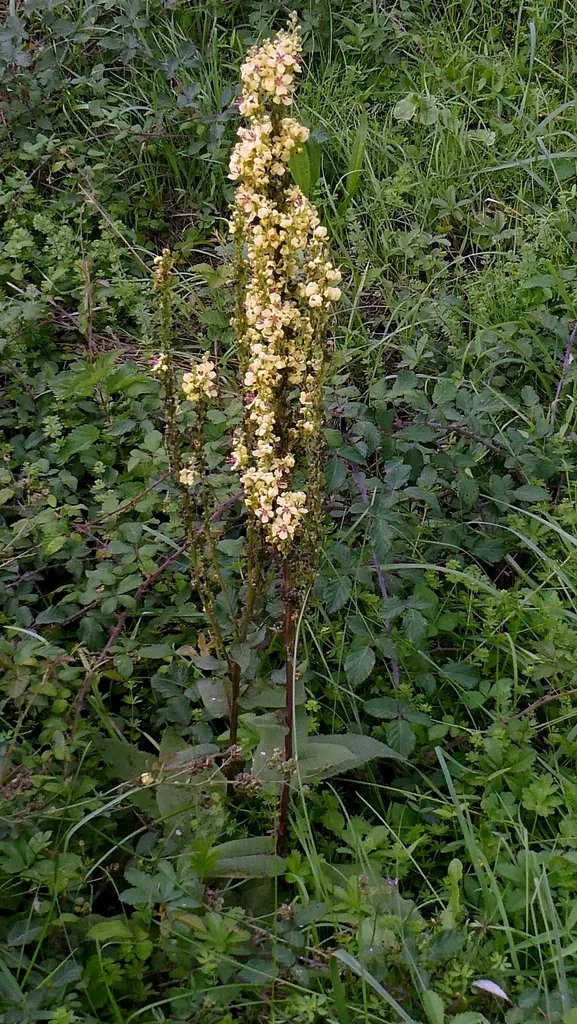
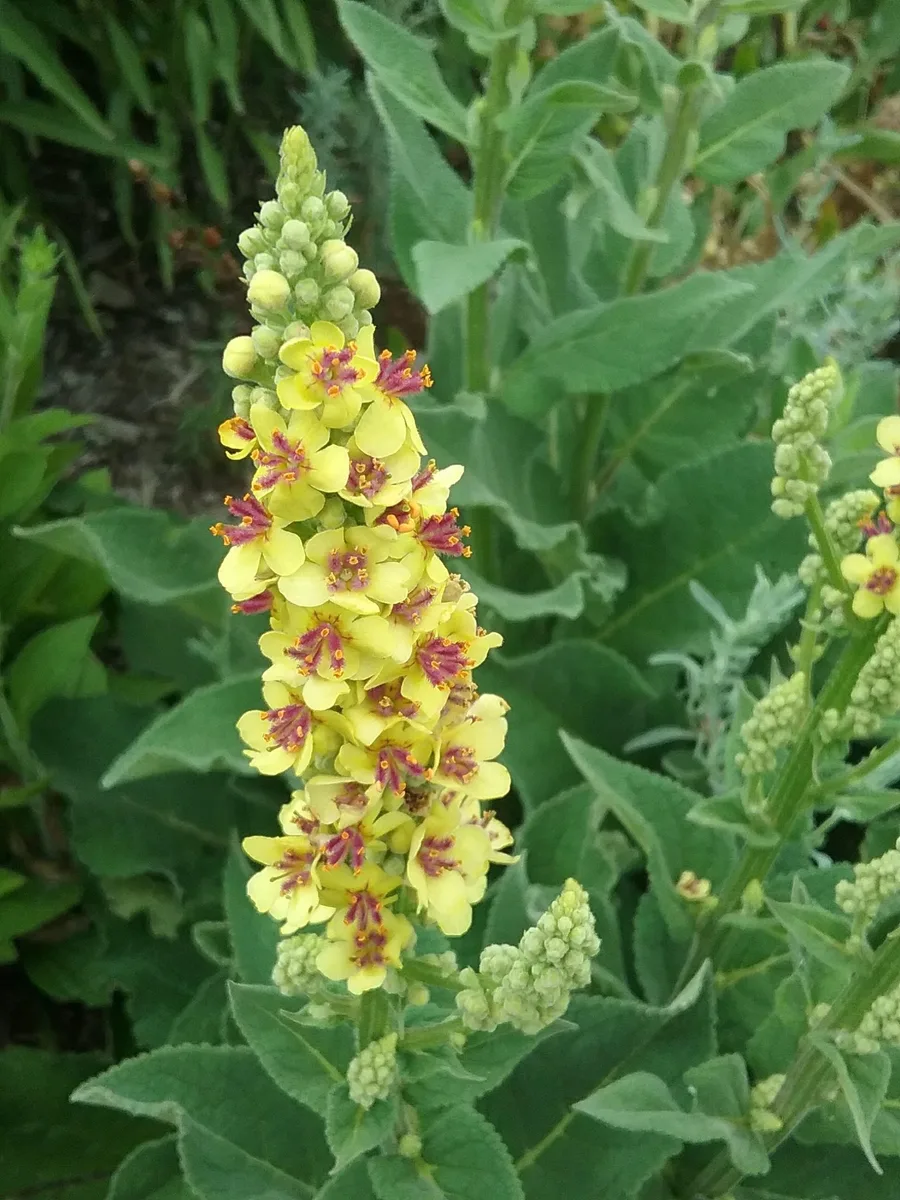
Distribution of dark mullein
Distribution map
- Native
- Introduced
- Cultivated
Source:WCVP v16 · Royal Botanic Gardens, Kew · CC BY 3.0 · Boundaries:WGSRPD / TDWG
dark mullein care guide
- Sparse watering cycles, let entire root substrate dry fully between irrigations
- Watering
- Full sun
- Sunlight

Watering
Sparse watering cycles, let entire root substrate dry fully between irrigations
Fertilizing
 Fertilizing
Half strength general feed applied once monthly in spring growth stage
Pruning
 Pruning
None required
Propagation
 Propagation
Propagate by seed
Growing
 Growing
Usually found on calcareous, free-draining sites or disturbed ground. Mulleins are beneficial to wildlife as a pollen and nectar source when in flower, seeds are a food source for birds and in winter hollow stems act as a refuge for insects
Common pests and diseases
Diseases
Generally trouble free
Pests
May be attacked by mullein moth
Explore the plant health library →




