
orange mullein
Also known as: woolly mullein
A biennial with pointed, grey-green, hairy leaves producing an evergreen basal rosette up to 60cm across. A leafy flower spike, to 1.8m tall, produces large, closely-packed yellow blooms from early to late summer
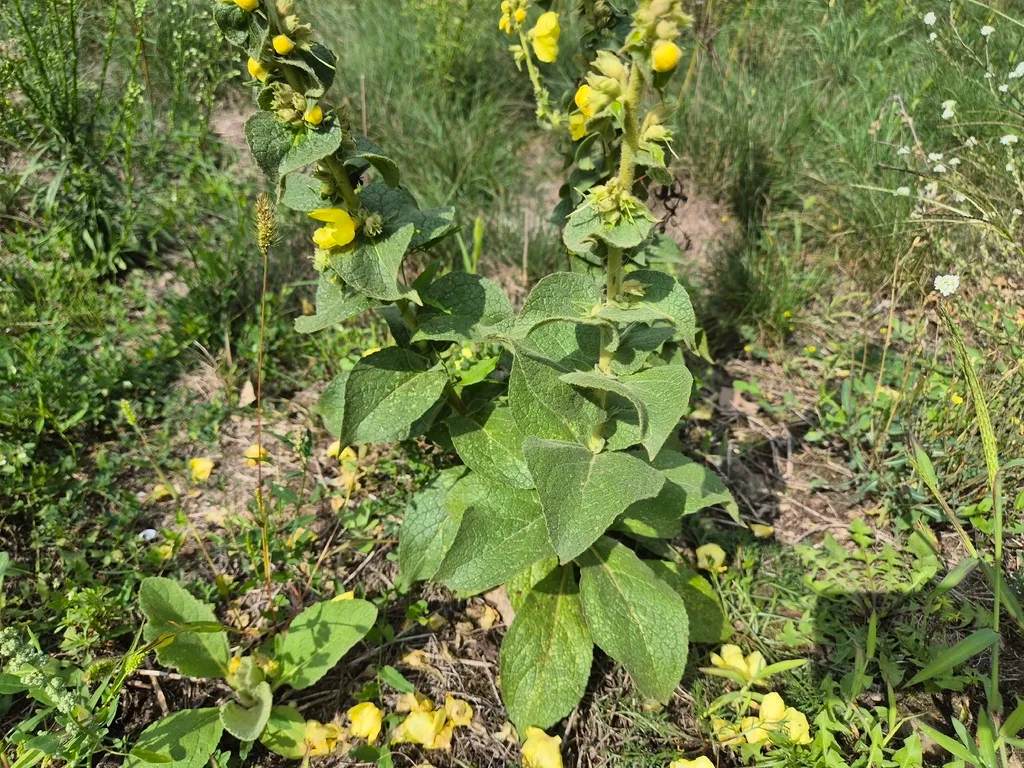
Scientific classification
- Species
- orange mullein (Verbascum phlomoides)
- Genus
- Verbascum
- Family
- Scrophulariaceae
- Information to be completed
- Toxicity
- Annual Biennial
- Plant type
- 1.5-2.5 metres
- Height
- 0.5-1 metres
- Spread
- Evergreen
- Foliage
- Columnar upright
- Habit
- Spring · Summer · Autumn · Winter
- Season of interest
- Full sun
- Sunlight
- Information to be completed
- Ideal temperature









orange mullein pictures
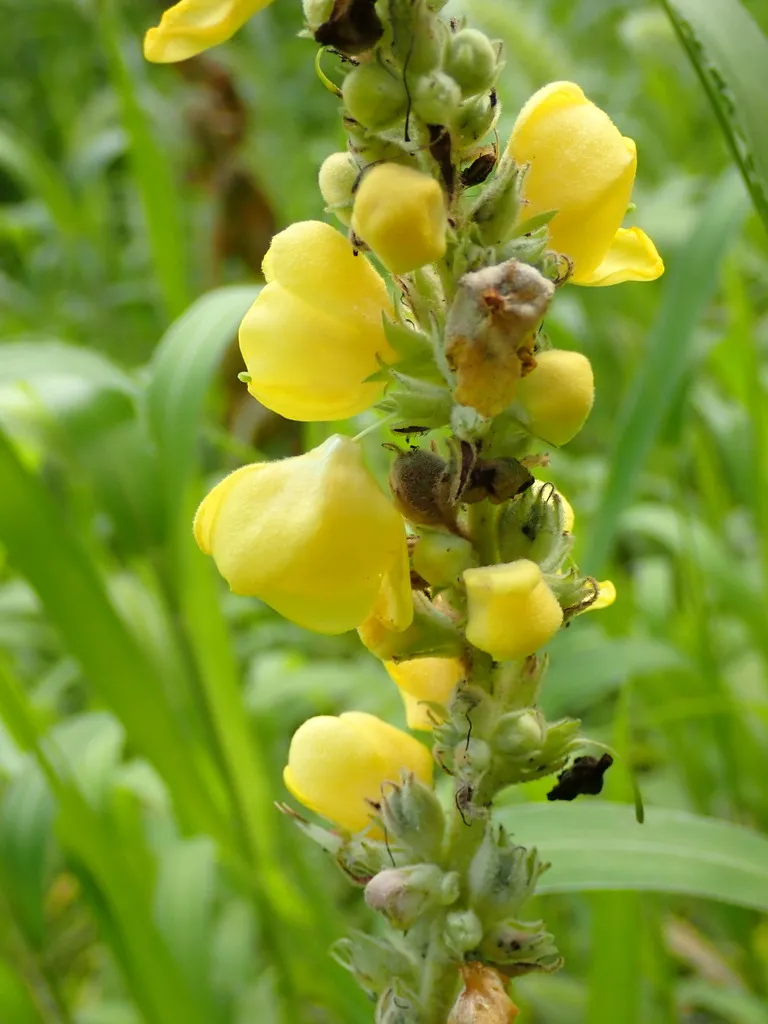
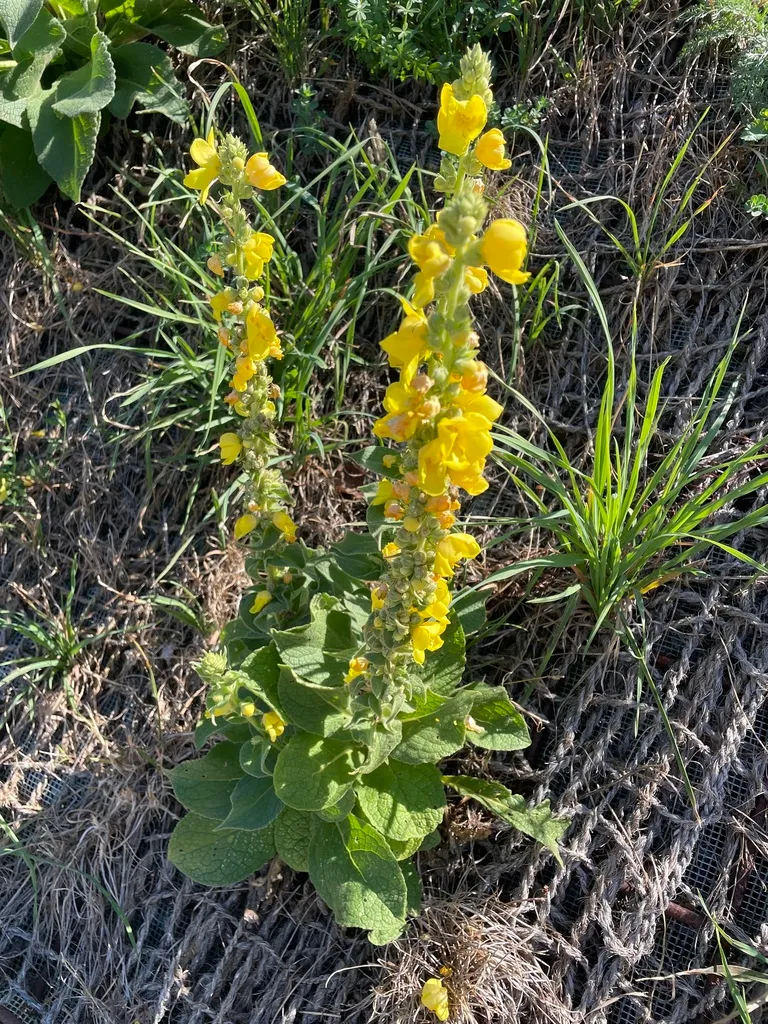
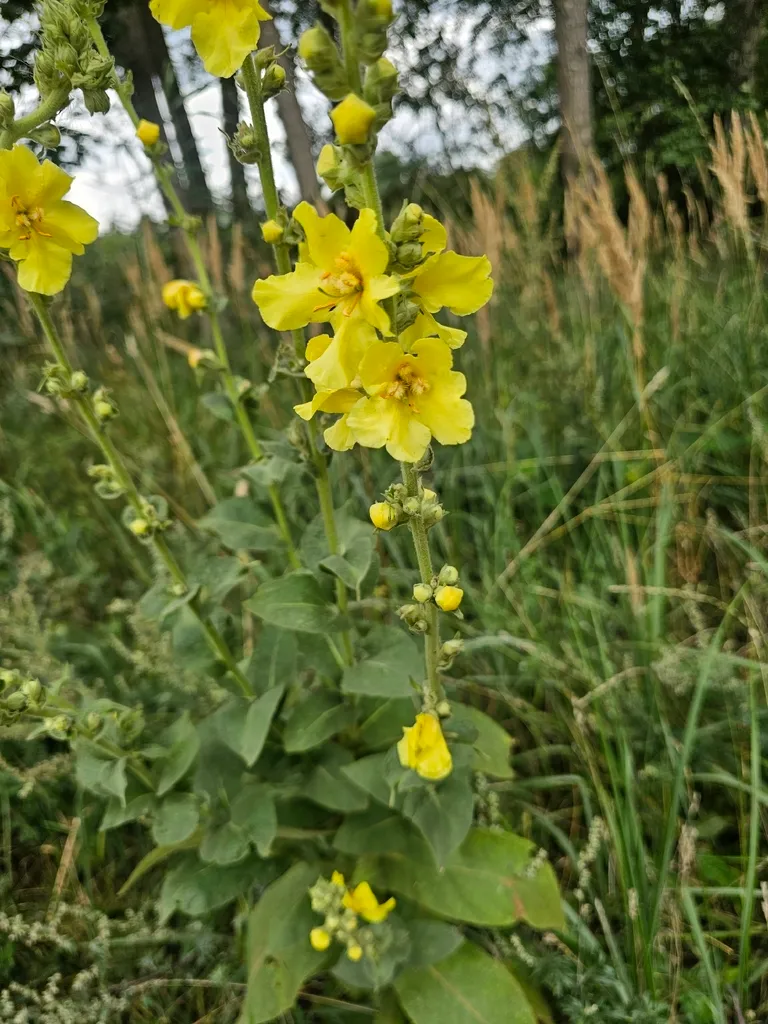
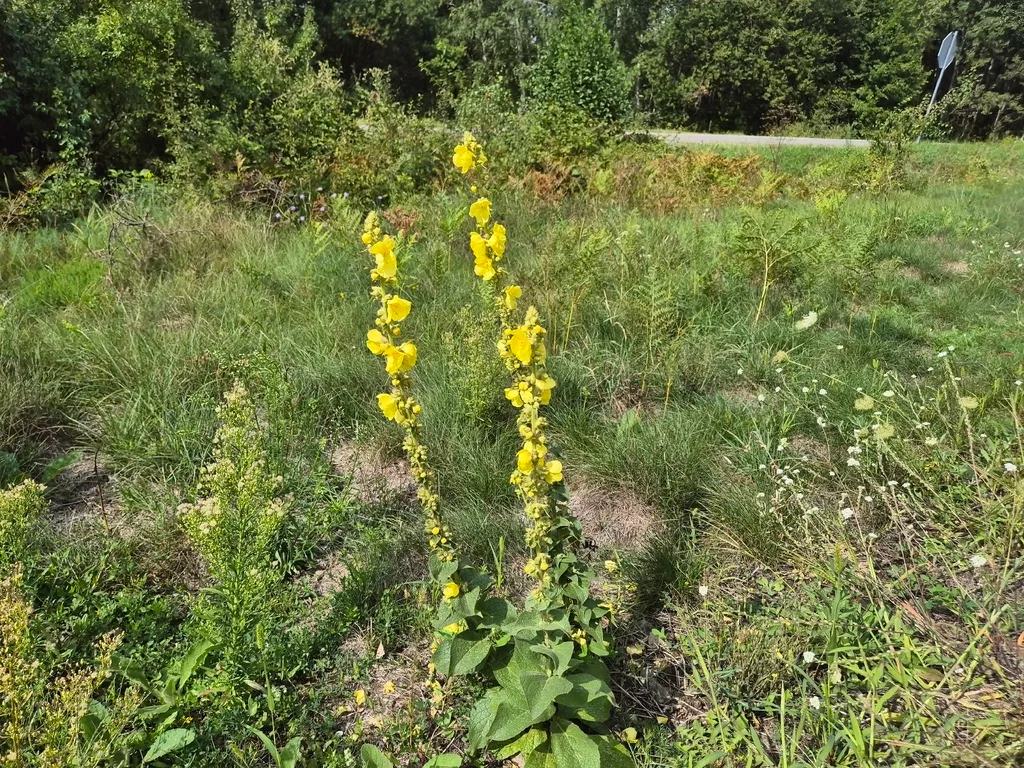
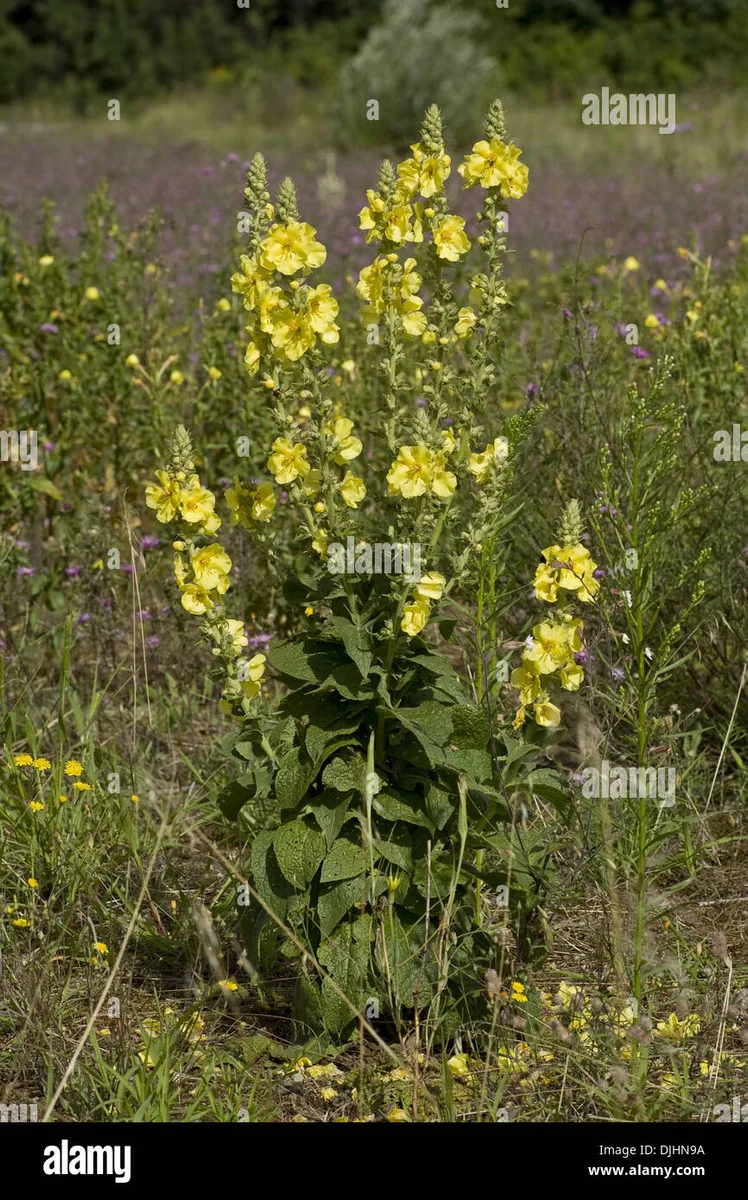
Distribution of orange mullein
Distribution map
Europe to Central Asia
Information to be completed
Culture
Information to be completed
Toxicity
Information to be completed
Quick identification of orange mullein
Information to be completed
orange mullein care guide
- Moderate regular watering, allowing brief slight drying between soakings
- Watering
- Full sun
- Sunlight
- Information to be completed
- Ideal temperature

Watering
Moderate regular watering, allowing brief slight drying between soakings
Fertilizing
 Fertilizing
Balanced perennial feed every four weeks from spring through summer
Pruning
 Pruning
Remove faded flower spikes
Propagation
 Propagation
Propagate by seed sown in containers in a cold frame in spring or early summer, or by root cuttings in winter
Growing
 Growing
Grow in poor, alkaline, well-drained soil in full sun. A drought-tolerant plant, it grows large and needs support in fertile soils (see staking perennials)
People also ask
Information to be completed
Common pests and diseases
Diseases
May be subject to powdery mildews
Pests
May be attacked by mullein moth caterpillars and figwort weevil
Explore the plant health library →




