
Asyneuma canescens
Also known as: Information to be completed
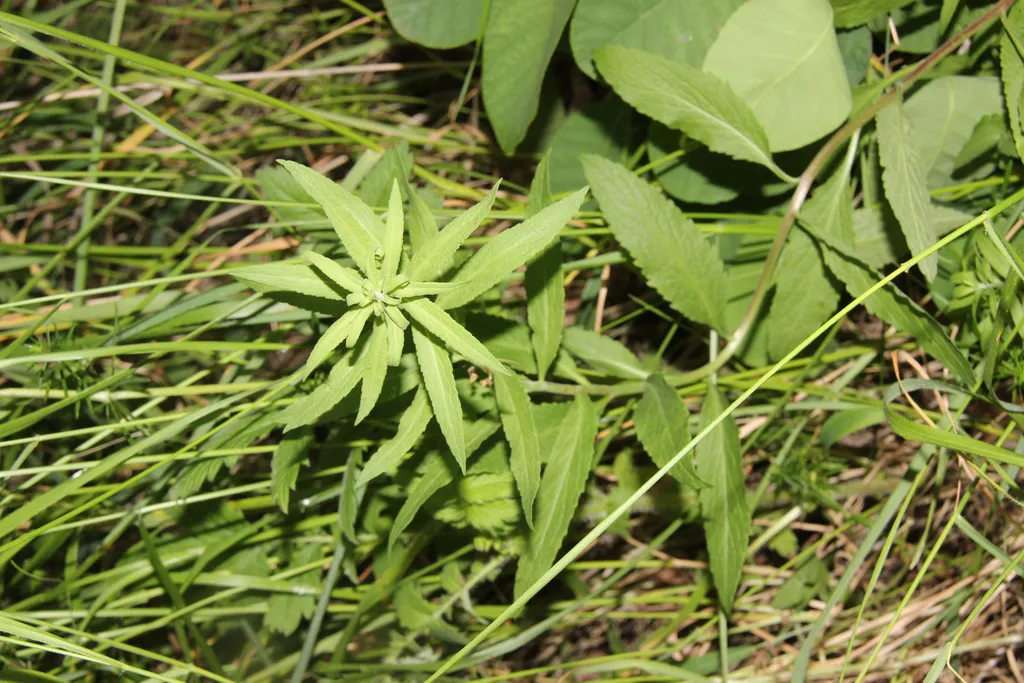
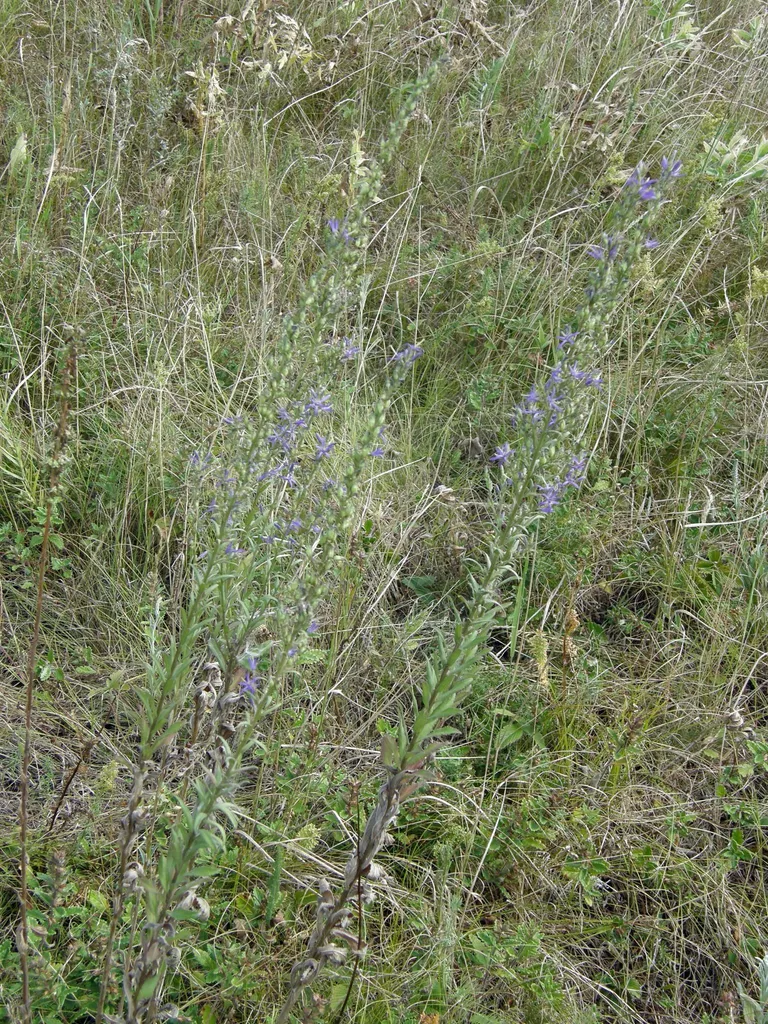
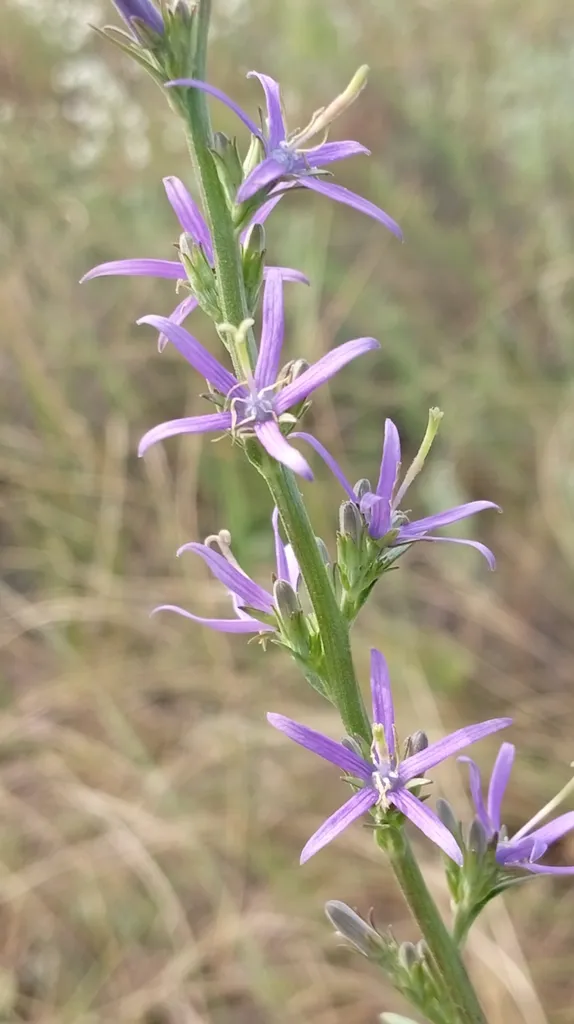
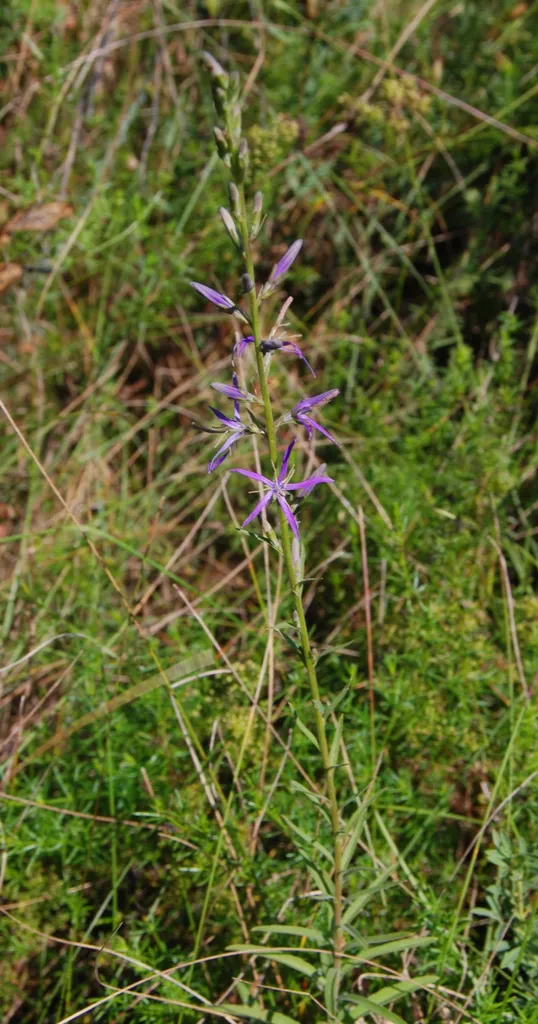
A clump-forming, erect perennial to 1m tall with greyish-green, ovate to lance-shaped basal leaves and lance-shaped stem leaves up to 6cm long with rounded teeth. Small, star-shaped, violet-blue flowers with narrow petals are borne in spike-like panicles from midsummer into early autumn
Scientific classification
- Species
- Asyneuma canescens (Asyneuma canescens)
- Genus
- Asyneuma
- Family
- Campanulaceae
- Order
- Asterales
- Class
- Magnoliopsida
- Phylum
- Magnoliophyta
- Information to be completed
- Toxicity
- Herbaceous Perennial
- Plant type
- 0.5-1 metres
- Height
- 0.1-0.5 metres
- Spread
- Deciduous
- Foliage
- Clump forming
- Habit
- Spring · Summer · Autumn
- Season of interest
- Full sun
- Sunlight
- Information to be completed
- Ideal temperature









Asyneuma canescens pictures
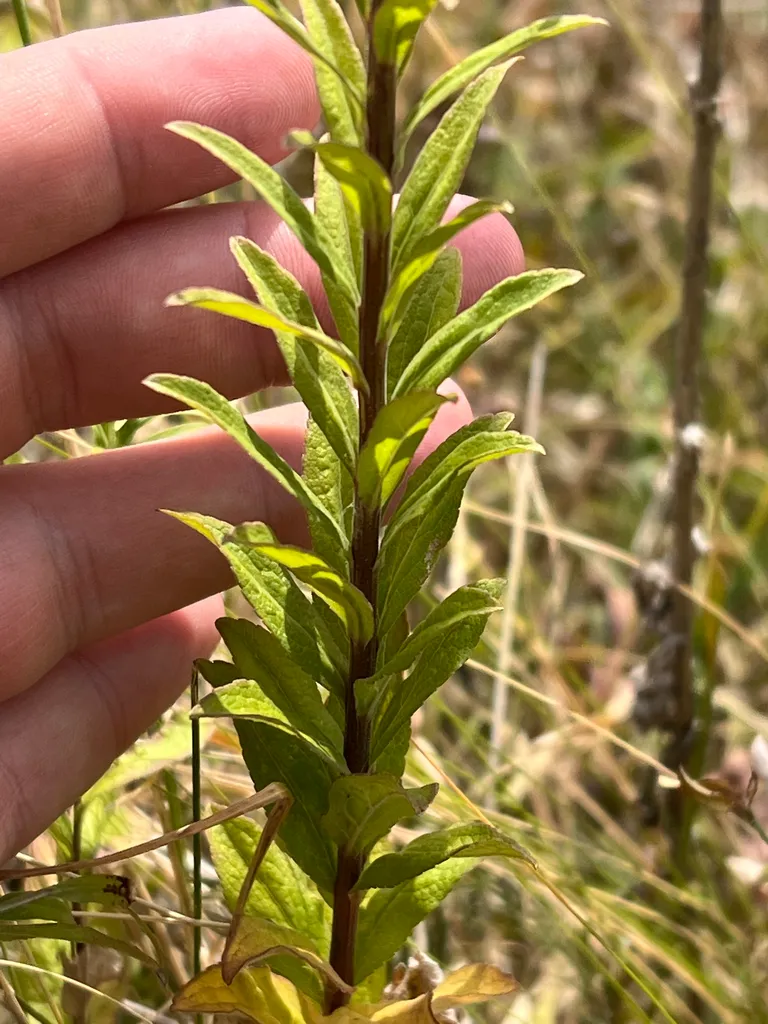
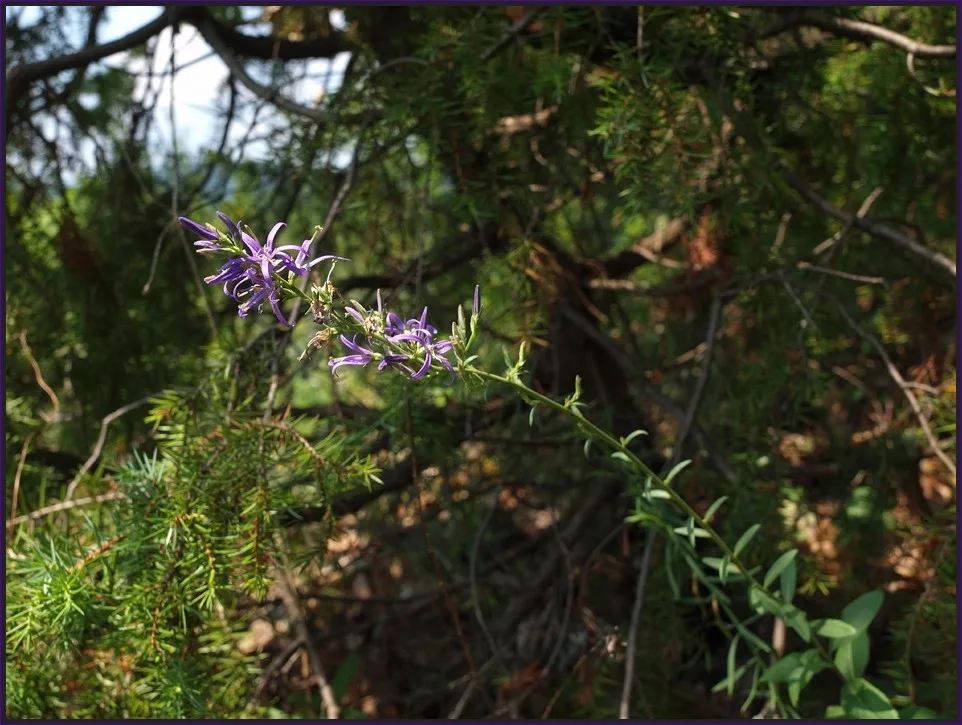
Distribution of Asyneuma canescens
Distribution map
- Native
- Introduced
- Cultivated
Source:WCVP v16 · Royal Botanic Gardens, Kew · CC BY 3.0 · Boundaries:WGSRPD / TDWG
Asyneuma canescens care guide
- Moderate regular watering, avoid prolonged drought and stagnant waterlogging
- Watering
- Full sun
- Sunlight

Watering
Moderate regular watering, avoid prolonged drought and stagnant waterlogging
Fertilizing
 Fertilizing
Balanced perennial feed every four weeks spring through summer growth
Pruning
 Pruning
No pruning required
Propagation
 Propagation
Propagate by seed or by division
Growing
 Growing
Grow in any moderately fertile, well-drained soil in full sun
Common pests and diseases
Diseases
Generally disease-free
Pests
May be susceptible to slugs and snails
Explore the plant health library →




