
poplar-leaved stonecrop
Also known as: showy stonecrop
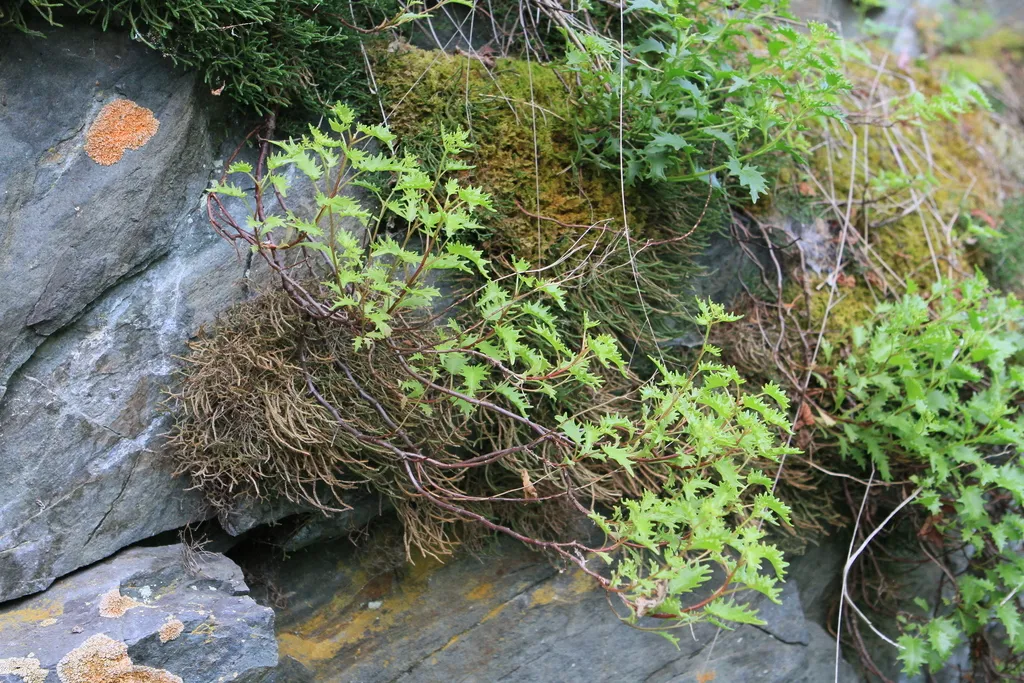
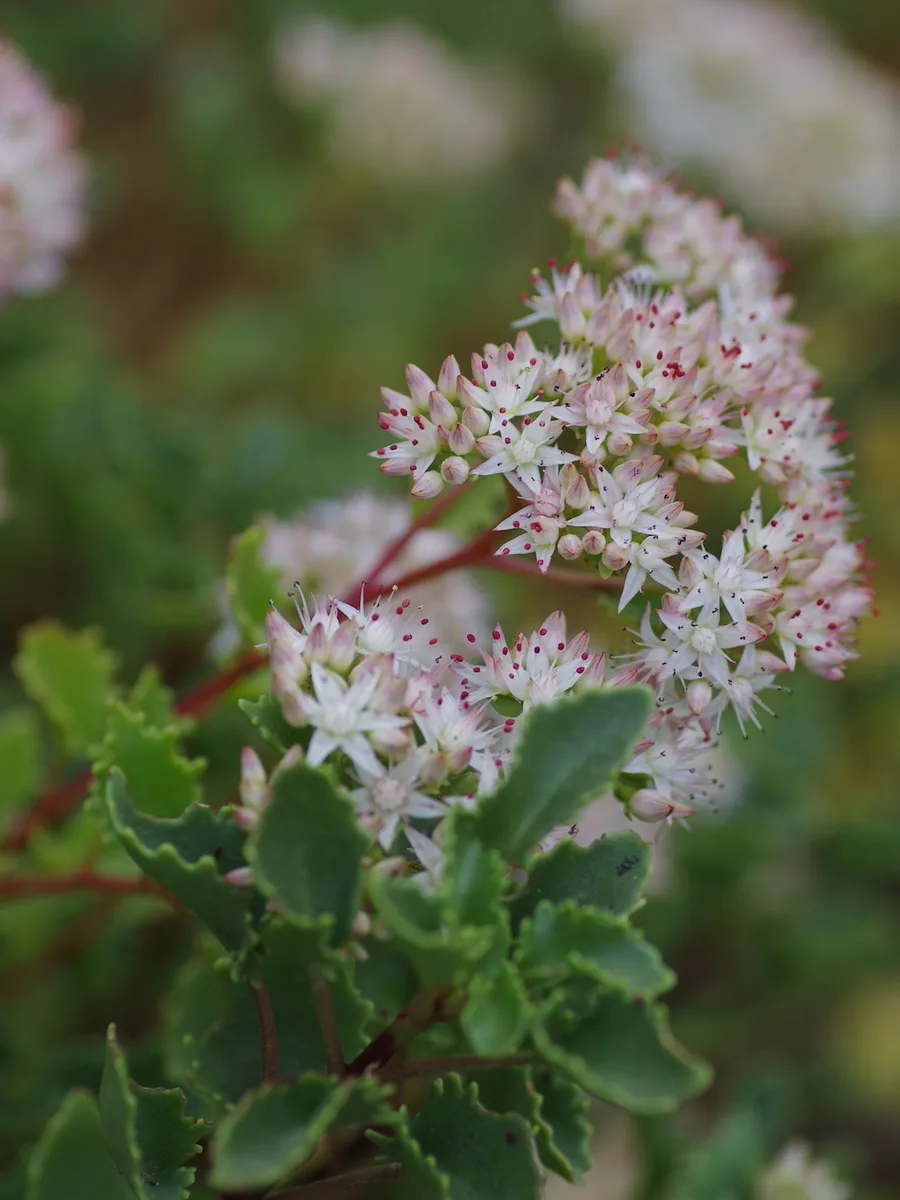
H. populifolium is a slowly-spreading, deciduous sub-shrub with dark brown stems and green, heart-shaped leaves with wavy edges. Clusters of small, scented, star-shaped flowers, white tinged with pink, appear in late summer and early autumn
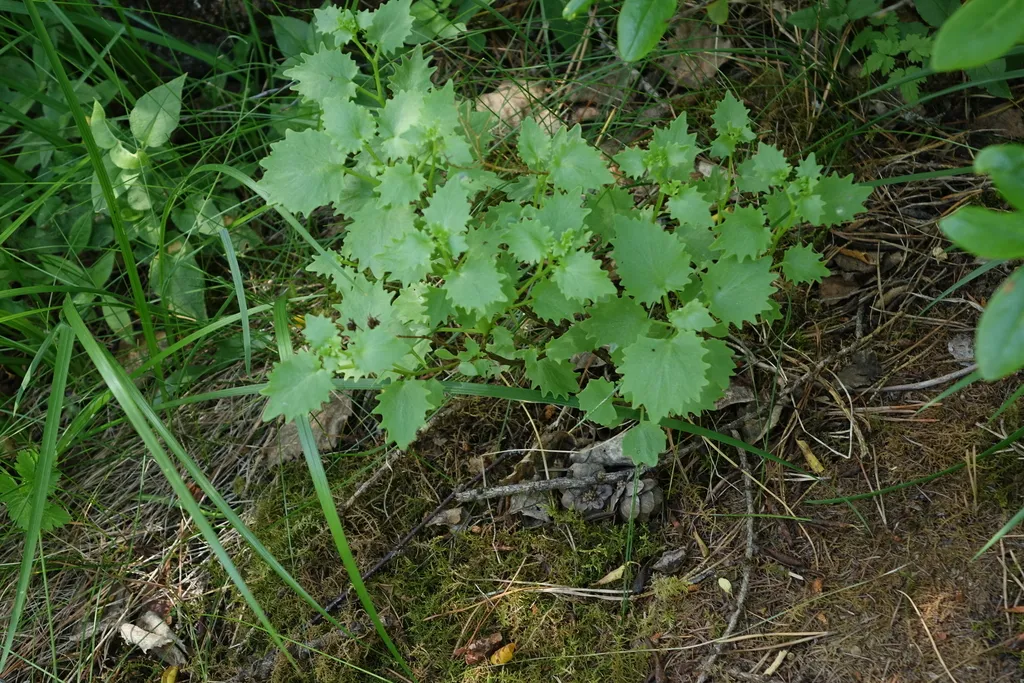
Scientific classification
- Species
- poplar-leaved stonecrop (Hylotelephium populifolium)
- Genus
- Hylotelephium
- Family
- Crassulaceae
- Order
- Saxifragales
- Class
- Magnoliopsida
- Phylum
- Magnoliophyta
- May cause mild stomach upset if eaten, contact with sap may irritate skin. Wear gloves and other protective equipment when handling]
- Toxicity
- Herbaceous Perennial
- Plant type
- 0.1-0.5 metres
- Height
- 0.1-0.5 metres
- Spread
- Deciduous
- Foliage
- Bushy
- Habit
- Spring · Summer · Autumn
- Season of interest
- Full sun
- Sunlight
- Information to be completed
- Ideal temperature









poplar-leaved stonecrop pictures
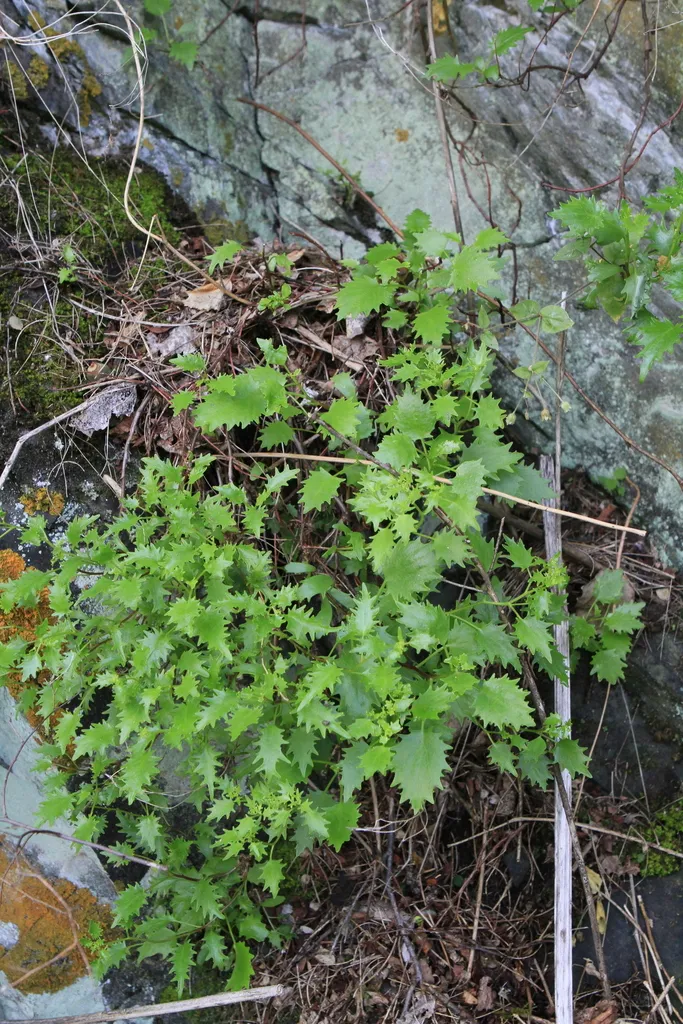
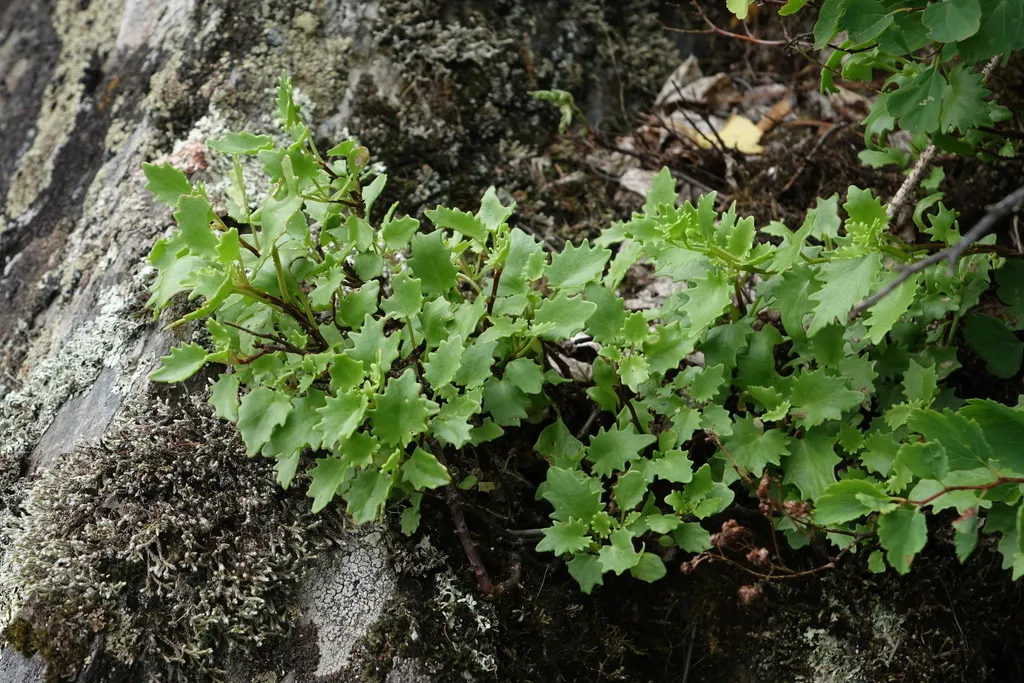
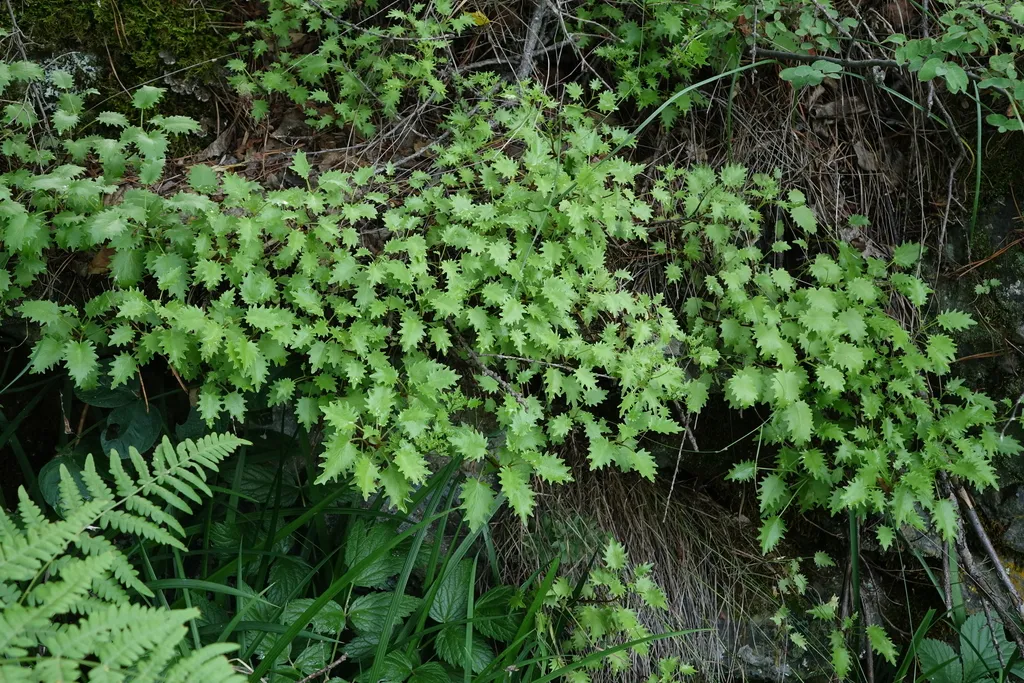
Distribution of poplar-leaved stonecrop
Distribution map
- Native
- Introduced
- Cultivated
Source:WCVP v16 · Royal Botanic Gardens, Kew · CC BY 3.0 · Boundaries:WGSRPD / TDWG
Toxicity
May cause mild stomach upset if eaten, contact with sap may irritate skin. Wear gloves and other protective equipment when handling]
poplar-leaved stonecrop care guide
- Water sparingly, allow soil to dry well between waterings
- Watering
- Full sun
- Sunlight

Watering
Water sparingly, allow soil to dry well between waterings
Fertilizing
 Fertilizing
Very light low nitrogen feed in spring
Pruning
 Pruning
Cut back after flowering to maintain shape or leave seedheads overwinter
Propagation
 Propagation
Propagate by division in spring. Propagate by softwood cuttings of non-flowering shoots in early summer
Growing
 Growing
Grow in moderately fertile, well-drained, neutral to slightly alkaline soil in full sun
Common pests and diseases
Diseases
May be subject to crown rot and root rot
Pests
May be damaged by slugs, snails and vine weevil
Explore the plant health library →




