
prickly poppy
Also known as: Information to be completed
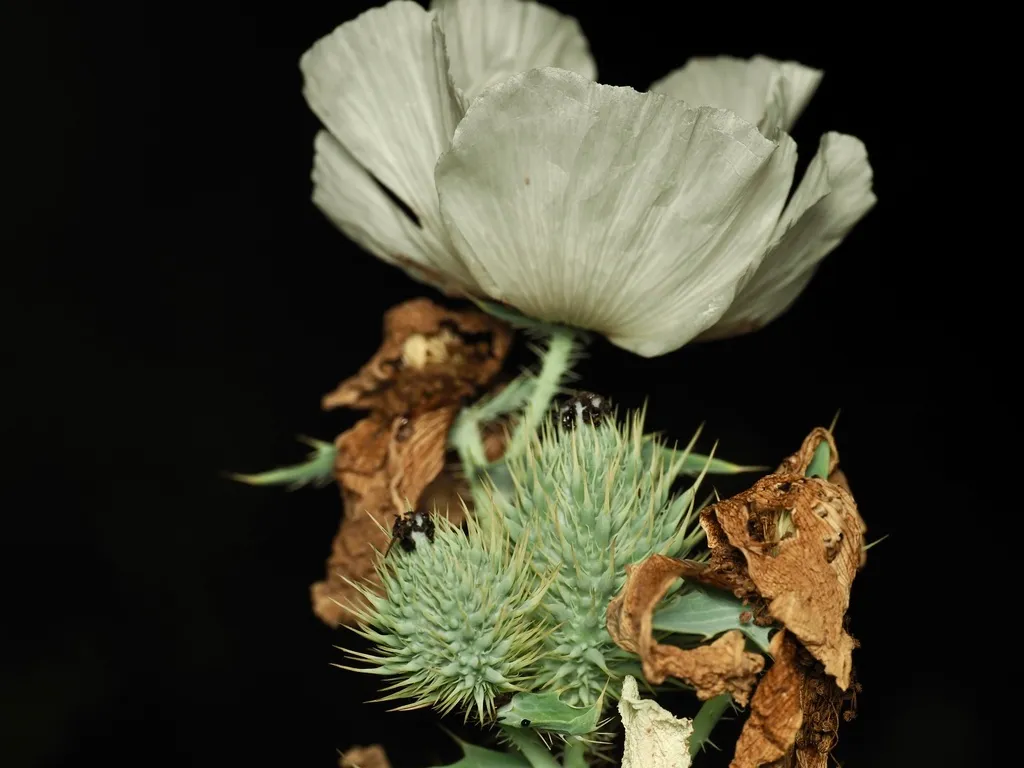
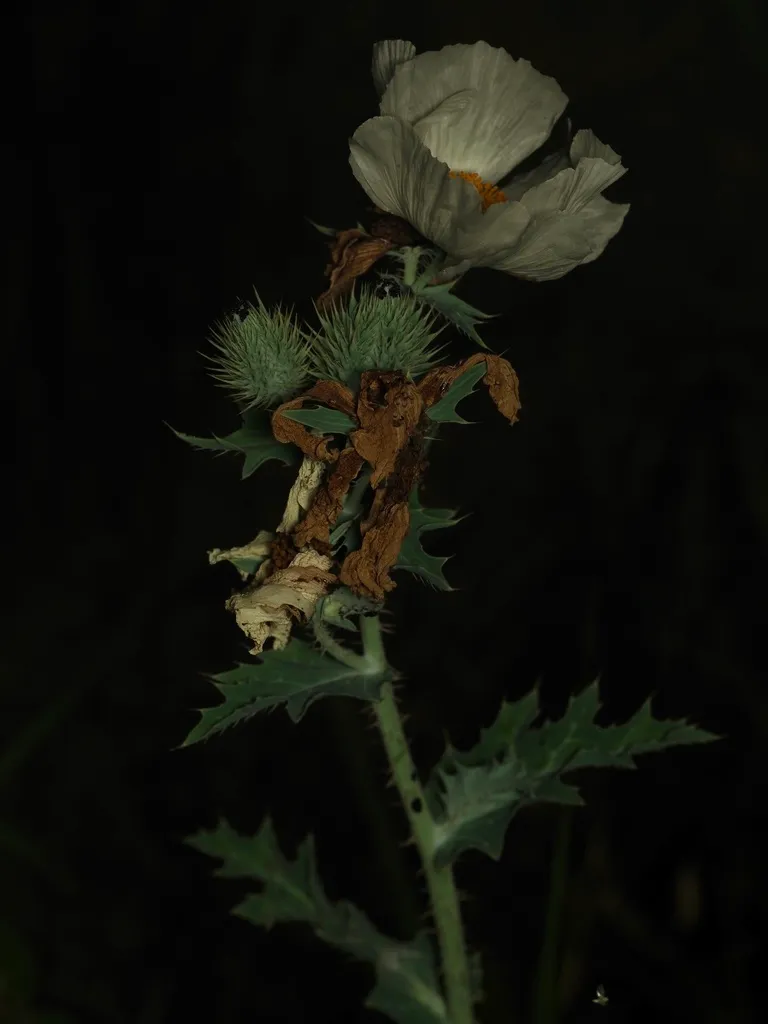
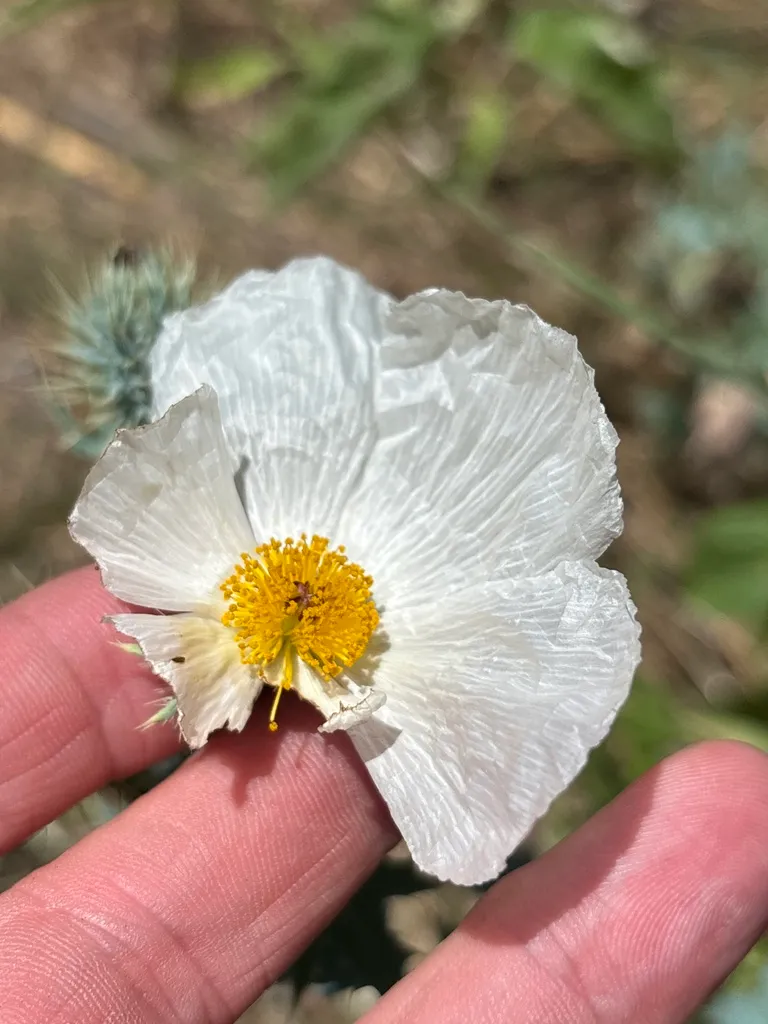
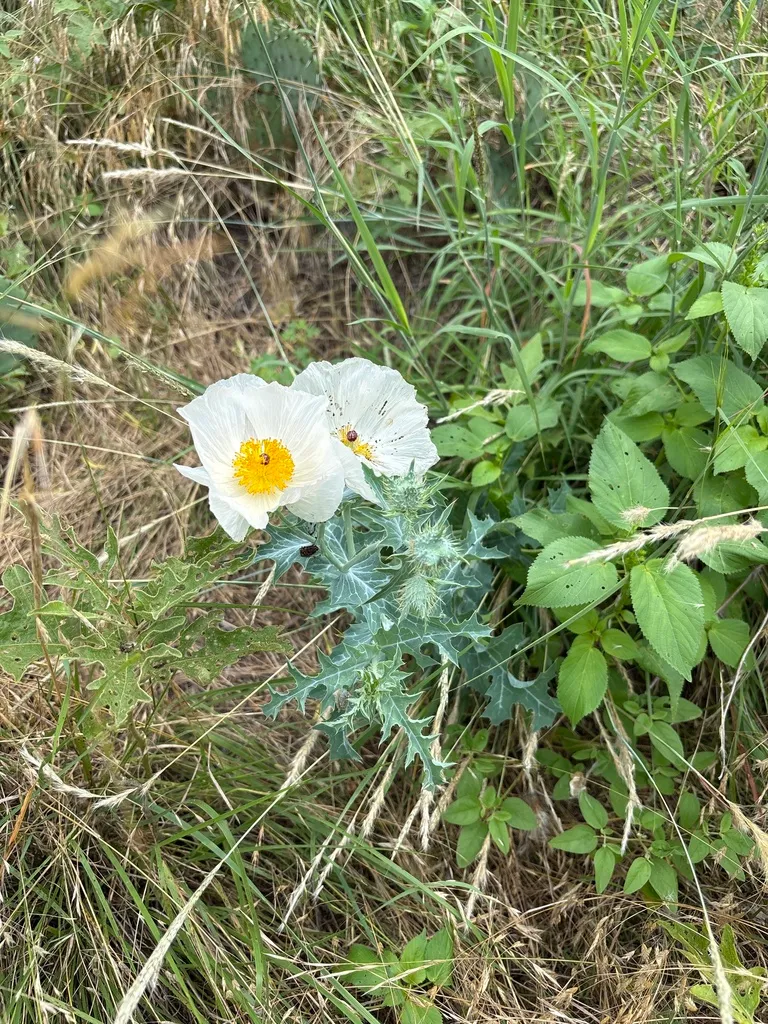
An upright annual or biennial with dark blue-green, thistly-like prickly foliage and large, poppy-like white flowers with yellow to red centres appearing in the summer. Releases a milky, latex-like sap when crushed. Although individual flowers do not last long, they provide continuous blooming collectively. A great addition to a wildflower meadow or wildlife garden
Scientific classification
- Species
- prickly poppy (Argemone albiflora)
- Genus
- Argemone
- Family
- Papaveraceae
- Sap may irritate skin. Wear gloves and other protective equipment when handling
- Toxicity
- Annual Biennial
- Plant type
- 0.5-1 metres
- Height
- 0.5-1 metres
- Spread
- Deciduous
- Foliage
- Columnar upright
- Habit
- Summer
- Season of interest
- Full sun · Partial shade
- Sunlight
- Information to be completed
- Ideal temperature









prickly poppy pictures
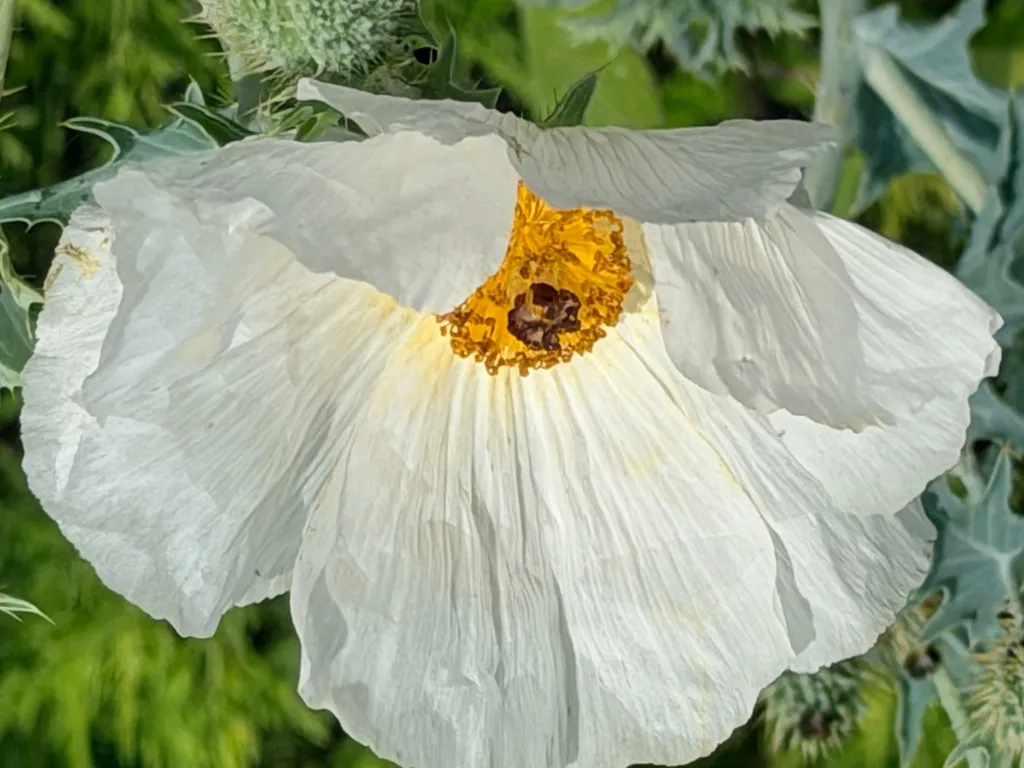
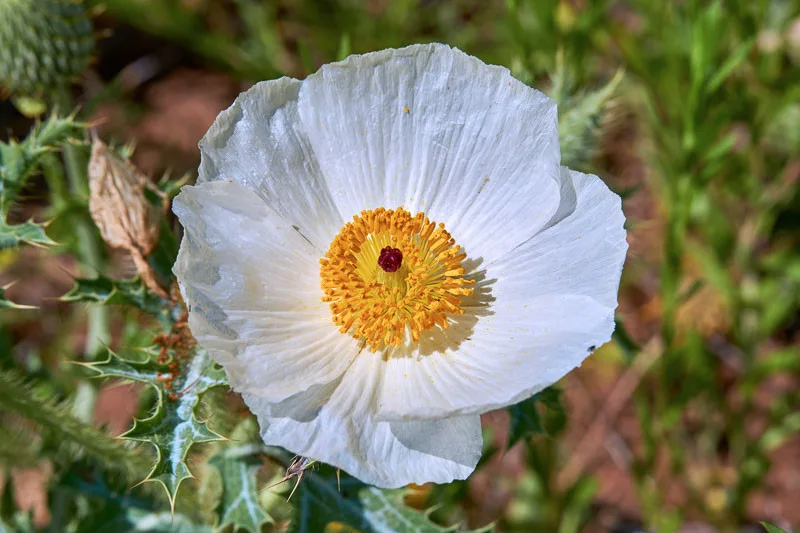
Distribution of prickly poppy
Distribution map
Information to be completed
Information to be completed
Culture
Information to be completed
Toxicity
Sap may irritate skin. Wear gloves and other protective equipment when handling
Quick identification of prickly poppy
Information to be completed
prickly poppy care guide
- Moderate regular watering, avoid prolonged drought and stagnant waterlogging
- Watering
- Full sun · Partial shade
- Sunlight
- Information to be completed
- Ideal temperature

Watering
Moderate regular watering, avoid prolonged drought and stagnant waterlogging
Fertilizing
 Fertilizing
Balanced perennial feed every four weeks spring through summer growth
Pruning
 Pruning
No pruning required
Propagation
 Propagation
Propagate by seed. Self-seeds easily in situ
Growing
 Growing
Grow in well-drained sandy soil in sun or partial shade
People also ask
Information to be completed
Common pests and diseases
Diseases
Generally disease-free
Pests
Generally pest-free
Explore the plant health library →




