
bear grass
Also known as: elk grass; Indian basket grass
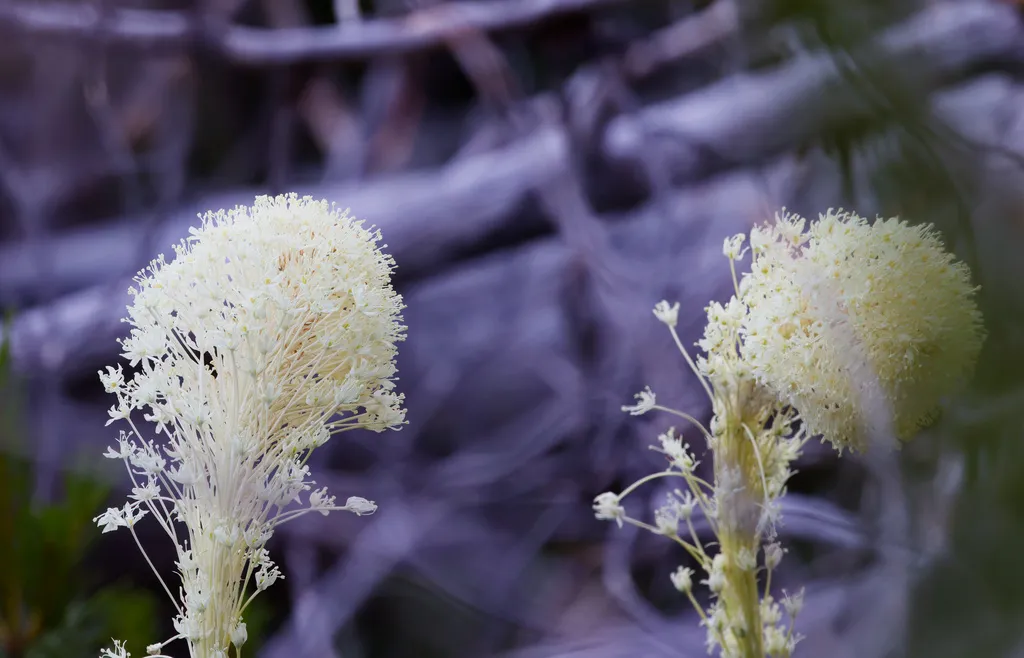
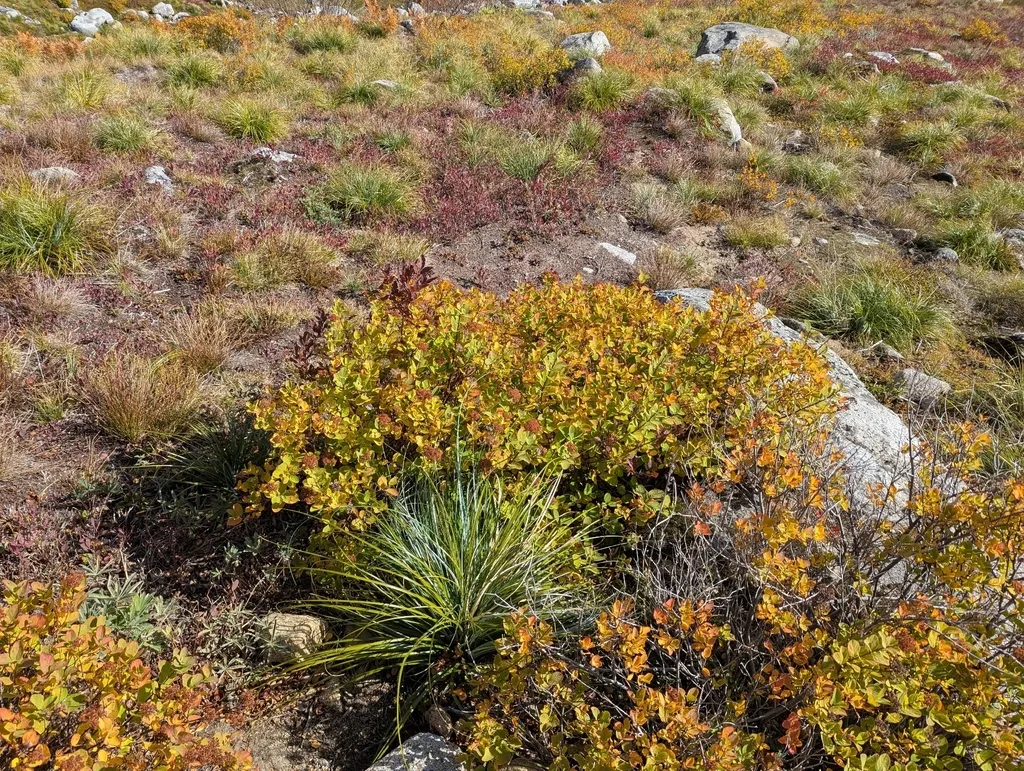
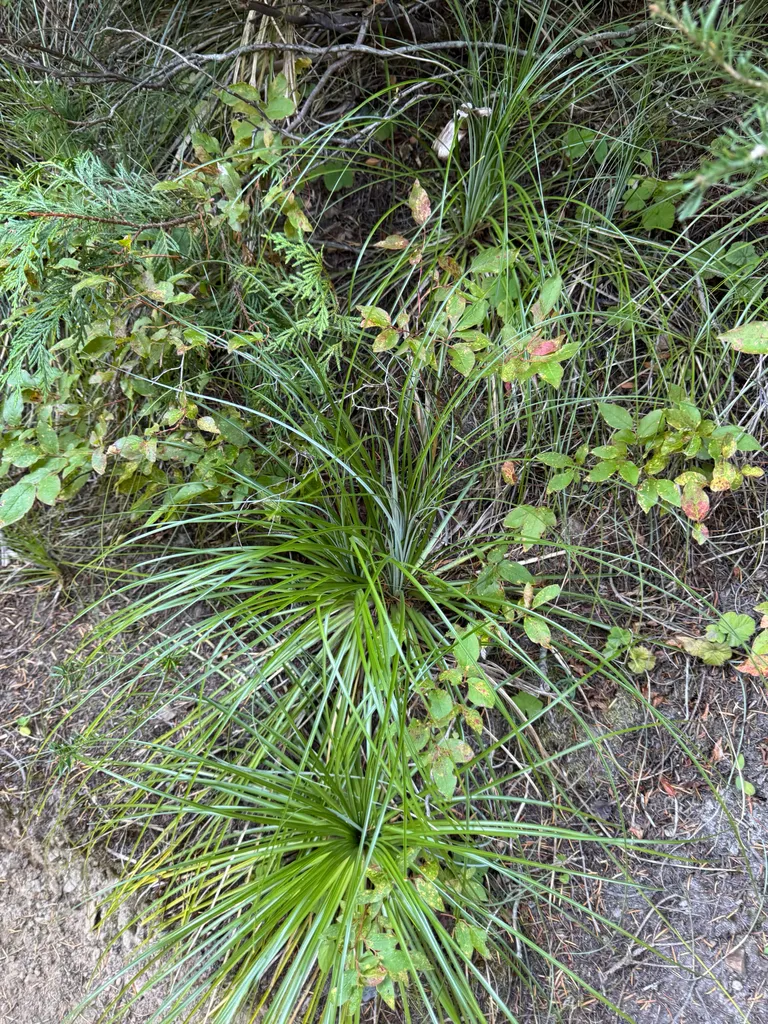
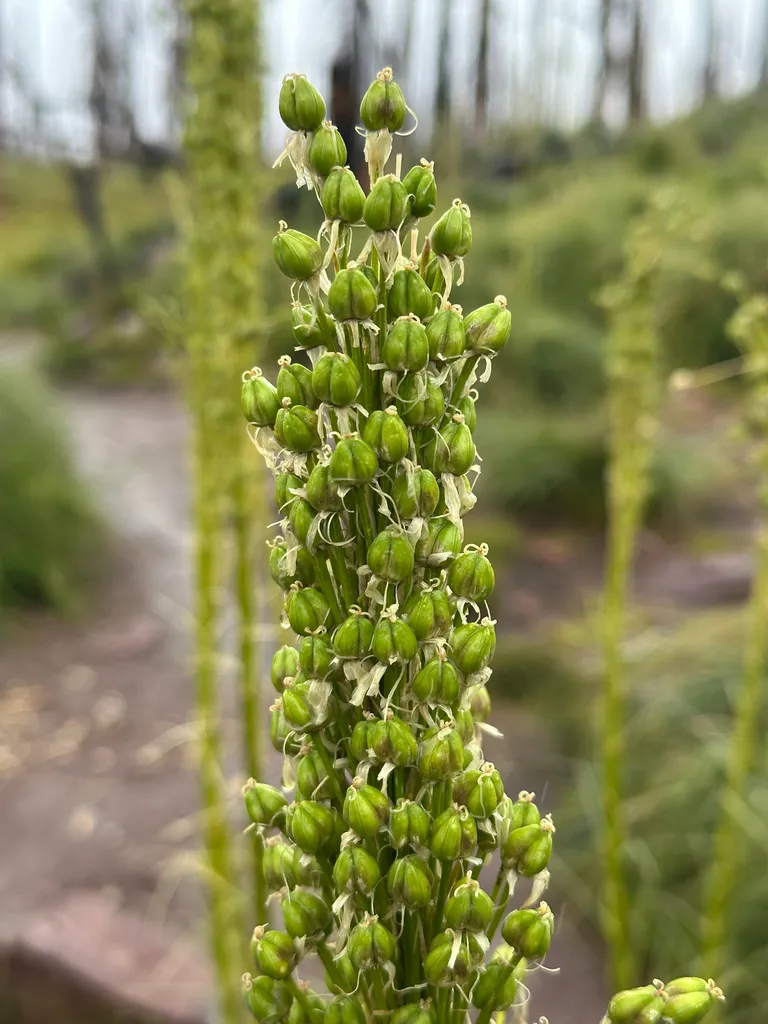
An upright, rhizomatous perennial to 75cm tall, forming a clump of stiff, grass-like leaves; mid-green above, glaucous blue-green beneath and with rough margins. In summer it produces dense, terminal clusters of small, funnel-shaped white to cream flowers; these are good for cutting
Scientific classification
- Species
- bear grass (Xerophyllum tenax)
- Genus
- Xerophyllum
- Family
- Melanthiaceae
- Order
- Liliales
- Class
- Magnoliopsida
- Phylum
- Tracheophyta
- Information to be completed
- Toxicity
- Grass Like
- Plant type
- 0.5-1 metres
- Height
- 0.1-0.5 metres
- Spread
- Evergreen
- Foliage
- Tufted
- Habit
- Spring · Summer · Autumn · Winter
- Season of interest
- Full sun
- Sunlight
- Information to be completed
- Ideal temperature









bear grass pictures
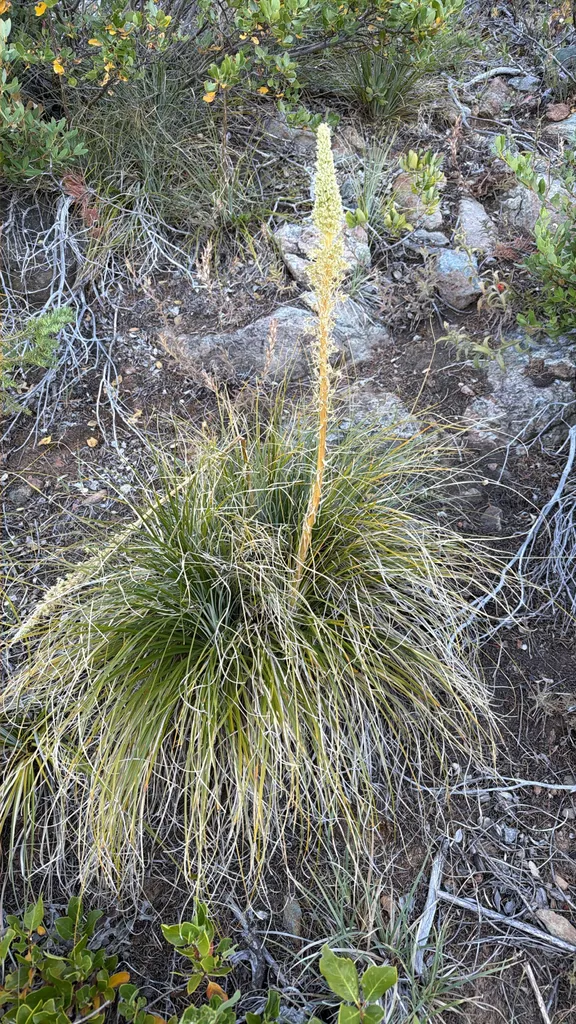
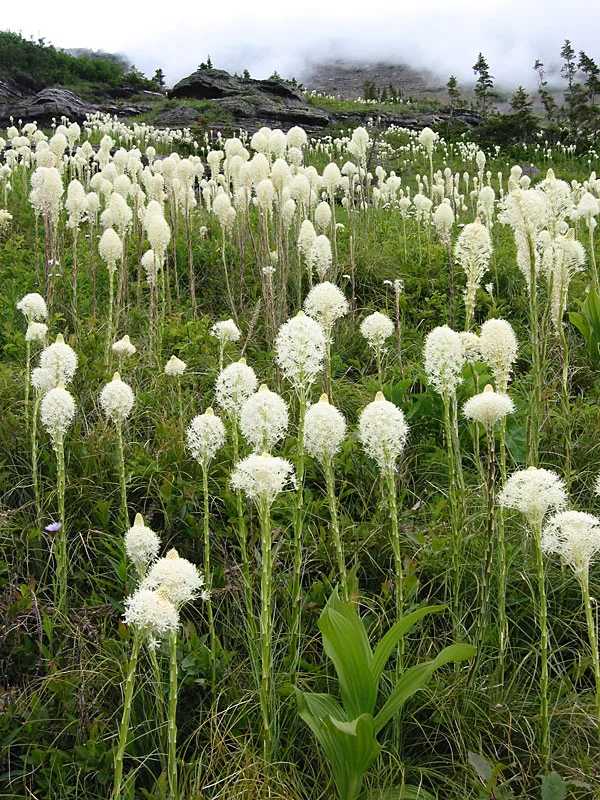
Distribution of bear grass
Distribution map
- Native
- Introduced
- Cultivated
Source:WCVP v16 · Royal Botanic Gardens, Kew · CC BY 3.0 · Boundaries:WGSRPD / TDWG
bear grass care guide
- Moderate regular watering, avoid prolonged drought or waterlogging
- Watering
- Full sun
- Sunlight

Watering
Moderate regular watering, avoid prolonged drought or waterlogging
Fertilizing
 Fertilizing
Balanced feed in spring and light repeat in growth season
Pruning
 Pruning
No pruning required
Propagation
 Propagation
Propagate by seed, or by dividing the crowns in early spring
Growing
 Growing
Grow in moderately fertile, moist but well-drained soil in full sun. Protect the crowns with a dry winter mulch
Common pests and diseases
Diseases
Generally disease-free
Pests
Generally pest-free
Explore the plant health library →




