
pink calla
Also known as: pink arum; red calla
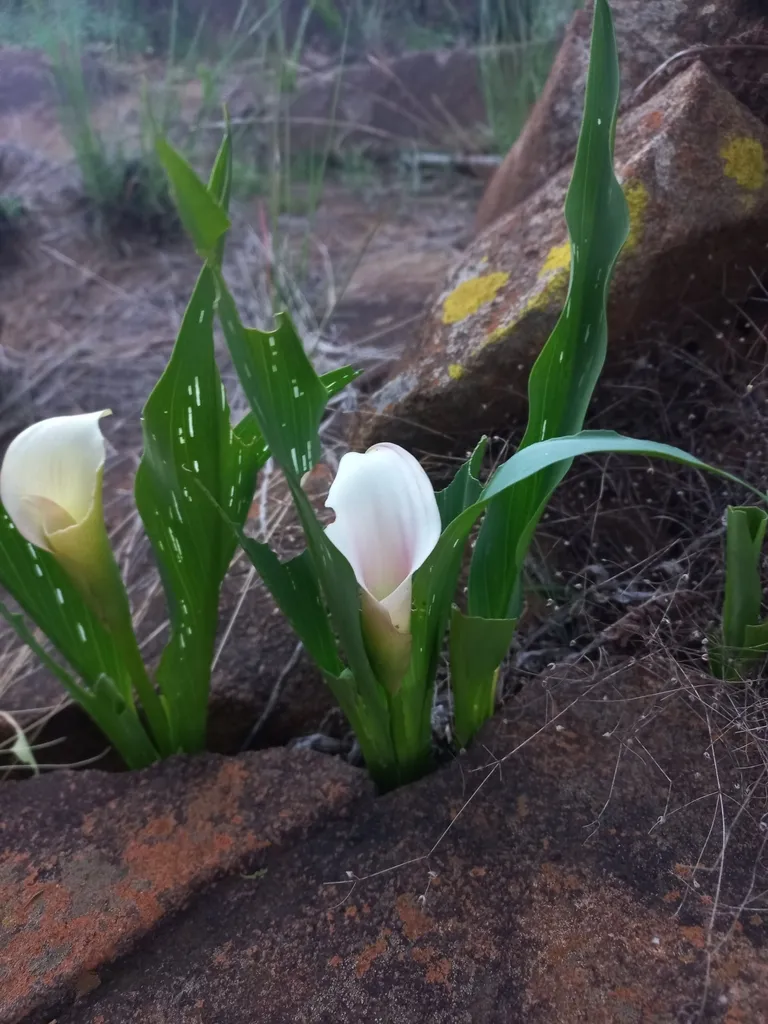
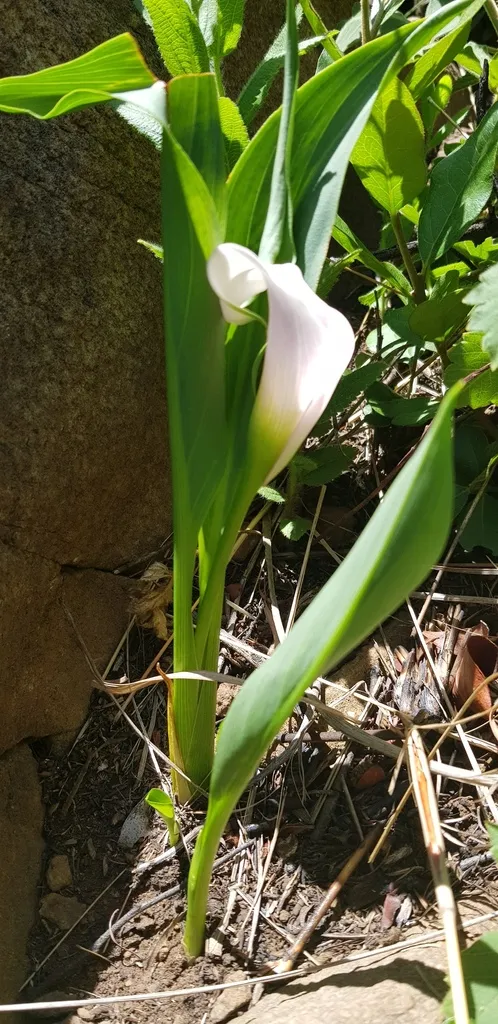
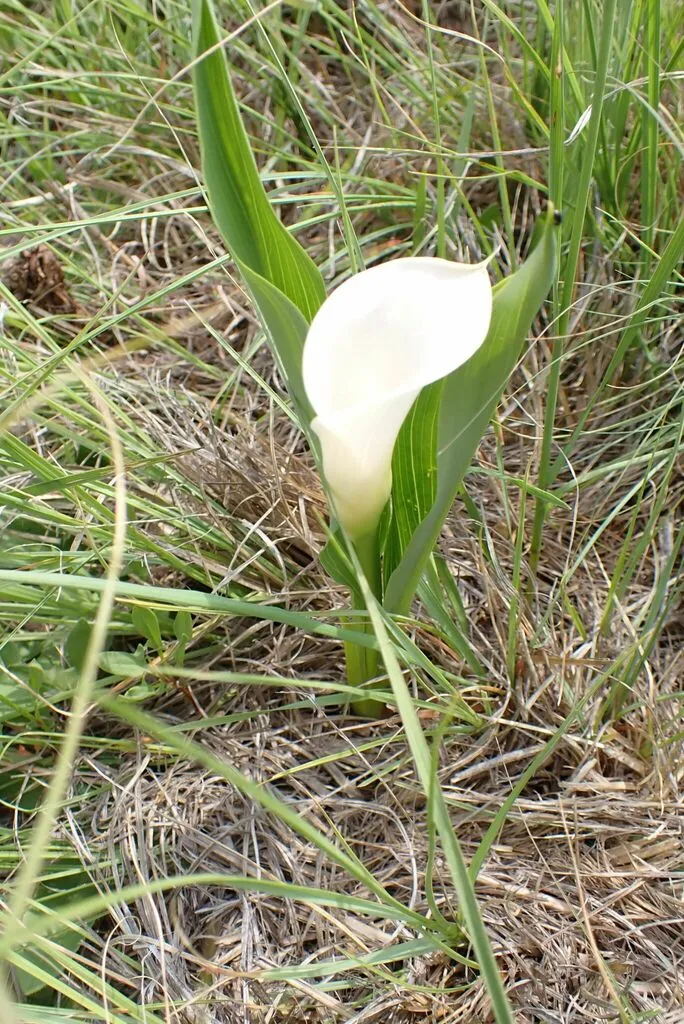
A tender, rhizomatous perennial to 40cm tall, forming a clump of dark green, lance-shaped leaves. In summer it freely produces exotic-looking flowers, composed of a funnel-shaped pink spathe to 12cm long around a yellow spadix
Scientific classification
- Species
- pink calla (Zantedeschia rehmannii)
- Genus
- Zantedeschia
- Family
- Araceae
- Order
- Alismatales
- Class
- Magnoliopsida
- Phylum
- Tracheophyta
- Harmful if eaten, skin/eye irritant. Wear gloves and other protective equipment when handling]
- Toxicity
- Conservatory Greenhouse · Houseplants
- Plant type
- 0.1-0.5 metres
- Height
- 0.1-0.5 metres
- Spread
- Deciduous
- Foliage
- Clump forming
- Habit
- Spring · Summer · Autumn
- Season of interest
- Full sun
- Sunlight
- 15 – 25 °C
- Ideal temperature









pink calla pictures
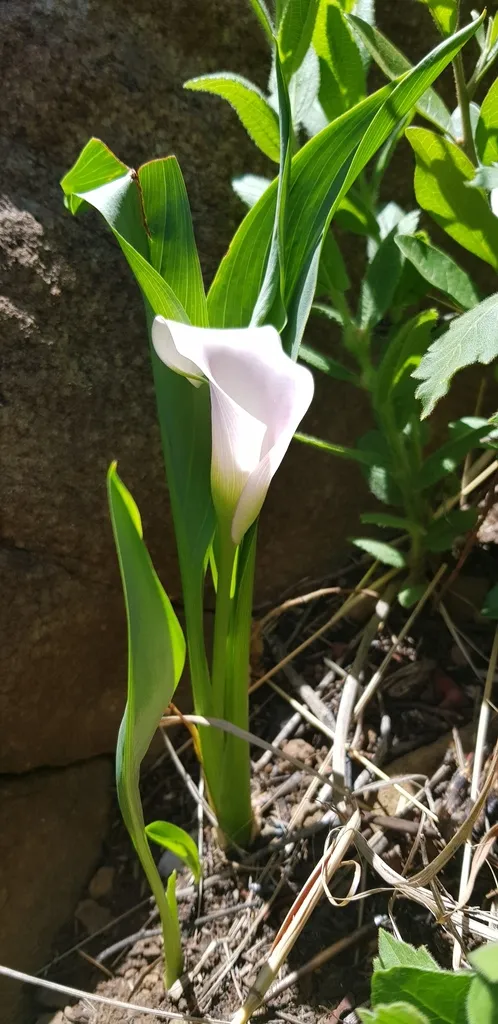
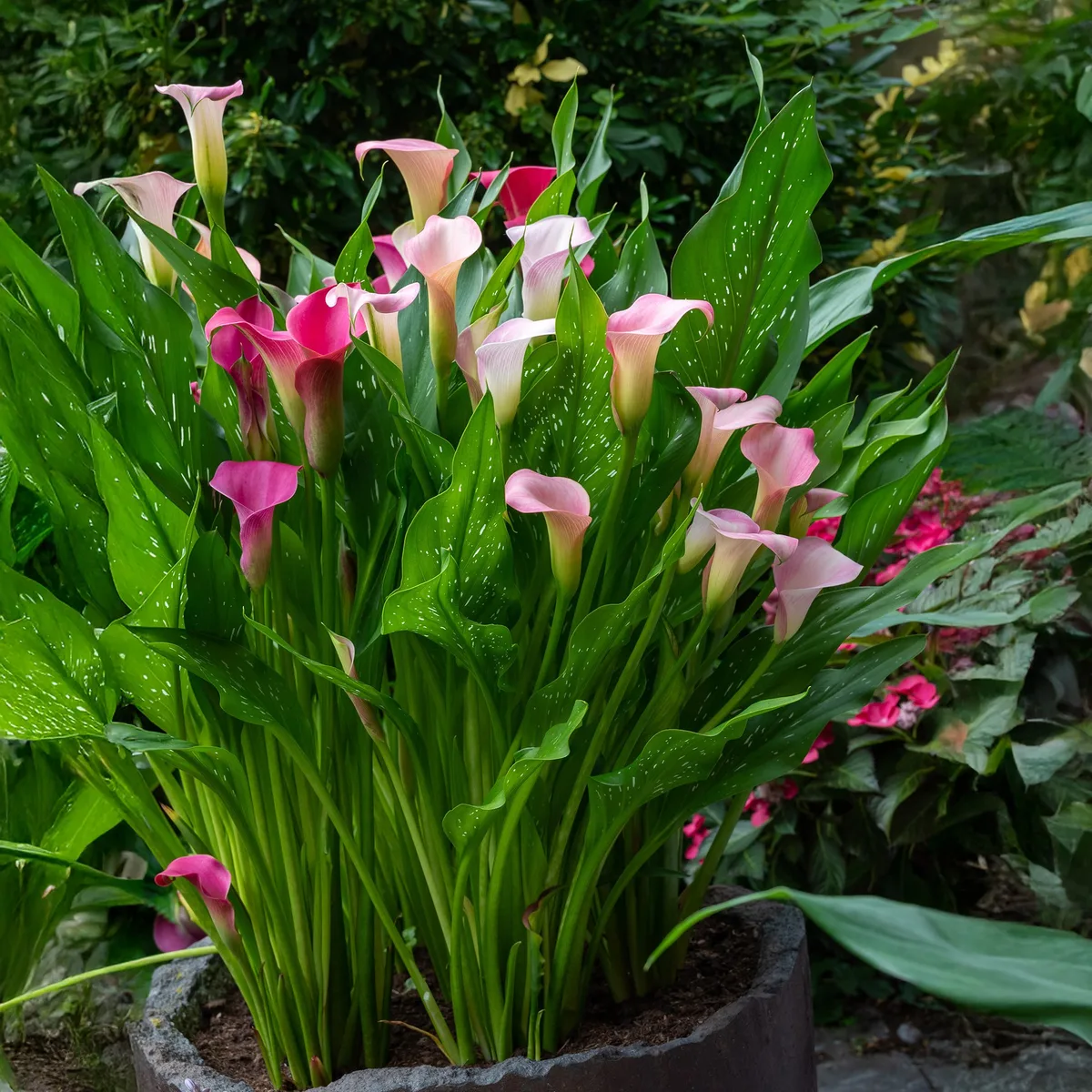
Distribution of pink calla
Distribution map
- Native
- Introduced
- Cultivated
Source:WCVP v16 · Royal Botanic Gardens, Kew · CC BY 3.0 · Boundaries:WGSRPD / TDWG
Toxicity
Harmful if eaten, skin/eye irritant. Wear gloves and other protective equipment when handling]
pink calla care guide
- Moderate regular watering, allowing brief slight drying between soakings
- Watering
- Full sun
- Sunlight
- 15 – 25 °C
- Ideal temperature

Watering
Moderate regular watering, allowing brief slight drying between soakings
Fertilizing
 Fertilizing
Balanced perennial feed every four weeks from spring through summer
Pruning
 Pruning
Remove the flowers as they start to fade, pulling the entire stem out at the base
Propagation
 Propagation
Propagate by seed or division
Growing
 Growing
Grow in loam-based potting compost in full light. When in growth, water freely and apply a balanced liquid fertiliser every 2-3 weeks. Calla lilies need a period of dormancy over winter, with little or no water. Once the leaves die down after flowering, move them to a dry, frost-free, preferably dark location until spring. See Zantedeschia cultivation
Common pests and diseases
Diseases
Generally disease-free
Pests
May be susceptible to glasshouse red spider mite
Explore the plant health library →




