
beehive ginger
Also known as: Information to be completed
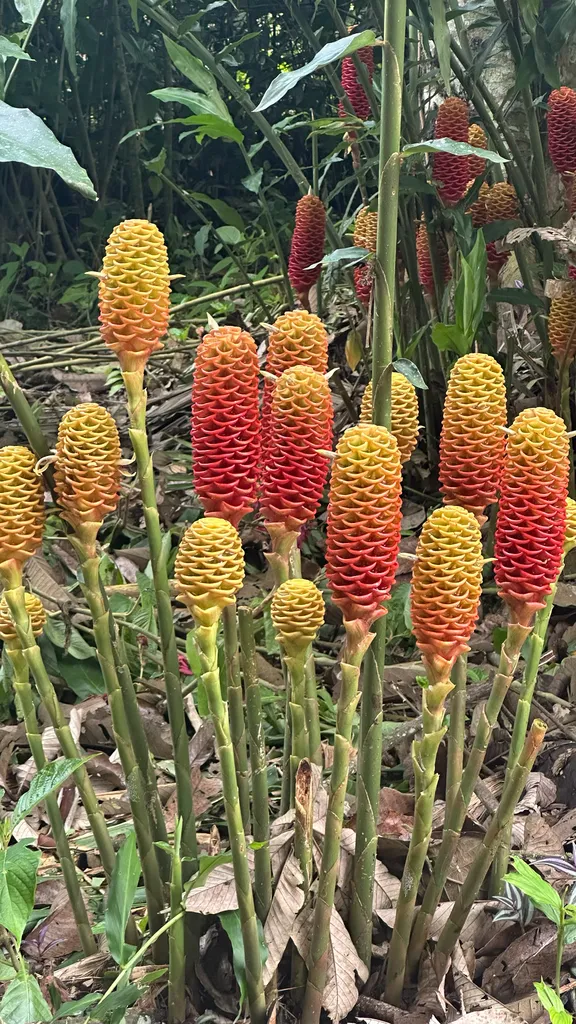
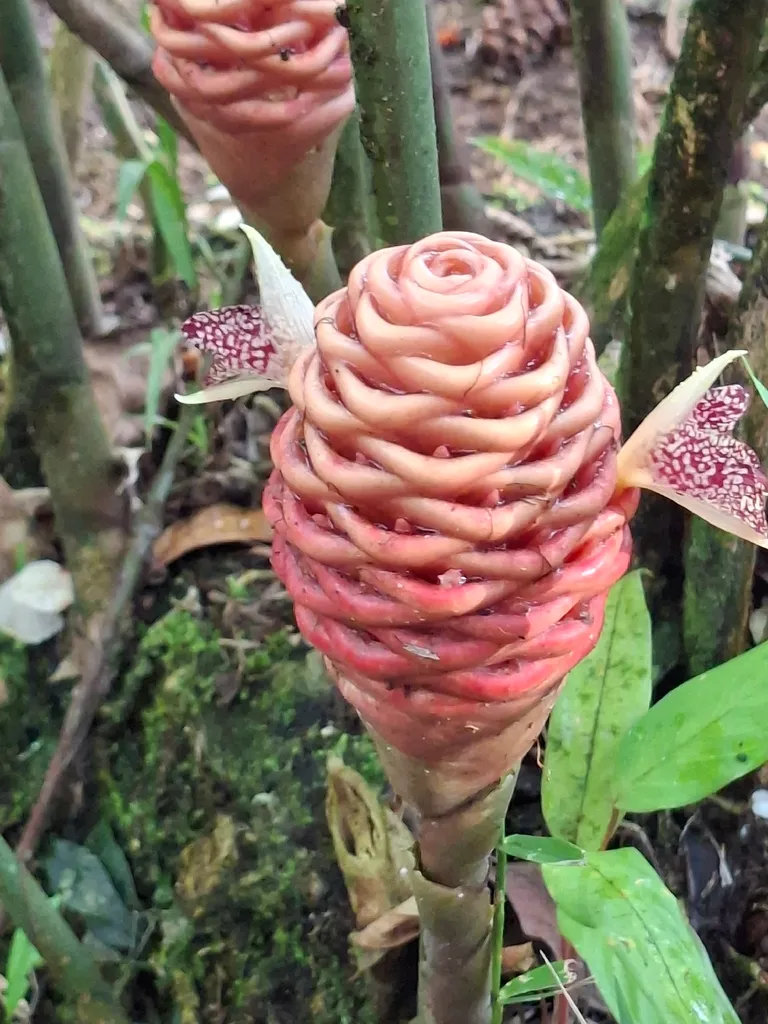
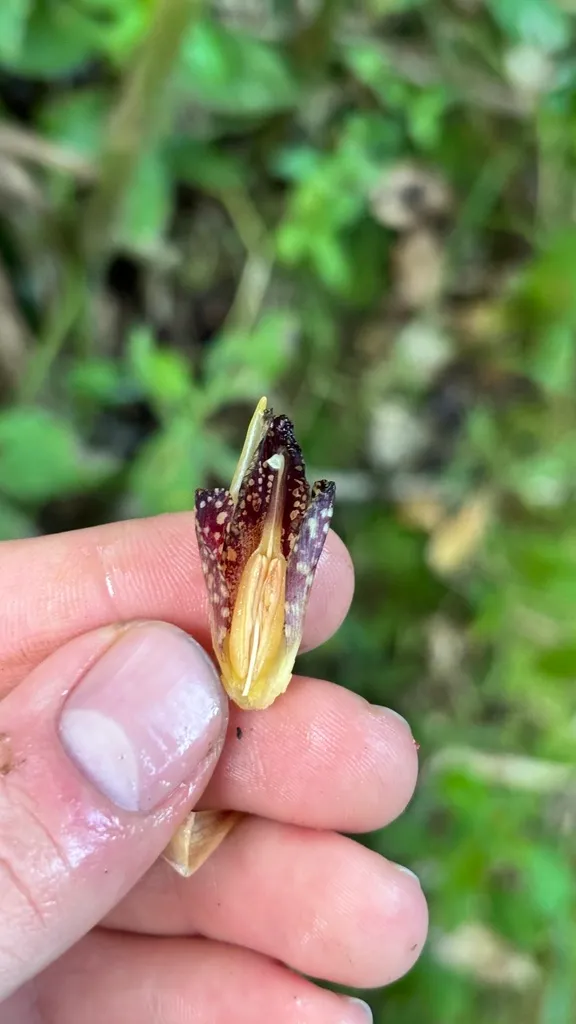
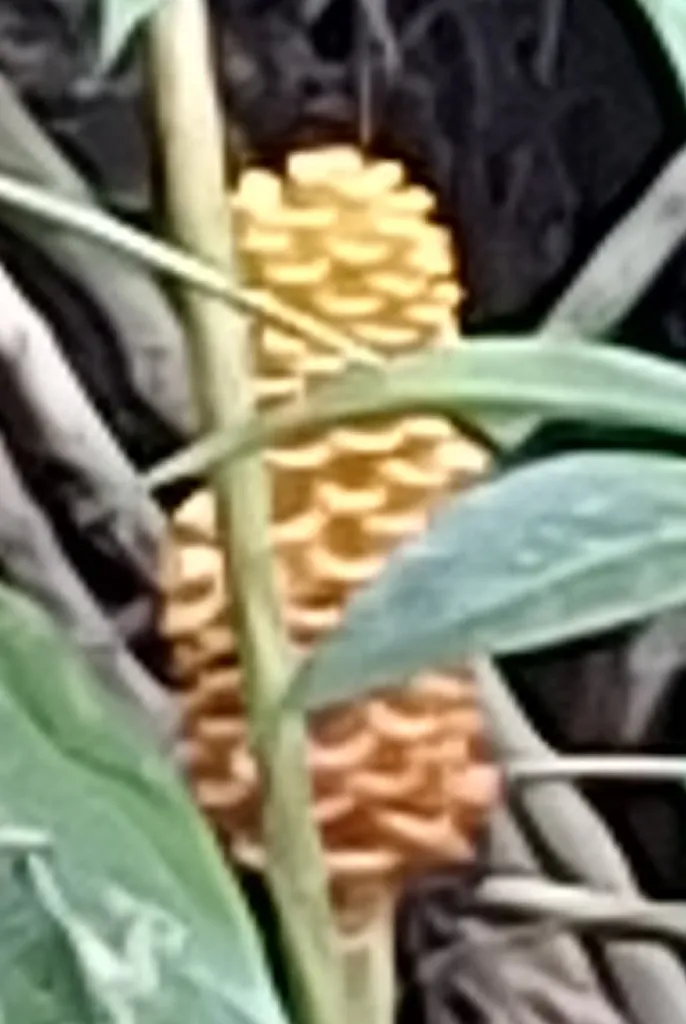
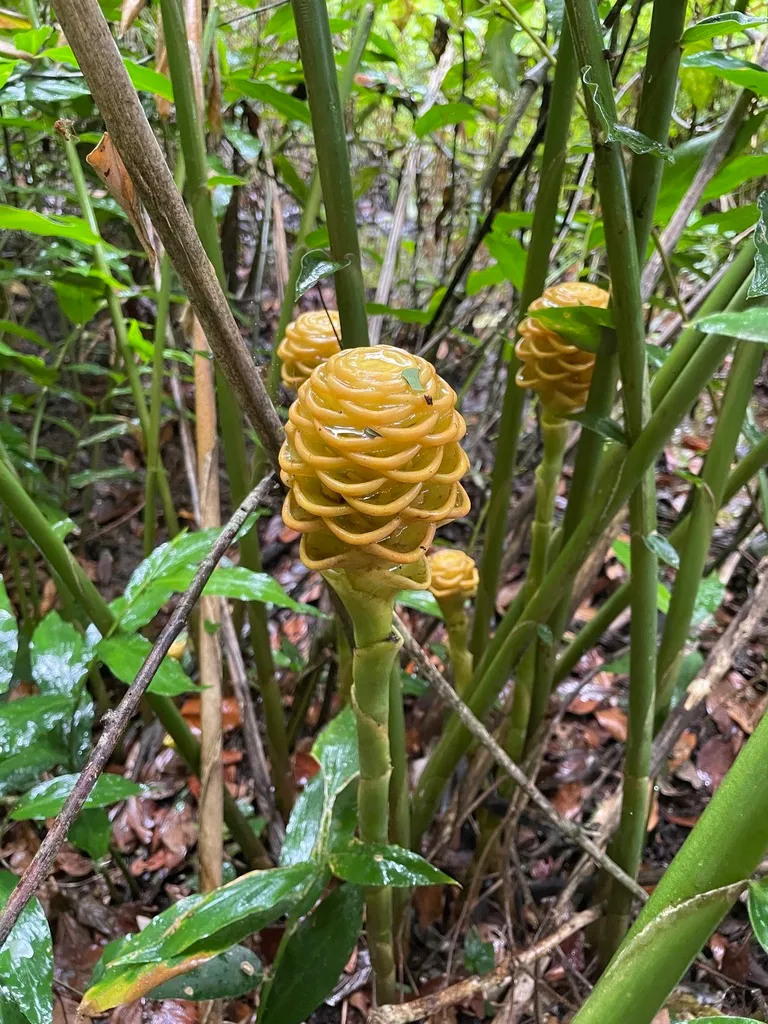
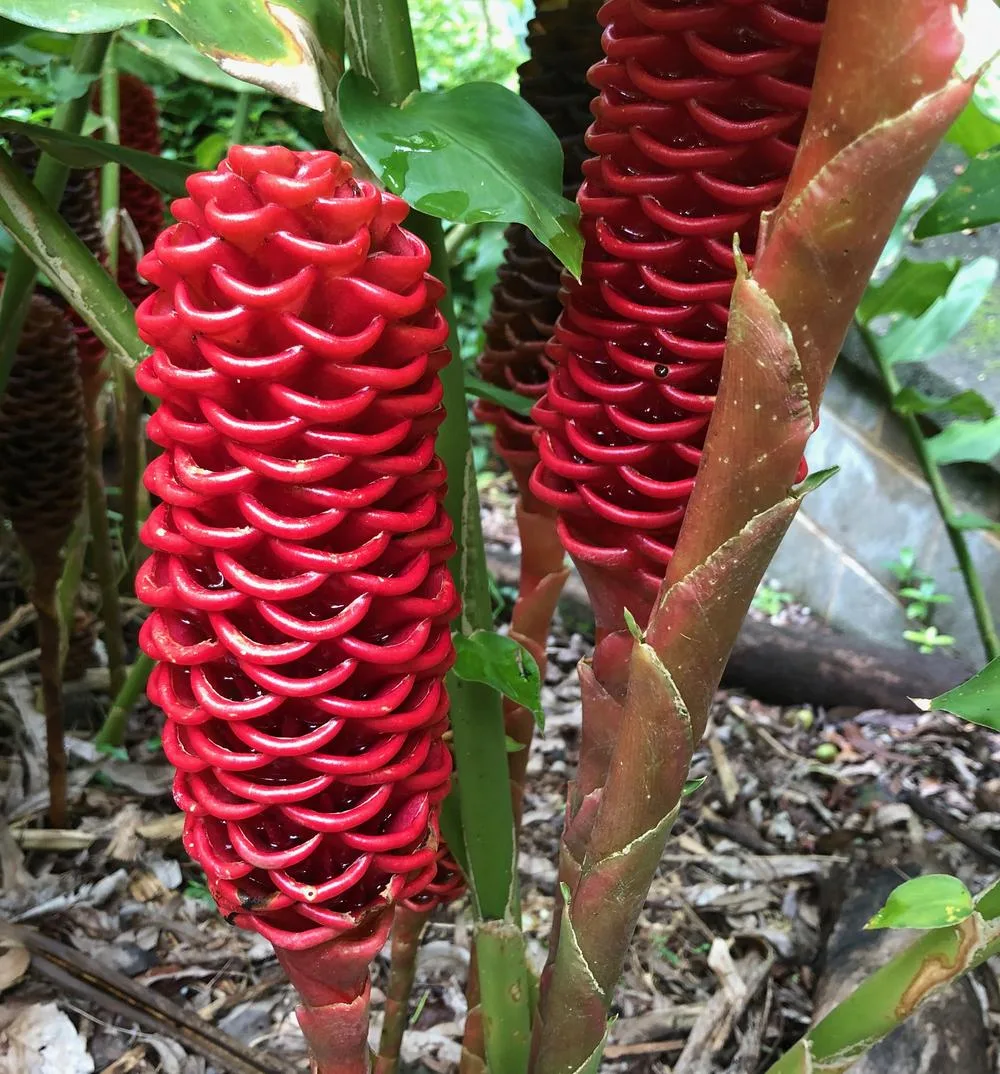
a rhizomatous perennial with erect, unbranched stems up to 2.5m tall arising from the fleshy rhizomes bearing narrow, lance-shaped leaves. Small, purple and white flowers with yellow spots are borne on stems up to 50cm tall and emerge from pale yellow-orange bracts that overlap to form a cylindrical, beehive-like structure; the bracts may darken with age to orange and red
Scientific classification
- Species
- beehive ginger (Zingiber spectabile)
- Genus
- Zingiber
- Family
- Zingiberaceae
- Information to be completed
- Toxicity
- Herbaceous Perennial · Conservatory Greenhouse
- Plant type
- 2.5-4 metres
- Height
- 0.5-1 metres
- Spread
- Deciduous
- Foliage
- Columnar upright
- Habit
- Spring · Summer · Autumn
- Season of interest
- Full sun · Partial shade
- Sunlight
- Information to be completed
- Ideal temperature









beehive ginger pictures
Distribution of beehive ginger
Distribution map
Malaysia
Information to be completed
Culture
Information to be completed
Toxicity
Information to be completed
Quick identification of beehive ginger
Information to be completed
beehive ginger care guide
- Moderate regular watering, allowing brief slight drying between soakings
- Watering
- Full sun · Partial shade
- Sunlight
- Information to be completed
- Ideal temperature

Watering
Moderate regular watering, allowing brief slight drying between soakings
Fertilizing
 Fertilizing
Balanced perennial feed every four weeks from spring through summer
Pruning
 Pruning
Cut back old stems as they die back in the autumn
Propagation
 Propagation
Propagate by seed or by division of well-established plants in early spring, or by separating and replanting sections of rhizome 15-20cm long in spring or early summer
Growing
 Growing
Grow in rich, well-drained, moisture-retentive soil in filtered sunlight and high humidity, either directly in the border of a heated greenhouse, or in a container indoors
People also ask
Information to be completed
Common pests and diseases
Diseases
Generally trouble free
Pests
May be susceptible to glasshouse red spider mite under glass
Explore the plant health library →




