
Azara dentata
Also known as: Information to be completed
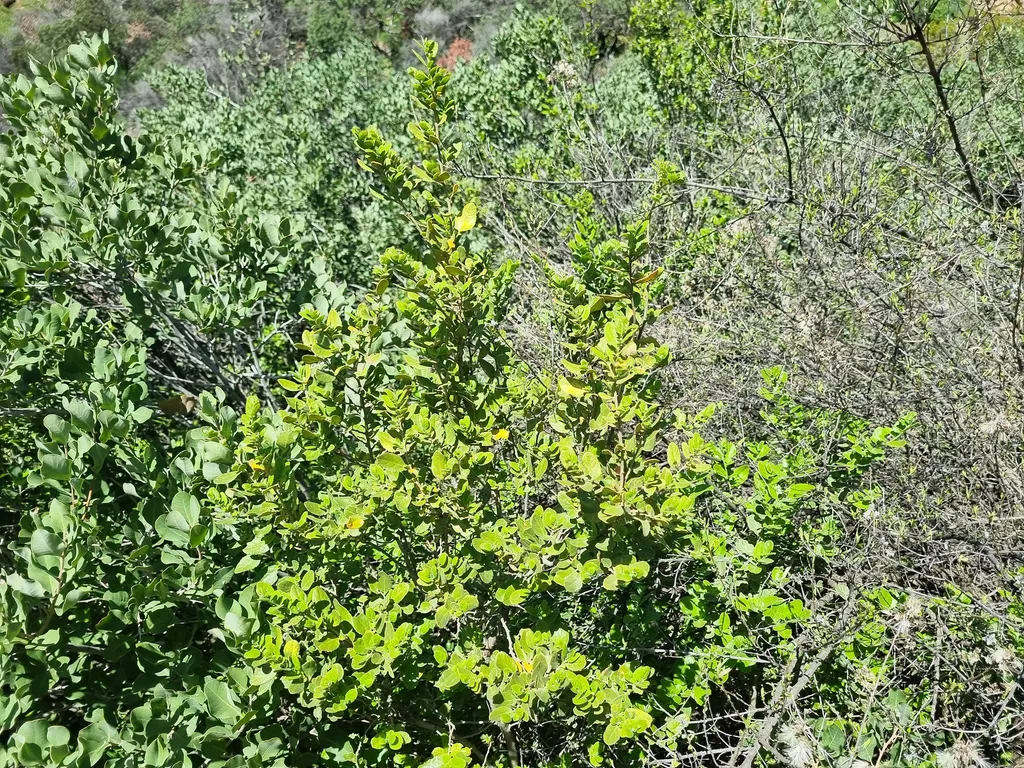
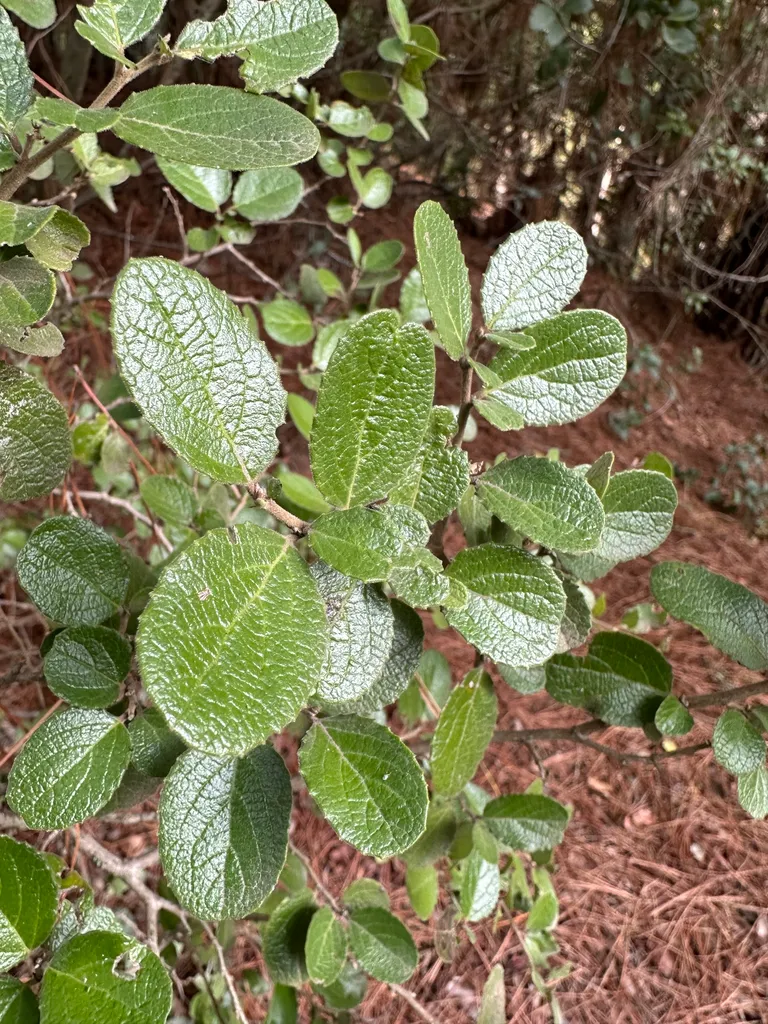
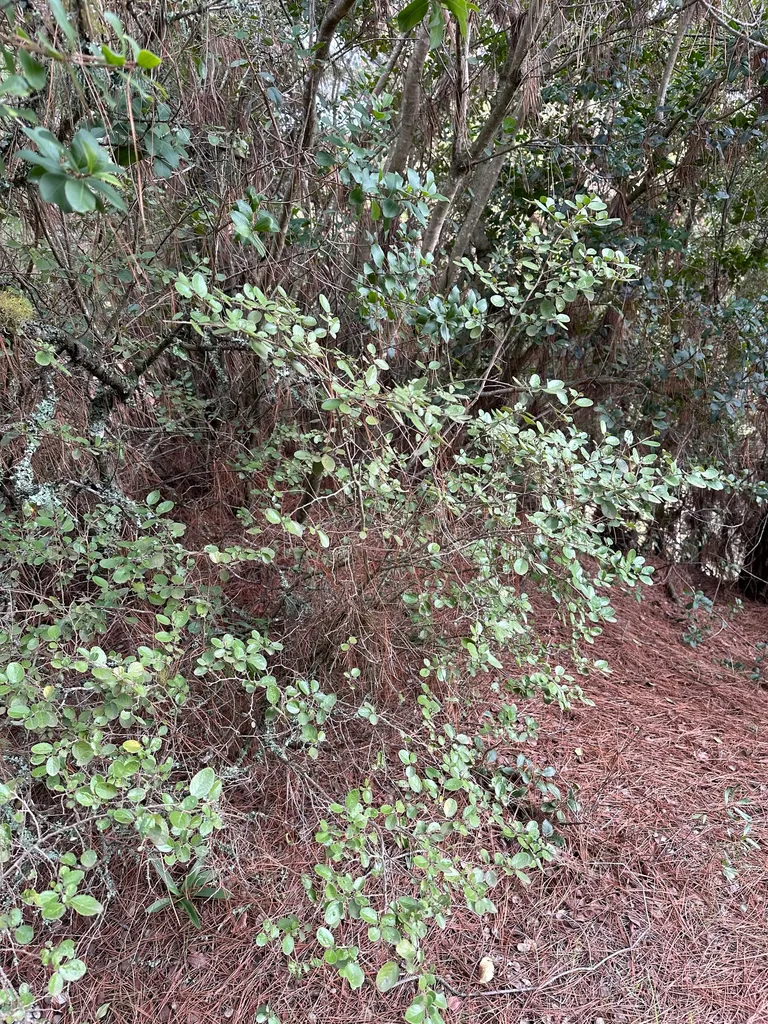
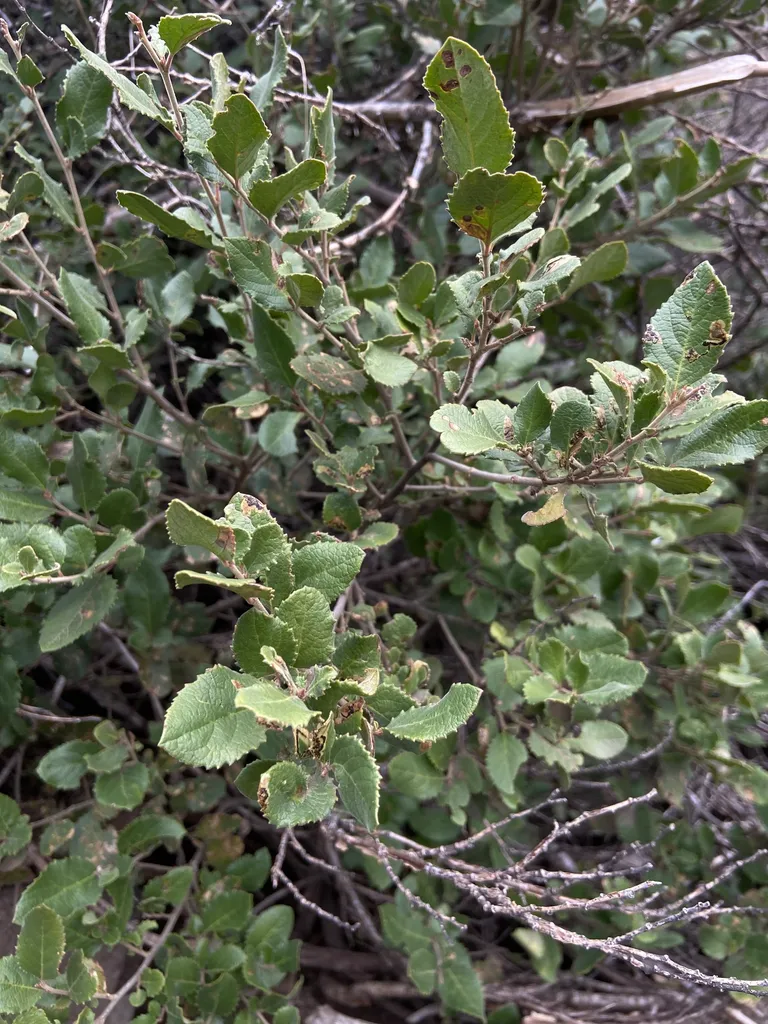
A medium sized evergreen shrub with smallish, rigid, oval leaves with serrated edges that are green above and densely grey-felted beneath. The flowers appear in mid summer on new shoots in clusters and are globular, small, and yellow-green to mustard yellow as they mature. They are strongly fragrant, and have no showy petals but conspicuous long, brightly colored, stamens, so look like mini spiky pom-poms. The fruit is a red-black berry approximately 3–10 mm diameter.
Scientific classification
- Species
- Azara dentata (Azara dentata)
- Genus
- Azara
- Family
- Salicaceae
- Information to be completed
- Toxicity
- Shrubs
- Plant type
- 4-8 metres
- Height
- 2.5-4 metres
- Spread
- Evergreen
- Foliage
- Bushy
- Habit
- Spring · Summer · Autumn · Winter
- Season of interest
- Full sun · Partial shade
- Sunlight
- Information to be completed
- Ideal temperature









Azara dentata pictures
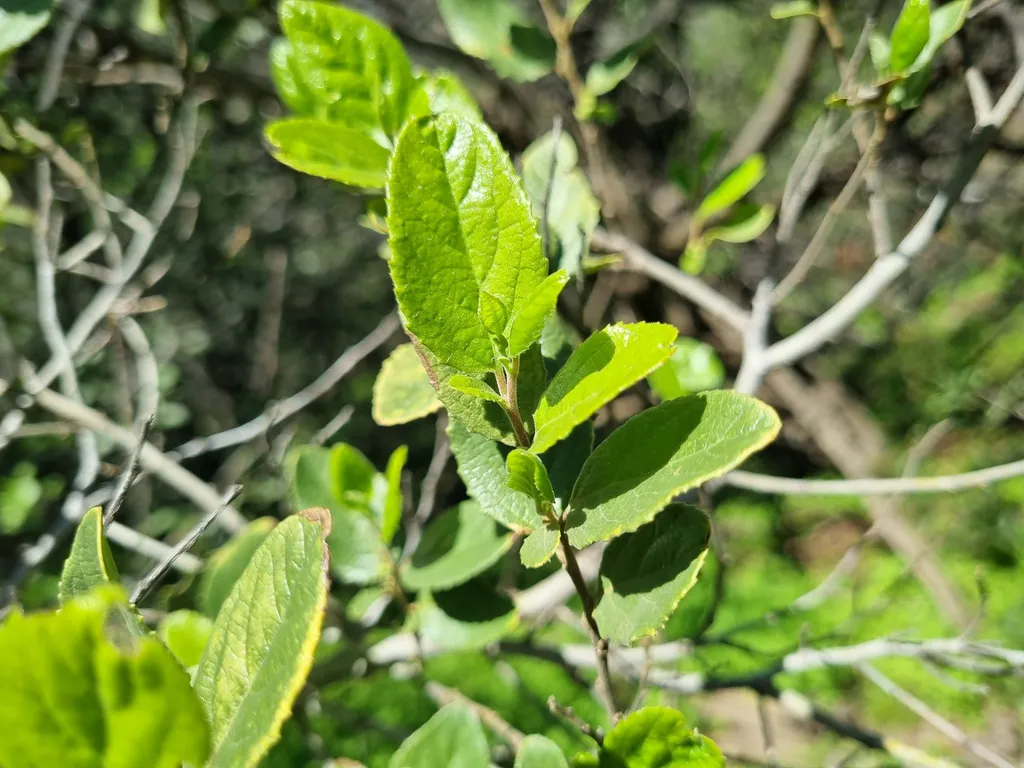
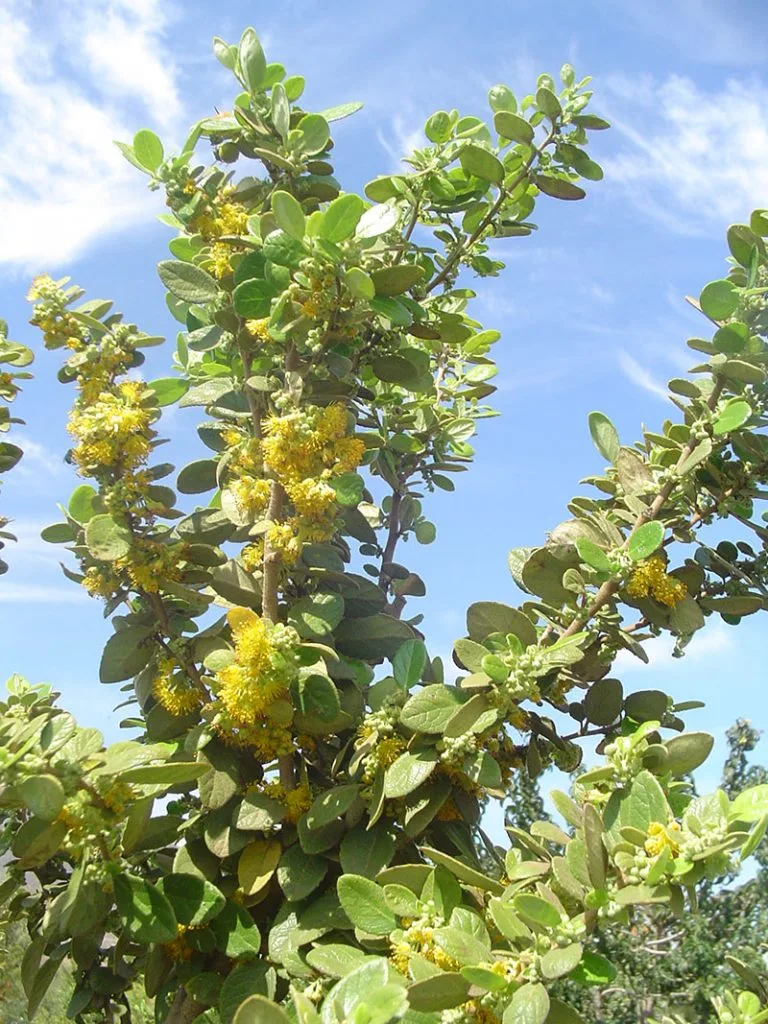
Distribution of Azara dentata
Distribution map
Information to be completed
Information to be completed
Culture
Information to be completed
Toxicity
Information to be completed
Quick identification of Azara dentata
Information to be completed
Azara dentata care guide
- Maintain slightly damp soil, avoid total root ball dehydration
- Watering
- Full sun · Partial shade
- Sunlight
- Information to be completed
- Ideal temperature

Watering
Maintain slightly damp soil, avoid total root ball dehydration
Fertilizing
 Fertilizing
Balanced tree fertilizer applied once each early spring season
Pruning
 Pruning
For free-standing plants: Usually little pruning is needed. Lightly shape if necessary, removing dead, damaged or diseased shoots. Prune after flowering. For wall-trained specimens: On established wall-trained shrubs, shorten sideshoots to two to four buds from the framework; remove shoots growing towards the wall. Prune annually after flowering on last-year growth, or in late winter or early spring on current-year growth.
Propagation
 Propagation
Propagate from semi-hardwood cuttings or by layering.
Growing
 Growing
Grow in a warm sheltered position in sun or partial shade in deep, humus-rich soil. Flowers more freely when grown against a south- or south-west-facing wall than in the open. Protect from very cold, drying winds.
People also ask
Information to be completed
Common pests and diseases
Diseases
May be susceptible to honey fungus in gardens where it is present but insufficient data to determine degree of susceptibility
Pests
Generally pest-free
Explore the plant health library →




