
hedgehog lily
Also known as: Information to be completed
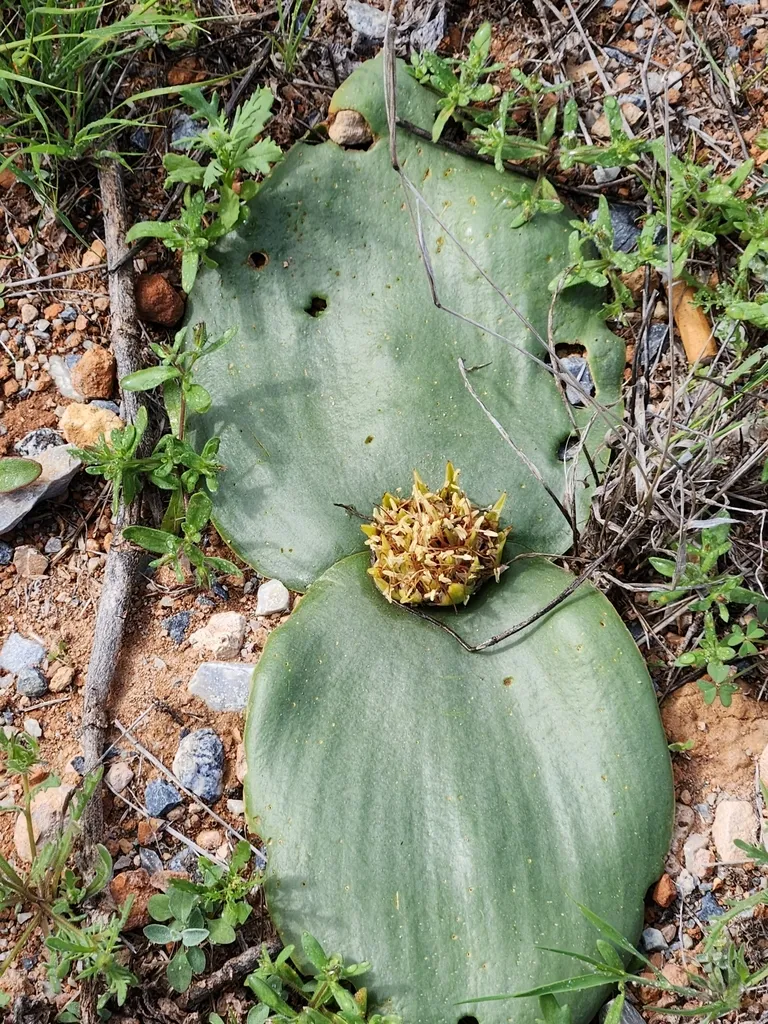
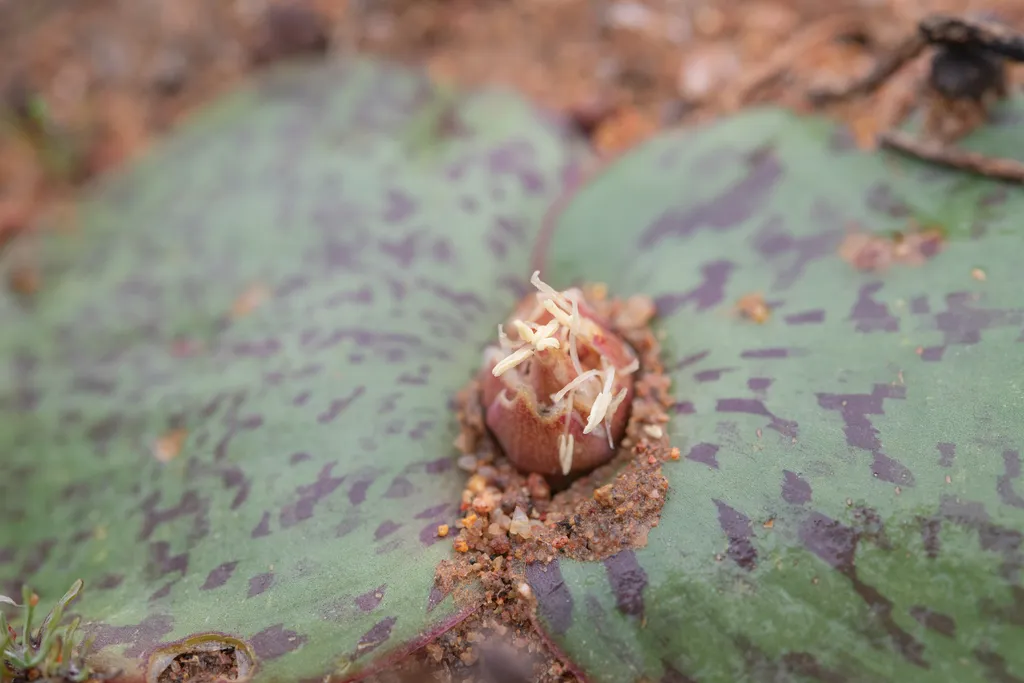
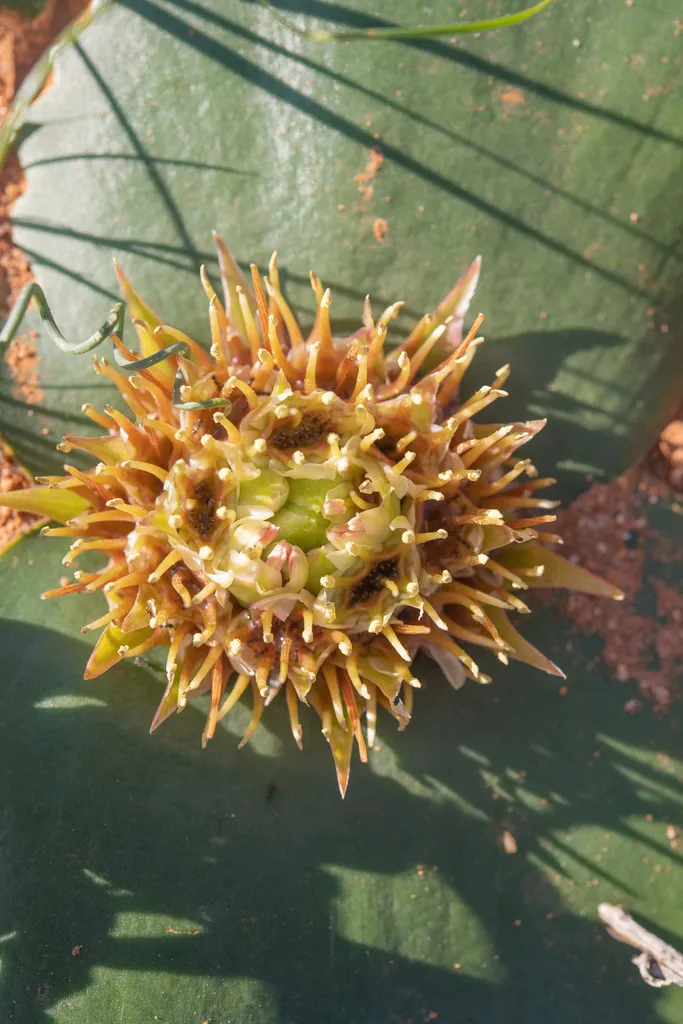
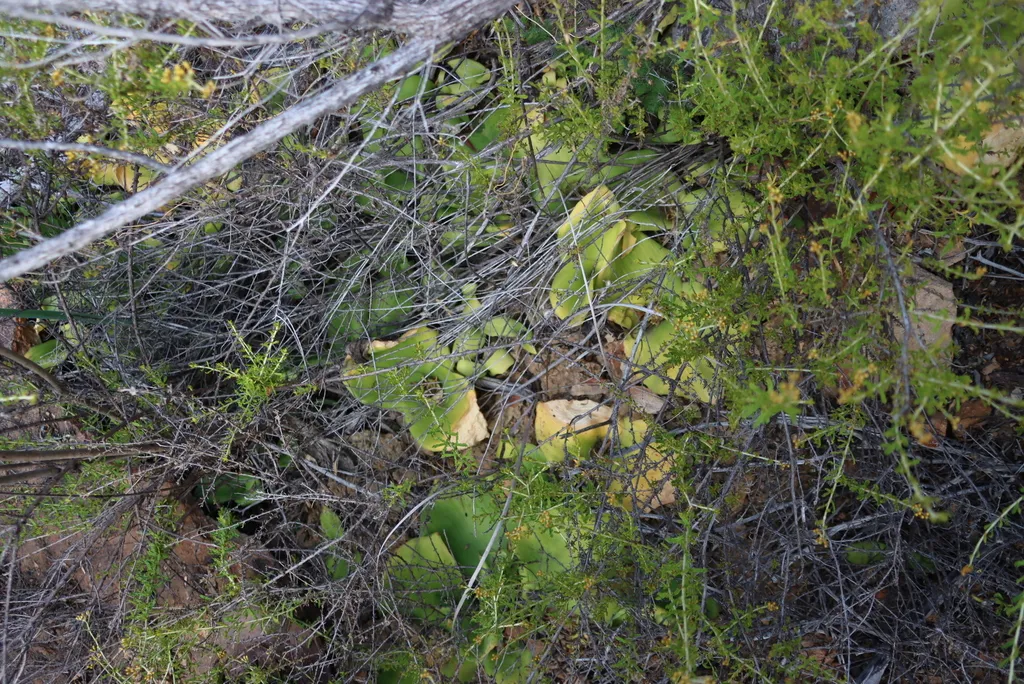
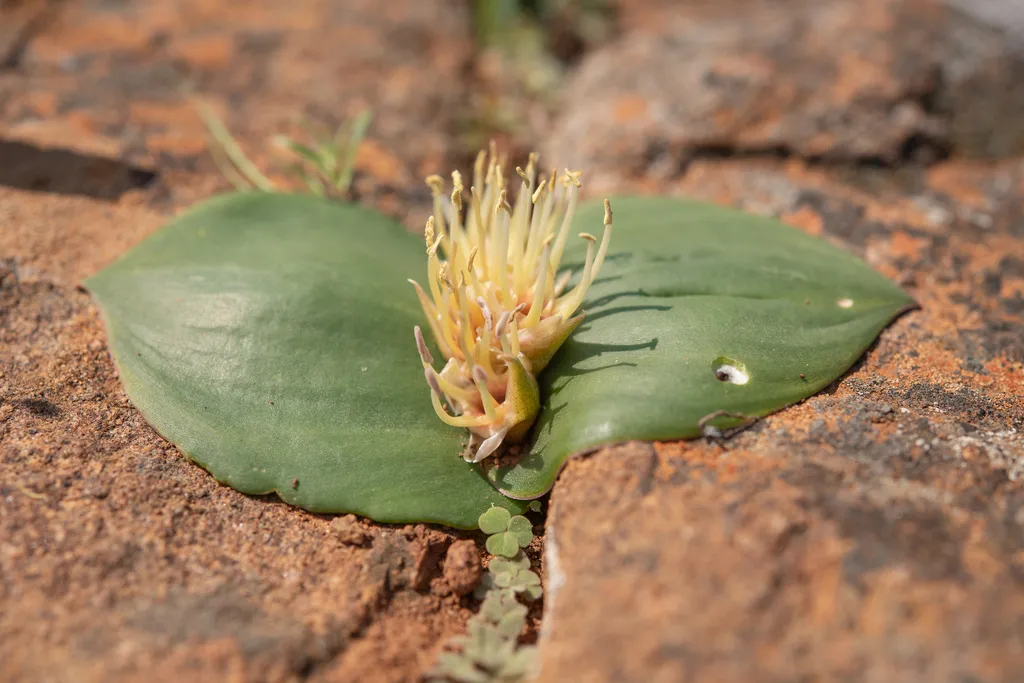
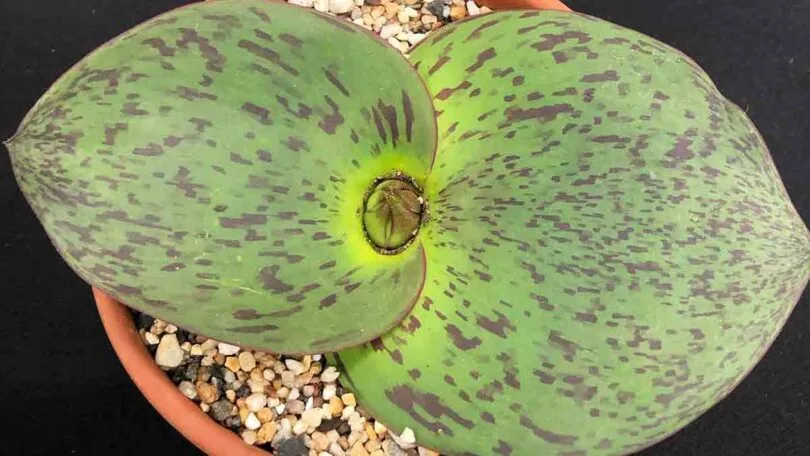
A winter-active bulb producing just two leaves up to 25cm long, which lie flat on the ground. A cluster of small, off-white flowers appear in the centre. These have a yeasty smell that attracts gerbils to pollinate plants in the wild. The green fruits follow as an interlocking cluster of three-lobed capsules
Scientific classification
- Species
- hedgehog lily (Massonia depressa)
- Genus
- Massonia
- Family
- Asparagaceae
- Order
- Asparagales
- Class
- Liliopsida
- Phylum
- Tracheophyta
- Information to be completed
- Toxicity
- Alpine Rockery · Bulbs · Conservatory Greenhouse
- Plant type
- Up to 10 cm
- Height
- 0.1-0.5 metres
- Spread
- Deciduous
- Foliage
- Matforming
- Habit
- Spring · Autumn · Winter
- Season of interest
- Full sun
- Sunlight
- Information to be completed
- Ideal temperature









hedgehog lily pictures
Distribution of hedgehog lily
Distribution map
- Native
- Introduced
- Cultivated
Source:WCVP v16 · Royal Botanic Gardens, Kew · CC BY 3.0 · Boundaries:WGSRPD / TDWG
hedgehog lily care guide
- Moderate regular watering, avoid prolonged drought and stagnant waterlogging
- Watering
- Full sun
- Sunlight

Watering
Moderate regular watering, avoid prolonged drought and stagnant waterlogging
Fertilizing
 Fertilizing
Balanced perennial feed every four weeks spring through summer growth
Pruning
 Pruning
No pruning required
Propagation
 Propagation
Propagate by seed
Growing
 Growing
Grow in a frost-free greenhouse in pots of free-draining compost. Start into growth by watering from early autumn, feeding monthly with a phosphate-free liquid feed. Removal of flowers as soon as they fade will help to avoid problems with grey mould. Stop watering when the leaves start to yellow in spring
Common pests and diseases
Diseases
Susceptible to grey moulds
Pests
Generally problem free
Explore the plant health library →




