
blunt-lobed spice bush
Also known as: Information to be completed
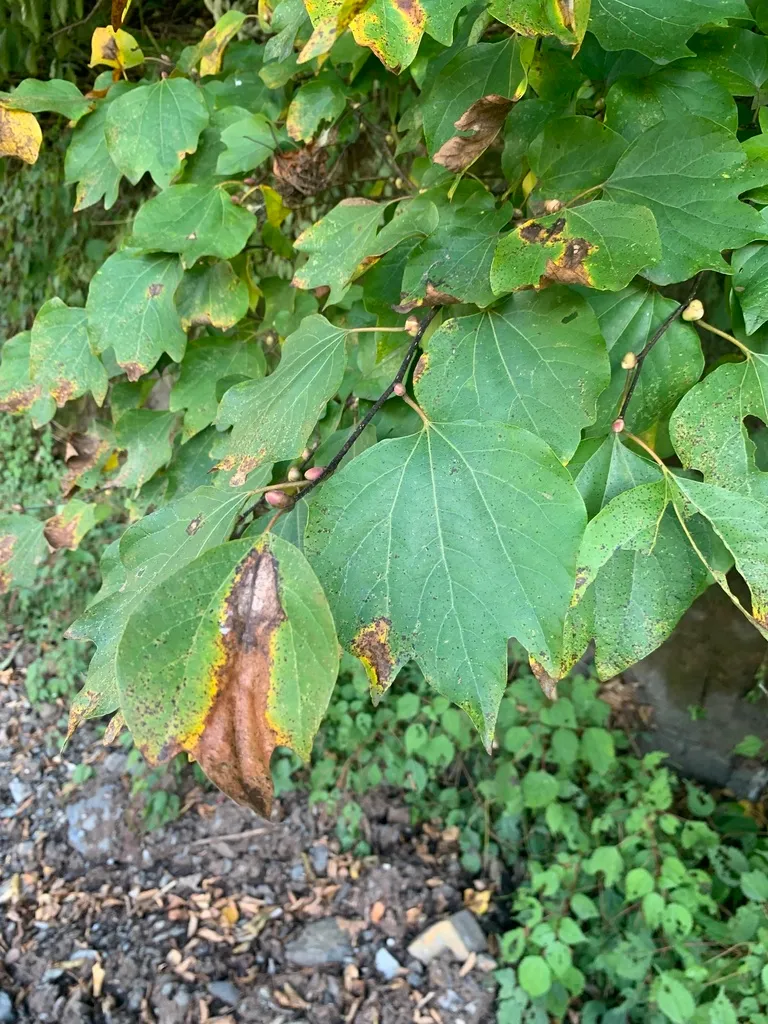
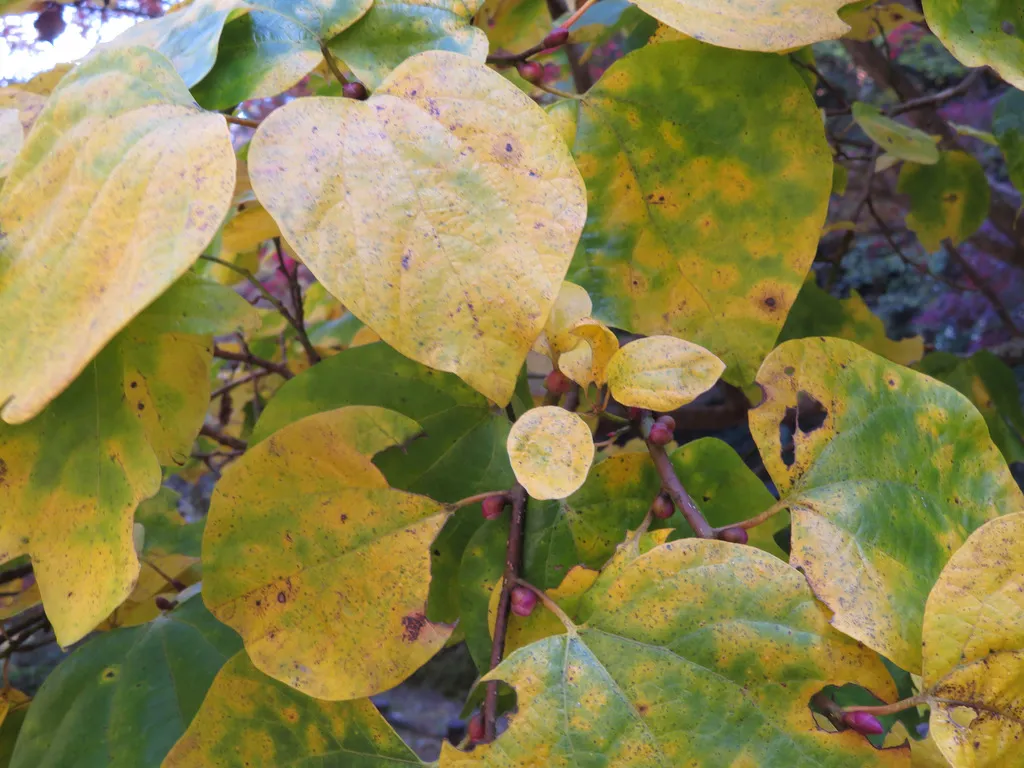
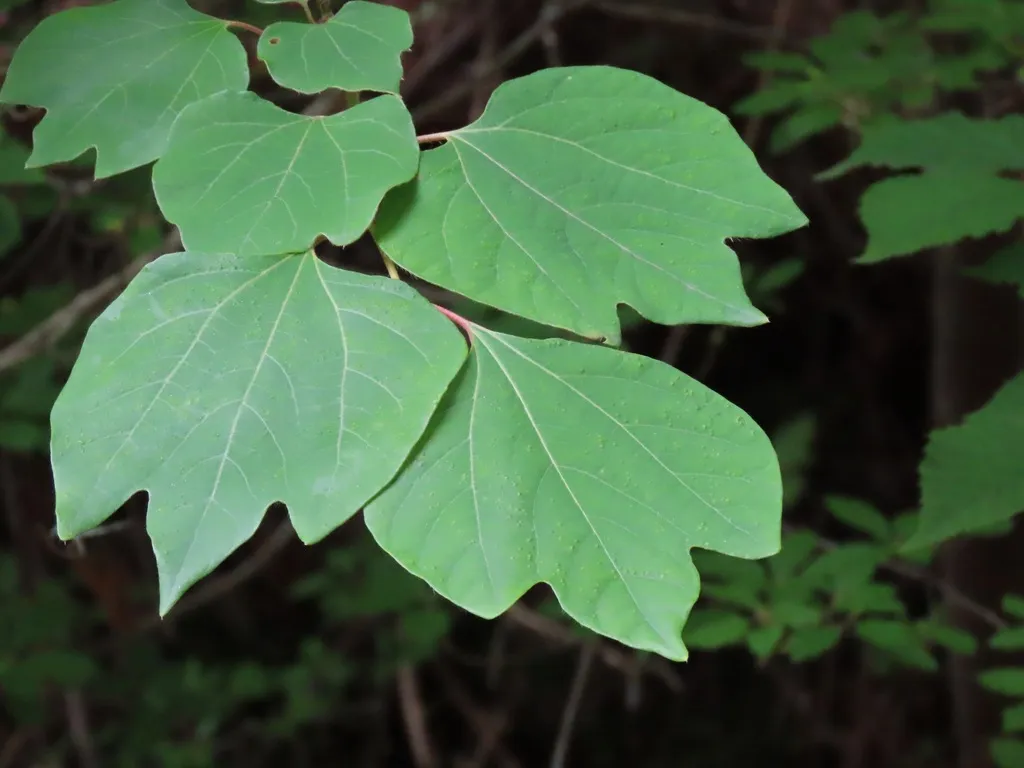
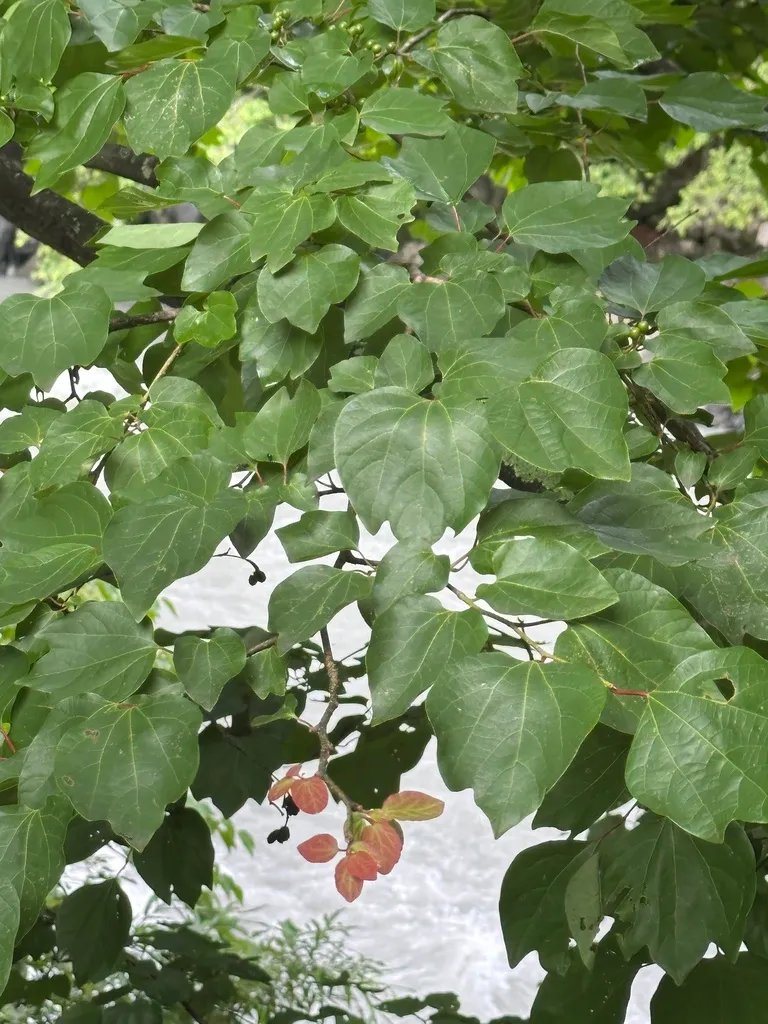
L. obtusiloba is a large deciduous, dioecious shrub to 6m, with broad leaves mostly three-lobed at the tip, turning bright butter-yellow in the autumn. Small mustard-yellow flowers in clusters on bare branches followed by spherical glossy, red-brown berries on female plants
Scientific classification
- Species
- blunt-lobed spice bush (Lindera obtusiloba)
- Genus
- Lindera
- Family
- Lauraceae
- Order
- Laurales
- Class
- Magnoliopsida
- Phylum
- Magnoliophyta
- Information to be completed
- Toxicity
- Shrubs
- Plant type
- 4-8 metres
- Height
- 4-8 metres
- Spread
- Deciduous
- Foliage
- Bushy
- Habit
- Autumn · Spring · Summer
- Season of interest
- Partial shade
- Sunlight
- Information to be completed
- Ideal temperature









blunt-lobed spice bush pictures
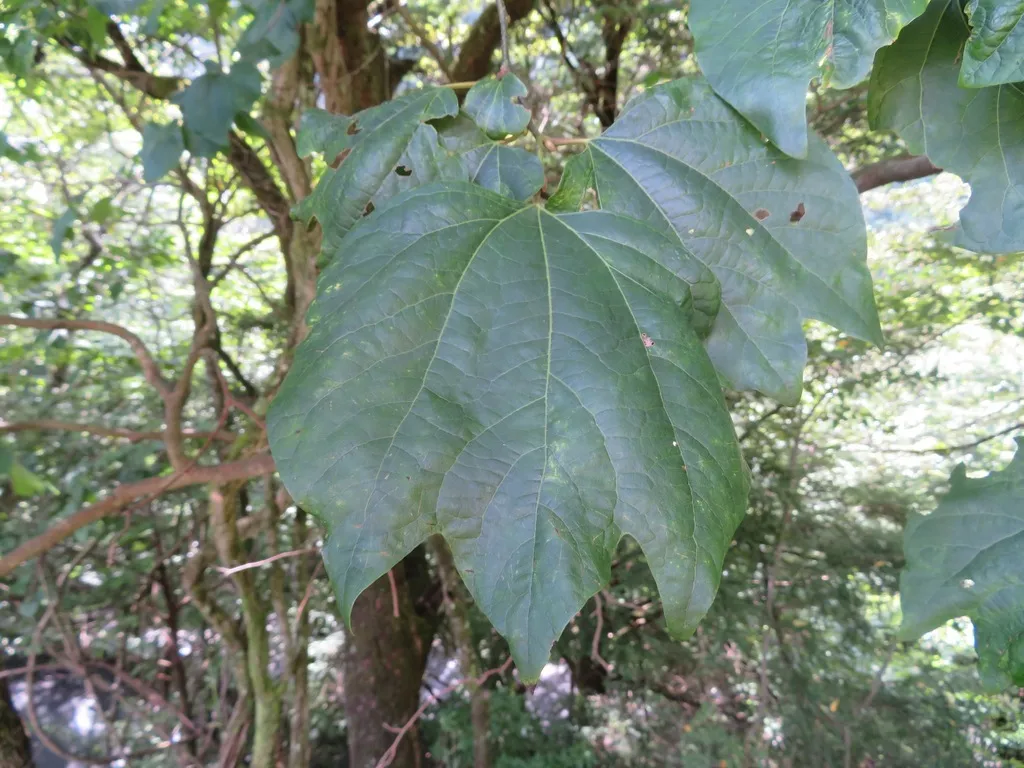
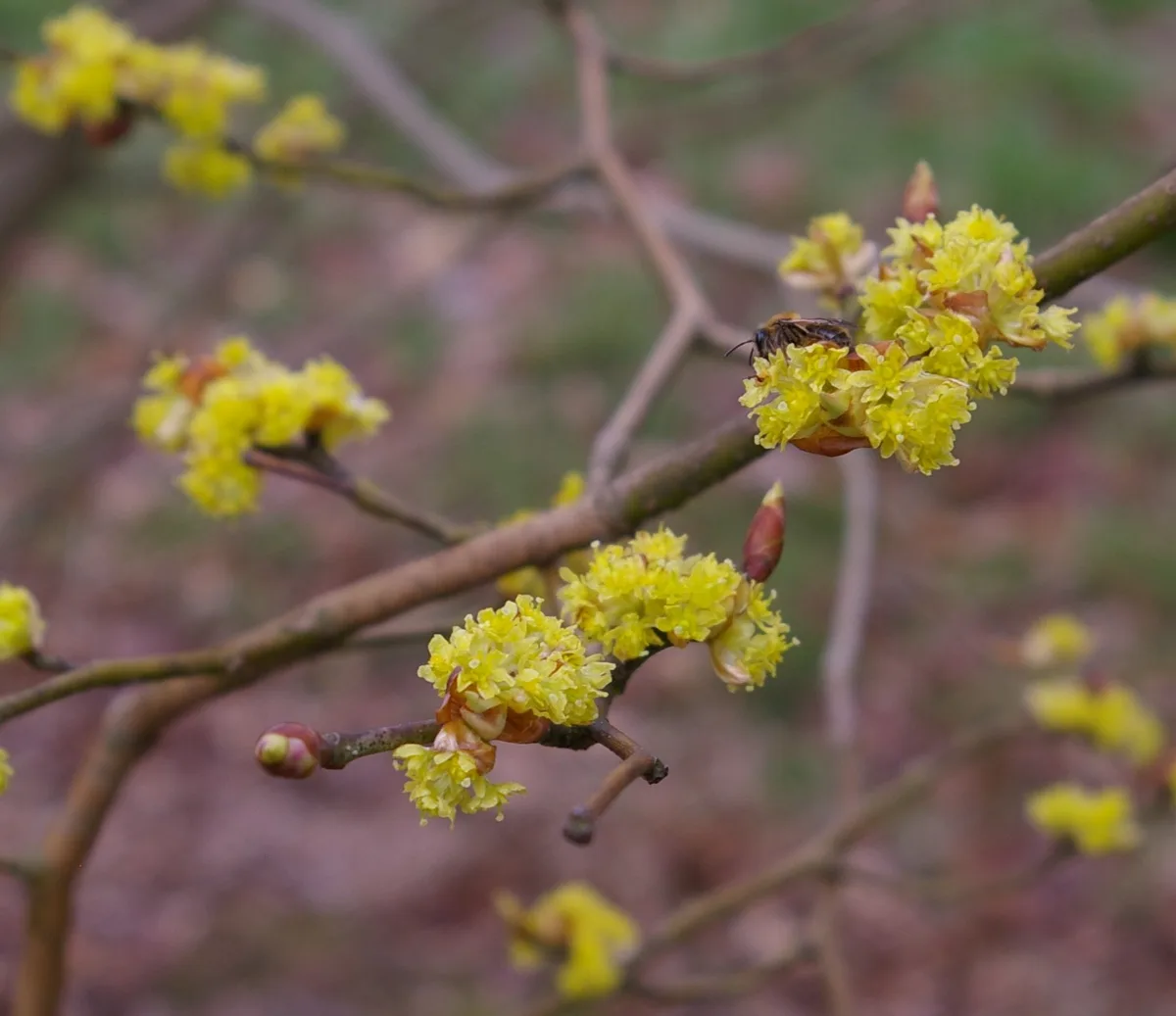
Distribution of blunt-lobed spice bush
Distribution map
- Native
- Introduced
- Cultivated
Source:WCVP v16 · Royal Botanic Gardens, Kew · CC BY 3.0 · Boundaries:WGSRPD / TDWG
blunt-lobed spice bush care guide
- Moderate regular watering, avoid prolonged drought and stagnant waterlogging
- Watering
- Partial shade
- Sunlight

Watering
Moderate regular watering, avoid prolonged drought and stagnant waterlogging
Fertilizing
 Fertilizing
Balanced perennial feed every four weeks spring through summer growth
Pruning
 Pruning
Little pruning is needed. Remove diseased, damaged, crowded or crossing shoots and unwanted growth. Timing depends on the plant: generally late winter or early spring; plants prone to bleeding and deciduous magnolias need different timing, and deciduous azaleas and lilacs are pruned after flowering.
Propagation
 Propagation
Propagate by seed sown in containers in a cold frame in autumn or take softwood cuttings in early summer
Growing
 Growing
Grows well in most fertile, acidic soils in a woodland scenario. Male and female plants need to be grown in order for the female to bear fruit
Common pests and diseases
Diseases
Generally disease free
Pests
Generally pest-free
Explore the plant health library →




