
Fischer's leopard plant
Also known as: Information to be completed
L. fischeri is a clump-forming herbaceous perennial up to 2m high with coarsely toothed, kidney-shaped light green basal leaves, up to 40cm across, on long stalks, the stem leaves smaller and on shorter stalks, and racemes up to 75cm long of yellow flowerheads, 5cm across, in midsummer, followed by seeds with downy hairs which are tinged brown or purple; the leaves are eaten as a vegetable or pickle in Korea
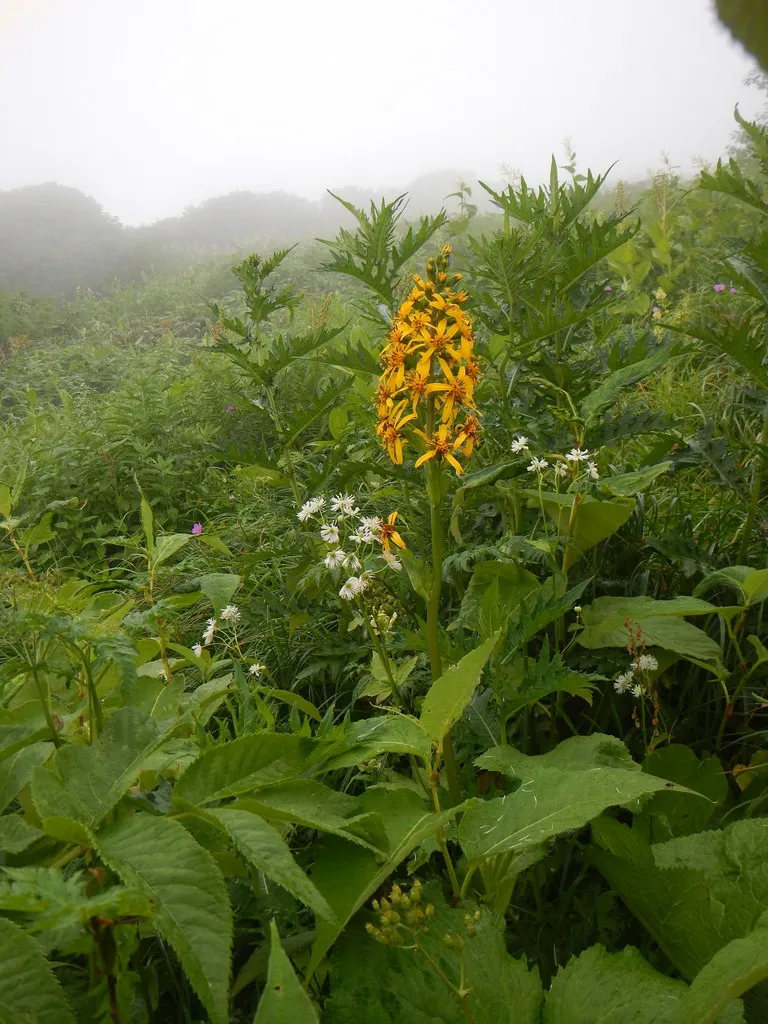
Scientific classification
- Species
- Fischer's leopard plant (Ligularia fischeri)
- Genus
- Ligularia
- Family
- Asteraceae
- Order
- Asterales
- Class
- Magnoliopsida
- Phylum
- Magnoliophyta
- Information to be completed
- Toxicity
- Herbaceous Perennial
- Plant type
- 1.5-2.5 metres
- Height
- 1-1.5 metres
- Spread
- Deciduous
- Foliage
- Clump forming
- Habit
- Spring · Summer · Autumn
- Season of interest
- Full sun · Partial shade
- Sunlight
- Information to be completed
- Ideal temperature









Fischer's leopard plant pictures
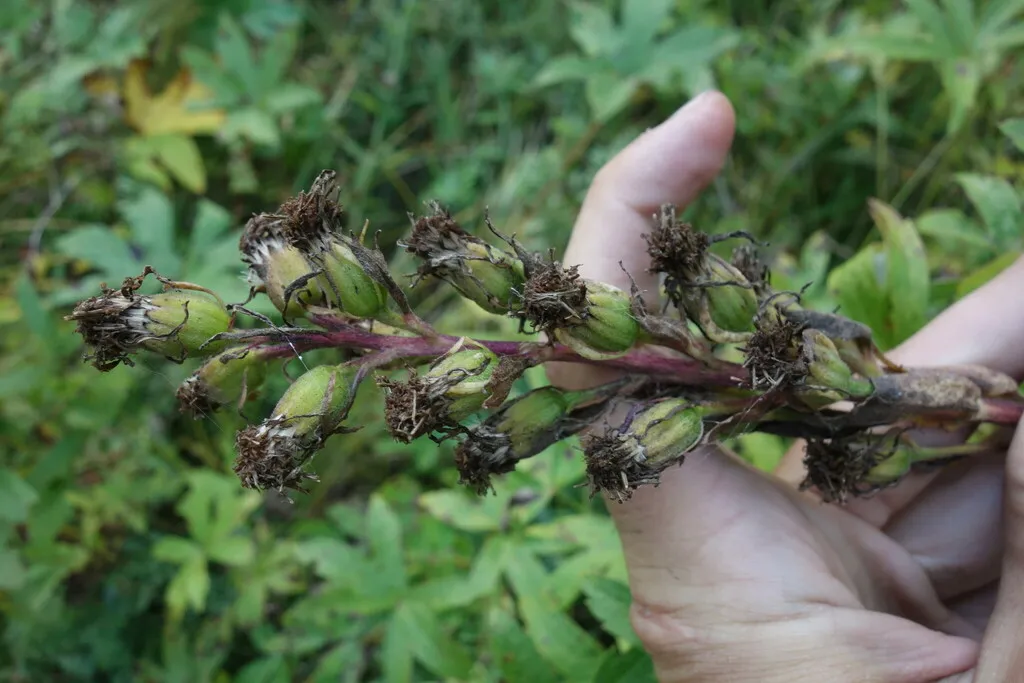
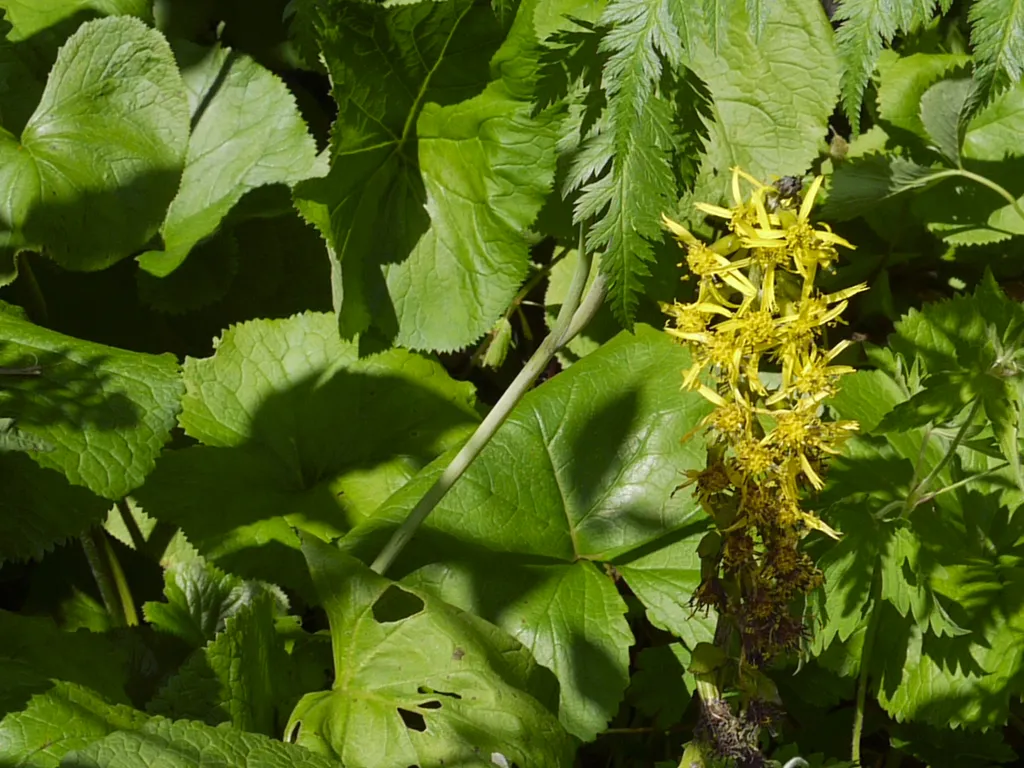
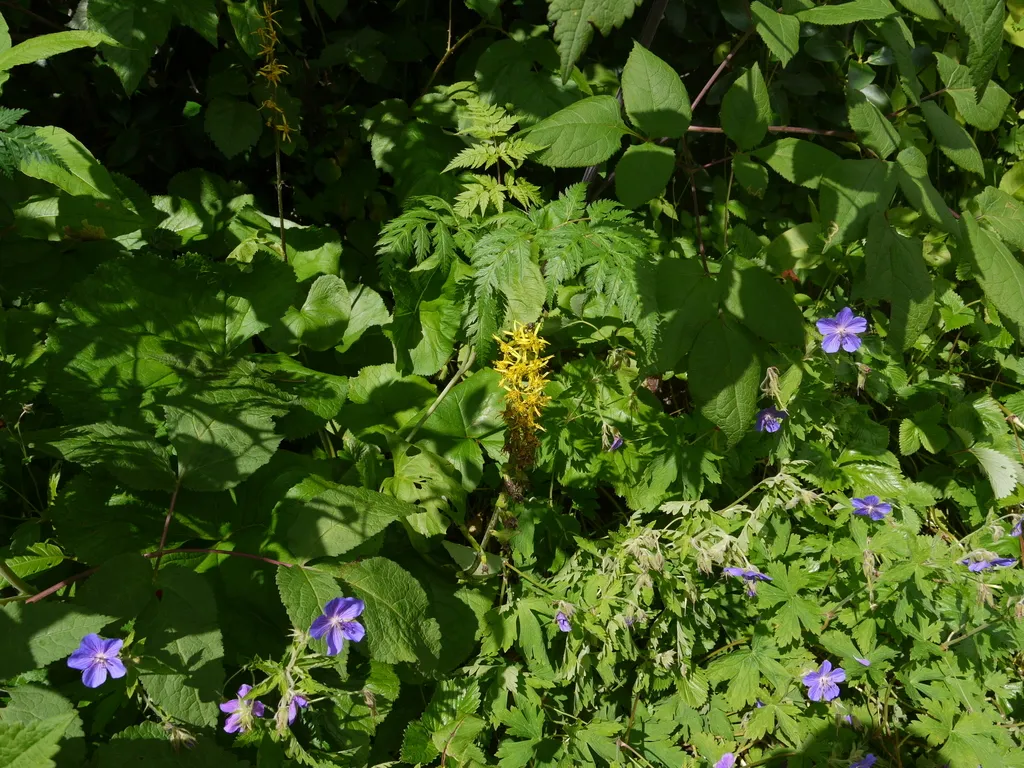
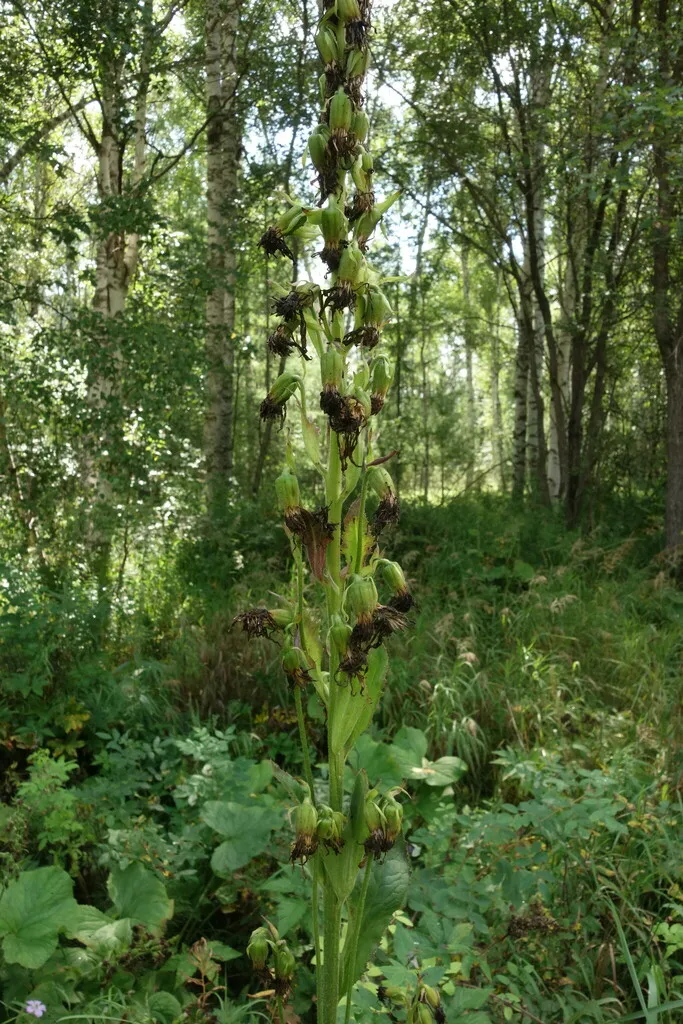
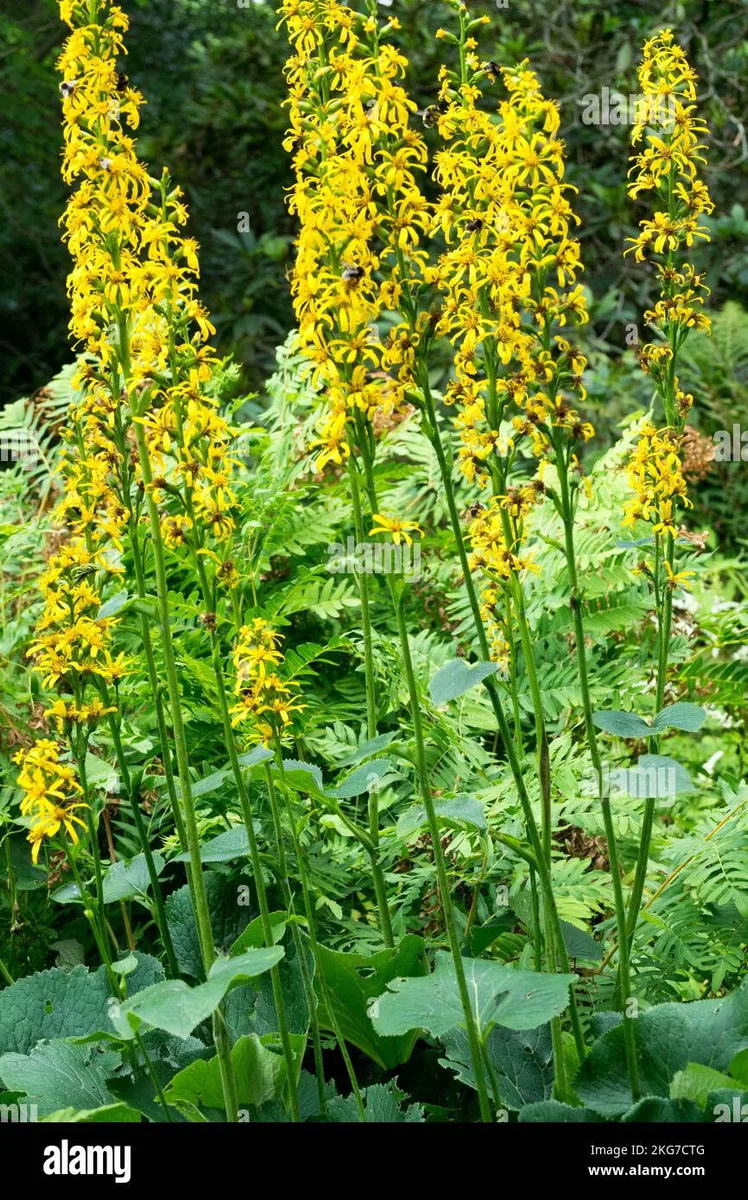
Distribution of Fischer's leopard plant
Distribution map
- Native
- Introduced
- Cultivated
Source:WCVP v16 · Royal Botanic Gardens, Kew · CC BY 3.0 · Boundaries:WGSRPD / TDWG
Fischer's leopard plant care guide
- Keep soil consistently moist and rich, never drought stressed
- Watering
- Full sun · Partial shade
- Sunlight

Watering
Keep soil consistently moist and rich, never drought stressed
Fertilizing
 Fertilizing
Balanced feed in spring and early summer
Pruning
 Pruning
No pruning required
Propagation
 Propagation
Propagate by seed in containers outdoors in autumn or spring, or by division in spring or after flowering
Growing
 Growing
Grow in full sun but with some shade at midday, in deep, reliably moist soil, in a position sheltered from strong drying winds; good for waterside planting
Common pests and diseases
Diseases
Generally disease-free
Pests
May be affected by slugs and snails
Explore the plant health library →




