
Barbados pride
Also known as: Barbados flower fence; dwarf poinciana; flamboyant tree; paradise flower; peacock flower; Spanish carnation
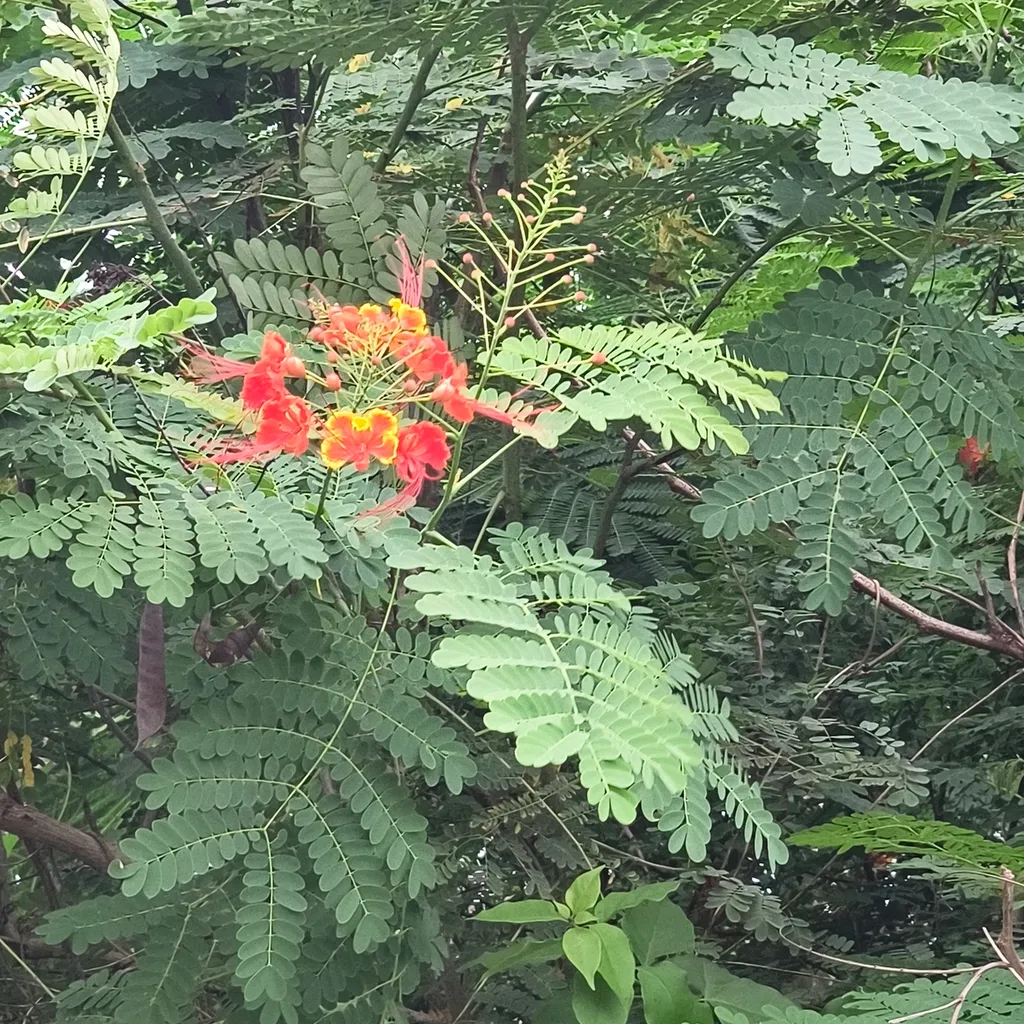
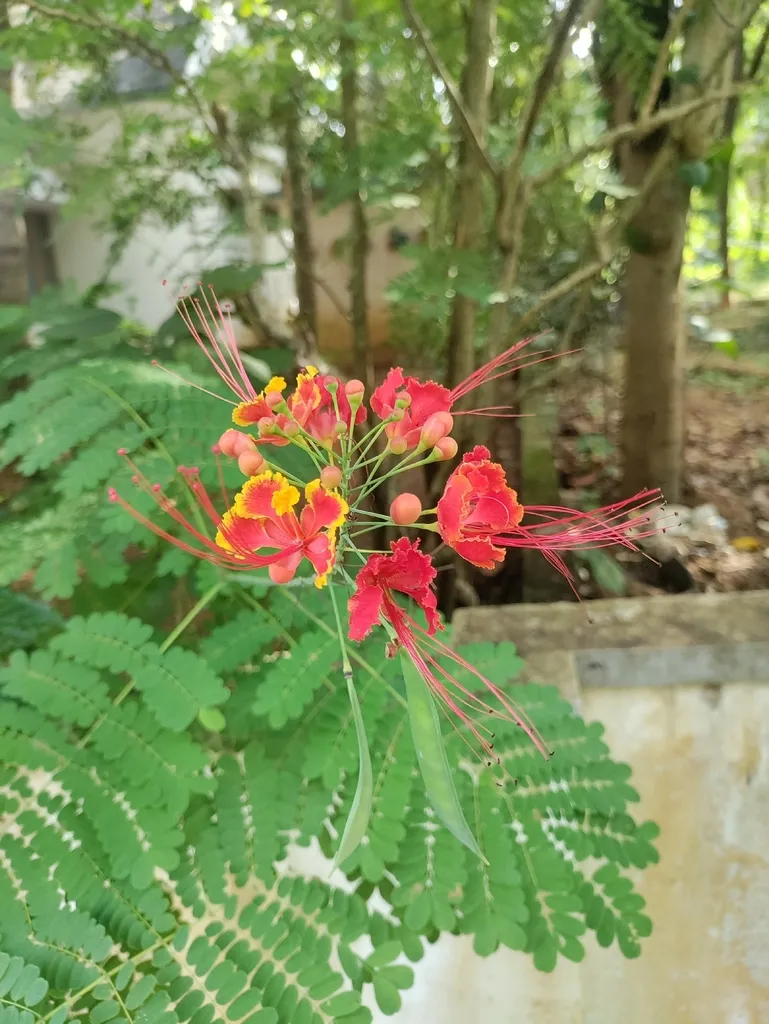
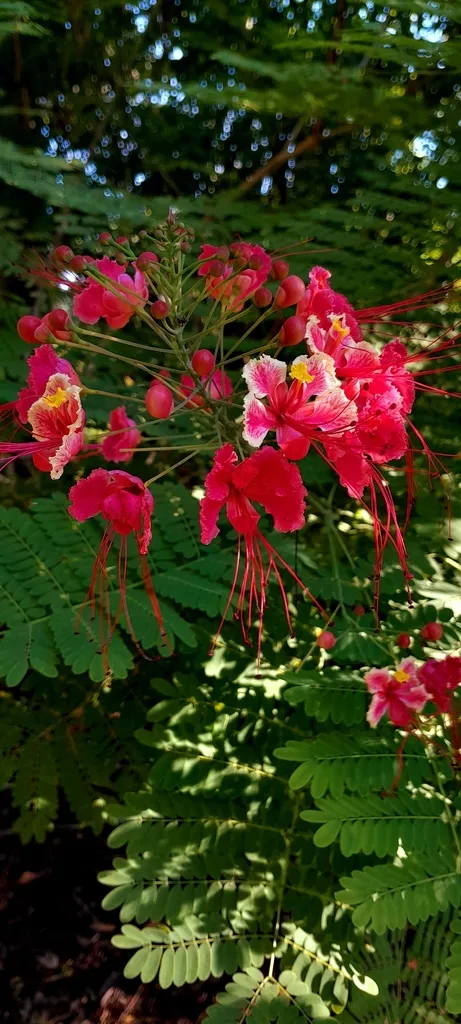
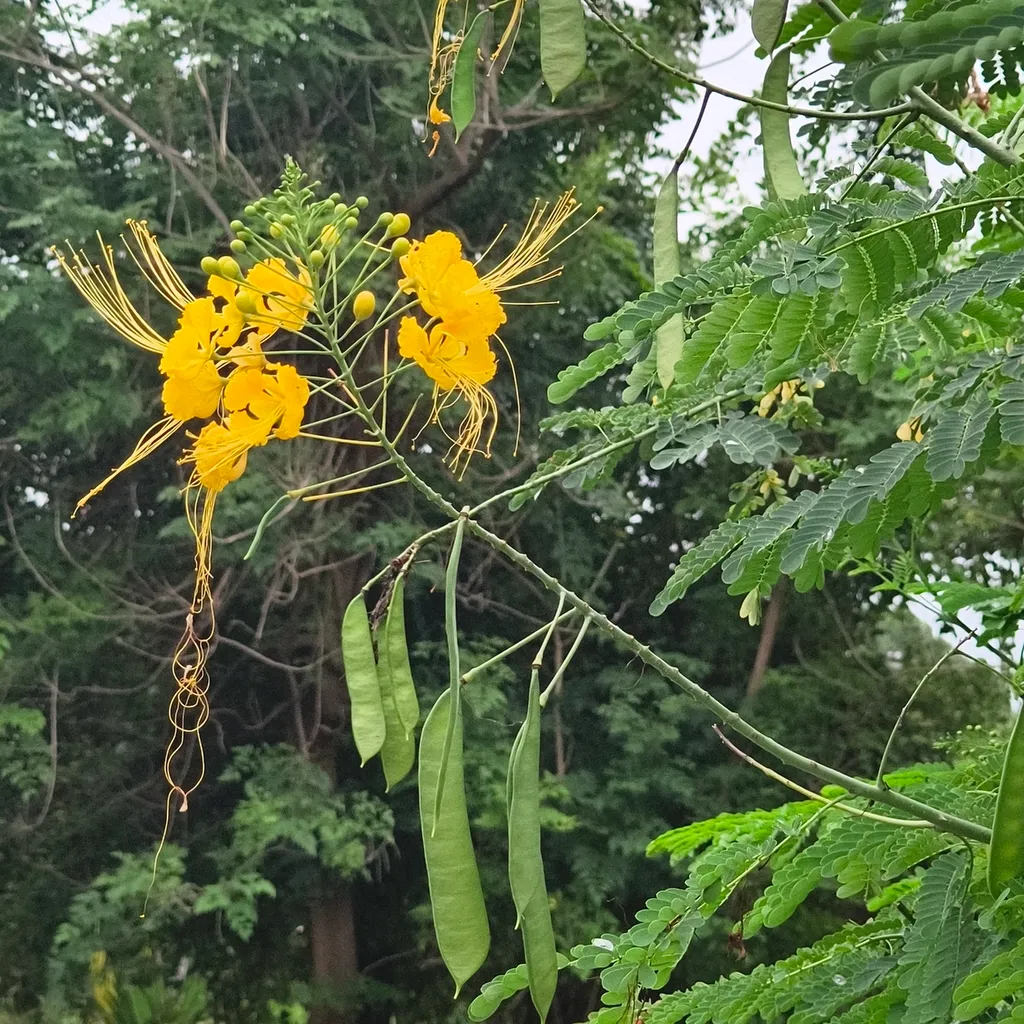
An upright evergreen thorny shrub or small tree with feathery foliage to 4m high and wide, bearing very showy red and yellow flowers through the most of the year, but peaking in the spring and autumn
Scientific classification
- Species
- Barbados pride (Caesalpinia pulcherrima)
- Genus
- Caesalpinia
- Family
- Fabaceae
- Order
- Fabales
- Class
- Magnoliopsida
- Phylum
- Magnoliophyta
- Information to be completed
- Toxicity
- Shrubs · Conservatory Greenhouse
- Plant type
- 2.5-4 metres
- Height
- 2.5-4 metres
- Spread
- Evergreen
- Foliage
- Bushy
- Habit
- Spring · Summer · Autumn · Winter
- Season of interest
- Full sun
- Sunlight
- Information to be completed
- Ideal temperature









Barbados pride pictures
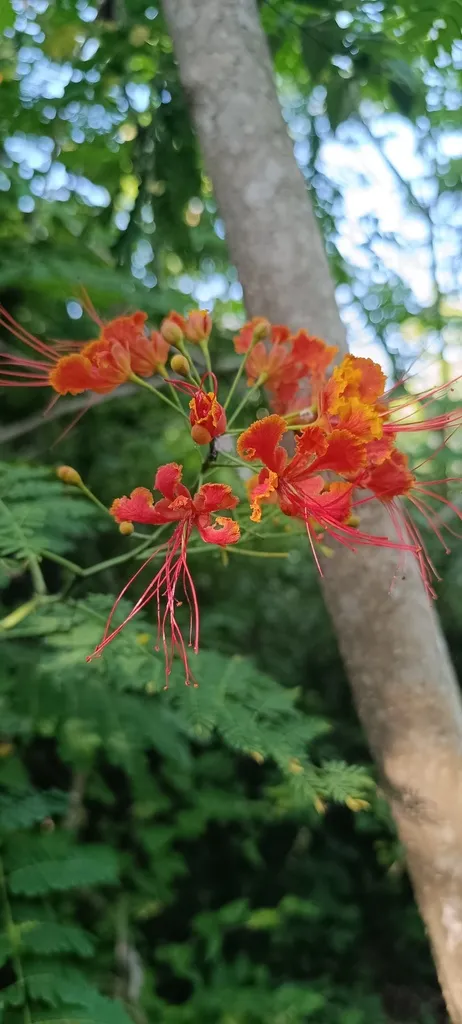
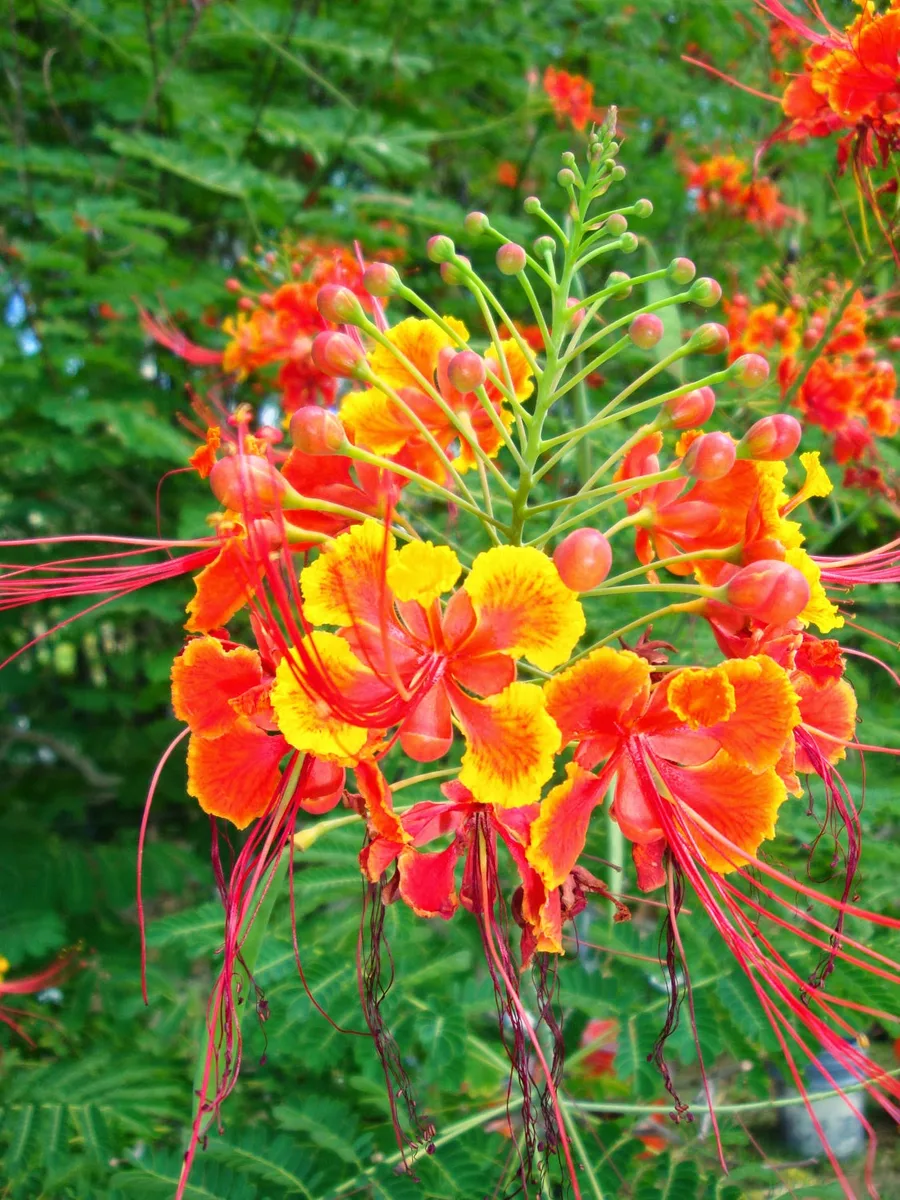
Distribution of Barbados pride
Distribution map
- Native
- Introduced
- Cultivated
Source:WCVP v16 · Royal Botanic Gardens, Kew · CC BY 3.0 · Boundaries:WGSRPD / TDWG
Barbados pride care guide
- Moderate regular watering, avoid prolonged drought and stagnant waterlogging
- Watering
- Full sun
- Sunlight

Watering
Moderate regular watering, avoid prolonged drought and stagnant waterlogging
Fertilizing
 Fertilizing
Balanced perennial feed every four weeks spring through summer growth
Pruning
 Pruning
No pruning required
Propagation
 Propagation
Propagate by seed or softwood cuttings
Growing
 Growing
Grow outdoors in full sun in a frost-free area in moist but well-drained soil. Under glass grow in loam-based compost in full light. Plants under glass may need a restrictive prune after the first flush of flowers. In hot climates it is tolerant of dry areas where it can be grown out of doors, providing a dense thorny barrier
Common pests and diseases
Diseases
May be susceptible to honey fungus (rarely)
Pests
May be susceptible to glasshouse red spider mite, glasshouse whitefly and mealybugs
Explore the plant health library →




