
Platycarya strobilacea
Also known as: Information to be completed
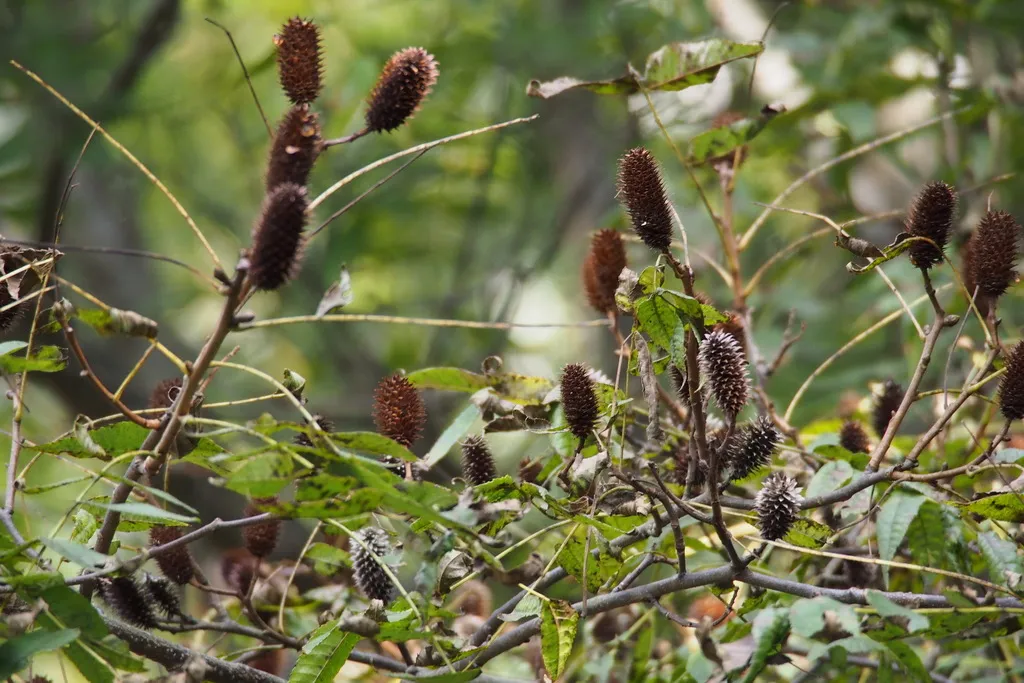
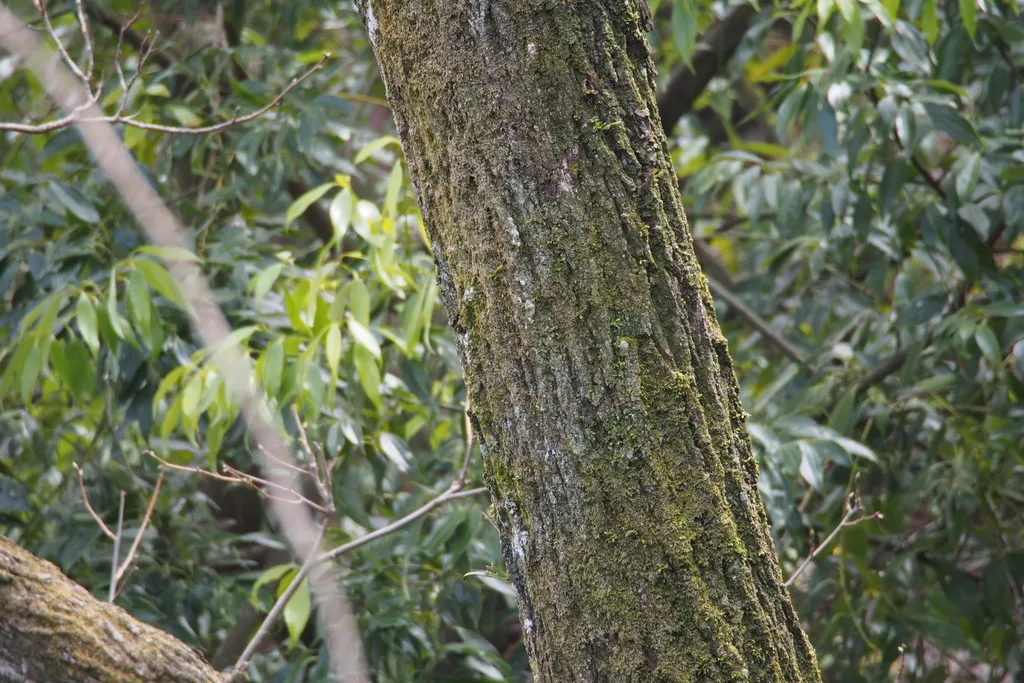
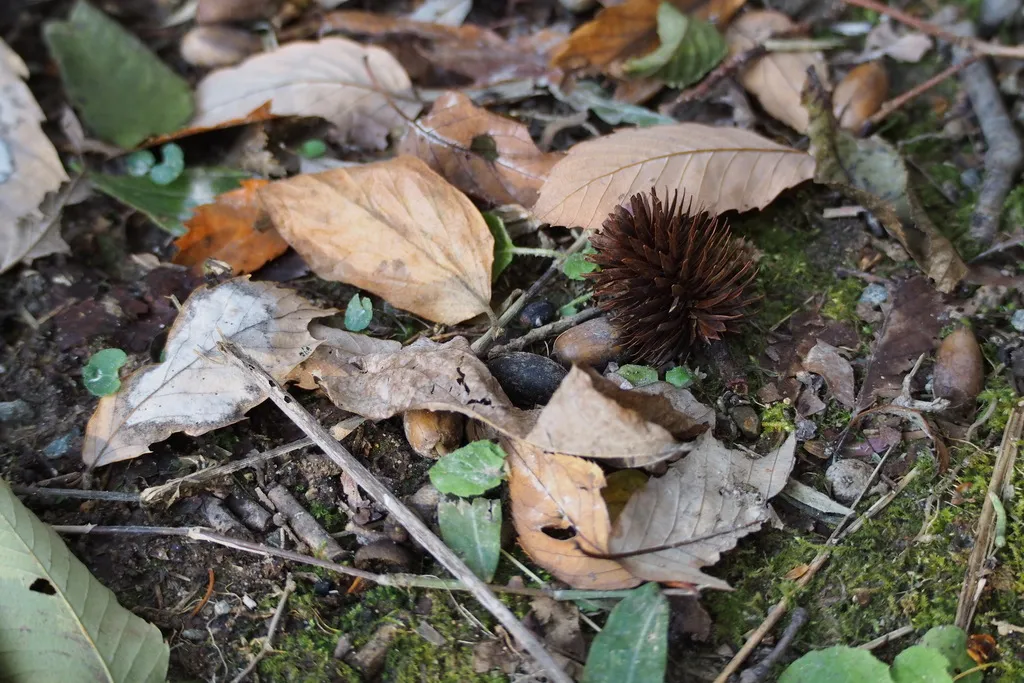
P. strobilacea is a rounded,deciduoustree with ash-like leaves up to 30cm long, turning yellow in autumn. In summer it produces clusters of upright, yellow-green catkins up to 10cm tall. Several males surround a central female which then develops into a cone-like fruit, brownish green at first, then darker brown, persisting into winter
Scientific classification
- Species
- Platycarya strobilacea (Platycarya strobilacea)
- Genus
- Platycarya
- Family
- Juglandaceae
- Information to be completed
- Toxicity
- Trees
- Plant type
- 8-12 metres
- Height
- wider than 8 metres
- Spread
- Deciduous
- Foliage
- Bushy
- Habit
- Autumn · Spring · Summer · Winter
- Season of interest
- Full sun
- Sunlight
- Information to be completed
- Ideal temperature









Platycarya strobilacea pictures
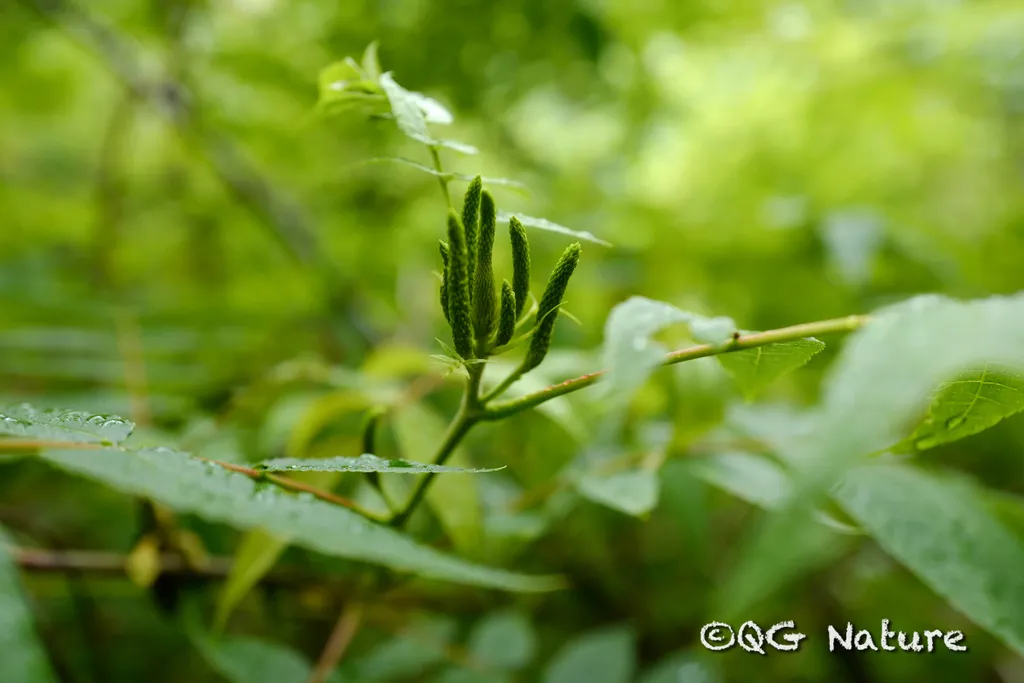
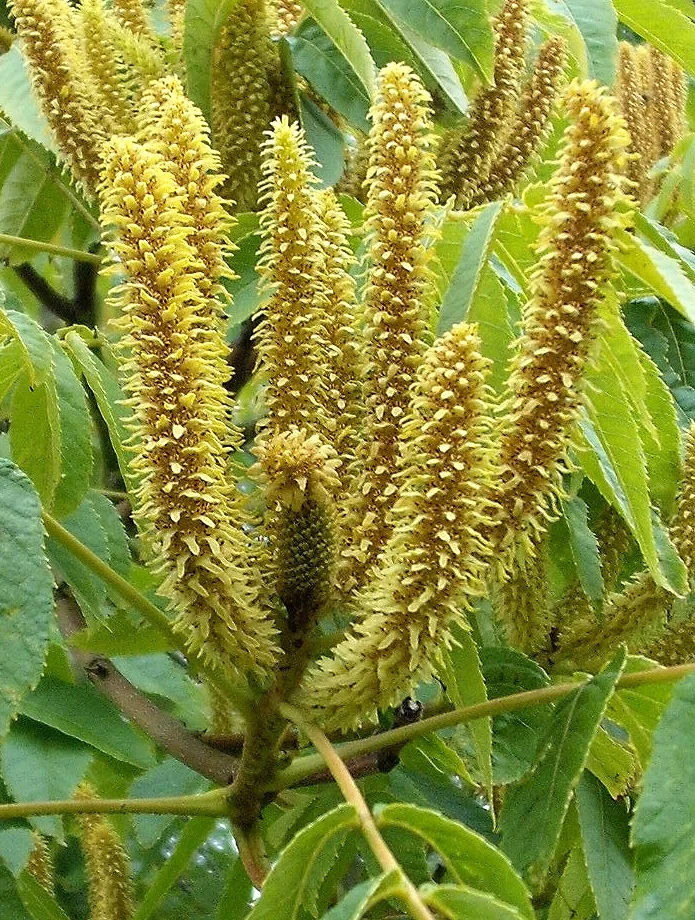
Distribution of Platycarya strobilacea
Distribution map
Information to be completed
Information to be completed
Culture
Information to be completed
Toxicity
Information to be completed
Quick identification of Platycarya strobilacea
Information to be completed
Platycarya strobilacea care guide
- Deep watering weekly young trees, occasional soak when mature
- Watering
- Full sun
- Sunlight
- Information to be completed
- Ideal temperature

Watering
Deep watering weekly young trees, occasional soak when mature
Fertilizing
 Fertilizing
Tree and shrub fertilizer applied once each early spring season
Pruning
 Pruning
Little pruning is needed. Remove diseased, damaged, crowded or crossing shoots and unwanted growth. Timing depends on the plant: generally late winter or early spring; plants prone to bleeding and deciduous magnolias need different timing, and deciduous azaleas and lilacs are pruned after flowering.
Propagation
 Propagation
Propagate by seed sown in containers in autumn
Growing
 Growing
Grow in fertile, moist but well-drained soil in full sun
People also ask
Information to be completed
Common pests and diseases
Diseases
Generally trouble free
Pests
Generally trouble free
Explore the plant health library →




