
Costus pulverulentus
Also known as: Information to be completed
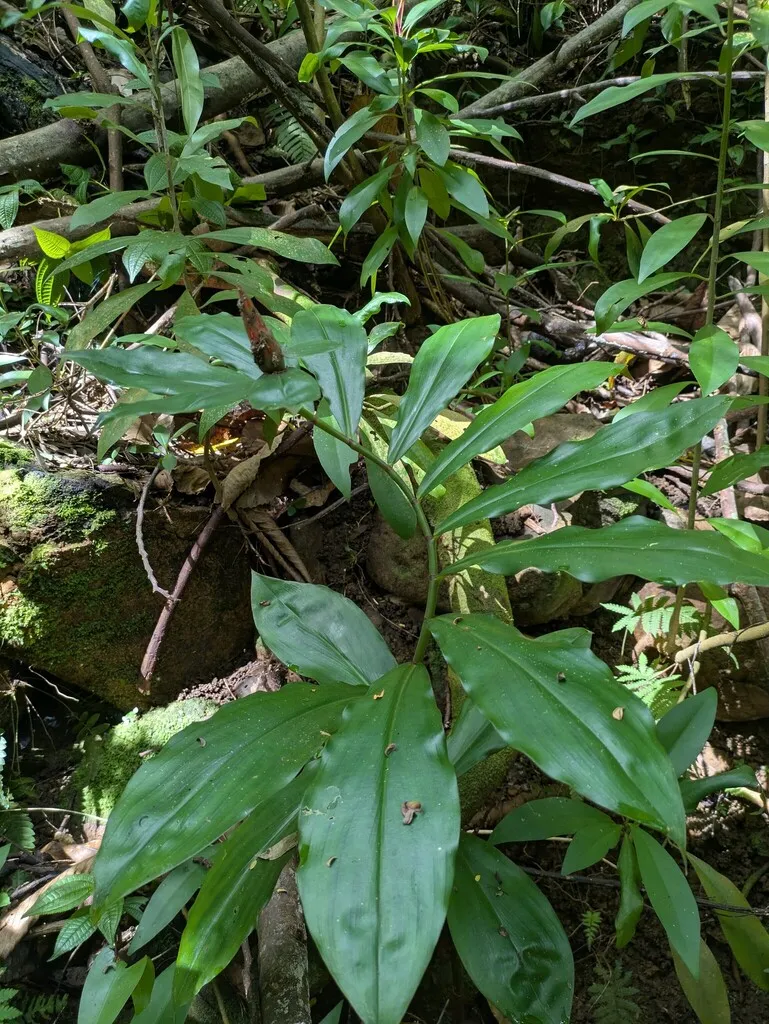
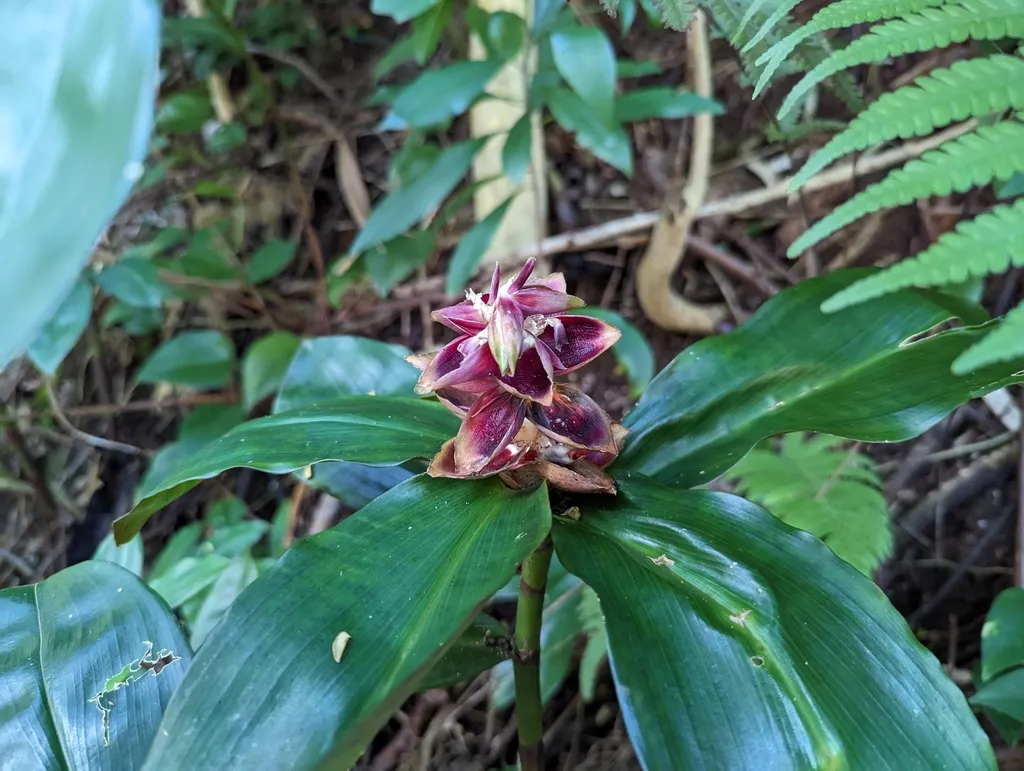
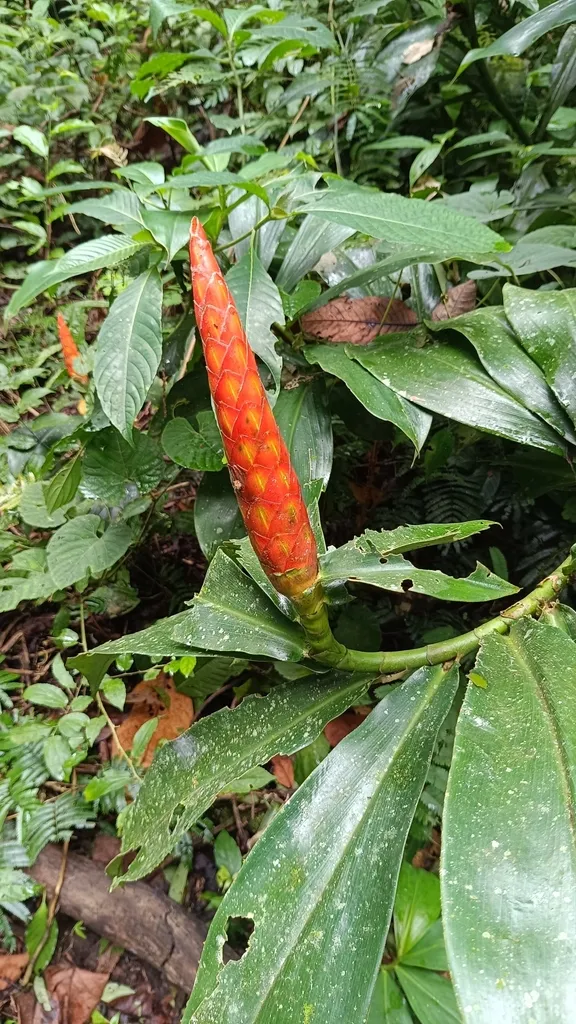
Rhizomatous, upright perennial about 2m tall, with large, dark green leaves, arranged in a spiral form, and tubular red to orange-red flowers with basal bracts, produced in dense terminal heads at any time of year
Scientific classification
- Species
- Costus pulverulentus (Costus pulverulentus)
- Genus
- Costus
- Family
- Costaceae
- Information to be completed
- Toxicity
- Conservatory Greenhouse
- Plant type
- 1.5-2.5 metres
- Height
- 0.5-1 metres
- Spread
- Evergreen
- Foliage
- Clump forming
- Habit
- Spring · Summer · Autumn · Winter
- Season of interest
- Full shade · Partial shade
- Sunlight
- Information to be completed
- Ideal temperature









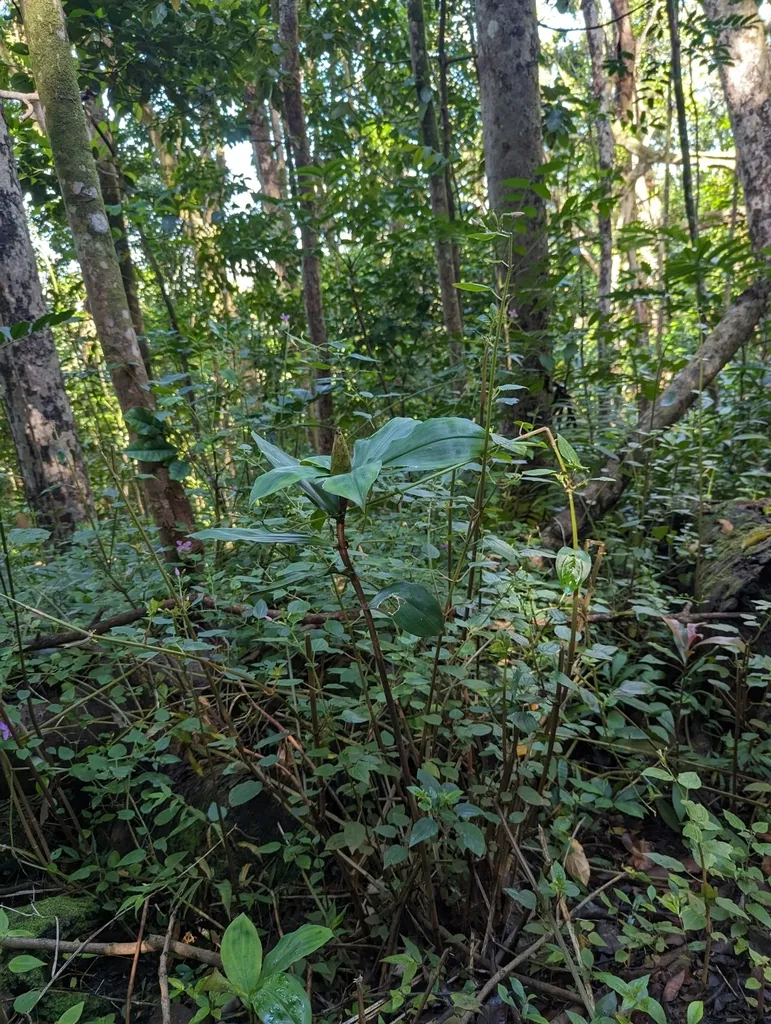
Costus pulverulentus pictures
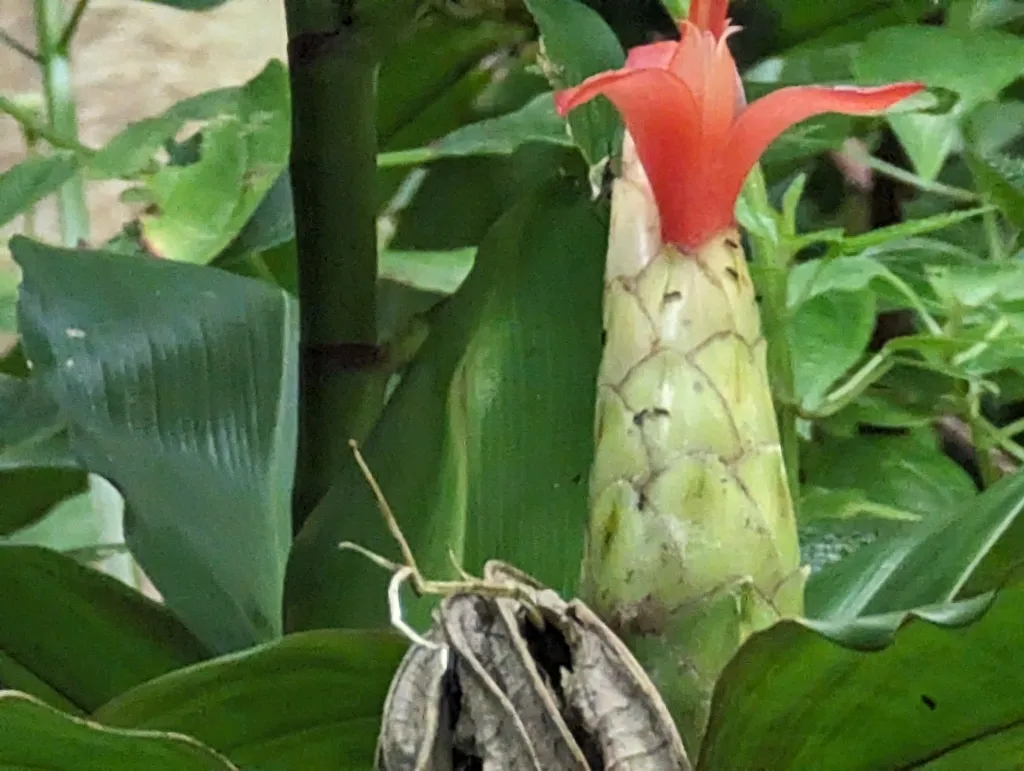
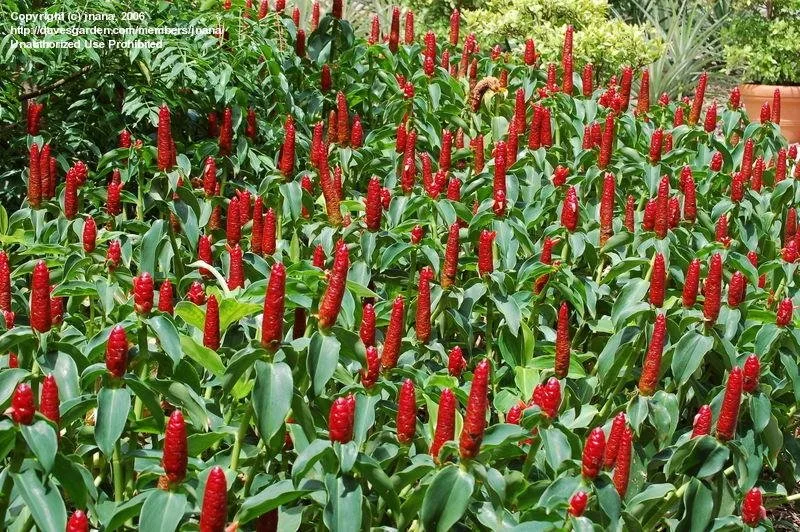
Distribution of Costus pulverulentus
Distribution map
- Native
- Introduced
- Cultivated
Source:WCVP v16 · Royal Botanic Gardens, Kew · CC BY 3.0 · Boundaries:WGSRPD / TDWG
Culture
Information to be completed
Toxicity
Information to be completed
Quick identification of Costus pulverulentus
Information to be completed
Costus pulverulentus care guide
- Moderate regular watering, allowing brief slight drying between soakings
- Watering
- Full shade · Partial shade
- Sunlight
- Information to be completed
- Ideal temperature

Watering
Moderate regular watering, allowing brief slight drying between soakings
Fertilizing
 Fertilizing
Balanced perennial feed every four weeks from spring through summer
Pruning
 Pruning
No pruning required
Propagation
 Propagation
Propagate by seed with heat, as soon as ripe, or by division in spring
Growing
 Growing
Grow in a warm greenhouse or conservatory in a container or raised bed, using ericaceous potting compost, in bright indirect light, with high humidity. Water freely from spring to summer and use a general fertiliser monthly. Reduce watering in autumn and water sparingly in winter. Pot on or replant in spring. \r\nIn humid tropical climates grow in a shady border
People also ask
Information to be completed
Common pests and diseases
Diseases
Generally disease-free
Pests
May be susceptible to glasshouse red spider mite under glass
Explore the plant health library →




