
staghorn fern
Also known as: Information to be completed
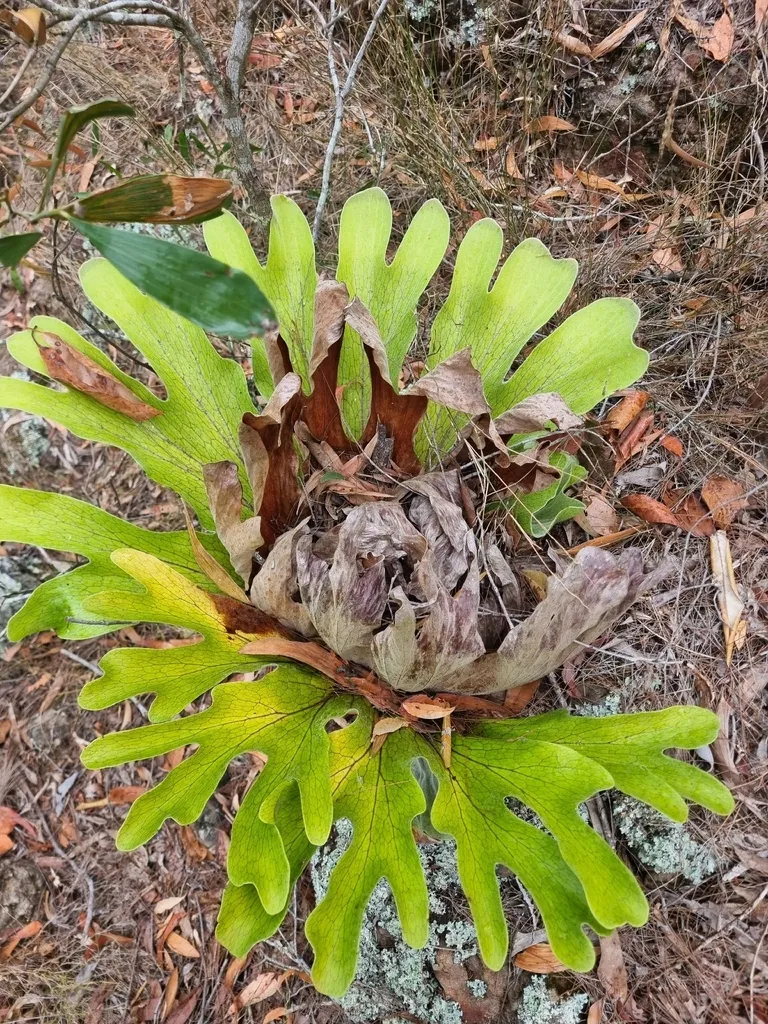
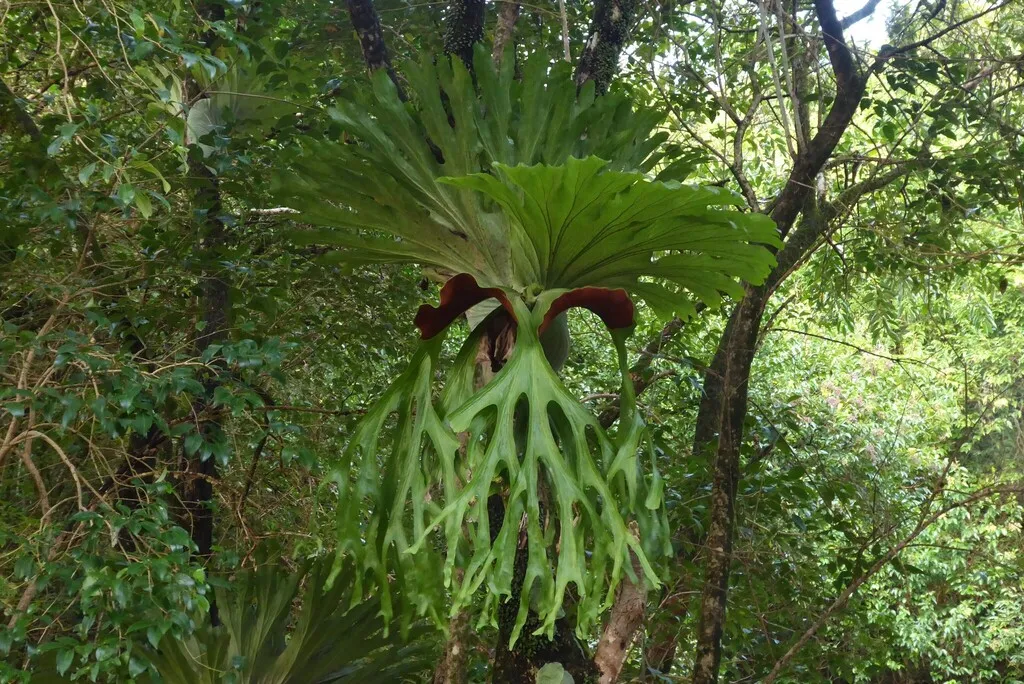
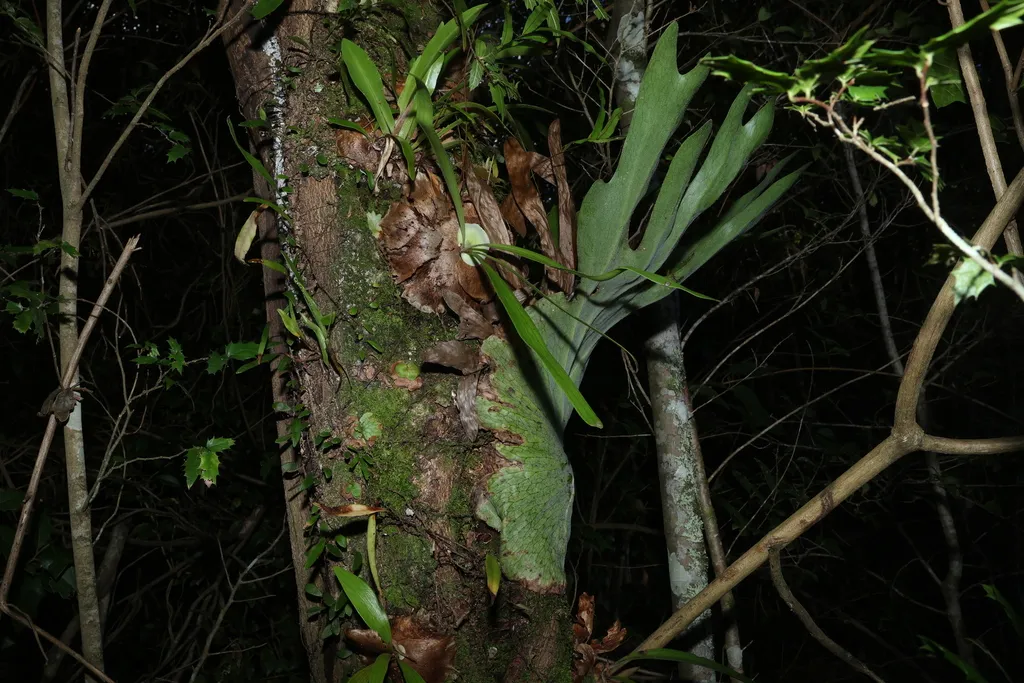
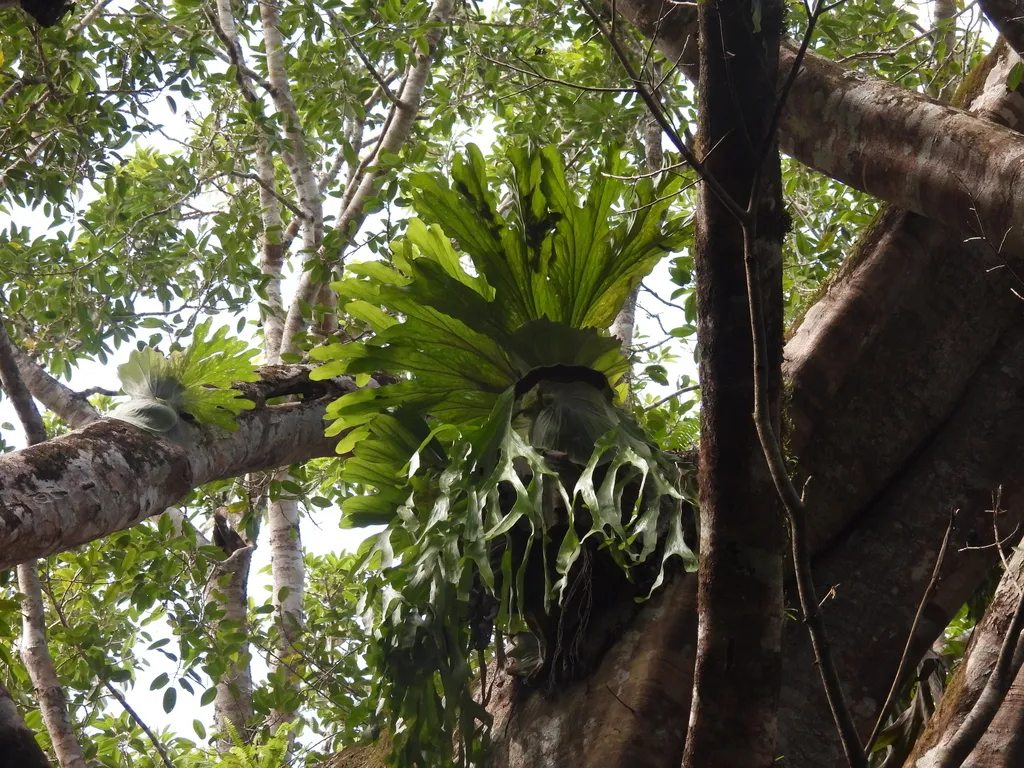
A tender, evergreen, epiphytic fern with large, upright, rounded to kidney-shaped, deeply lobed, grey-green fronds and long, pendent, wedge-shaped, forked, leathery, bright green fertile fronds.
Scientific classification
- Species
- staghorn fern (Platycerium superbum)
- Genus
- Platycerium
- Family
- Polypodiaceae
- Information to be completed
- Toxicity
- Ferns · Houseplants
- Plant type
- 1.5-2.5 metres
- Height
- 1.5-2.5 metres
- Spread
- Evergreen
- Foliage
- Clump forming
- Habit
- Spring · Summer · Autumn · Winter
- Season of interest
- Partial shade
- Sunlight
- Information to be completed
- Ideal temperature









staghorn fern pictures
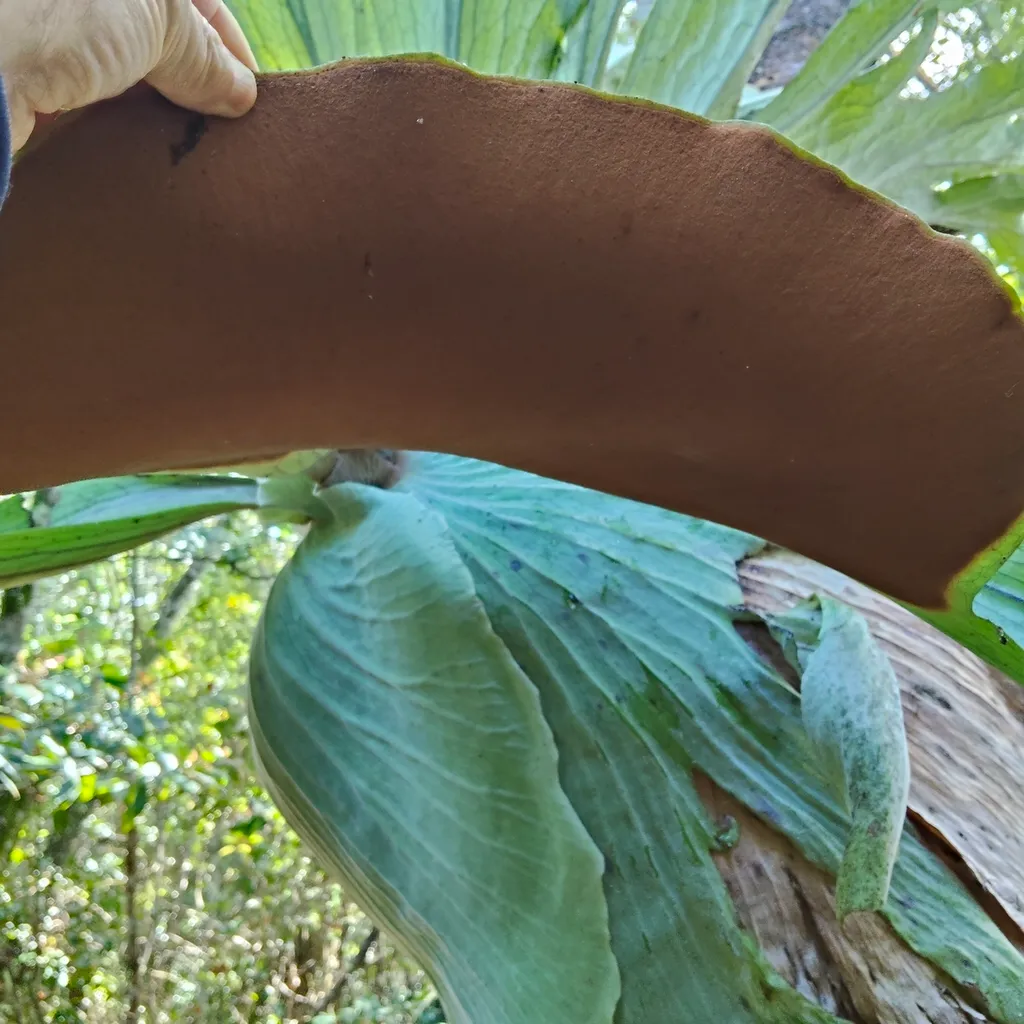
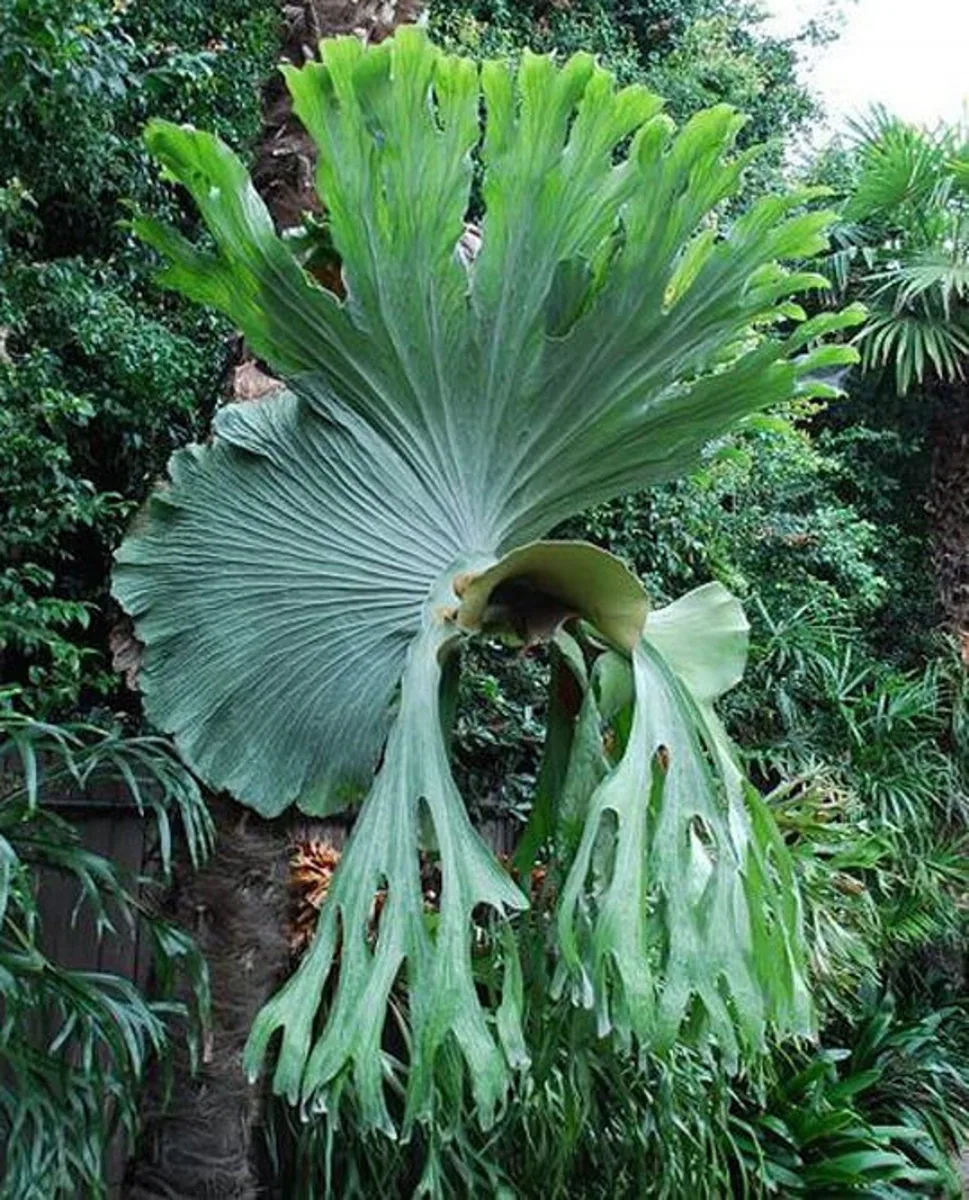
Distribution of staghorn fern
Distribution map
- Native
- Introduced
- Cultivated
Source:WCVP v16 · Royal Botanic Gardens, Kew · CC BY 3.0 · Boundaries:WGSRPD / TDWG
Culture
Information to be completed
Toxicity
Information to be completed
Quick identification of staghorn fern
Information to be completed
staghorn fern care guide
- Moderate regular watering, allowing brief slight drying between soakings
- Watering
- Partial shade
- Sunlight
- Information to be completed
- Ideal temperature

Watering
Moderate regular watering, allowing brief slight drying between soakings
Fertilizing
 Fertilizing
Balanced perennial feed every four weeks from spring through summer
Pruning
 Pruning
No pruning required
Propagation
 Propagation
Propagate by replanting plantlets or through spores
Growing
 Growing
Grow in a heated greenhouse or conservatory but out of direct sunlight. Grow epiphytically on bark or wood to recreate the natural environment of growing on trees, using an equal mix of coarse leaf mould, loam, and charcoal in bright filtered light and hight humidity. In growth, water freely, mist daily, and feed monthly. Do not allow roots to dry out. Benefits from occasional immersion of the entire root ball in water for several minutes and then drained. Water sparingly in winter. See fern cultivation for further advice
People also ask
Information to be completed
Common pests and diseases
Diseases
Generally disease-free
Pests
Generally pest-free
Explore the plant health library →




