
blue false indigo
Also known as: bastard lupine; false indigo; false lupine; golden indigo; indigo weed; tall false indigo
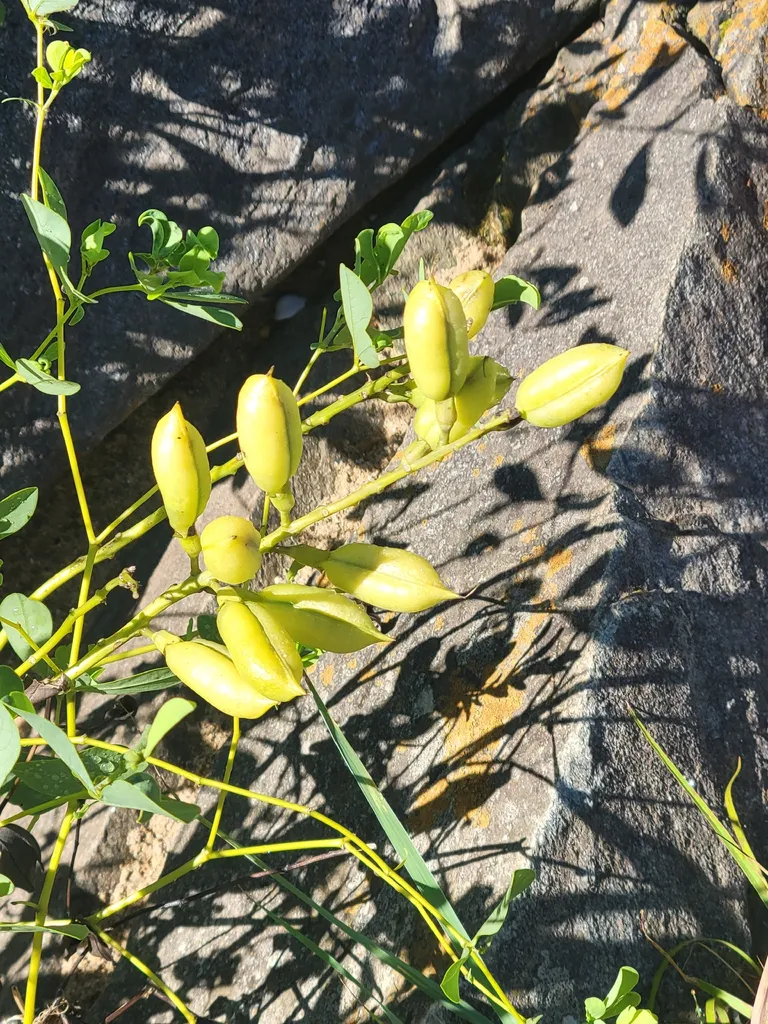
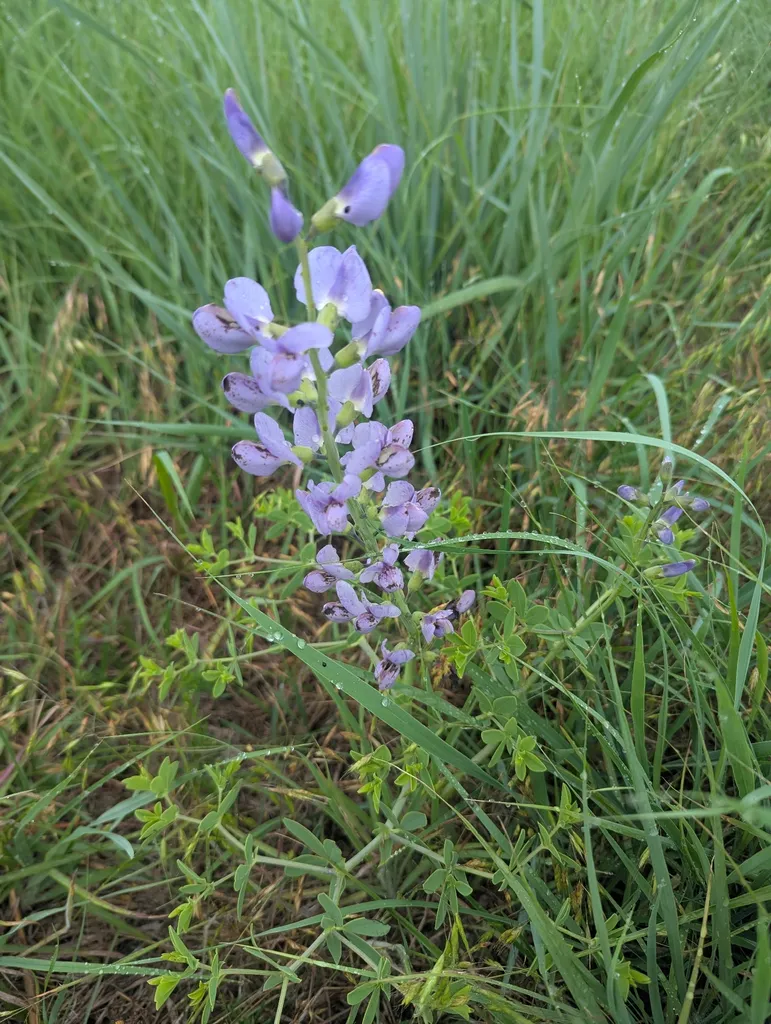
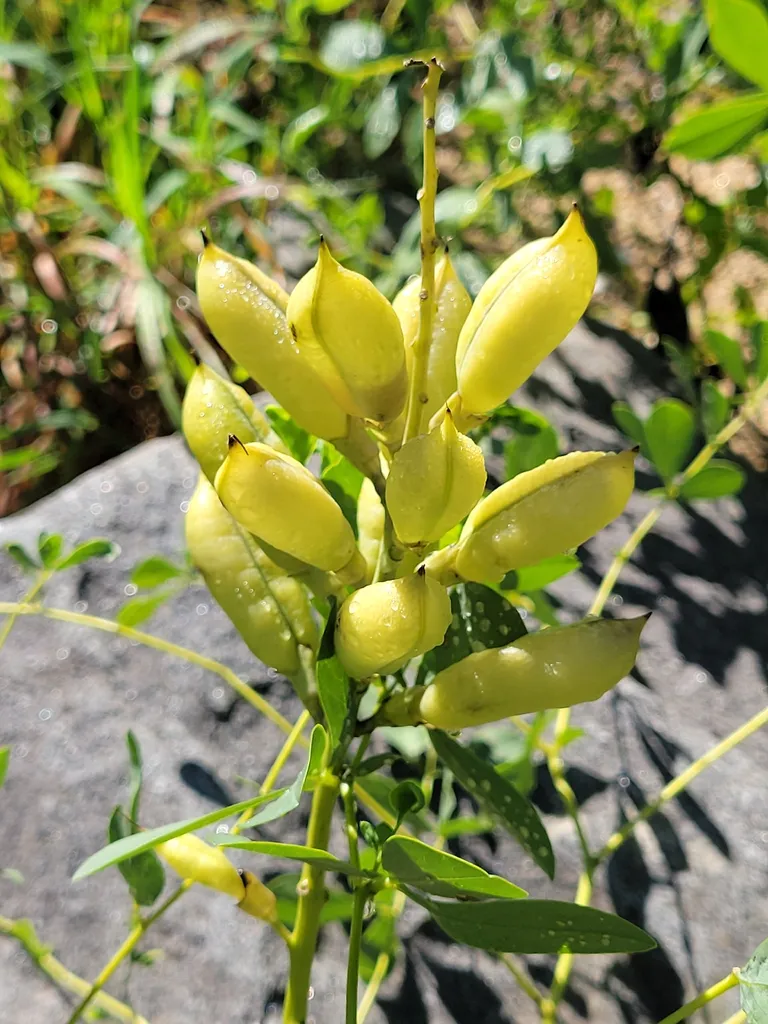
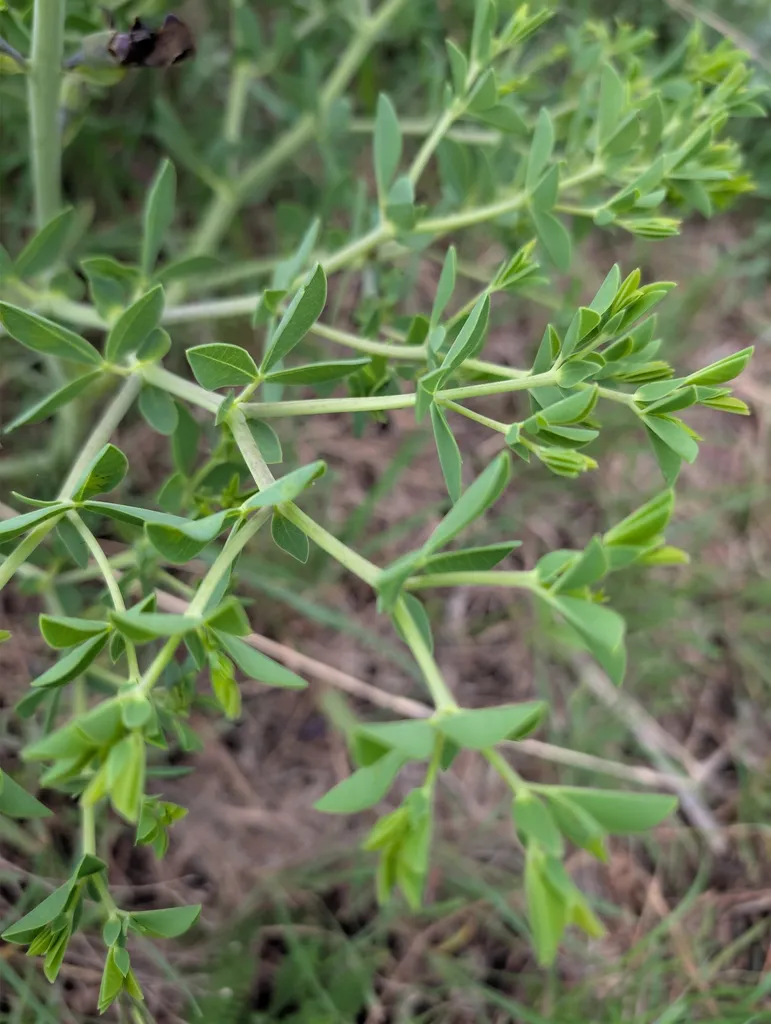
An herbaceous perennial forming a clump to 1.2m, with grey-green, trifoliate leaves and erect, lupin-like racemes of violet-blue flowers, followed by inflated, dark grey pods
Scientific classification
- Species
- blue false indigo (Baptisia australis)
- Genus
- Baptisia
- Family
- Fabaceae
- Information to be completed
- Toxicity
- Herbaceous Perennial
- Plant type
- 1-1.5 metres
- Height
- 0.5-1 metres
- Spread
- Deciduous
- Foliage
- Clump forming
- Habit
- Spring · Summer · Autumn
- Season of interest
- Full sun
- Sunlight
- Information to be completed
- Ideal temperature









blue false indigo pictures
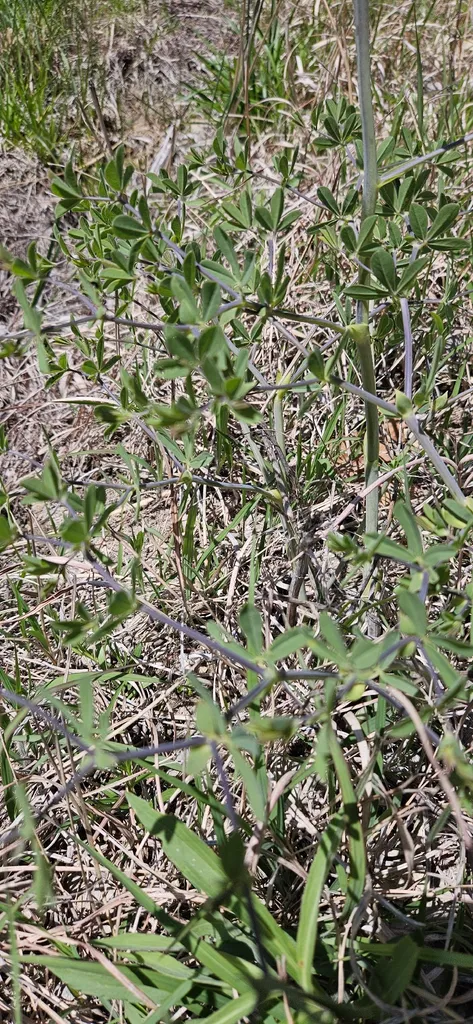
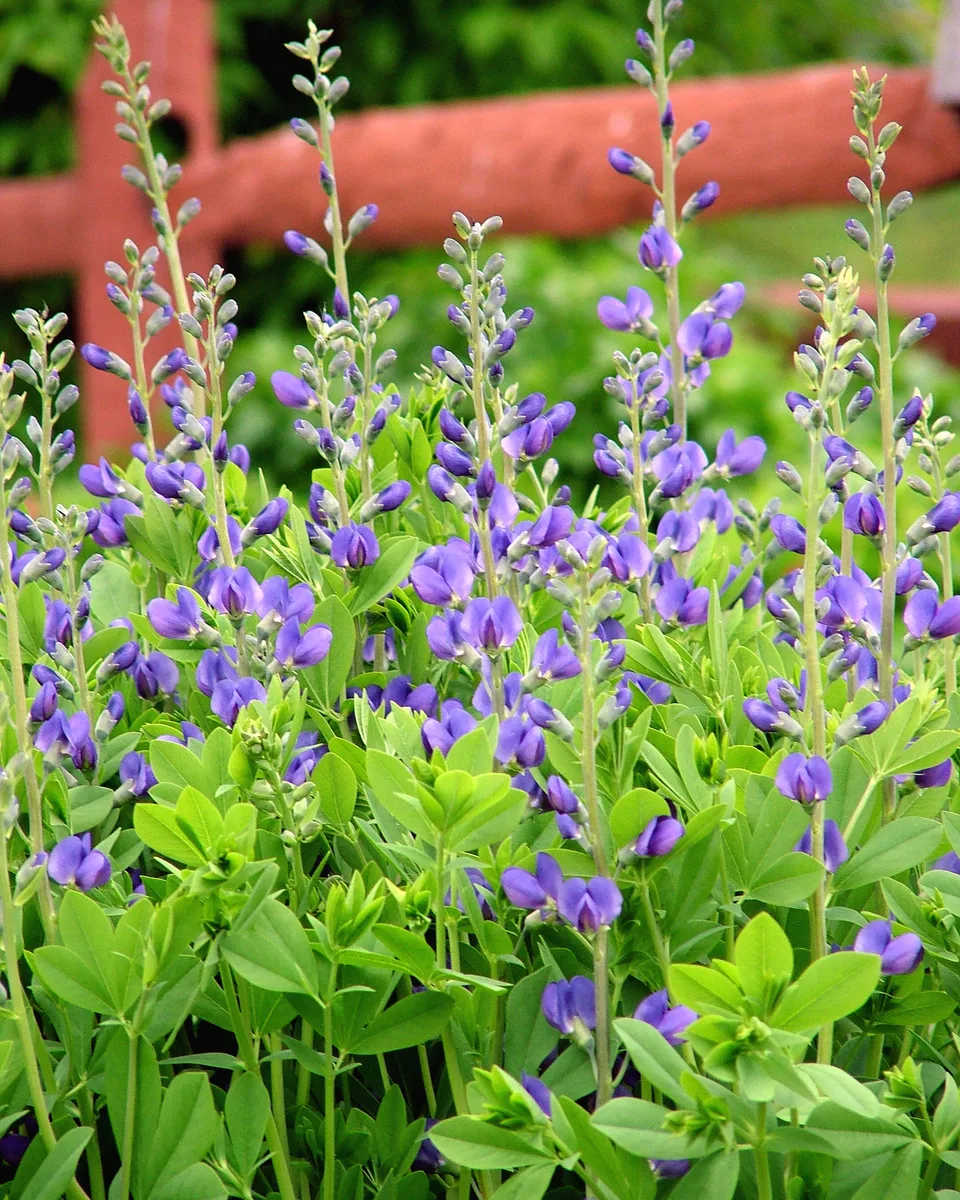
Distribution of blue false indigo
Distribution map
Eastern USA
Information to be completed
Culture
Information to be completed
Toxicity
Information to be completed
Quick identification of blue false indigo
Information to be completed
blue false indigo care guide
- Moderate regular watering, avoid prolonged drought or waterlogging
- Watering
- Full sun
- Sunlight
- Information to be completed
- Ideal temperature

Watering
Moderate regular watering, avoid prolonged drought or waterlogging
Fertilizing
 Fertilizing
Balanced feed in spring and light repeat in growth season
Pruning
 Pruning
Cut down once foliage has blackened
Propagation
 Propagation
Propagate by seed sown in pots in a cold frame as soon as seed is ripe or propagate by division in early spring
Growing
 Growing
Grow in open, porous, preferably sandy soil in full sun; drought resistant once roots have penetrated the soil. Best left undisturbed, although vigorous clumps may be carefully divided in spring.
People also ask
Information to be completed
Common pests and diseases
Diseases
Generally disease free
Pests
Generally pest-free
Explore the plant health library →




