
common woundwort
Also known as: downy woundwort; lamb's ear
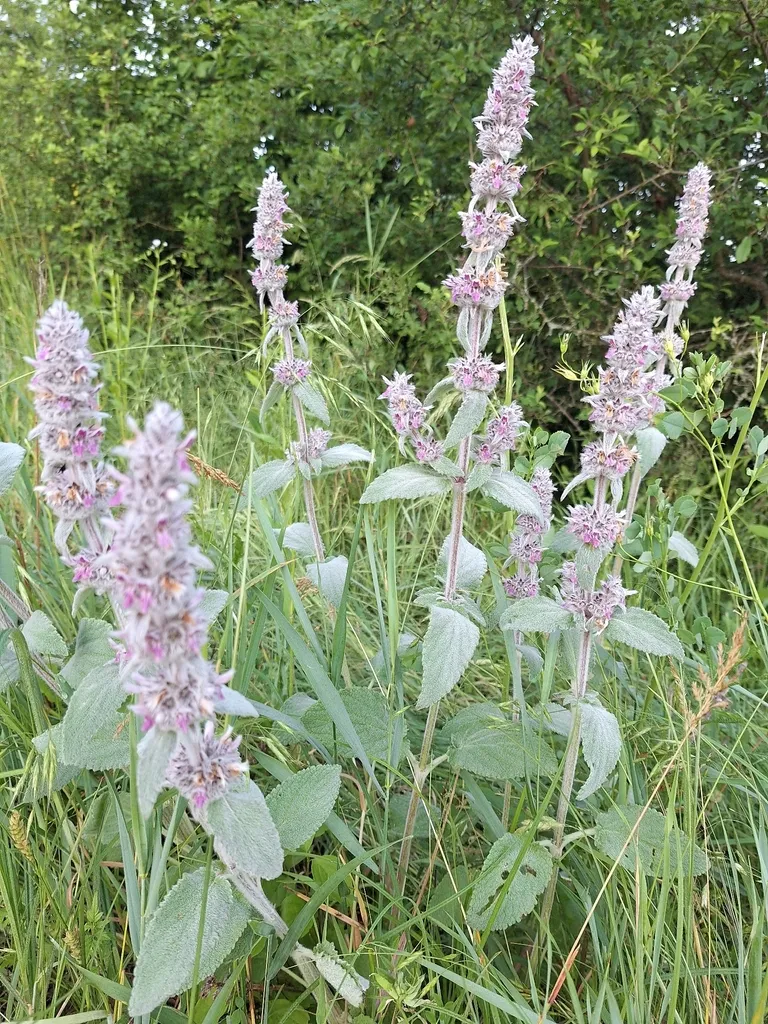
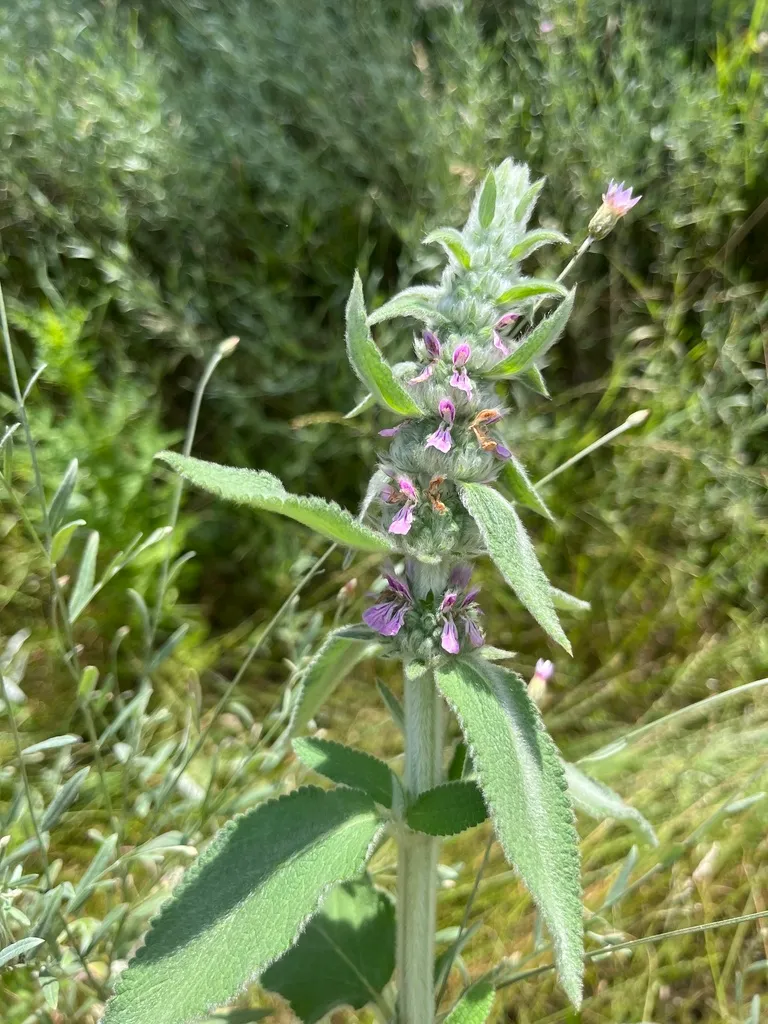
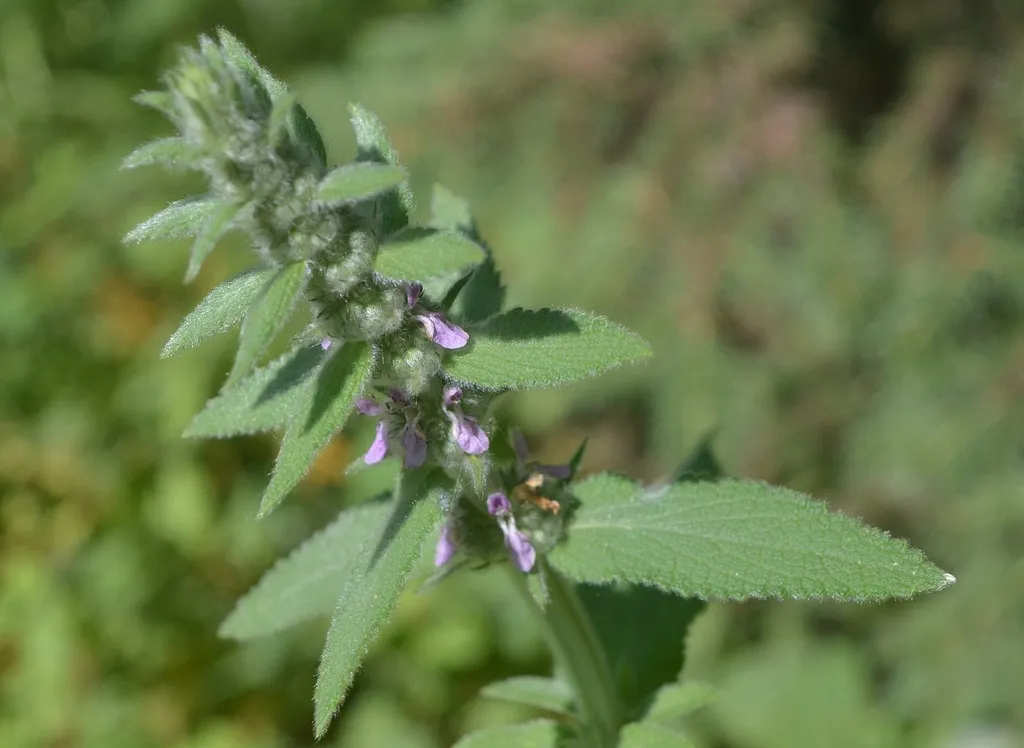
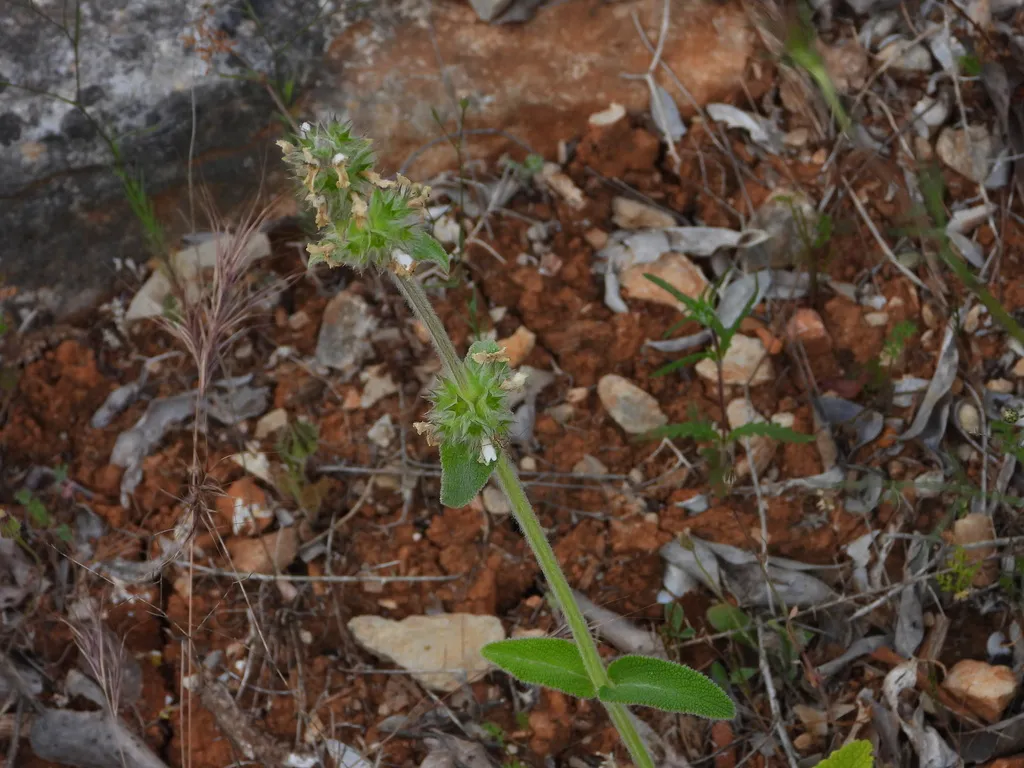
A densely woolly biennial wildflower, up to 1m high in flower, with basal rosettes of lance-shaped, serrated leaves covered with fine white hairs. Small purple-pink flowers are borne in whorls around the upright stems in the summer of the second year
Scientific classification
- Species
- common woundwort (Stachys germanica)
- Genus
- Stachys
- Family
- Lamiaceae
- Order
- Lamiales
- Class
- Magnoliopsida
- Phylum
- Magnoliophyta
- Information to be completed
- Toxicity
- Annual Biennial
- Plant type
- Information to be completed
- Height
- Information to be completed
- Spread
- Semi evergreen
- Foliage
- Columnar upright
- Habit
- Spring · Summer · Autumn · Winter
- Season of interest
- Full sun · Partial shade
- Sunlight
- Information to be completed
- Ideal temperature









common woundwort pictures
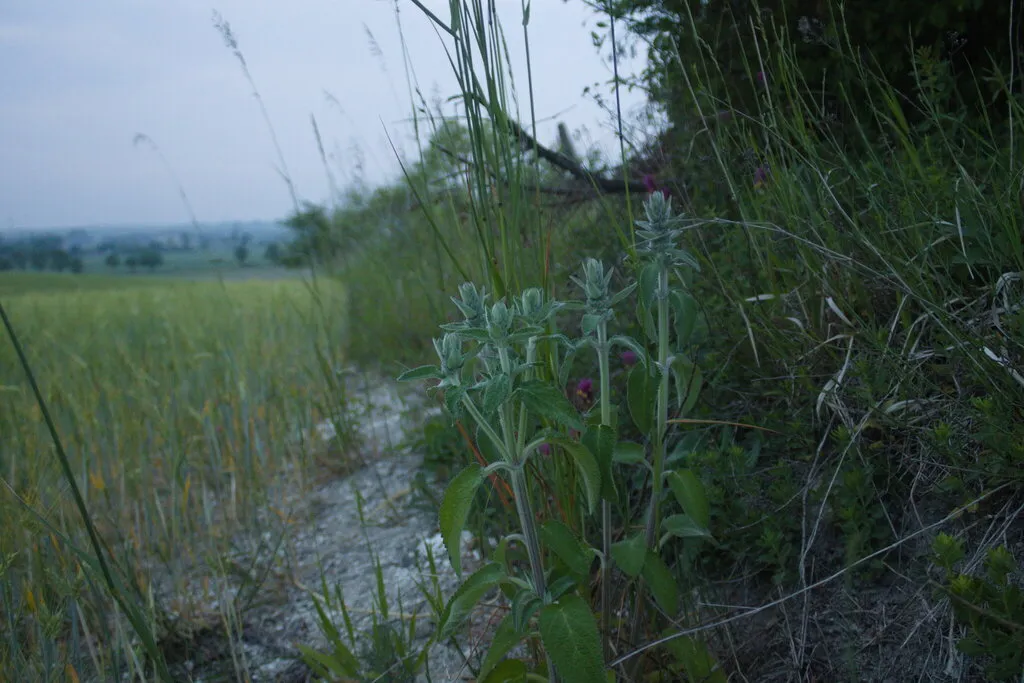
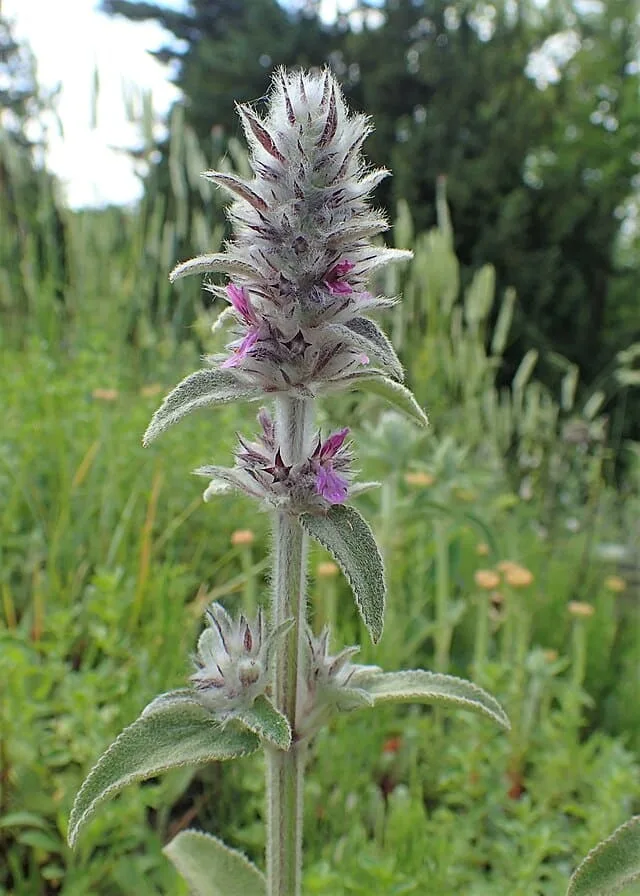
Distribution of common woundwort
Distribution map
- Native
- Introduced
- Cultivated
Source:WCVP v16 · Royal Botanic Gardens, Kew · CC BY 3.0 · Boundaries:WGSRPD / TDWG
common woundwort care guide
- Moderate regular watering, allowing brief slight drying between soakings
- Watering
- Full sun · Partial shade
- Sunlight

Watering
Moderate regular watering, allowing brief slight drying between soakings
Fertilizing
 Fertilizing
Balanced perennial feed every four weeks from spring through summer
Pruning
 Pruning
No pruning required
Propagation
 Propagation
Propagate by seed, needs light to germinate
Growing
 Growing
Thrives in open but sheltered sites, on well-drained, neutral to slightly alkaline soils in sun or part shade. Prefers warm dry summers and does not compete well in crowded planting sites
Common pests and diseases
Diseases
Generally disease-free
Pests
May be susceptible to slugs, snails and tortrix moth larvae as well as mice, voles and rabbits
Explore the plant health library →




