
Argyle apple
Also known as: Information to be completed
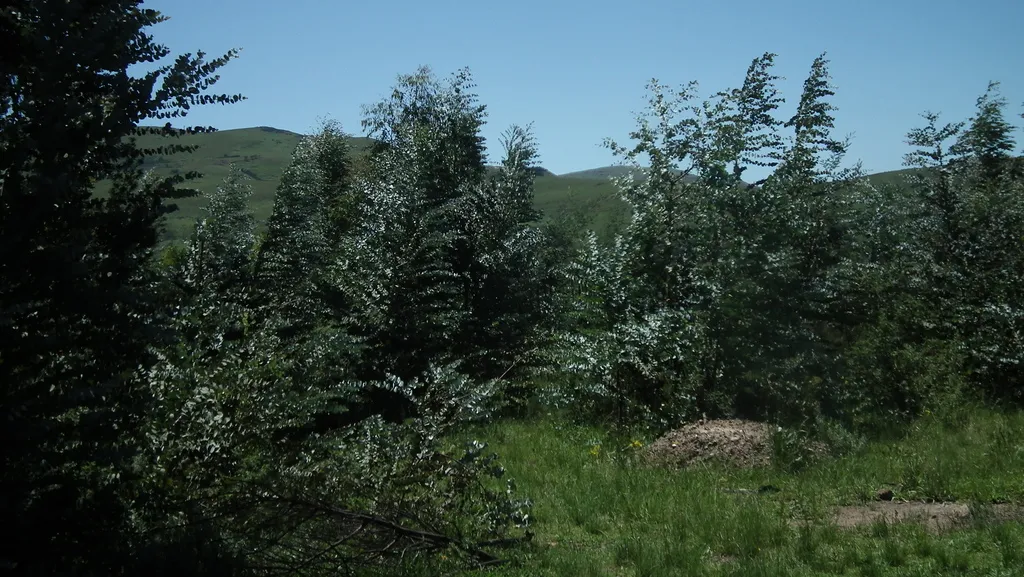
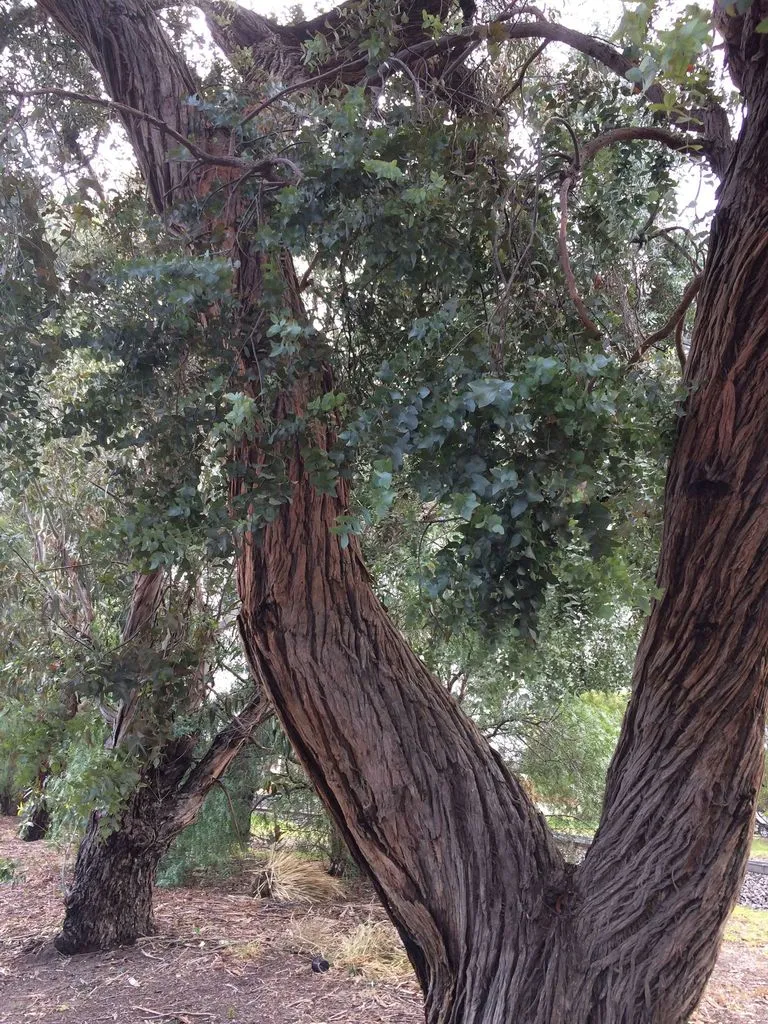
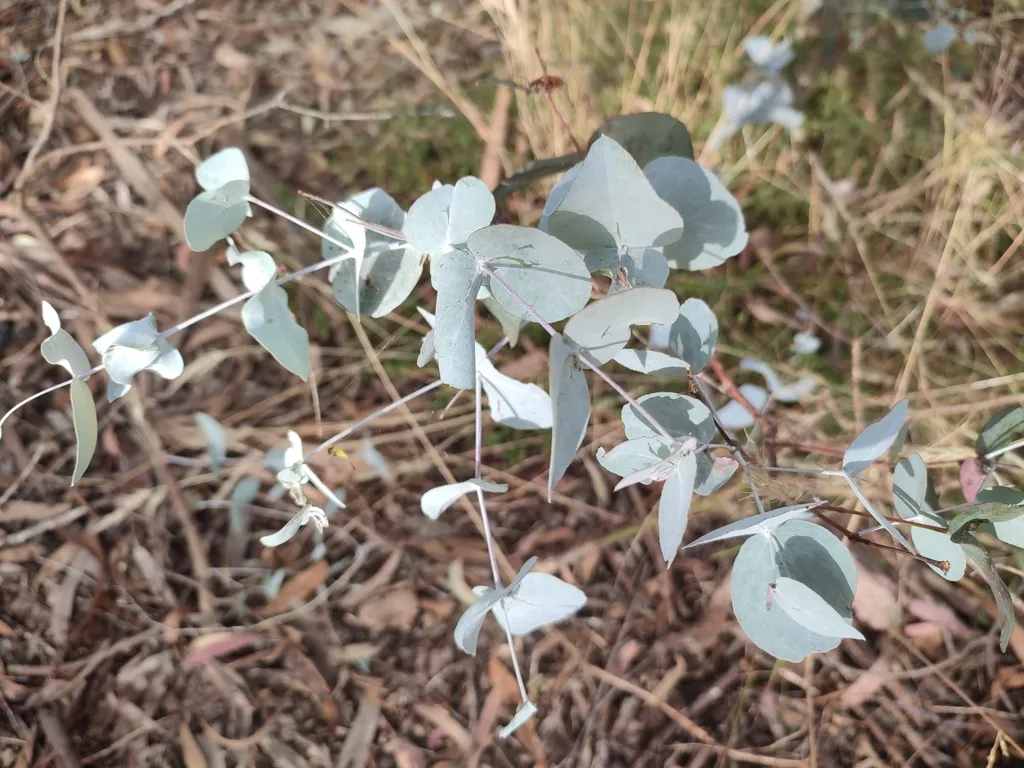
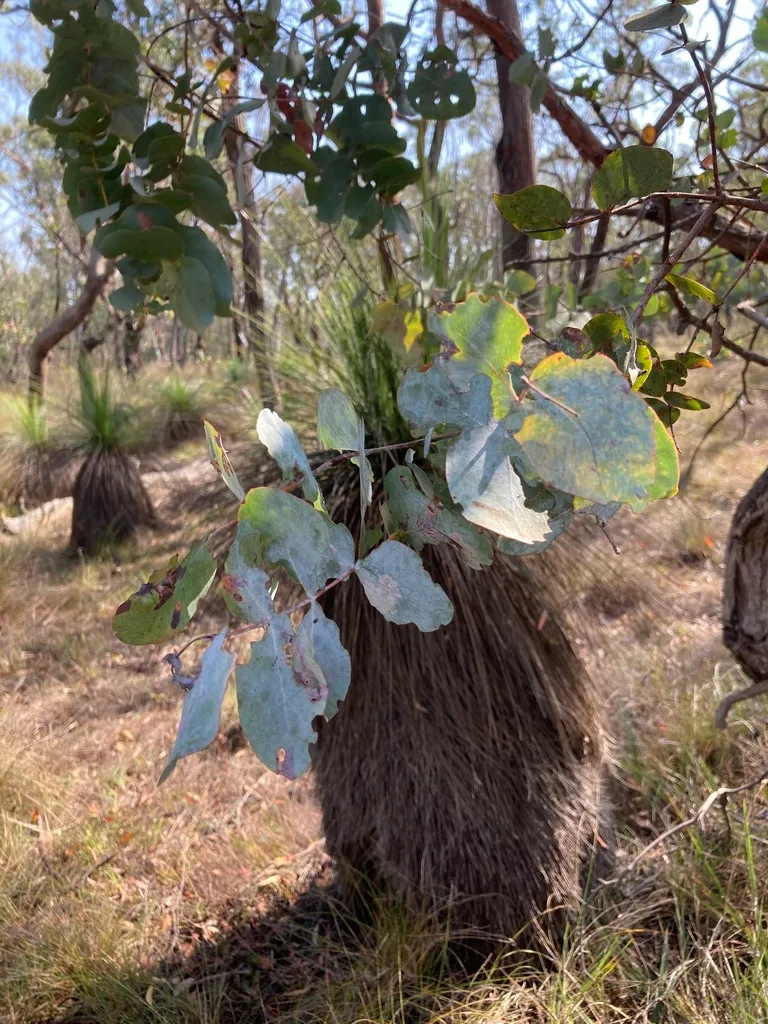
Evergreen tree, with a dense canopy of striking silver-blue foliage, about 10-15m tall. The bark is grey-brown over reddish-brown and vertically fissured. Glaucous, greyish-blue, rounded juvenile leaves to 8cm long and intermediate foliage, lasts on the tree for many years. and is covered in a highly ornamental white, waxy bloom. Adult folige is a dull, sage-green and sickle-shaped, but rarely appears. White flowers are produced in late spring, followed by funnel-shaped woody fruit. The foliage and wood is strongly fragrant of eucalyptus oil.
Scientific classification
- Species
- Argyle apple (Eucalyptus cinerea)
- Genus
- Eucalyptus
- Family
- Myrtaceae
- Information to be completed
- Toxicity
- Trees
- Plant type
- Higher than 12 metres
- Height
- 4-8 metres
- Spread
- Evergreen
- Foliage
- Bushy
- Habit
- Spring · Summer · Autumn · Winter
- Season of interest
- Full sun
- Sunlight
- Information to be completed
- Ideal temperature









Argyle apple pictures
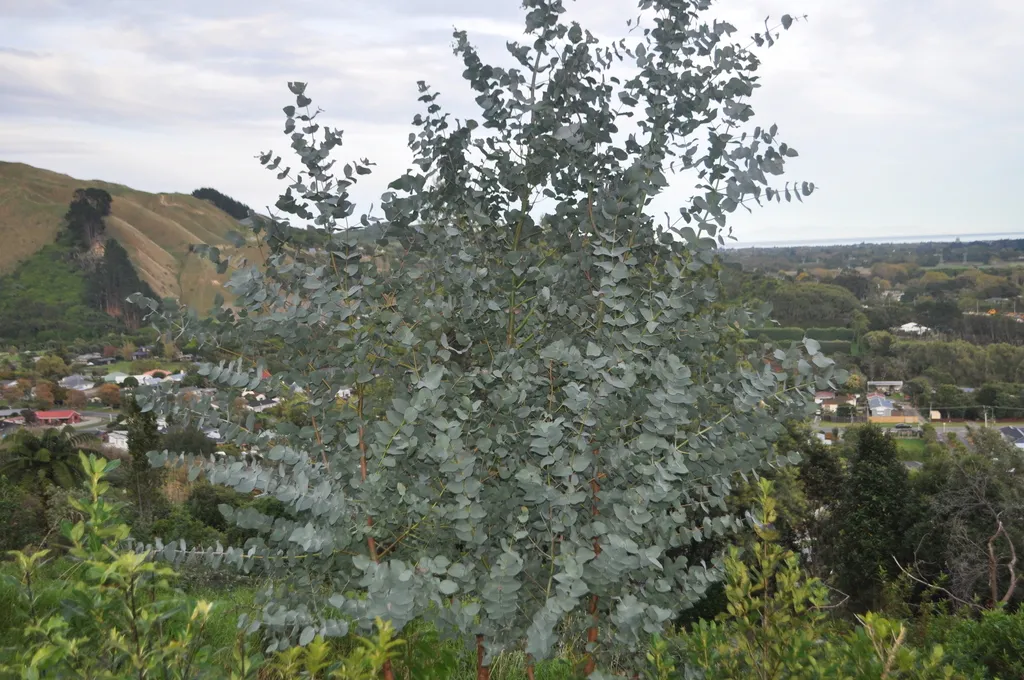
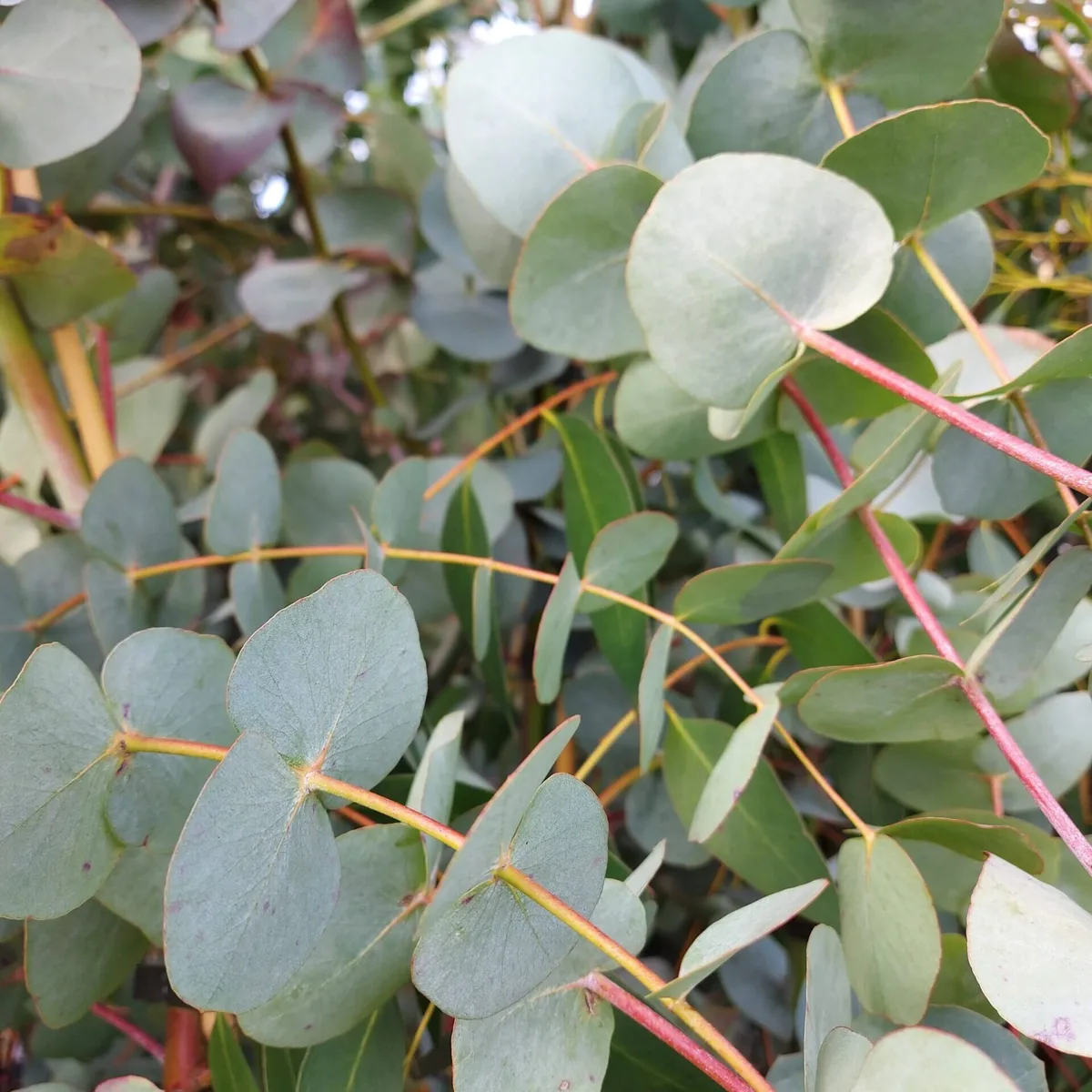
Distribution of Argyle apple
Distribution map
Australia (New South Wales), Victoria
Information to be completed
Culture
Information to be completed
Toxicity
Information to be completed
Quick identification of Argyle apple
Information to be completed
Argyle apple care guide
- Moderate regular watering, allowing brief slight drying between soakings
- Watering
- Full sun
- Sunlight
- Information to be completed
- Ideal temperature

Watering
Moderate regular watering, allowing brief slight drying between soakings
Fertilizing
 Fertilizing
Balanced perennial feed every four weeks from spring through summer
Pruning
 Pruning
Little pruning is needed. Remove diseased, damaged, crowded or crossing shoots and unwanted growth. Timing depends on the plant: generally late winter or early spring; plants prone to bleeding and deciduous magnolias need different timing, and deciduous azaleas and lilacs are pruned after flowering.
Propagation
 Propagation
Propagate by seed at 13-18°C in spring and summer
Growing
 Growing
Grows well in a sunny position in neutral to acid garden soils as long as they are well-drained. The plant can tolerate dryer soil conditions, but only once it has become well-established. See eucalyptus cultivation
People also ask
Information to be completed
Common pests and diseases
Diseases
May be susceptible to silver leaf, oedema and honey fungus
Pests
May be susceptible to eucalyptus gall wasp and eucalyptus sucker
Explore the plant health library →




