
Luffa operculata
Also known as: Information to be completed
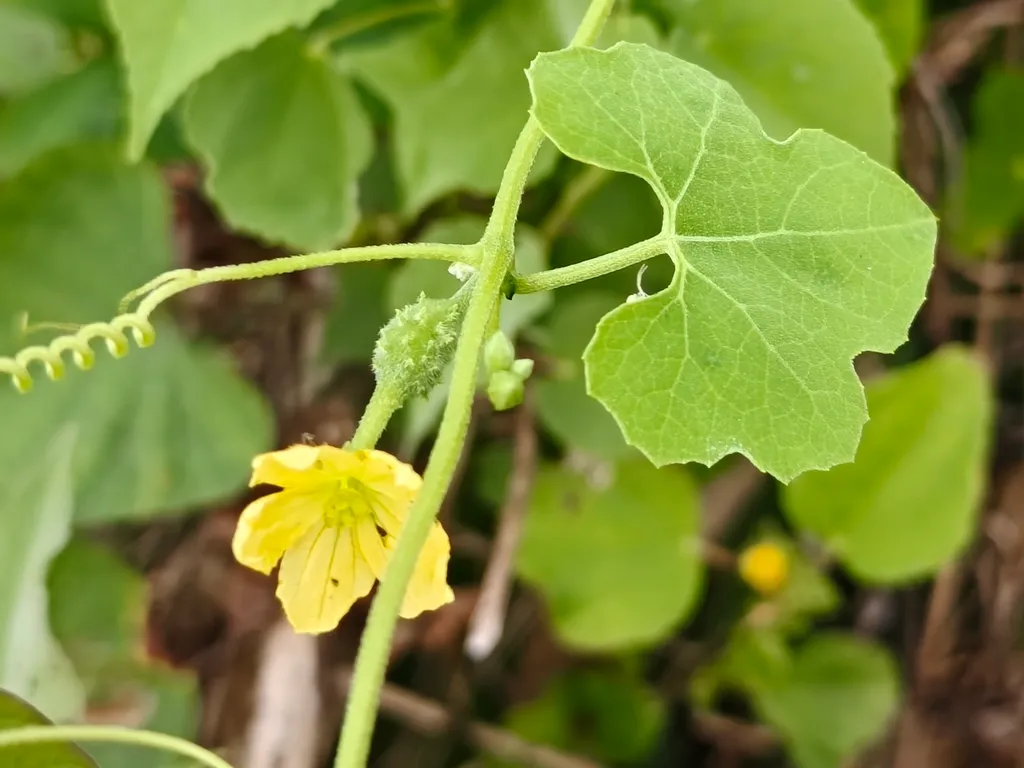
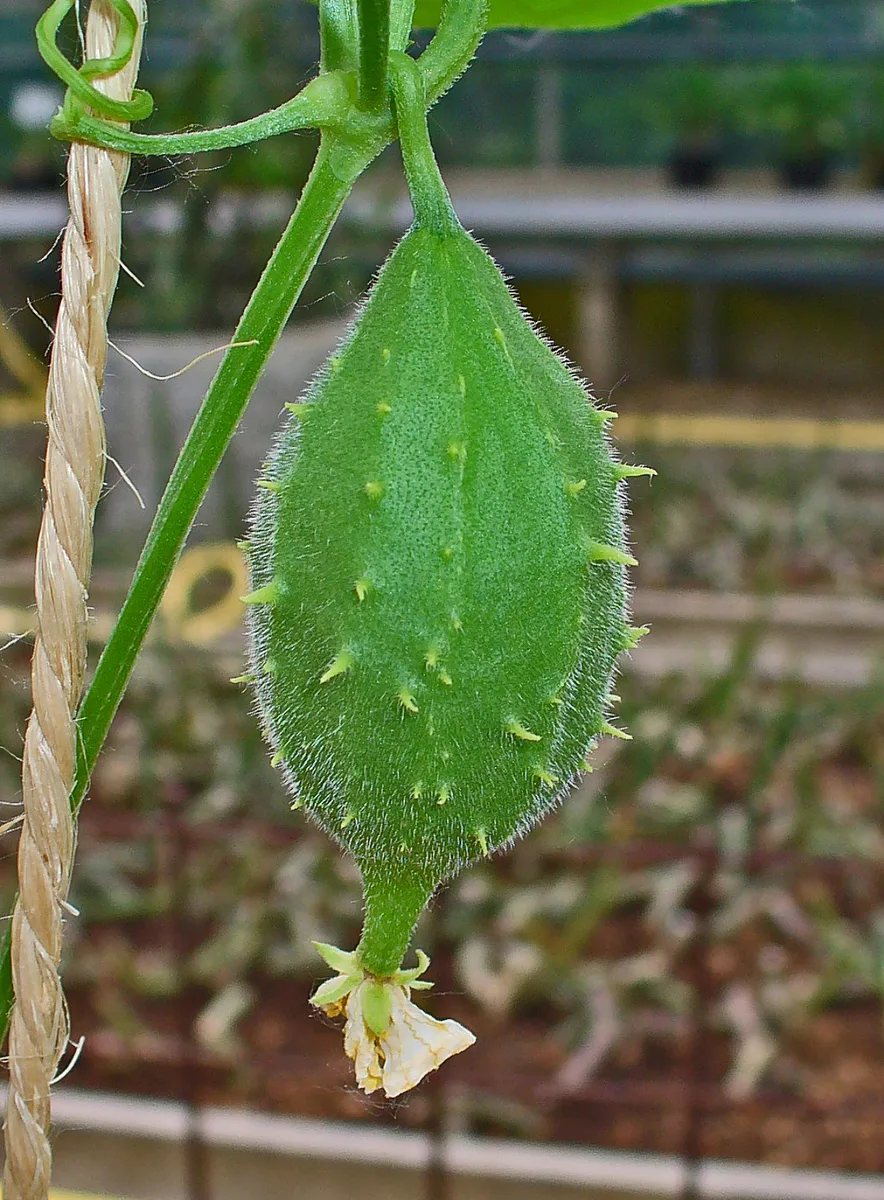
A tender, tendril-climbing vine with rough-textured, maple-shaped leaves to 15cm across. From summer to autumn it produces bright yellow to 4cm across. From mid-summer ovoid fruits begin to form; these are 10cm long with spiny ridges. Young fruits can be eaten as a vegetable. If left to mature the skin can be picked off, the seeds removed, and the fibrous body used as an abrasive sponge
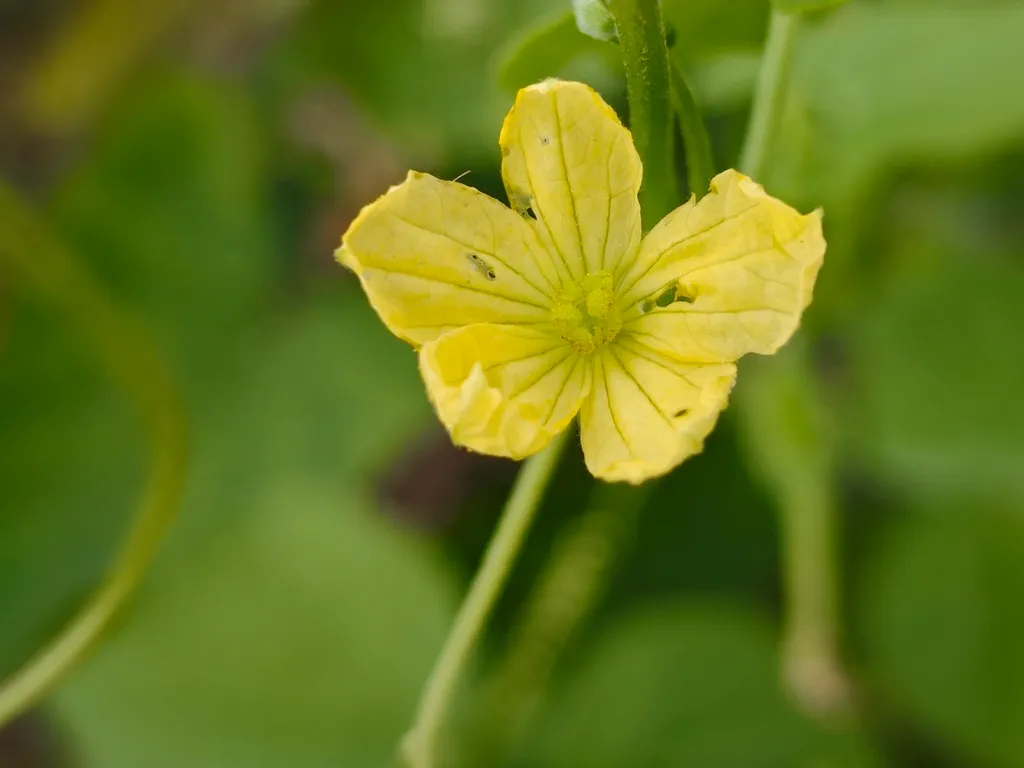
Scientific classification
- Species
- Luffa operculata (Luffa operculata)
- Genus
- Luffa
- Family
- Cucurbitaceae
- Harmful if eaten, except young fruit, don't eat if bitter. Wear gloves and other protective equipment when handling]
- Toxicity
- Annual Biennial
- Plant type
- 1.5-2.5 metres
- Height
- 0.1-0.5 metres
- Spread
- Deciduous
- Foliage
- Climbing
- Habit
- Spring · Summer · Autumn
- Season of interest
- Full sun
- Sunlight
- Information to be completed
- Ideal temperature









Luffa operculata pictures
Distribution of Luffa operculata
Distribution map
Information to be completed
Information to be completed
Culture
Information to be completed
Toxicity
Harmful if eaten, except young fruit, don't eat if bitter. Wear gloves and other protective equipment when handling]
Quick identification of Luffa operculata
Information to be completed
Luffa operculata care guide
- Moderate regular watering, allowing brief slight drying between soakings
- Watering
- Full sun
- Sunlight
- Information to be completed
- Ideal temperature

Watering
Moderate regular watering, allowing brief slight drying between soakings
Fertilizing
 Fertilizing
Balanced perennial feed every four weeks from spring through summer
Pruning
 Pruning
No pruning required
Propagation
 Propagation
Sow seeds at 21-24°C in early spring
Growing
 Growing
Under glass, plant in large pots or direct into the greenhouse border with support for the climbing tendrils; provide high humidity and shade from hot summer sun. Outdoors plant out in early summer against a sunny fence with climbing support. Luffas need a long growing season for the fruits to mature
People also ask
Information to be completed
Common pests and diseases
Diseases
May be susceptible to powdery mildews
Pests
Generally pest-free
Explore the plant health library →




