
stauntonia vine
Also known as: Information to be completed
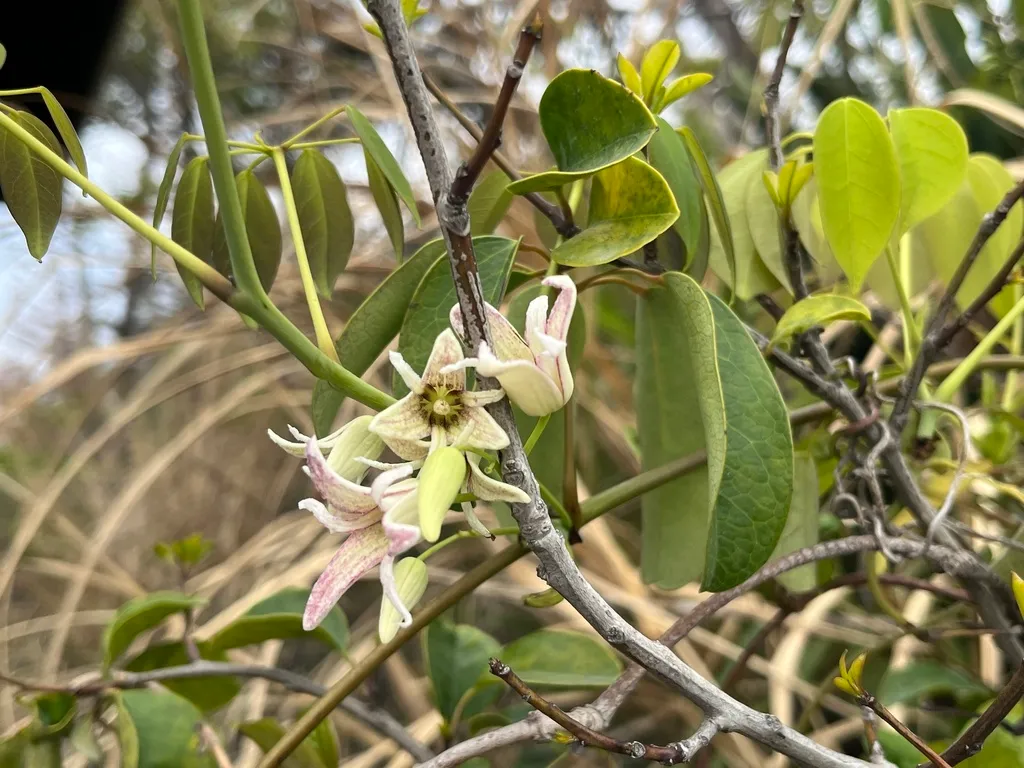
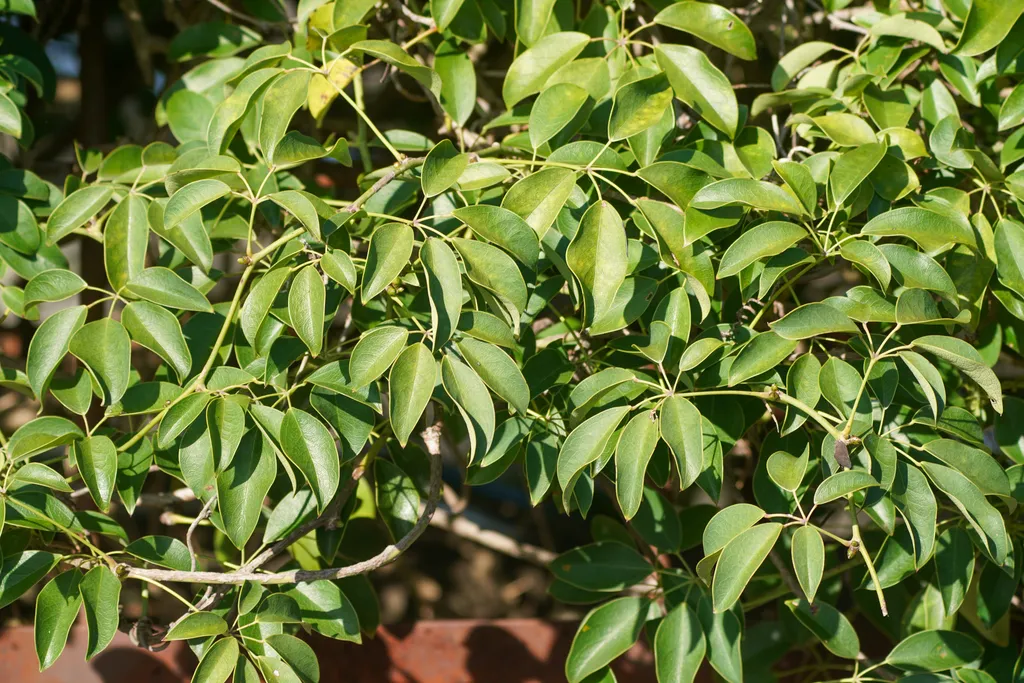
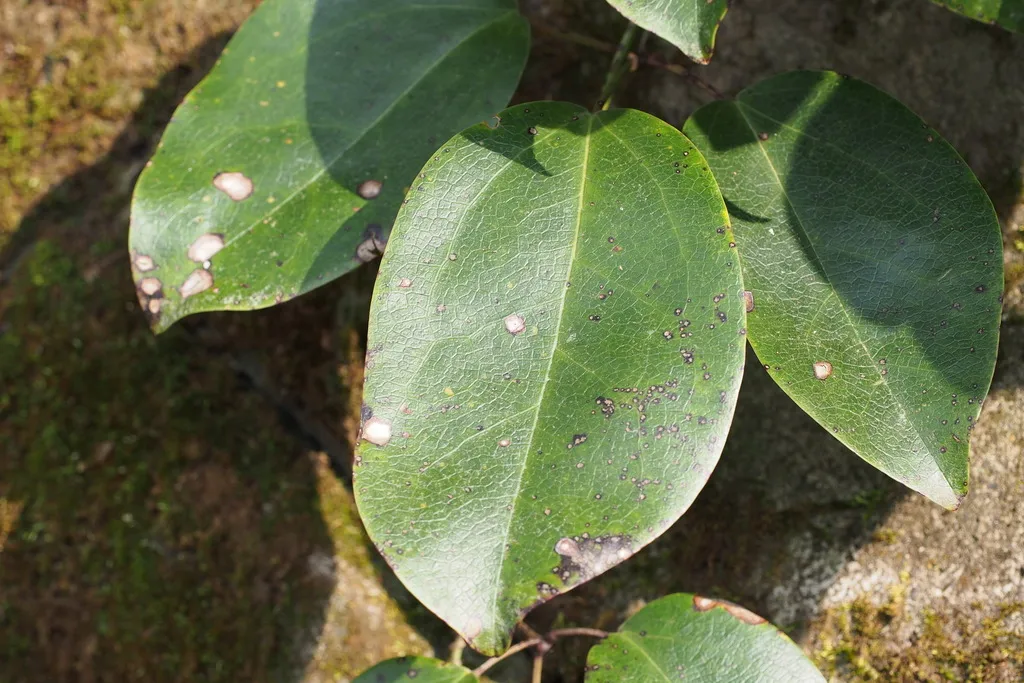
S. hexaphylla is a vigorous climber with leaves composed mostly of between three and seven leathery, elliptic leaflets, and axillary racemes of fragrant, dull pink flowers 2cm in length, sometimes followed by ovoid purplish fruits to 5cm in length
Scientific classification
- Species
- stauntonia vine (Stauntonia hexaphylla)
- Genus
- Stauntonia
- Family
- Lardizabalaceae
- Order
- Ranunculales
- Class
- Magnoliopsida
- Phylum
- Magnoliophyta
- Information to be completed
- Toxicity
- Climber Wall Shrub
- Plant type
- 8-12 metres
- Height
- 1.5-2.5 metres
- Spread
- Evergreen
- Foliage
- Climbing
- Habit
- Spring · Summer · Autumn · Winter
- Season of interest
- Full sun · Partial shade
- Sunlight
- Information to be completed
- Ideal temperature









stauntonia vine pictures
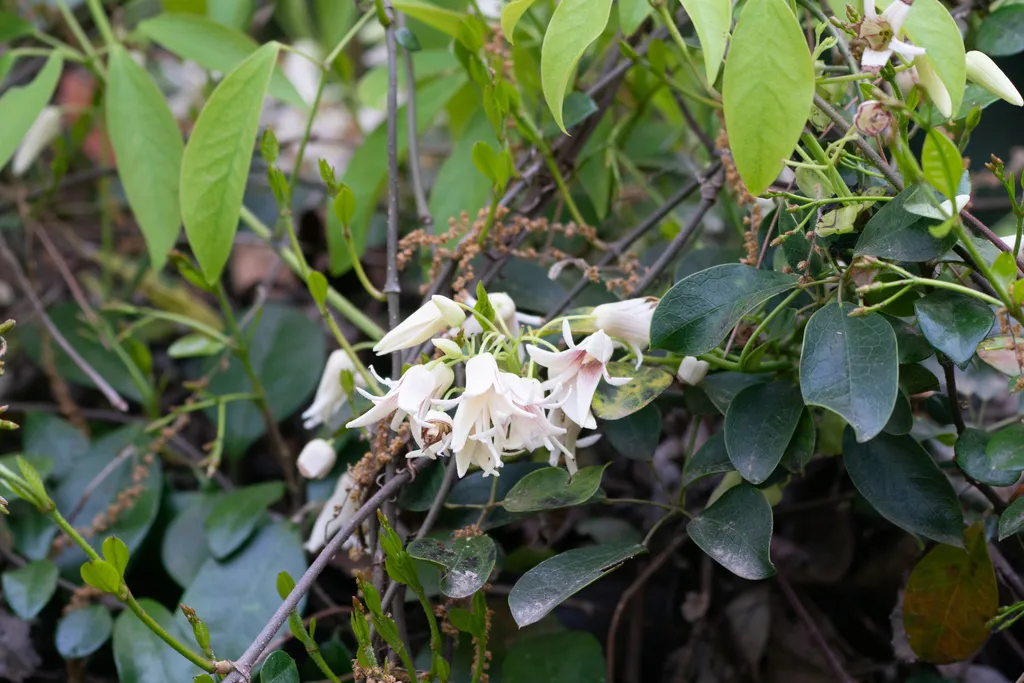
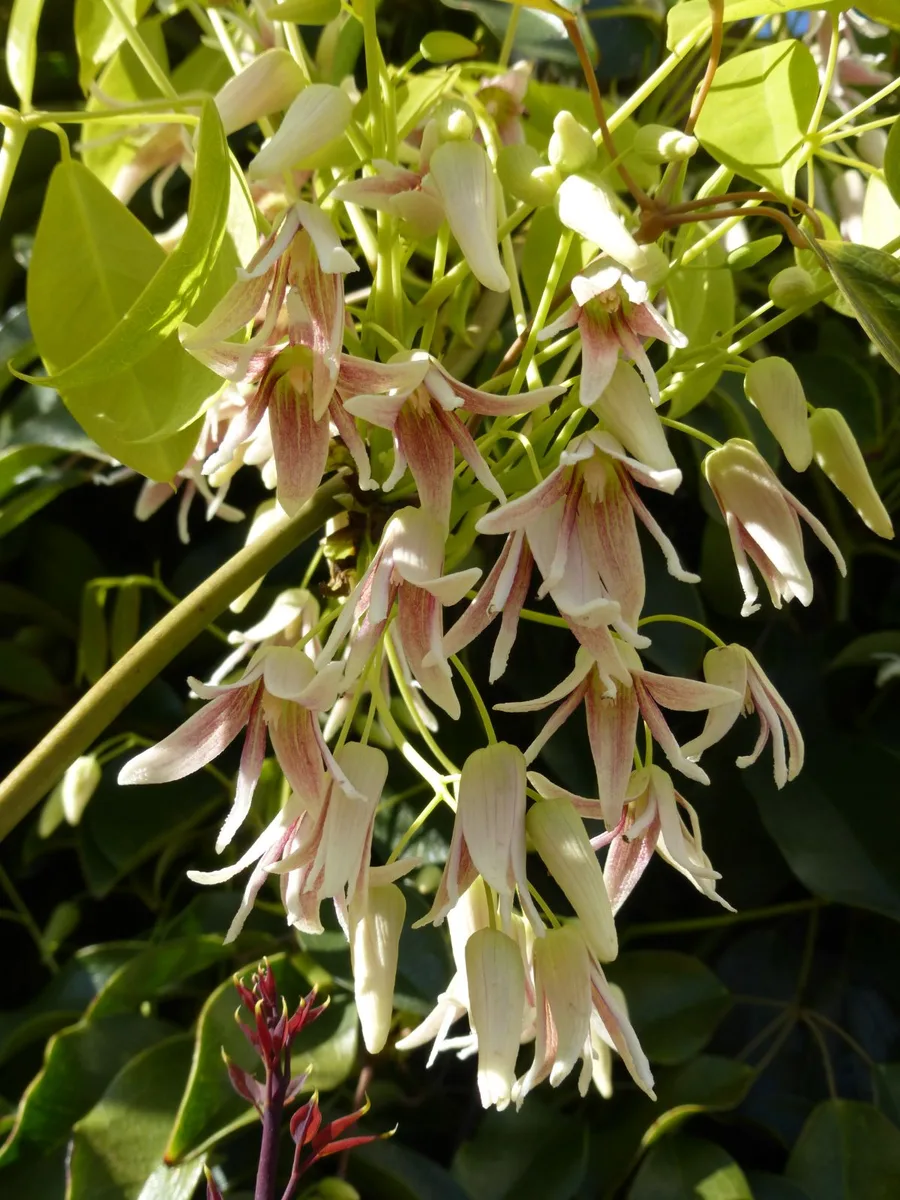
Distribution of stauntonia vine
Distribution map
- Native
- Introduced
- Cultivated
Source:WCVP v16 · Royal Botanic Gardens, Kew · CC BY 3.0 · Boundaries:WGSRPD / TDWG
stauntonia vine care guide
- Moderate regular watering, avoid prolonged drought or waterlogging
- Watering
- Full sun · Partial shade
- Sunlight

Watering
Moderate regular watering, avoid prolonged drought or waterlogging
Fertilizing
 Fertilizing
Balanced feed in spring and light repeat in growth season
Pruning
 Pruning
Routine pruning is unnecessary; shorten overlong shoots to fit the available space. For last-year flowering growth, prune after flowering; for current-year flowering growth, prune in late winter or spring. This guidance is for established plants.
Propagation
 Propagation
Propagate by seed or semi-hardwood cuttings
Growing
 Growing
Ideal for a warm sheltered wall with sun or partial shade in fertile, well-drained soil. In cold areas, grow in a container and overwinter indoors
Common pests and diseases
Diseases
Generally disease free
Pests
Generally pest-free
Explore the plant health library →




