
Aloe squarrosa
Also known as: Information to be completed
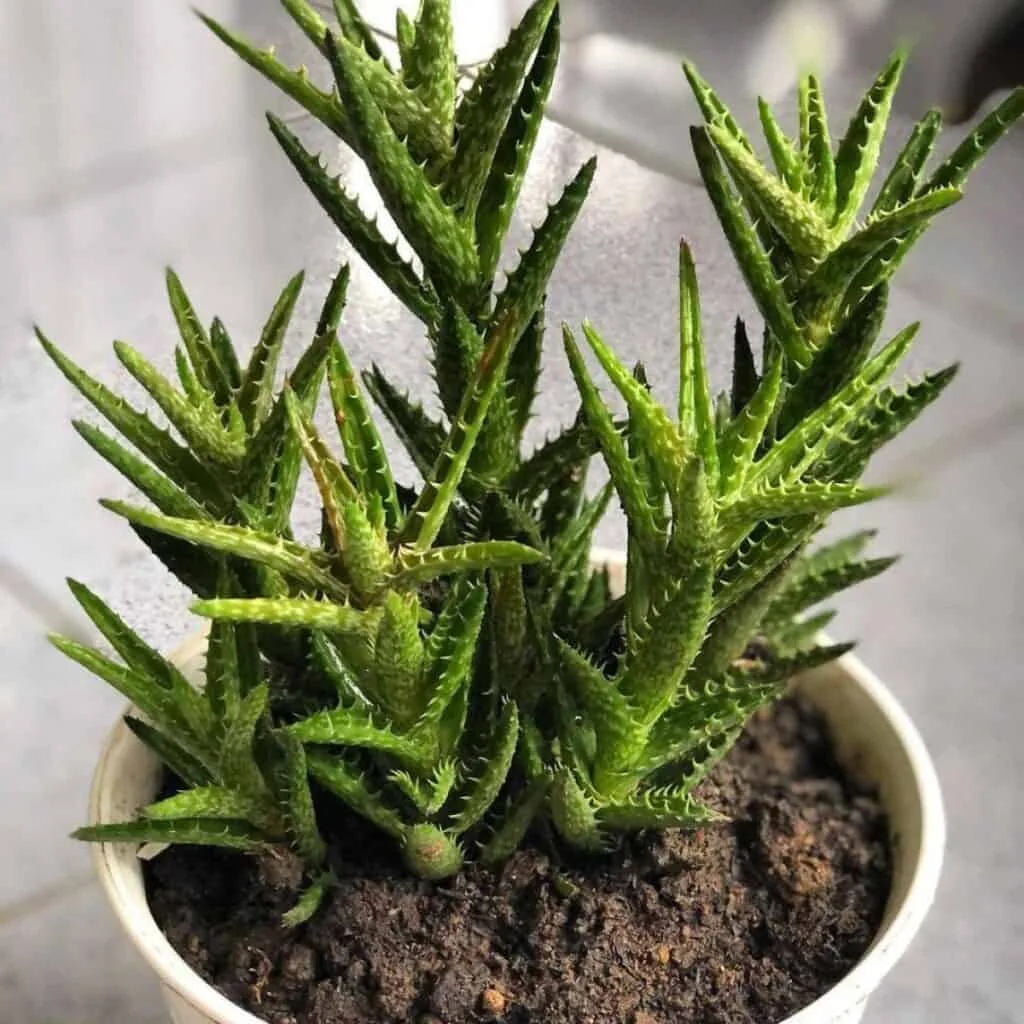
Prostrate evergreen succulent about 30cm tall, with short stems bearing lance-shaped, strongly recurved, toothed, mid-green leaves speckled white. Unbranched flower stems to 25cm long with tubular red flowers are produced in summer
Scientific classification
- Species
- Aloe squarrosa (Aloe squarrosa)
- Genus
- Aloe
- Family
- Asphodelaceae
- Harmful if eaten. Wear gloves and other protective equipment when handling
- Toxicity
- Cactus Succulent
- Plant type
- 0.1-0.5 metres
- Height
- 0.1-0.5 metres
- Spread
- Evergreen
- Foliage
- Information to be completed
- Habit
- Spring · Summer · Autumn · Winter
- Season of interest
- Full sun
- Sunlight
- Information to be completed
- Ideal temperature









Aloe squarrosa pictures
Distribution of Aloe squarrosa
Distribution map
Socotra
Information to be completed
Culture
Information to be completed
Toxicity
Harmful if eaten. Wear gloves and other protective equipment when handling
Quick identification of Aloe squarrosa
Information to be completed
Aloe squarrosa care guide
- Moderate regular watering, avoid prolonged drought or waterlogging
- Watering
- Full sun
- Sunlight
- Information to be completed
- Ideal temperature

Watering
Moderate regular watering, avoid prolonged drought or waterlogging
Fertilizing
 Fertilizing
Balanced feed in spring and light repeat in growth season
Pruning
 Pruning
No pruning required
Propagation
 Propagation
Propagate by seed as soon as ripe, or propagate by separating offsets in spring or early summer. Root offsets in cactus potting compost
Growing
 Growing
Grow in loam-based potting compost (JI No.2) with added sharp sand or perlite, in full light with good ventilation. Water to keep the compost lightly moist but not soggy. Water very sparingly when dormant in the winter months. See aloe cultivation for further advice
People also ask
Information to be completed
Common pests and diseases
Diseases
Generally disease-free
Pests
May be susceptible to scale insects and mealybugs
Explore the plant health library →




