
mizuna
Also known as: Information to be completed
A biennial, fast-growing but compact plant, producing 20cm tall, leafy rosettes in its first year. Young leaves with a mild peppery/mustard flavour are eaten as a salad vegetable. This is the original plant from which named varieties have been selected
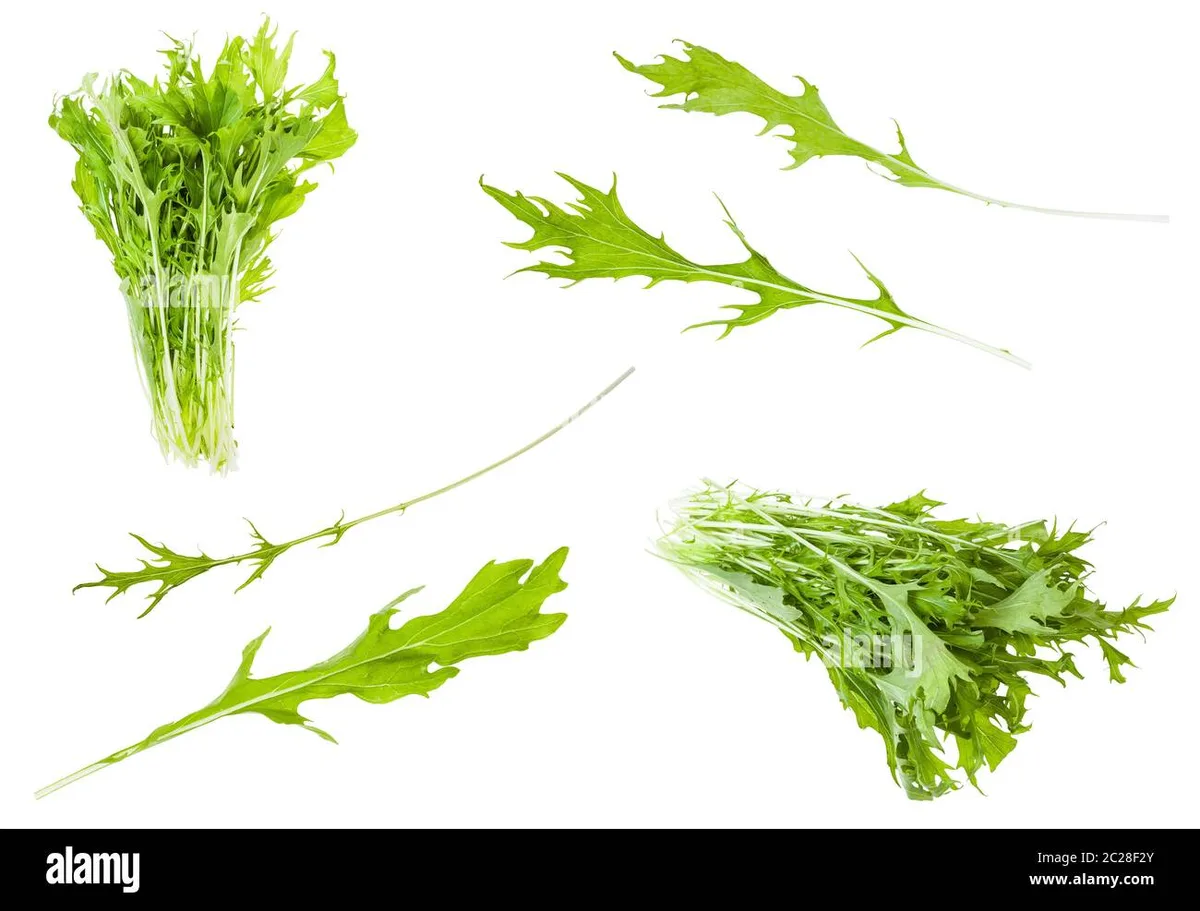
Scientific classification
- Species
- mizuna (Brassica rapa var. laciniata [subsp. nipposinica])
- Genus
- Brassica
- Family
- Brassicaceae
- Order
- Brassicales
- Class
- Magnoliopsida
- Phylum
- Tracheophyta
- Information to be completed
- Toxicity
- Annual Biennial
- Plant type
- 0.1-0.5 metres
- Height
- 0.1-0.5 metres
- Spread
- Evergreen
- Foliage
- Tufted
- Habit
- Spring · Summer · Autumn · Winter
- Season of interest
- Full sun
- Sunlight
- Information to be completed
- Ideal temperature









mizuna pictures
mizuna care guide
- Maintain consistent damp soil, water deeply during hot dry spells
- Watering
- Full sun
- Sunlight

Watering
Maintain consistent damp soil, water deeply during hot dry spells
Fertilizing
 Fertilizing
Apply high-nitrogen vegetable feed biweekly throughout growing season
Pruning
 Pruning
No pruning required
Propagation
 Propagation
Propagate by seed. See sowing vegetable seeds
Growing
 Growing
Grow in full sun or part-shade in firm, fertile soil. Oriental greens are usually very hardy, but prefer moist, cooler conditions, especially in summer. Follow mizuna-mibuna cultivation for more advice
Common pests and diseases
Diseases
May be susceptible to brassica downy mildew and brassica white blister. In areas where brassicas have been grown before, clubroot can build up in the soil
Pests
May be susceptible to flea beetle, caterpillars of small white butterflies, cabbage root fly, pigeons and snails when young. Once plants are established, this damage isn't usually severe. Heavy infestations of mealy cabbage aphid may also spoil the harvest
Explore the plant health library →




