
short-leaved abromeitiella
Also known as: Information to be completed
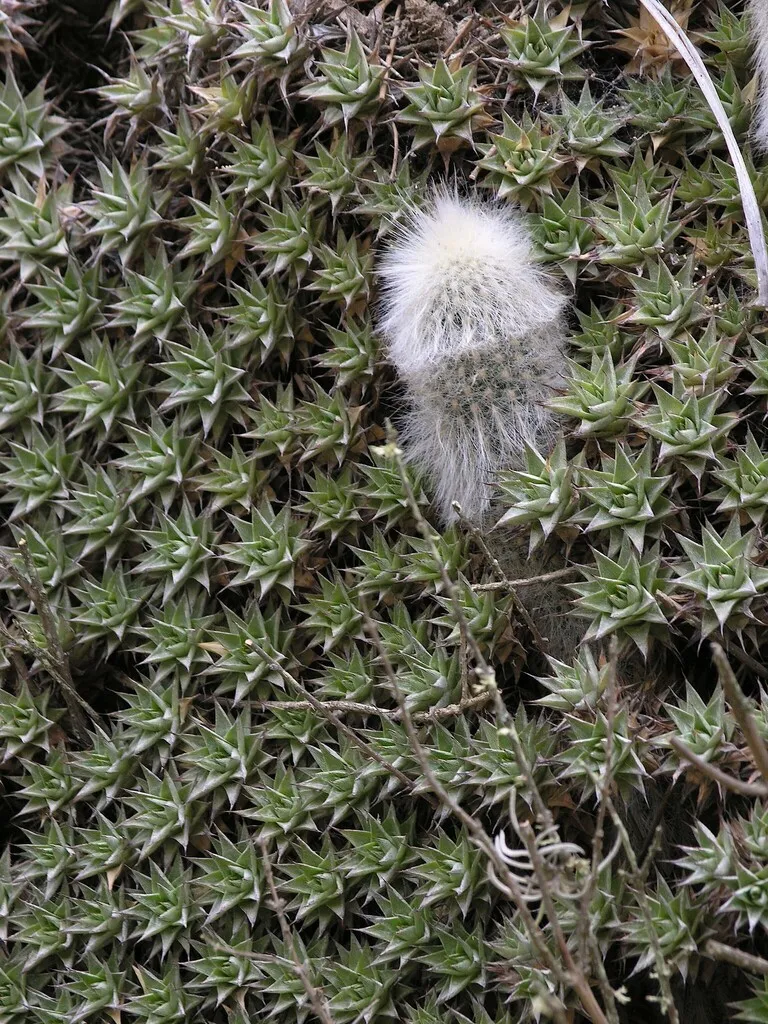
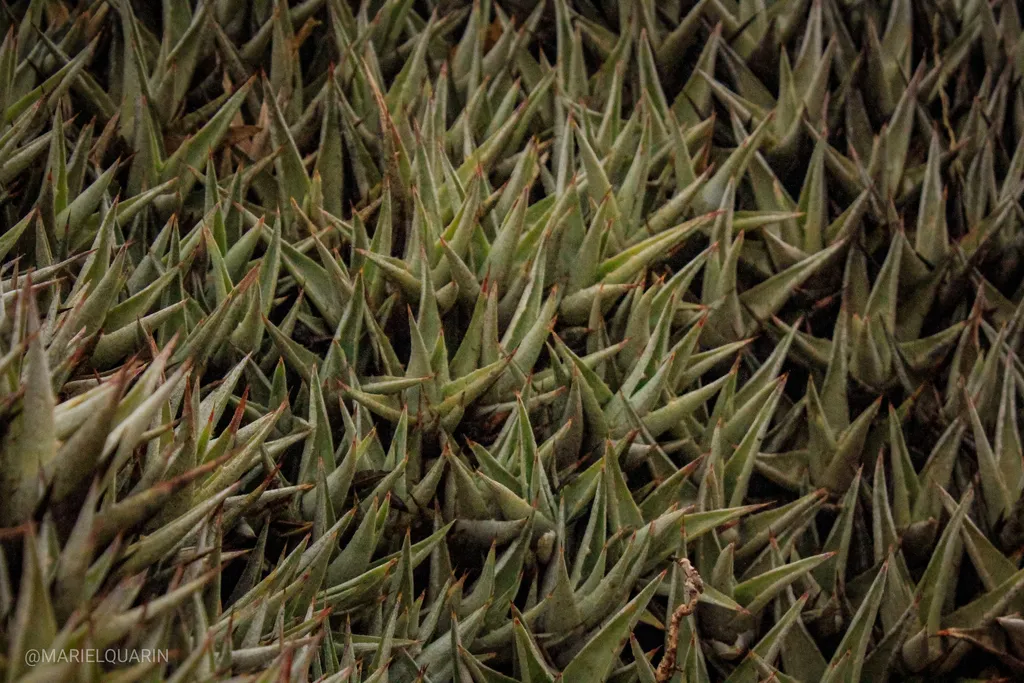
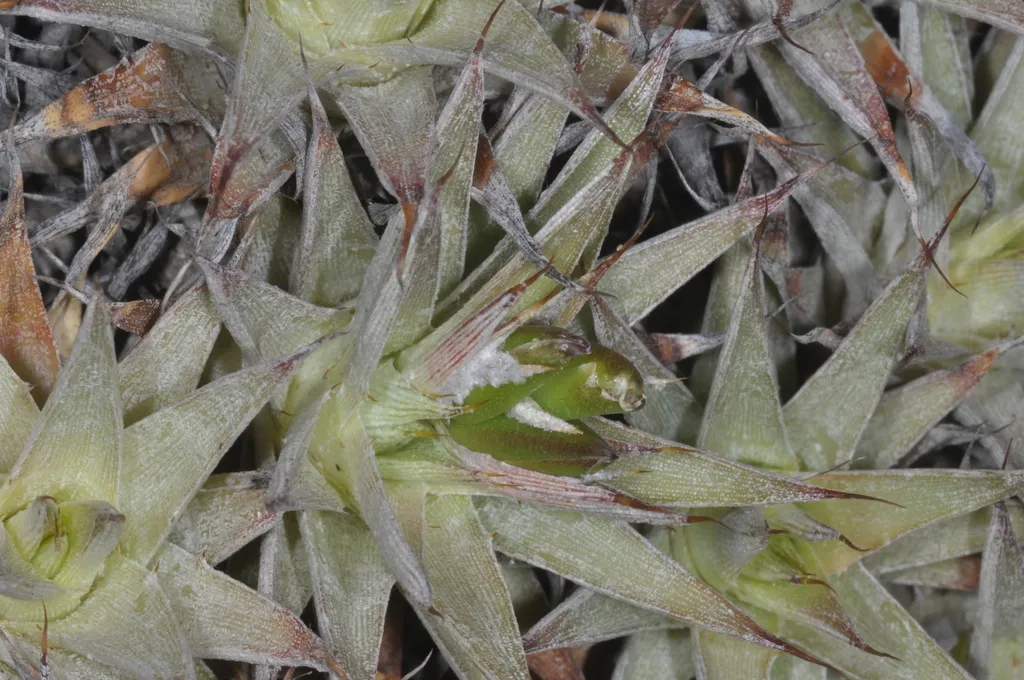
A slow-growing terrestrial bromeliad that forms dense mounds of spiny-leaved rosttes. Small, tubular green flowers are produced in summer. Grown as a foliage house or conservatory plant in cool climates
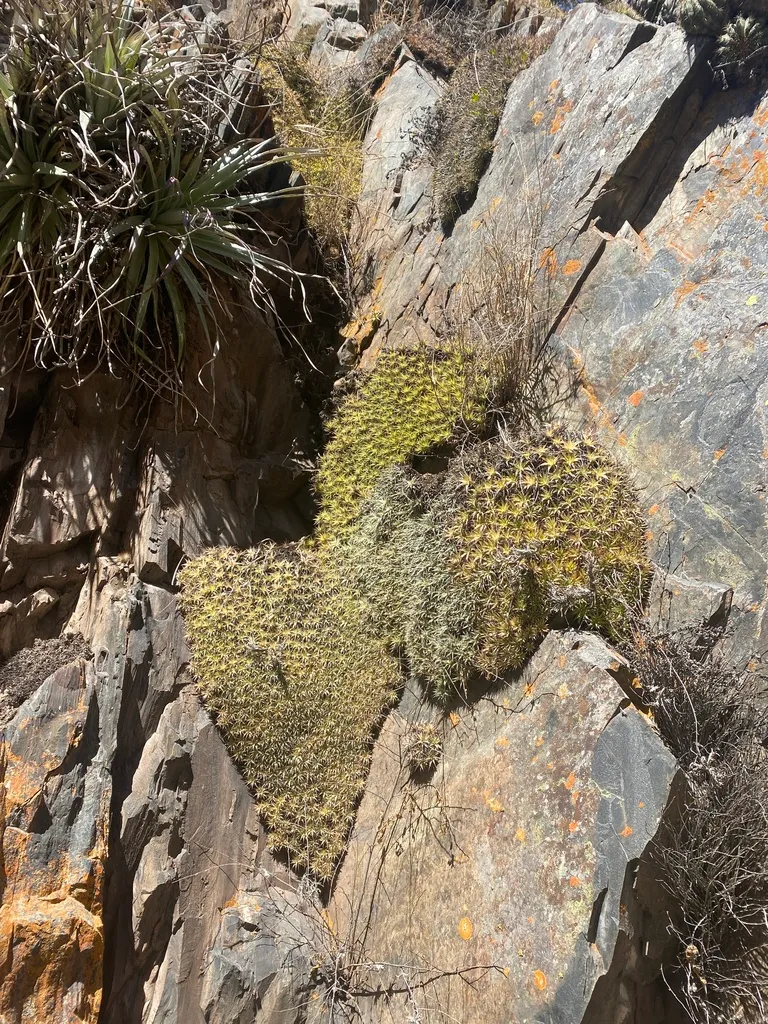
Scientific classification
- Species
- short-leaved abromeitiella (Deuterocohnia brevifolia)
- Genus
- Deuterocohnia
- Family
- Bromeliaceae
- Order
- Poales
- Class
- Liliopsida
- Phylum
- Magnoliophyta
- Information to be completed
- Toxicity
- Conservatory Greenhouse · Houseplants
- Plant type
- Up to 10 cm
- Height
- 0.1-0.5 metres
- Spread
- Evergreen
- Foliage
- Matforming
- Habit
- Spring · Summer · Autumn · Winter
- Season of interest
- Full sun
- Sunlight
- Information to be completed
- Ideal temperature









short-leaved abromeitiella pictures
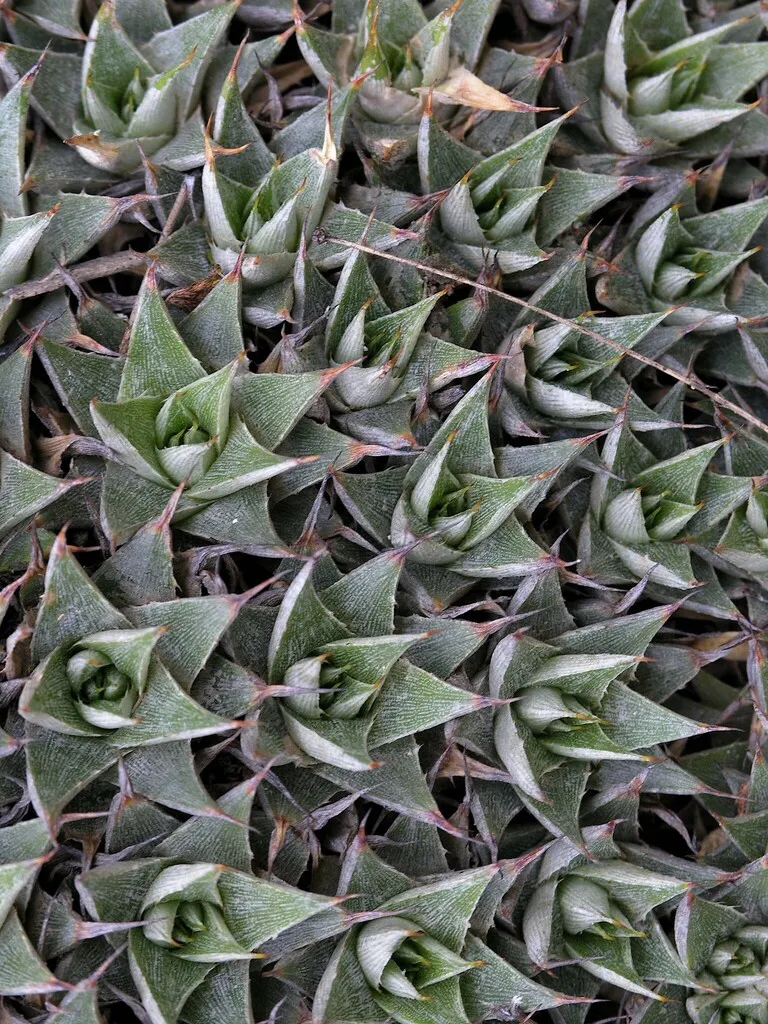
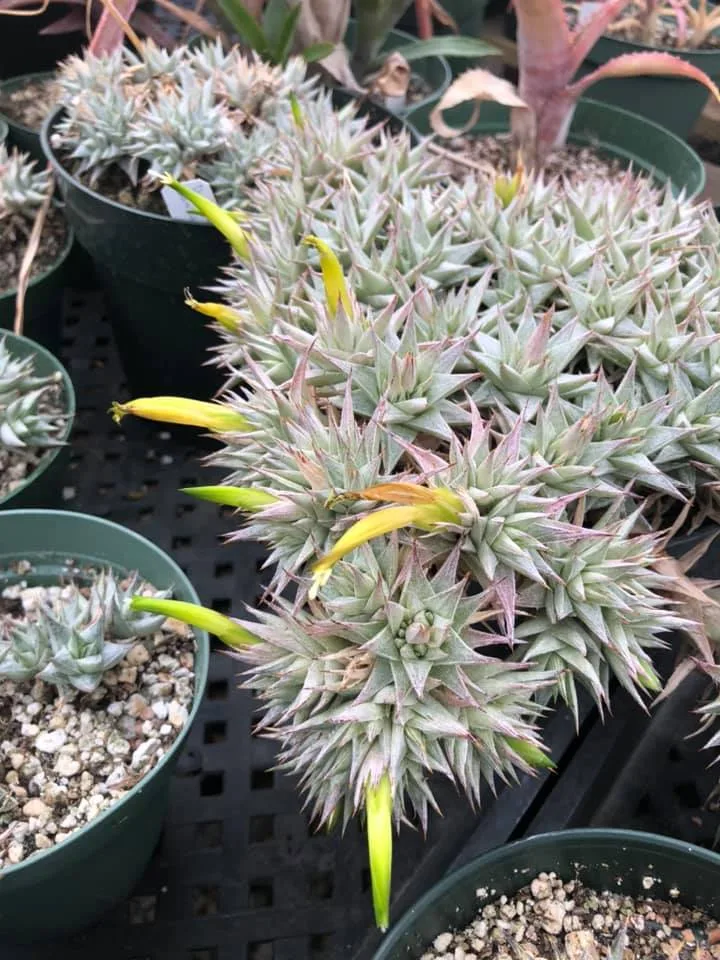
Distribution of short-leaved abromeitiella
Distribution map
- Native
- Introduced
- Cultivated
Source:WCVP v16 · Royal Botanic Gardens, Kew · CC BY 3.0 · Boundaries:WGSRPD / TDWG
short-leaved abromeitiella care guide
- Moderate regular watering, avoid prolonged drought or waterlogging
- Watering
- Full sun
- Sunlight

Watering
Moderate regular watering, avoid prolonged drought or waterlogging
Fertilizing
 Fertilizing
Balanced feed in spring and light repeat in growth season
Pruning
 Pruning
No pruning required
Propagation
 Propagation
Propagate by sowing seed at 25°C in spring. Detatch and root rosettes in spring and summer
Growing
 Growing
Grow in terrestrial bromeliad compost in full light. Keep almost dry in winter; water moderately at all other times of the year. See bromeliad cultivation for further information
Common pests and diseases
Diseases
Generally disease-free
Pests
May be susceptible to mealybugs
Explore the plant health library →




