
ostrich fern
Also known as: shuttlecock fern
Produces large fronds in the characteristic shuttlecock shape which gives a dramatic effect in the garden. The extraordinary fiddleheads unfurl to bright green, feathery fronds and can reach over 2 meters.
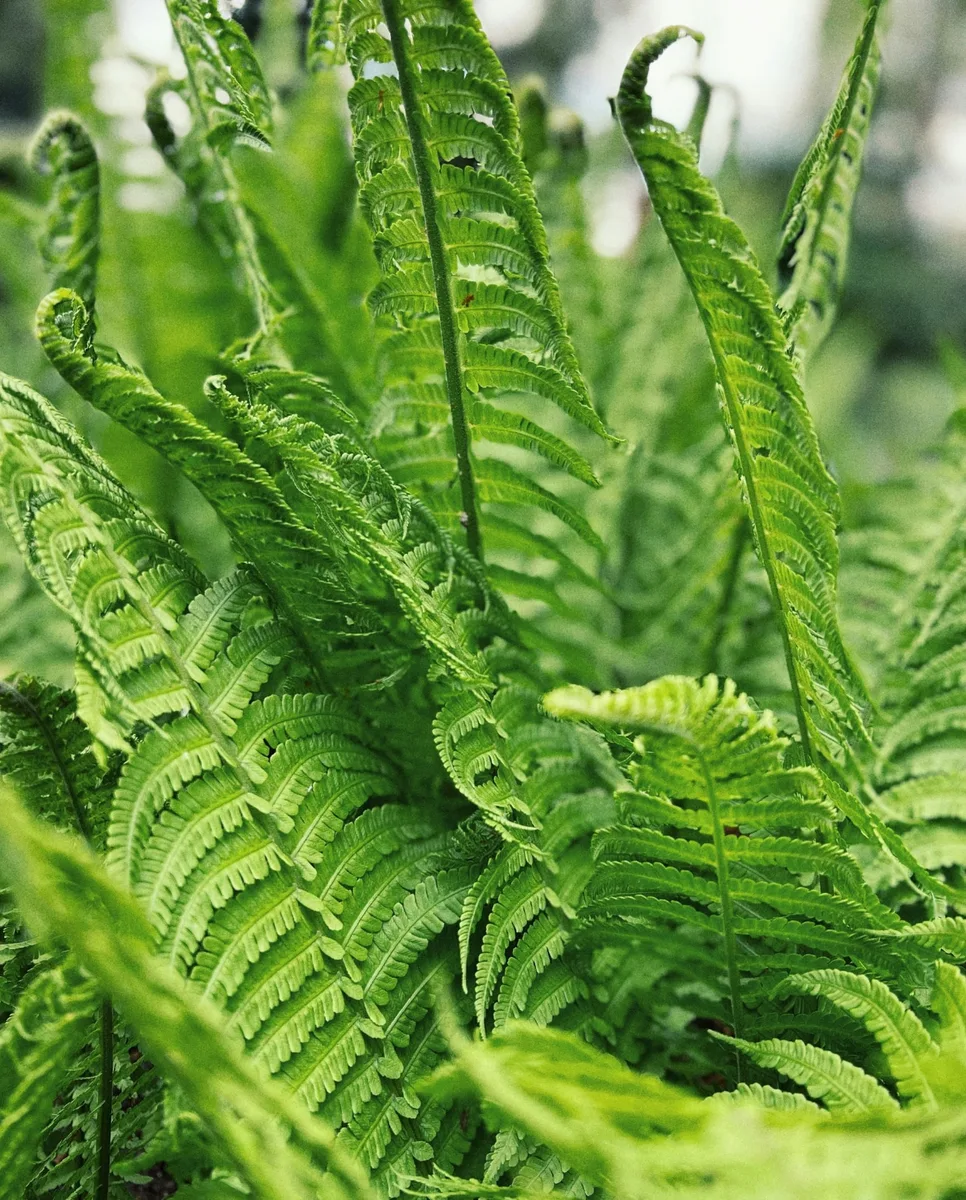
Scientific classification
- Species
- ostrich fern (Matteuccia struthiopteris 'Jumbo')
- Genus
- Matteuccia
- Family
- Dryopteridaceae
- Order
- Polypodiales
- Class
- Polypodiopsida
- Phylum
- Tracheophyta
- Information to be completed
- Toxicity
- Ferns
- Plant type
- 1.5-2.5 metres
- Height
- 1-1.5 metres
- Spread
- Deciduous
- Foliage
- Clump forming
- Habit
- Autumn · Spring · Summer
- Season of interest
- Full shade · Full sun · Partial shade
- Sunlight
- Information to be completed
- Ideal temperature









ostrich fern pictures
Distribution of ostrich fern
Distribution map
- Native
- Introduced
- Cultivated
Source:WCVP v16 · Royal Botanic Gardens, Kew · CC BY 3.0 · Boundaries:WGSRPD / TDWG
ostrich fern care guide
- Constantly damp humus soil, never allow root zone to fully dry
- Watering
- Full shade · Full sun · Partial shade
- Sunlight

Watering
Constantly damp humus soil, never allow root zone to fully dry
Fertilizing
 Fertilizing
Weak organic liquid fern feed monthly spring and summer seasons
Pruning
 Pruning
Dead or damaged fronds may be removed as necessary
Propagation
 Propagation
Propagate by division in spring
Growing
 Growing
To be at its best this fern needs a moist, shaded position and benefits from soil improved with leaf litter or similar organic matter.
Common pests and diseases
Diseases
Generally disease-free
Pests
Generally pest-free
Explore the plant health library →




