
lesser knotweed
Also known as: East Indian knotweed
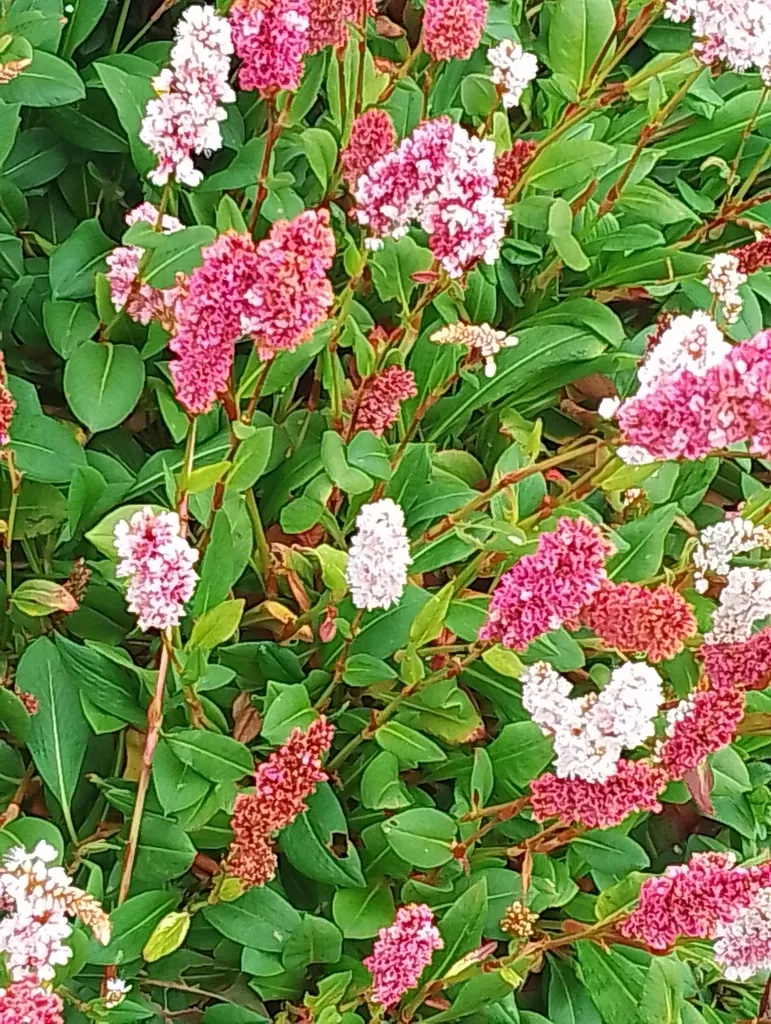
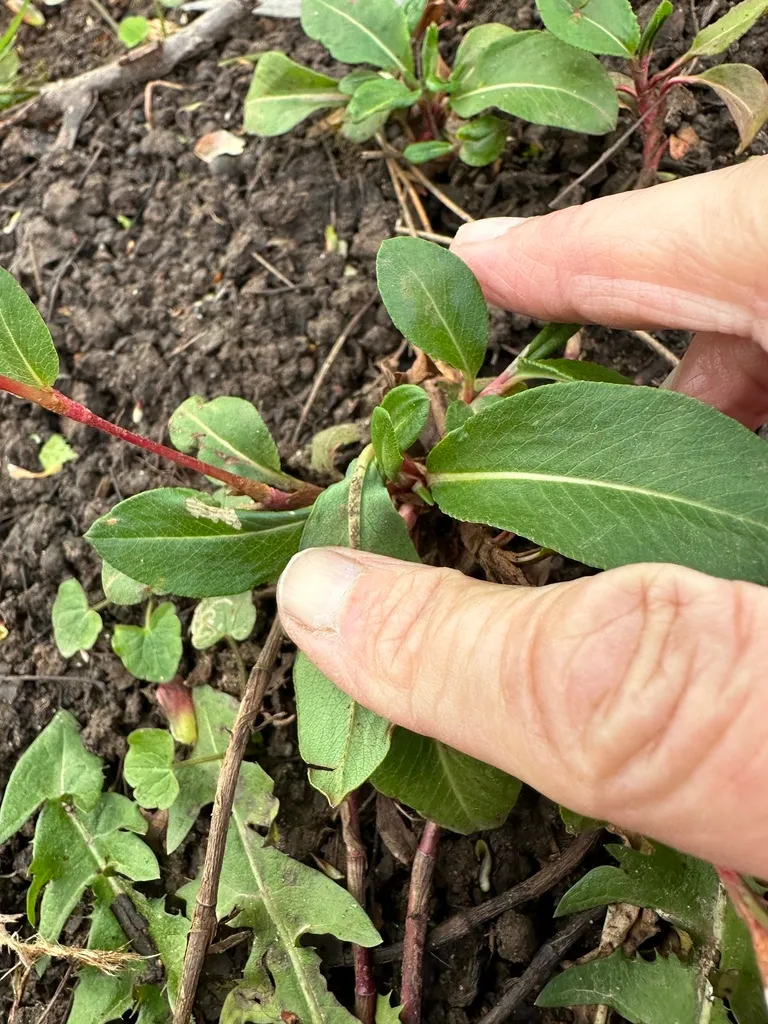
P. affinis is a mat-forming herbaceous perennial about 25cm high with elliptic to lance-shaped dark green leaves, 5-15cm long, which turn red-bronze in autumn, and from midsummer to mid-autumn spikes 5-8cm long of flowers, each 5mm long, which open bright reddish pink, fade to pale pink, and then turn brown during winter; it is an excellent ground-cover plant
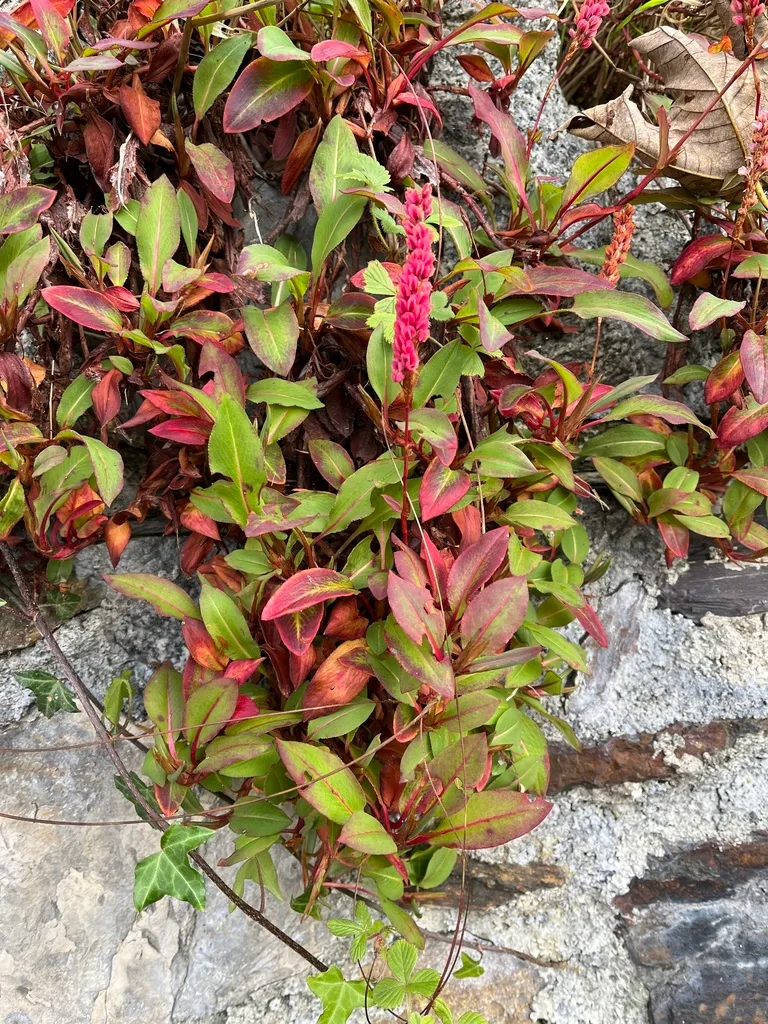
Scientific classification
- Species
- lesser knotweed (Bistorta affinis)
- Genus
- Bistorta
- Family
- Polygonaceae
- Information to be completed
- Toxicity
- Herbaceous Perennial
- Plant type
- 0.1-0.5 metres
- Height
- 0.5-1 metres
- Spread
- Evergreen
- Foliage
- Matforming
- Habit
- Autumn · Winter · Spring · Summer
- Season of interest
- Full sun · Partial shade
- Sunlight
- Information to be completed
- Ideal temperature









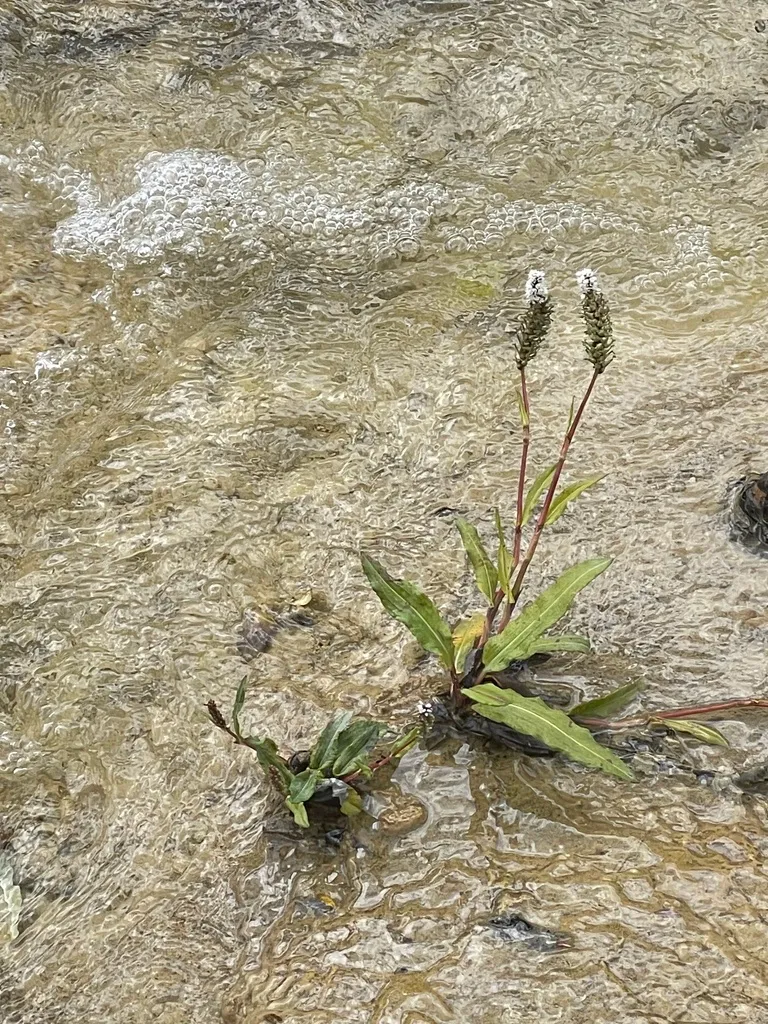
lesser knotweed pictures
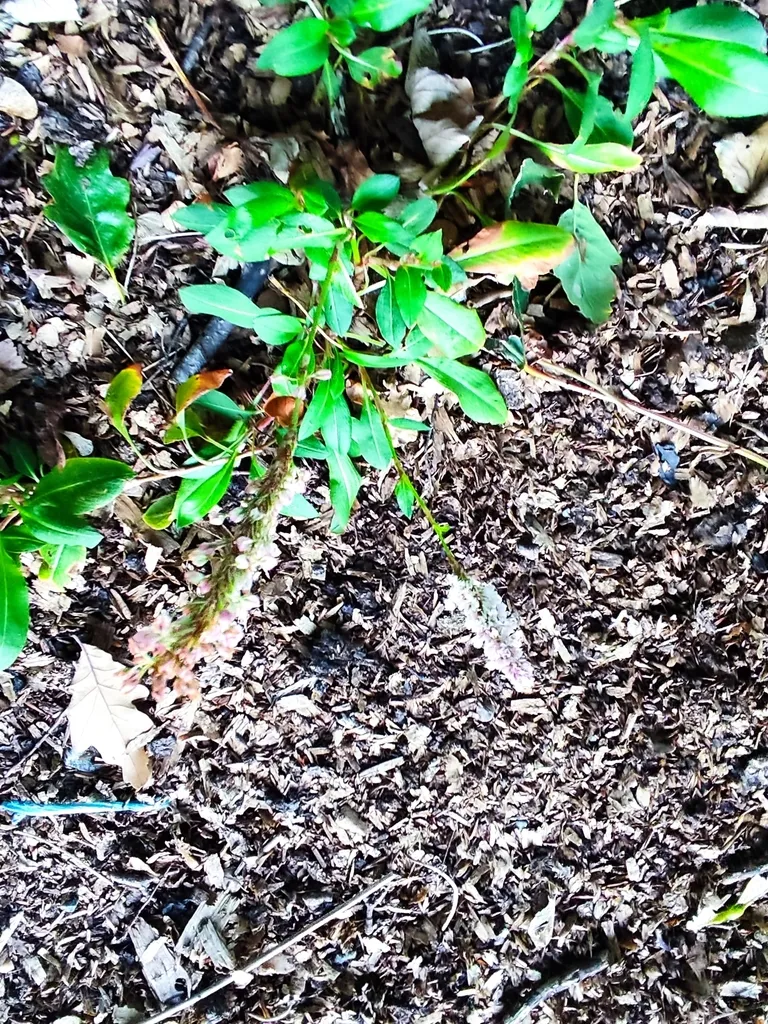
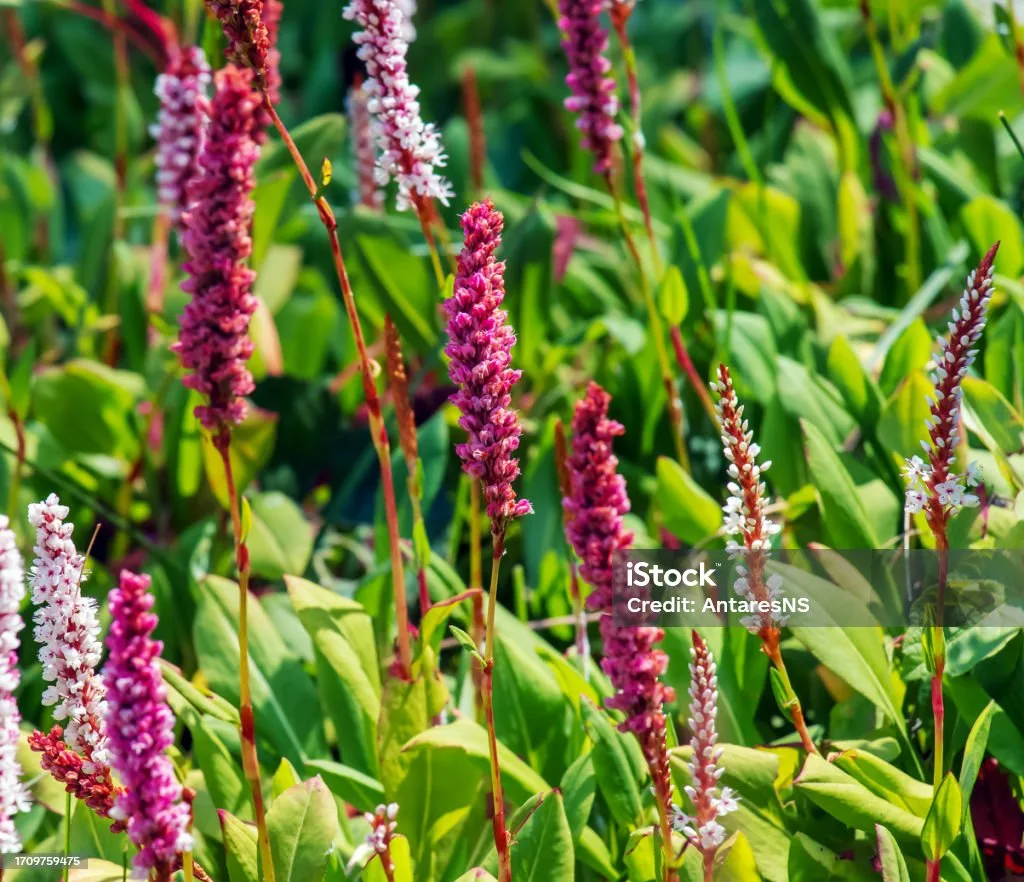
Distribution of lesser knotweed
Distribution map
Himalaya
Information to be completed
Culture
Information to be completed
Toxicity
Information to be completed
Quick identification of lesser knotweed
Information to be completed
lesser knotweed care guide
- Moderate regular watering, allowing brief slight drying between soakings
- Watering
- Full sun · Partial shade
- Sunlight
- Information to be completed
- Ideal temperature

Watering
Moderate regular watering, allowing brief slight drying between soakings
Fertilizing
 Fertilizing
Balanced perennial feed every four weeks from spring through summer
Pruning
 Pruning
No pruning required
Propagation
 Propagation
Propagate by seed, sown in containers in a cold frame in spring, or by division in spring or autumn
Growing
 Growing
Grow in moist but well-drained soil in sun or partial shade
People also ask
Information to be completed
Common pests and diseases
Diseases
Generally disease-free
Pests
Generally pest-free
Explore the plant health library →




