
Salvia tubiflora
Also known as: Information to be completed
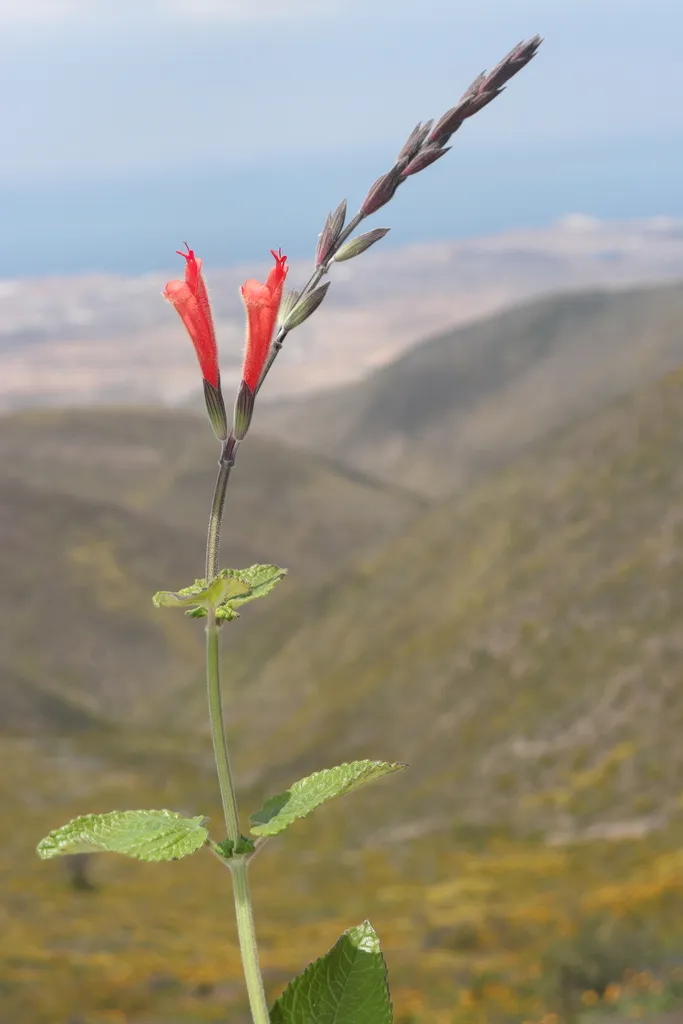
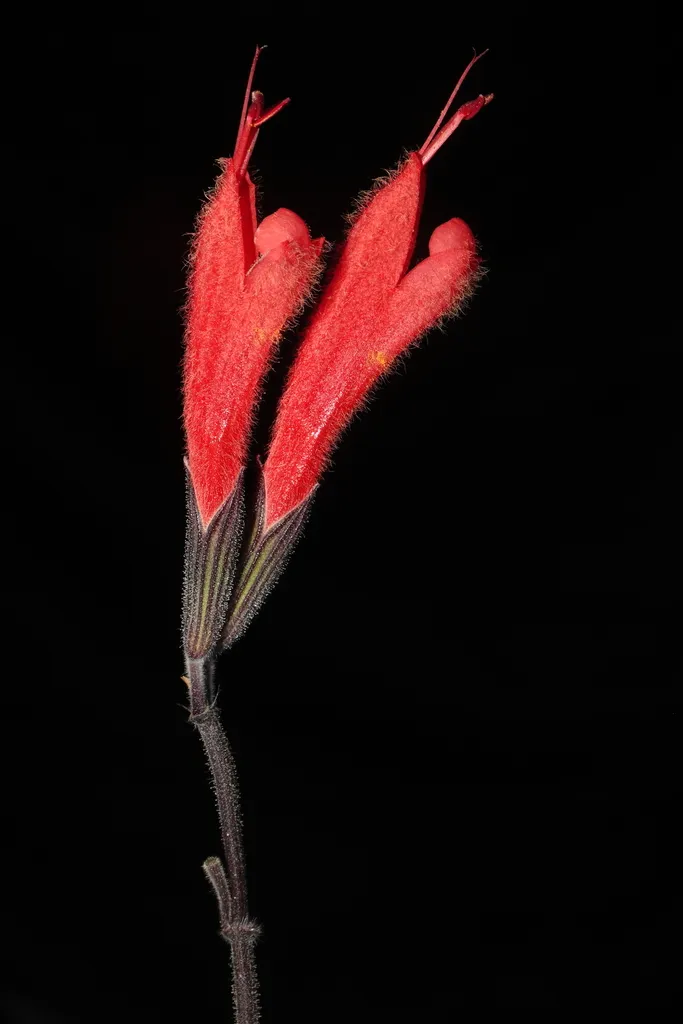
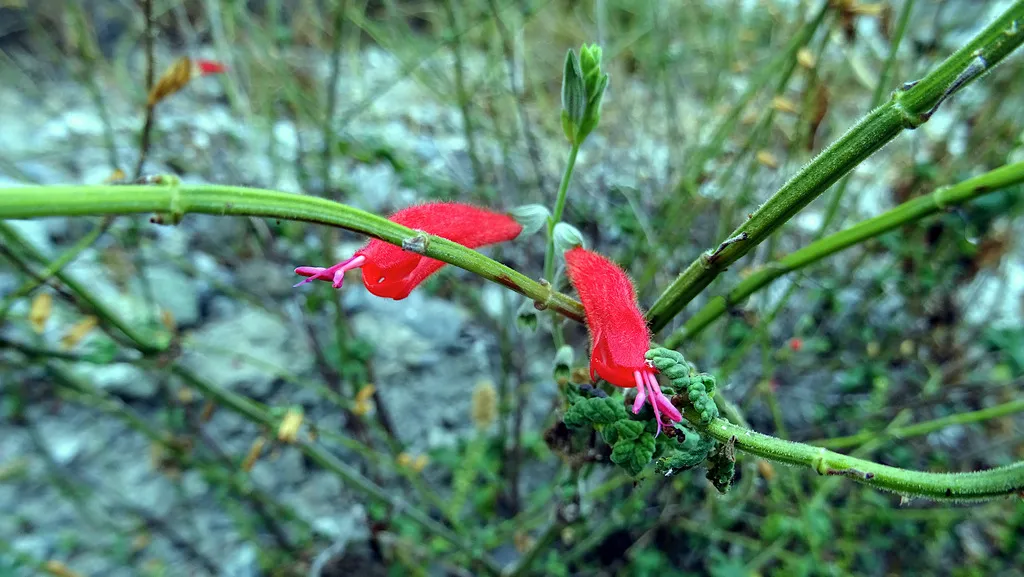
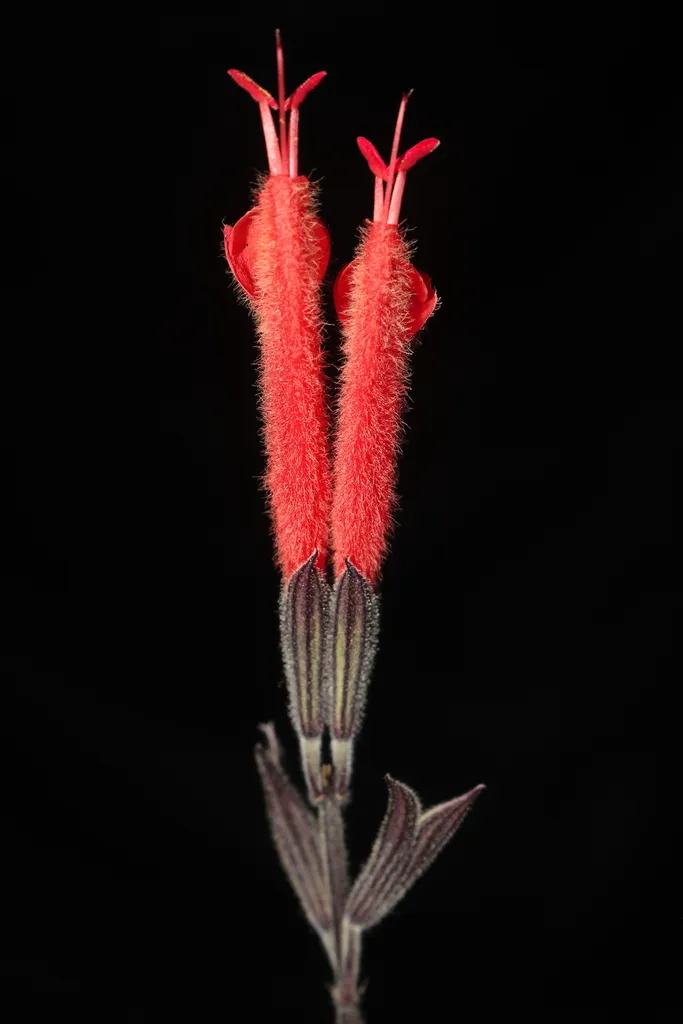
A bushy, spreading, evergreen perennial to about 45cm with aromatic, textured leaves, and tubular, red-orange flowers with purple-flushed calyces in spikes on thin, upright stems from mid-summer to mid-autumn. The whole plant, including the flowers, is softly hairy
Scientific classification
- Species
- Salvia tubiflora (Salvia tubiflora)
- Genus
- Salvia
- Family
- Lamiaceae
- Order
- Lamiales
- Class
- Magnoliopsida
- Phylum
- Tracheophyta
- Information to be completed
- Toxicity
- Herbaceous Perennial
- Plant type
- 0.1-0.5 metres
- Height
- 0.5-1 metres
- Spread
- Evergreen
- Foliage
- Bushy · Clump forming
- Habit
- Spring · Summer · Autumn · Winter
- Season of interest
- Full sun
- Sunlight
- Information to be completed
- Ideal temperature









Salvia tubiflora pictures
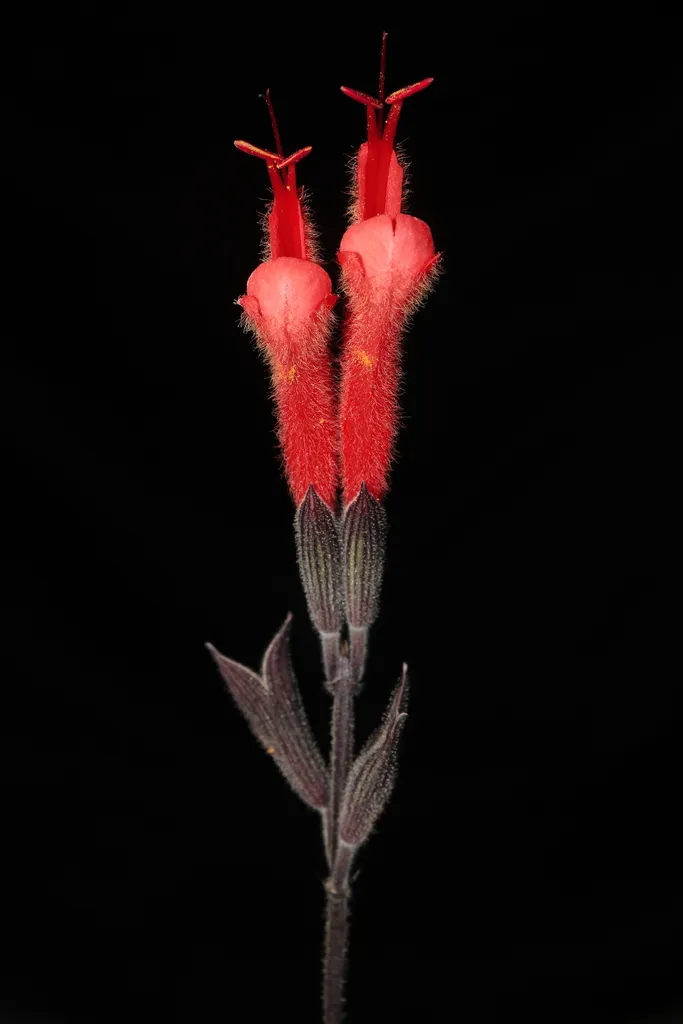
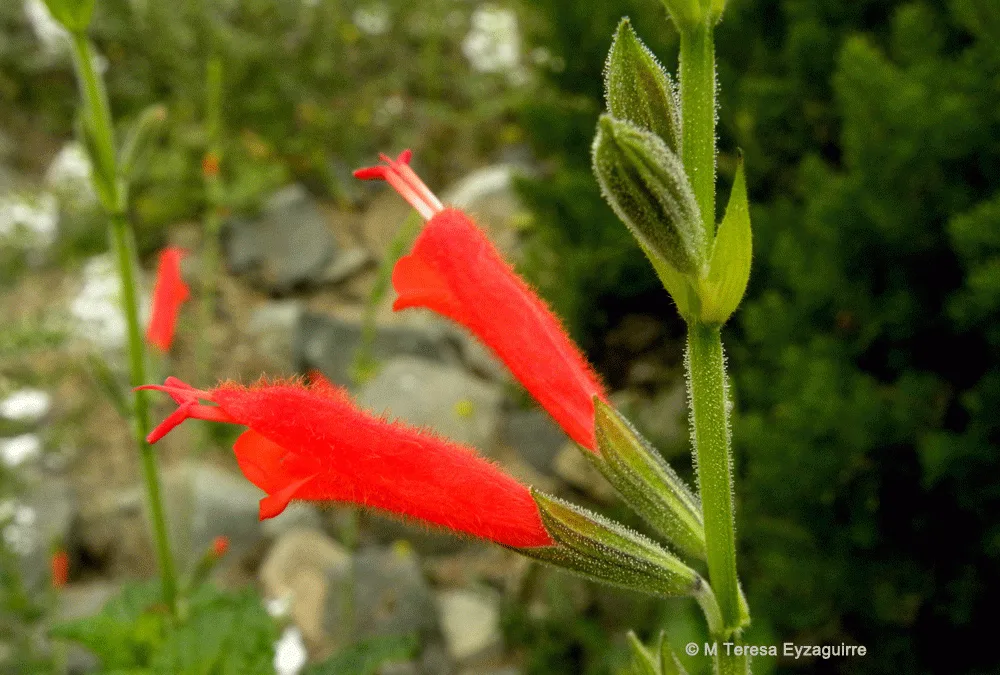
Distribution of Salvia tubiflora
Distribution map
- Native
- Introduced
- Cultivated
Source:WCVP v16 · Royal Botanic Gardens, Kew · CC BY 3.0 · Boundaries:WGSRPD / TDWG
Salvia tubiflora care guide
- Water deeply, then allow soil to dry slightly between soakings
- Watering
- Full sun
- Sunlight

Watering
Water deeply, then allow soil to dry slightly between soakings
Fertilizing
 Fertilizing
Light low-nitrogen feed monthly during active growth
Pruning
 Pruning
No pruning required
Propagation
 Propagation
Propagate by softwood cuttings in spring or semi-hardwood cuttings in late summer
Growing
 Growing
Grow in light, moderately fertile, moist but well-drained soil in full sun with shelter from cold, drying winds. In frost-free areas in winter, protect from excessive wet, while in frost-prone areas protect plants with fleece, move plants under cover, or take cuttings to provide next year's plants
Common pests and diseases
Diseases
May be susceptible to honey fungus (rarely), powdery mildews, verticillium wilt and foot and root rots
Pests
Generally pest-free
Explore the plant health library →




