
carpet juniper
Also known as: creeping juniper
A ground-hugging, wide-spreading, evergreen shrub of creeping habit with grey-green foliage to 30cm (1ft). Produces small, dark blue, spherical fruit.
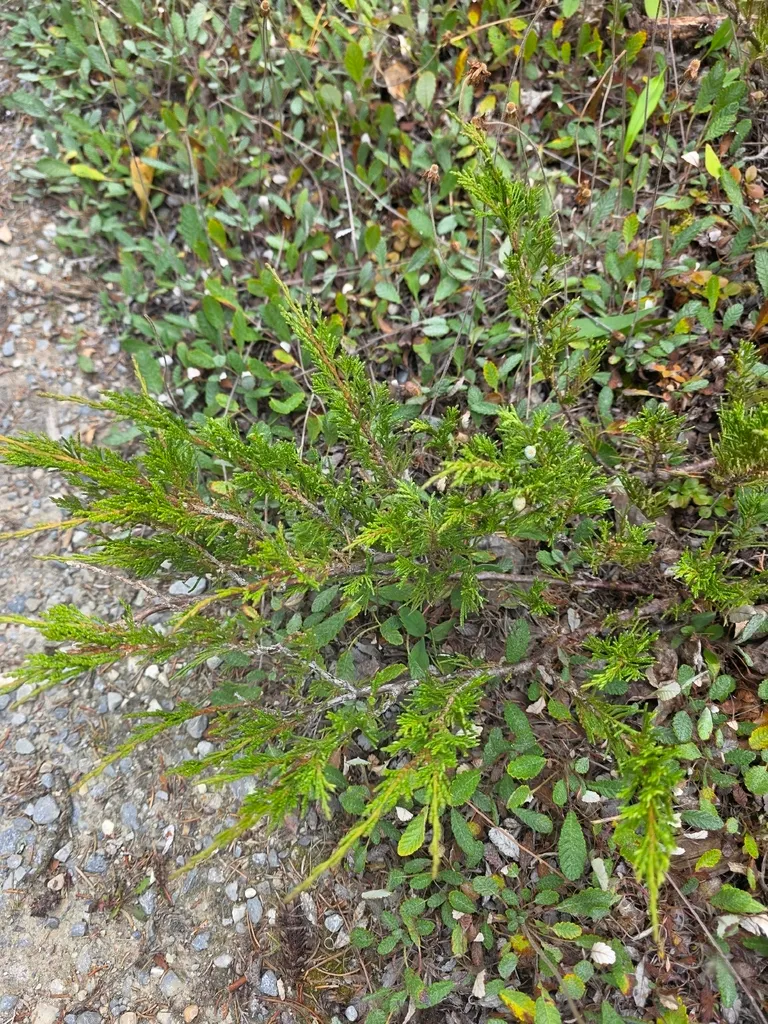
Scientific classification
- Species
- carpet juniper (Juniperus horizontalis)
- Genus
- Juniperus
- Family
- Cupressaceae
- Harmful if eaten/skin allergen. Wear gloves and other protective equipment when handling
- Toxicity
- Shrubs
- Plant type
- 0.1-0.5 metres
- Height
- 4-8 metres
- Spread
- Evergreen
- Foliage
- Matforming · Trailing
- Habit
- Spring · Summer · Autumn · Winter
- Season of interest
- Full sun · Partial shade
- Sunlight
- Information to be completed
- Ideal temperature









carpet juniper pictures
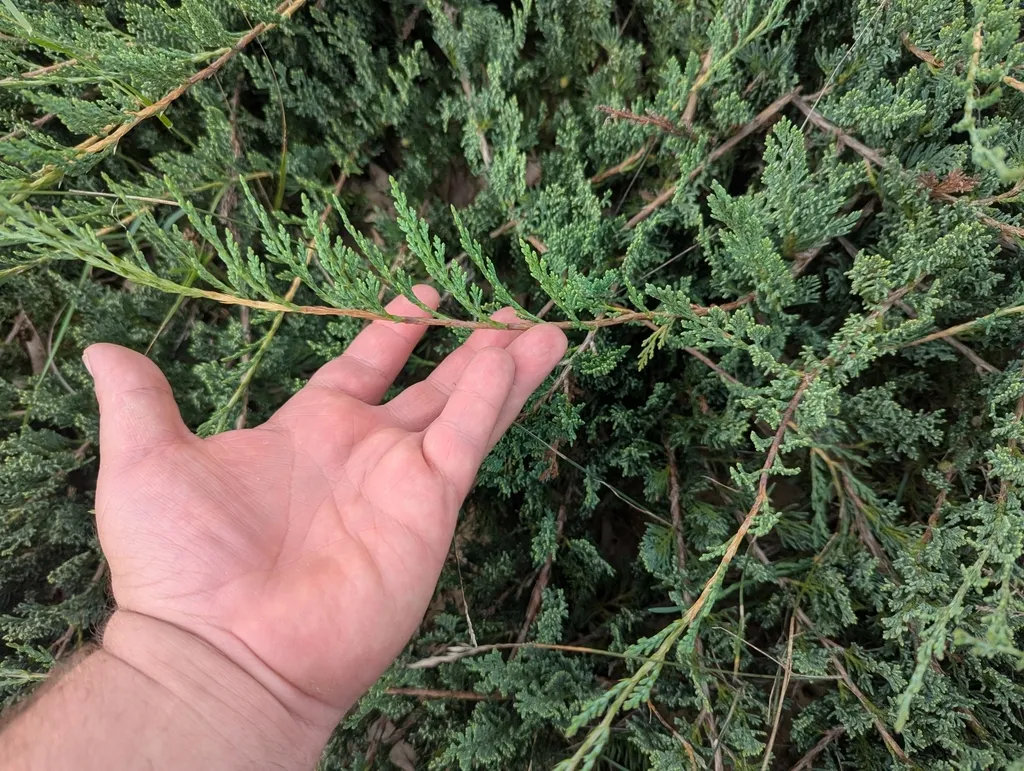
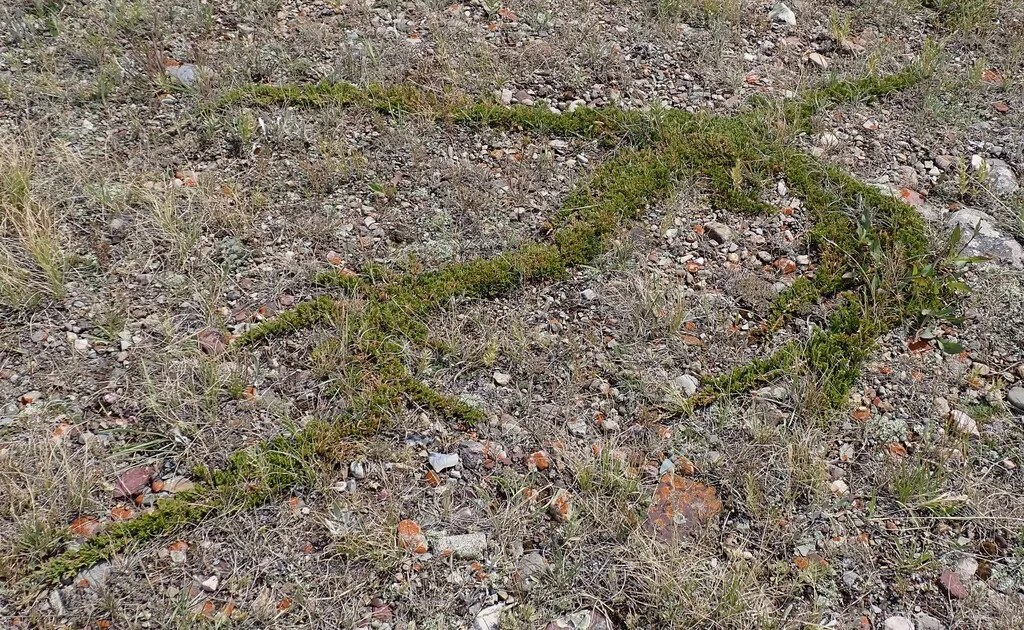
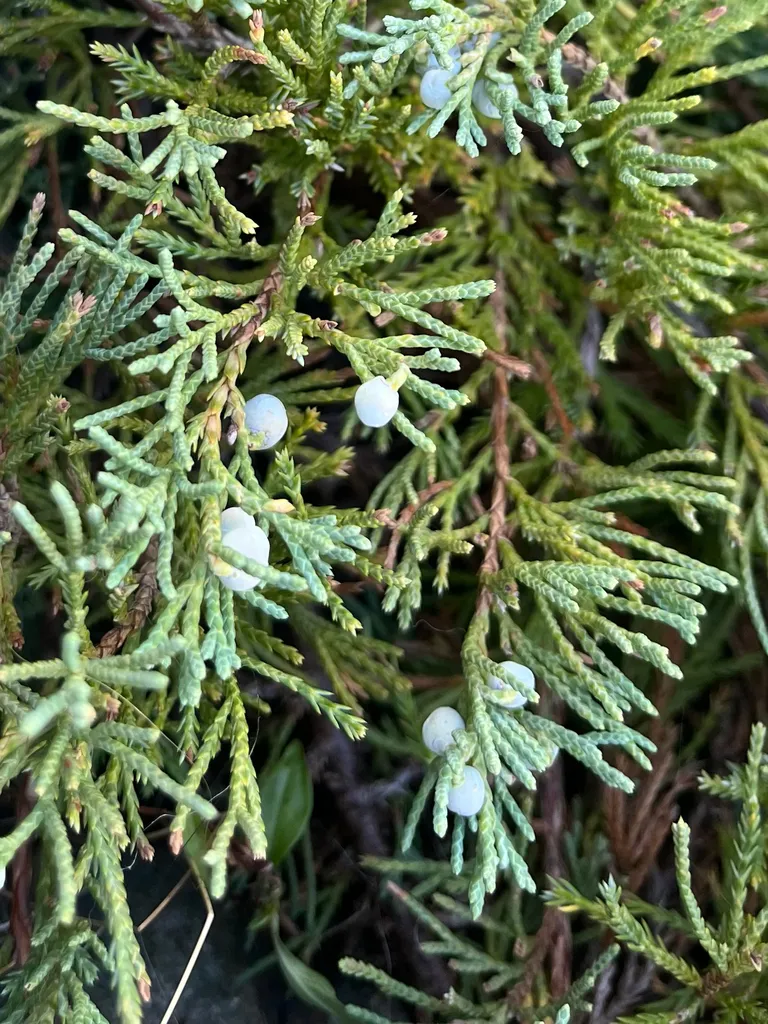
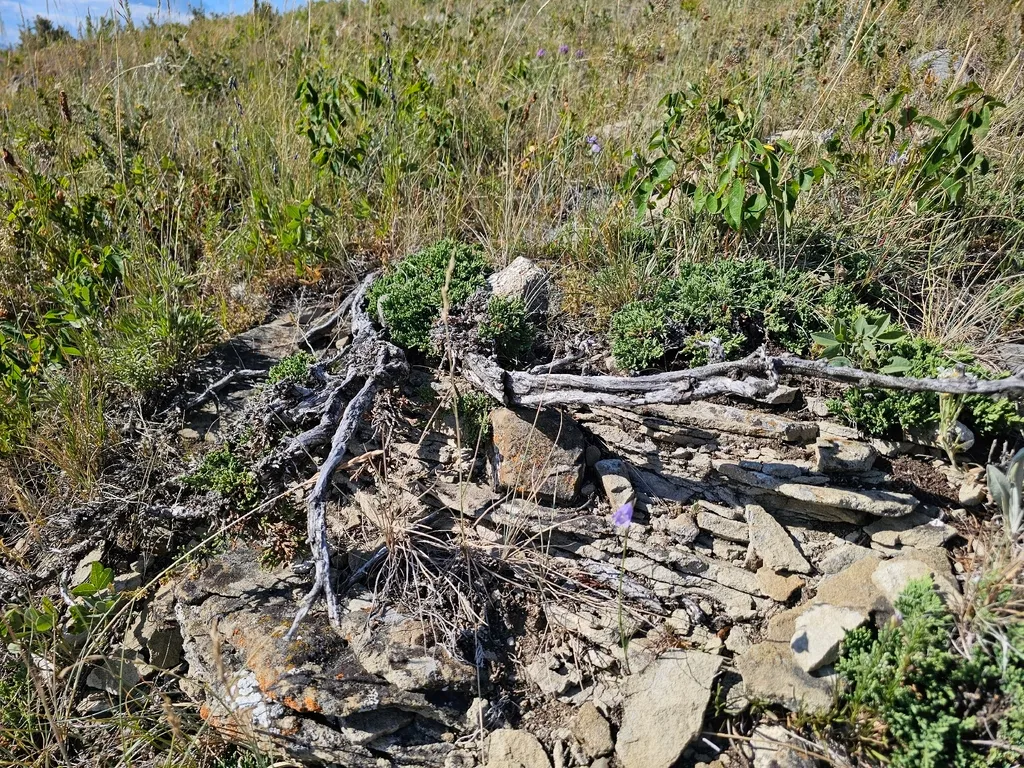
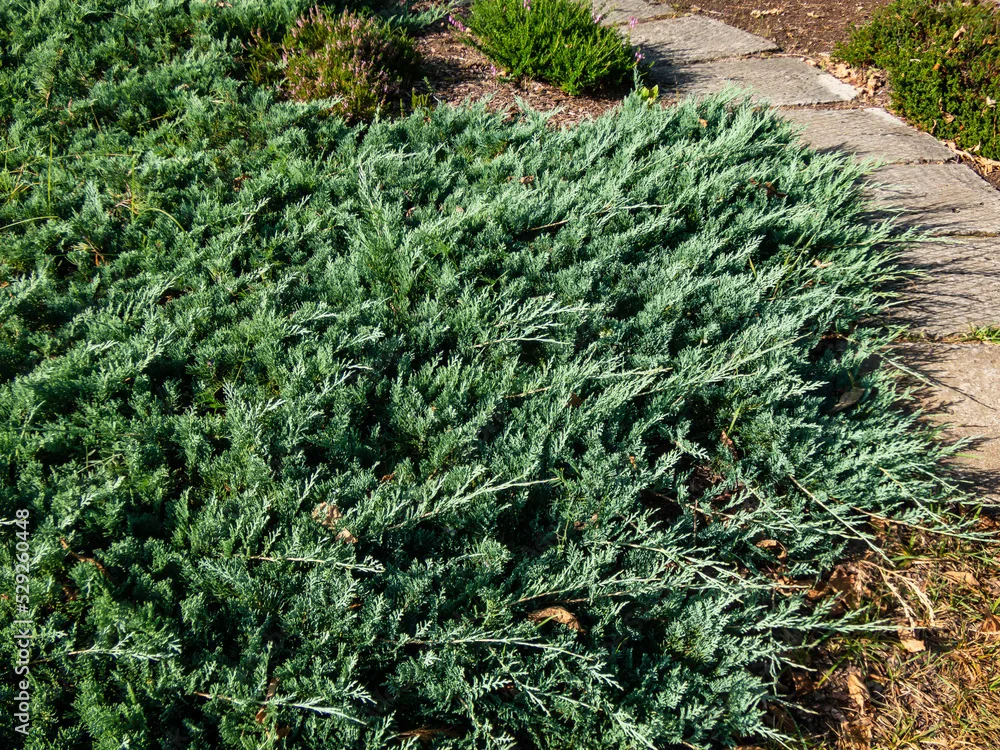
Distribution of carpet juniper
Distribution map
Information to be completed
Information to be completed
Culture
Information to be completed
Toxicity
Harmful if eaten/skin allergen. Wear gloves and other protective equipment when handling
Quick identification of carpet juniper
Information to be completed
carpet juniper care guide
- Deep occasional watering with excellent drainage, less once established
- Watering
- Full sun · Partial shade
- Sunlight
- Information to be completed
- Ideal temperature

Watering
Deep occasional watering with excellent drainage, less once established
Fertilizing
 Fertilizing
Light conifer feed once yearly in early spring only
Pruning
 Pruning
Little pruning is needed. Remove diseased, damaged, crowded or crossing shoots and unwanted growth. Timing depends on the plant: generally late winter or early spring; plants prone to bleeding and deciduous magnolias need different timing, and deciduous azaleas and lilacs are pruned after flowering.
Propagation
 Propagation
Propagate by seed (tree/shrub). Remove seed from flesh as soon as ripe and sow in containers in a cold frame. Germination may take up to 5 years. Root semi-hardwood cuttings in early autumn.
Growing
 Growing
Grow in any well-drained soil, including dry, chalky or sandy soils, preferably in full sun or in light dappled shade.
People also ask
Information to be completed
Common pests and diseases
Diseases
May be susceptible to phytophthora, canker and honey fungus. See also Conifers: brown patches
Pests
May be susceptible to aphids, scale insects, conifer red spider mite and caterpillars
Explore the plant health library →




