
balmony
Also known as: rheumatism wort; salt rheumweed; snakehead; turtle bloom; turtlehead; shell flower
A moisture-loving plant of upright growth to 90cm tall, with lance-shaped leaves to 20cm long, and white or pink-tinged flowers 2.5cm long in late summer
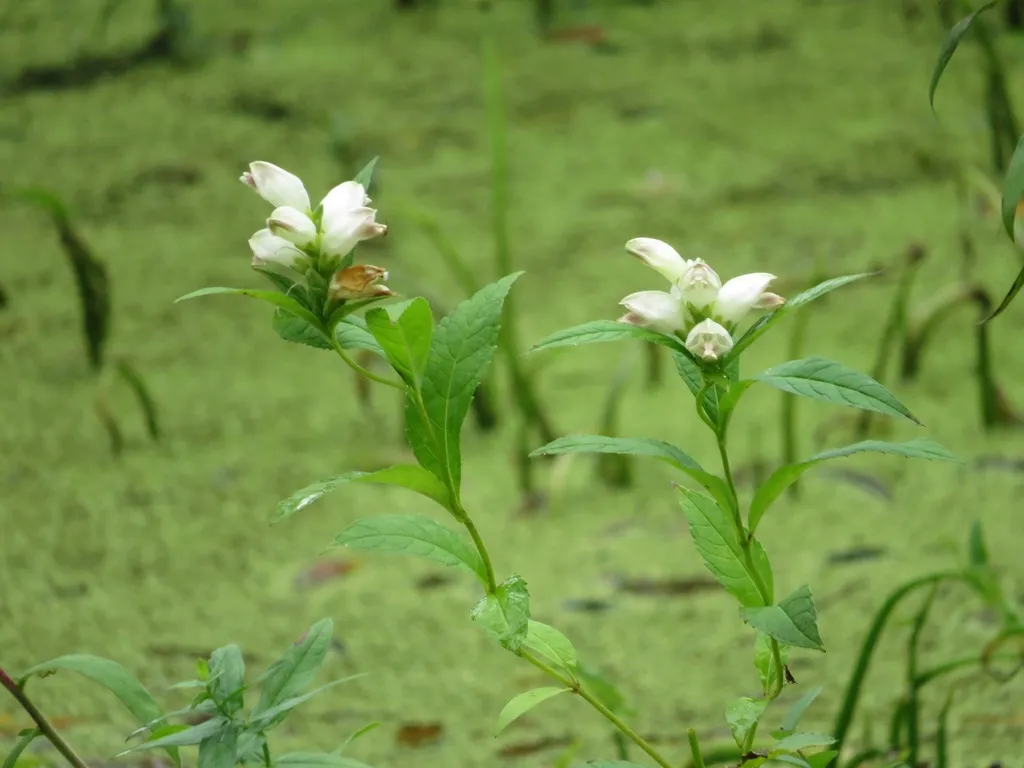
Scientific classification
- Species
- balmony (Chelone glabra)
- Genus
- Chelone
- Family
- Plantaginaceae
- Information to be completed
- Toxicity
- Herbaceous Perennial
- Plant type
- 0.5-1 metres
- Height
- 0.1-0.5 metres
- Spread
- Deciduous
- Foliage
- Bushy
- Habit
- Spring · Summer · Autumn
- Season of interest
- Full sun · Partial shade
- Sunlight
- Information to be completed
- Ideal temperature









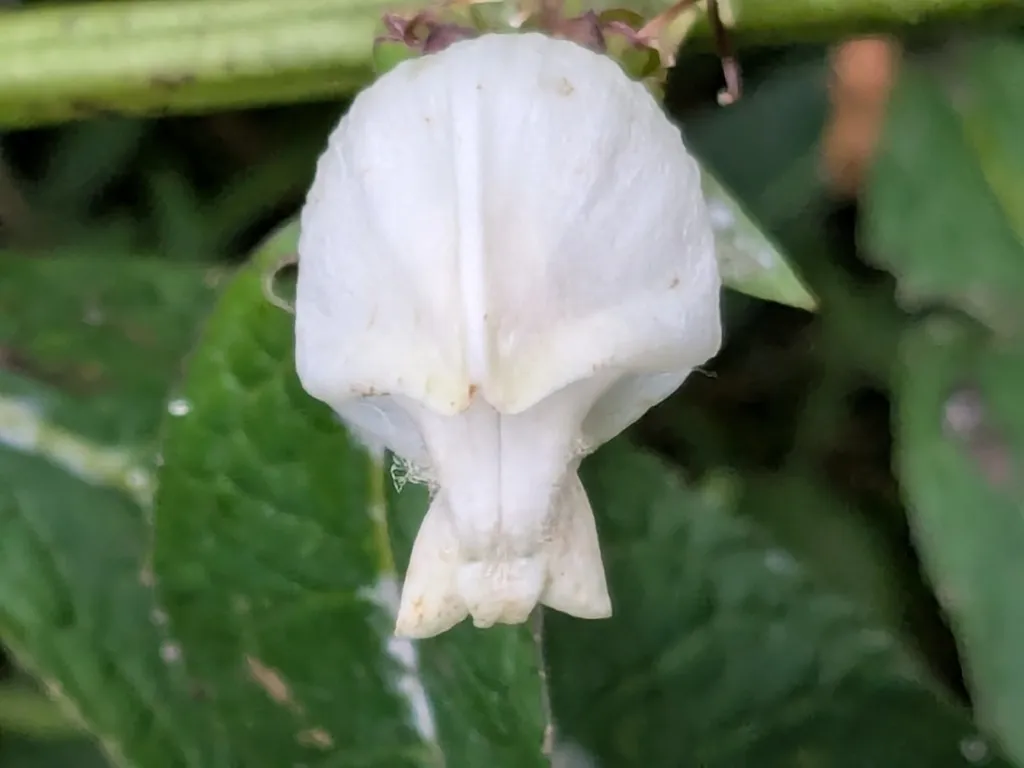
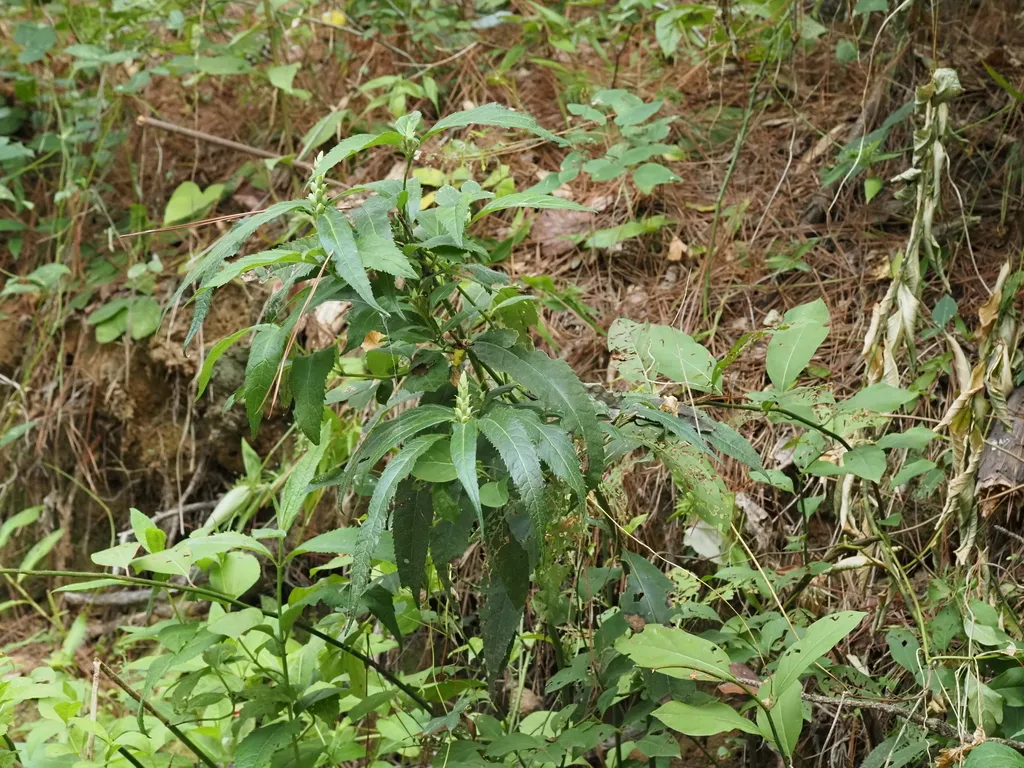
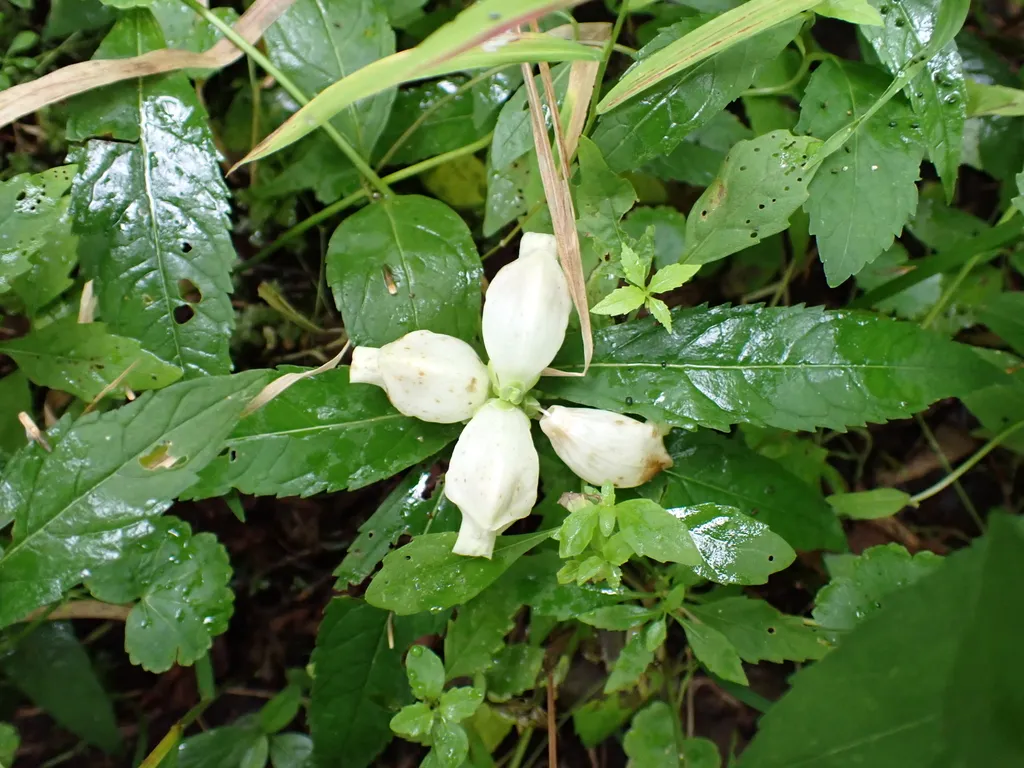
balmony pictures
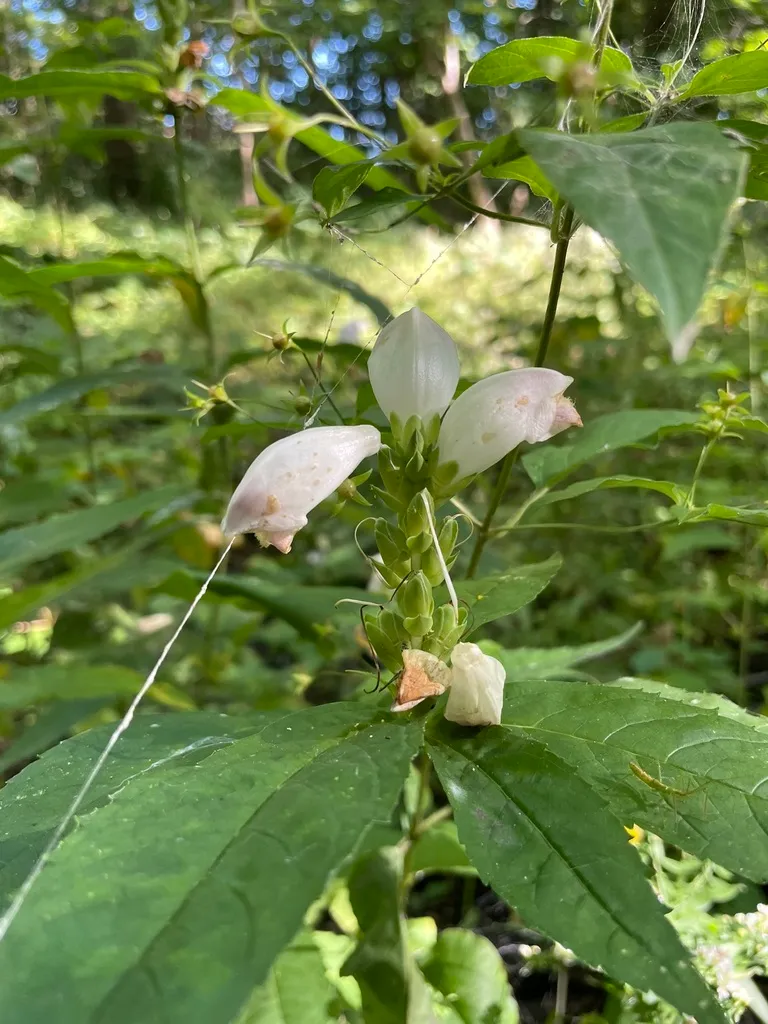
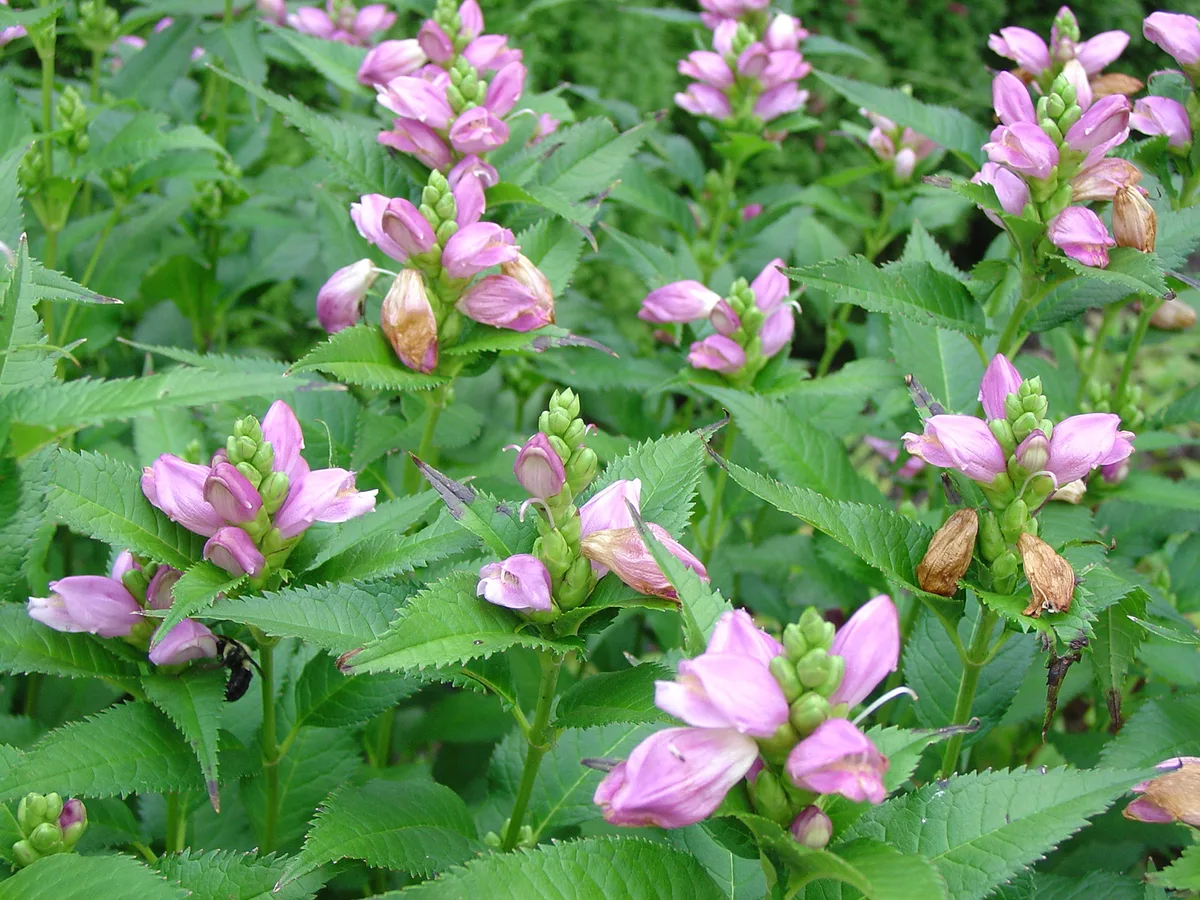
Distribution of balmony
Distribution map
USA
Information to be completed
Culture
Information to be completed
Toxicity
Information to be completed
Quick identification of balmony
Information to be completed
balmony care guide
- Moderate regular watering, allowing brief slight drying between soakings
- Watering
- Full sun · Partial shade
- Sunlight
- Information to be completed
- Ideal temperature

Watering
Moderate regular watering, allowing brief slight drying between soakings
Fertilizing
 Fertilizing
Balanced perennial feed every four weeks from spring through summer
Pruning
 Pruning
No pruning required, other than cutting back at the end of the season
Propagation
 Propagation
Propagate by seed or by division in spring. Stem-tip cuttings can be taken in spring (see softwood cuttings)
Growing
 Growing
Grow in moist to wet soil in part-shade to shade. More sun can be tolerated if the soil is wetter
People also ask
Information to be completed
Common pests and diseases
Diseases
Powdery mildews, rust diseases and a fungal leaf spot are sometimes problems
Pests
Generally pest-free
Explore the plant health library →




