
birthwort
Also known as: upright birthwort
A perennial, to 90cm tall, with creeping, branched rhizomes and heart-shaped mid to dark green leaves on upright, then scandent, stems. Narrow, tubular pale-yellow or yellowish-brown flowers, with pointed, curved upper lips, are produced from late spring to midsummer
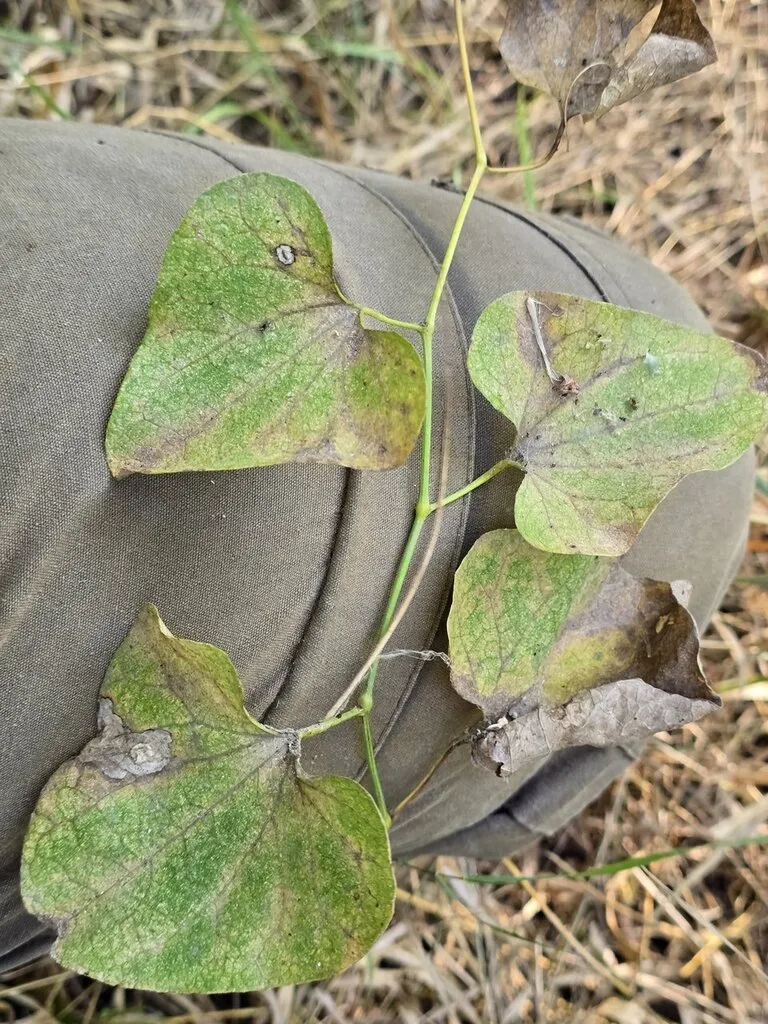
Scientific classification
- Species
- birthwort (Aristolochia clematitis)
- Genus
- Aristolochia
- Family
- Aristolochiaceae
- TOXIC if eaten. Wear gloves and other protective equipment when handling
- Toxicity
- Herbaceous Perennial
- Plant type
- 0.5-1 metres
- Height
- 0.1-0.5 metres
- Spread
- Evergreen
- Foliage
- Suckering
- Habit
- Spring · Summer · Autumn
- Season of interest
- Full sun · Partial shade
- Sunlight
- Information to be completed
- Ideal temperature









birthwort pictures
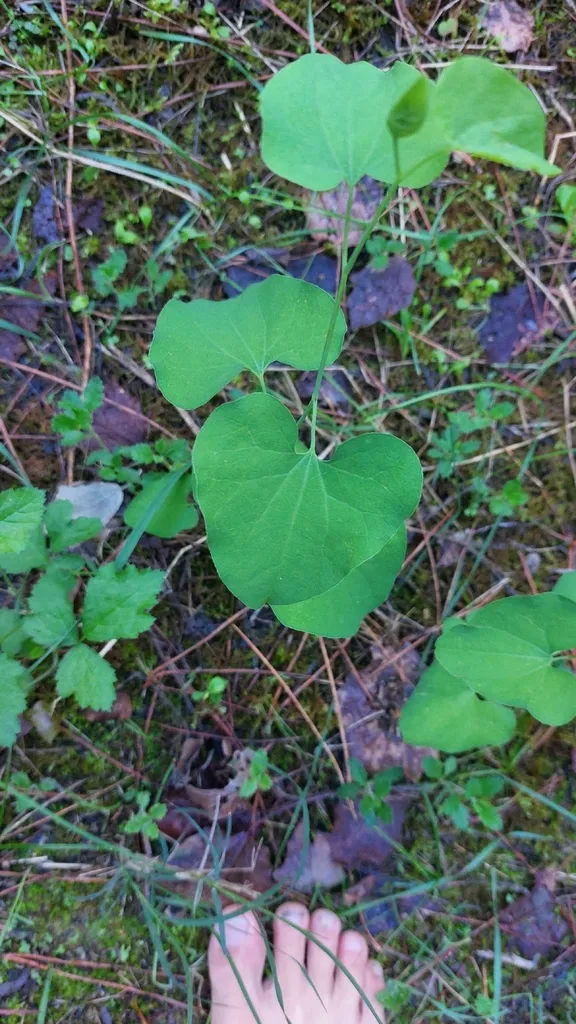
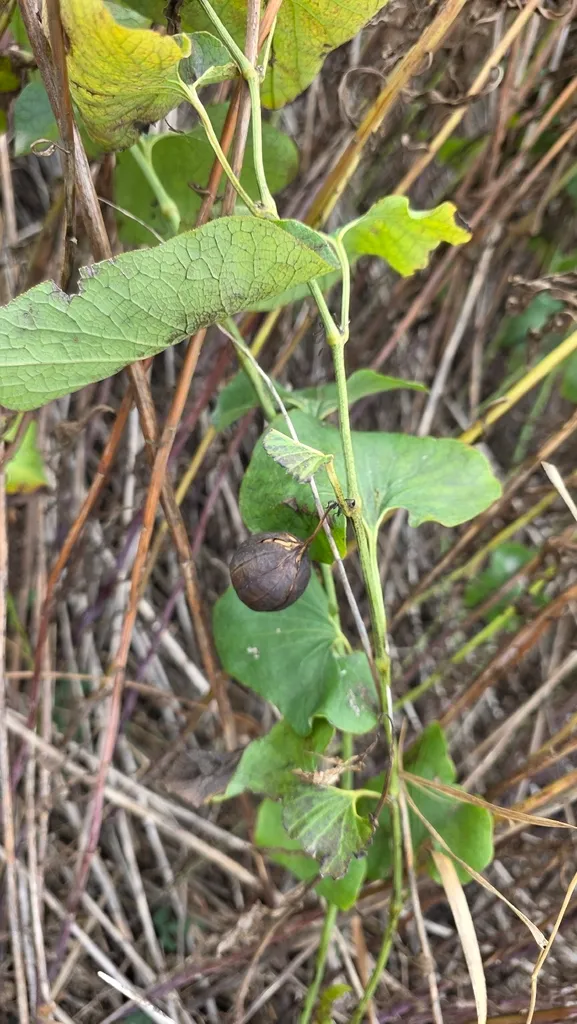
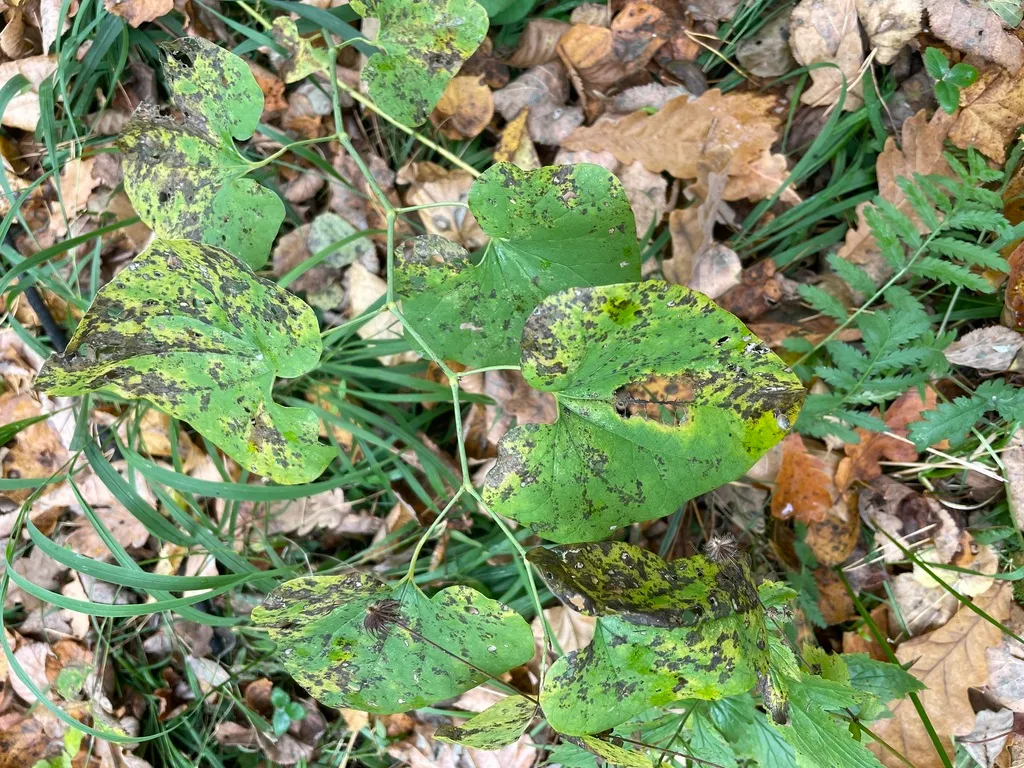
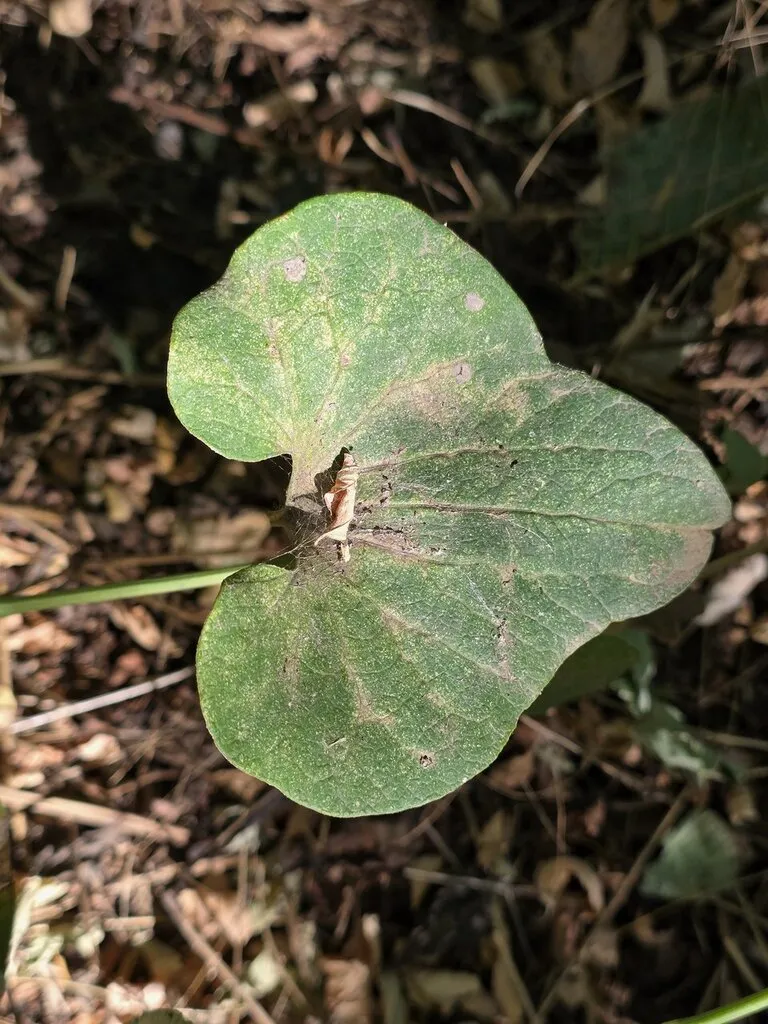
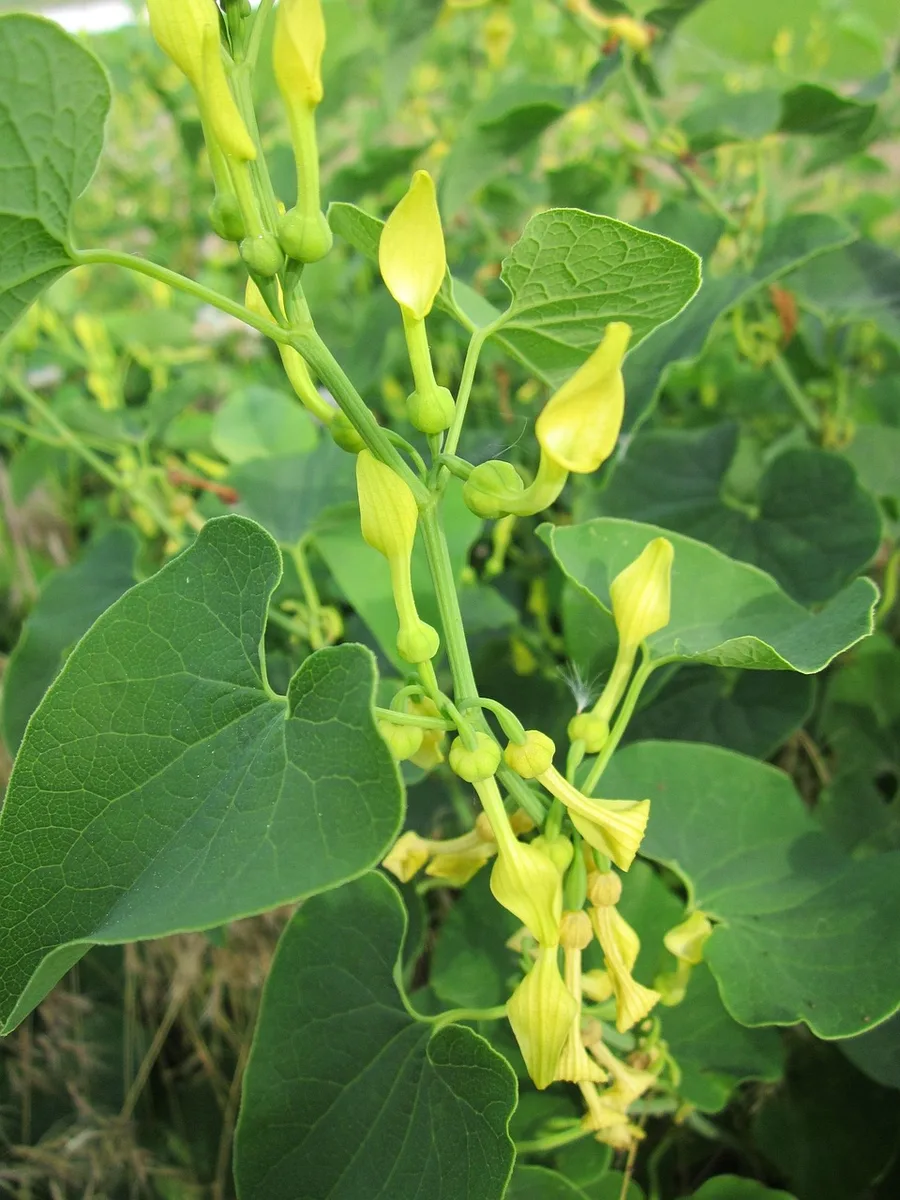
Distribution of birthwort
Distribution map
Europe
Information to be completed
Culture
Information to be completed
Toxicity
TOXIC if eaten. Wear gloves and other protective equipment when handling
Quick identification of birthwort
Information to be completed
birthwort care guide
- Moderate regular watering, avoid prolonged drought or waterlogging
- Watering
- Full sun · Partial shade
- Sunlight
- Information to be completed
- Ideal temperature

Watering
Moderate regular watering, avoid prolonged drought or waterlogging
Fertilizing
 Fertilizing
Balanced feed in spring and light repeat in growth season
Pruning
 Pruning
On established plants, shorten sideshoots to three or four buds from the permanent framework; remove crowded or damaged shoots. Prune after flowering has finished.
Propagation
 Propagation
Propagate by seed in spring or propagate by division in summer or by root cuttings in winter
Growing
 Growing
Grow in fertile, well-drained soil in sun or part shade; overwinters best in dry soils
People also ask
Information to be completed
Common pests and diseases
Diseases
May be susceptible to honey fungus in gardens where it is present but insufficient data to determine degree of susceptibility
Pests
Generally pest-free
Explore the plant health library →




