
Canna liliiflora
Also known as: Information to be completed
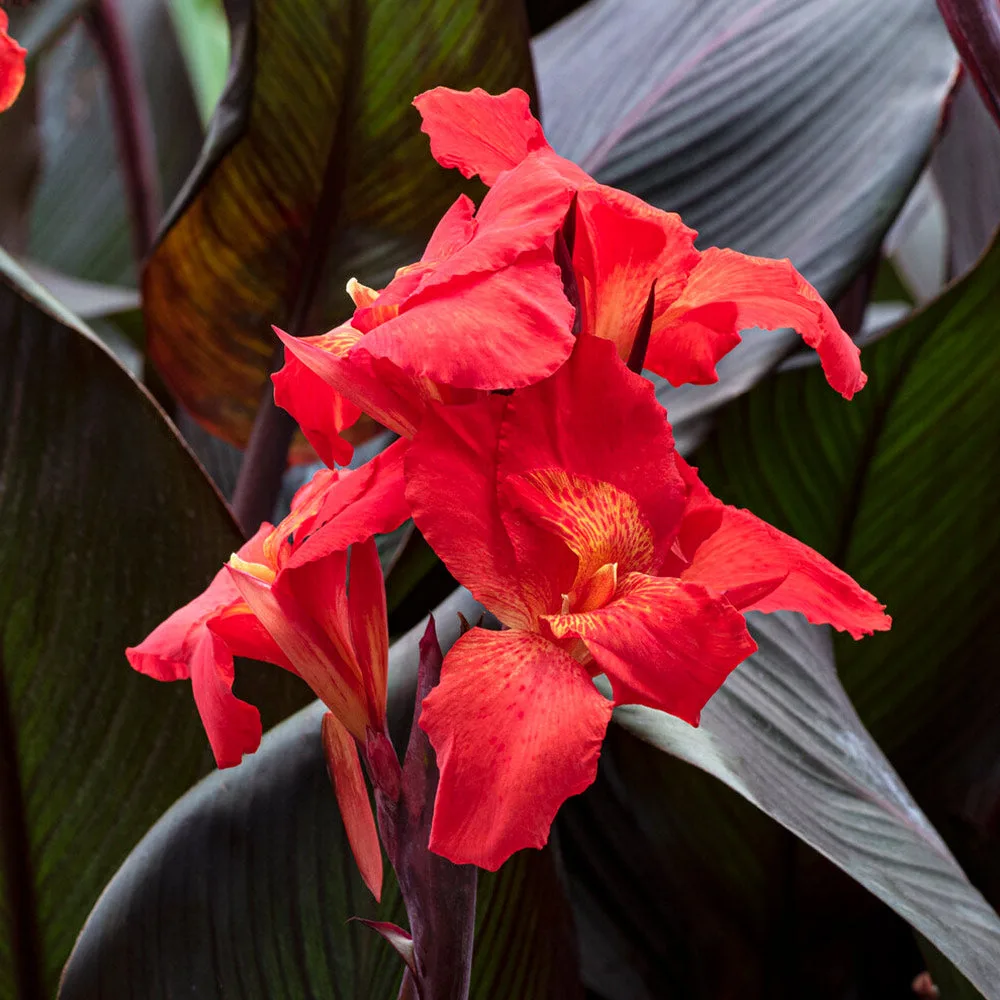
Very large perennial growing in excess of 3m tall, with oval green leaves reaching 1.2m in length, and spikes of large, sweetly scented white, greenish-white or pale yellow flowers in summer and autumn
Scientific classification
- Species
- Canna liliiflora (Canna liliiflora)
- Genus
- Canna
- Family
- Cannaceae
- Order
- Zingiberales
- Class
- Liliopsida
- Phylum
- Magnoliophyta
- Information to be completed
- Toxicity
- Herbaceous Perennial
- Plant type
- 2.5-4 metres
- Height
- 0.5-1 metres
- Spread
- Deciduous
- Foliage
- Columnar upright
- Habit
- Spring · Summer · Autumn
- Season of interest
- Full sun
- Sunlight
- Information to be completed
- Ideal temperature









Canna liliiflora pictures
Distribution of Canna liliiflora
Distribution map
- Native
- Introduced
- Cultivated
Source:WCVP v16 · Royal Botanic Gardens, Kew · CC BY 3.0 · Boundaries:WGSRPD / TDWG
Canna liliiflora care guide
- Keep moisture even through flowering and fruiting, avoiding hard dry swings
- Watering
- Full sun
- Sunlight

Watering
Keep moisture even through flowering and fruiting, avoiding hard dry swings
Fertilizing
 Fertilizing
Tomato or pepper feed every one to two weeks in fruiting season
Pruning
 Pruning
No pruning required, deadhead flowers to prolong flowering
Propagation
 Propagation
Propagate by division of rhizomes in spring, or propagate by seed (sown indoors) in spring. The seed needs to be chipped or soaked in warm water for 24 hours prior to sowing
Growing
 Growing
Grow in a sheltered site with full sun and water freely in dry spells; apply a balanced liquid feed monthly. In cold regions, lift the rhizomes in autumn once frost has blackened the foliage and store in barely moist compost in frost-free conditions. In areas that are frost-free or almost so, leave in situ and protect with a deep dry mulch. See canna cultivation for further information
Common pests and diseases
Diseases
May be susceptible to canna viruses
Pests
May be susceptible to slugs and snails, aphids, glasshouse red spider mites and caterpillars
Explore the plant health library →




