
Dutchman's pipe
Also known as: big sarsaparilla; broad-leaved birthwort; pipe vine; wild ginger
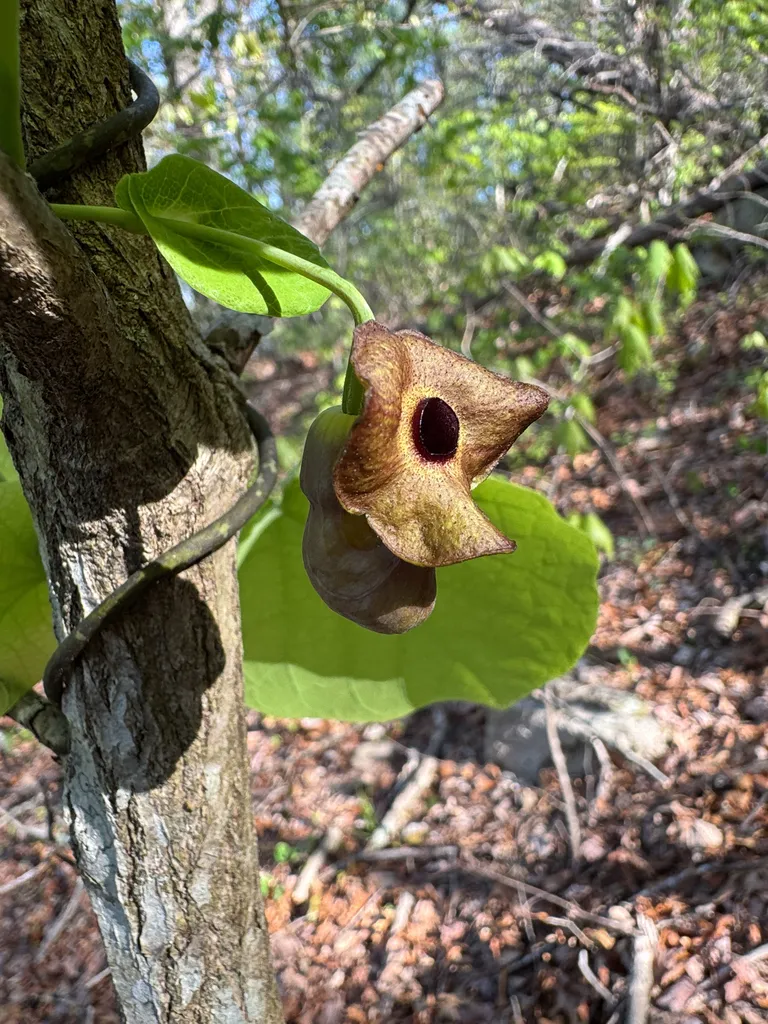
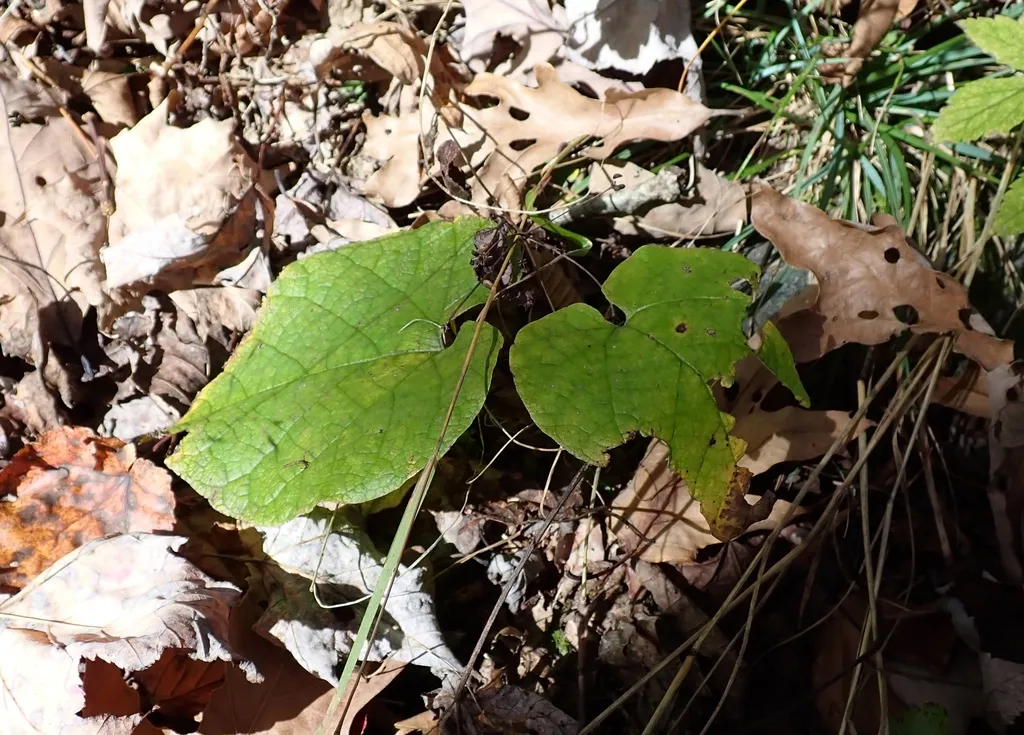
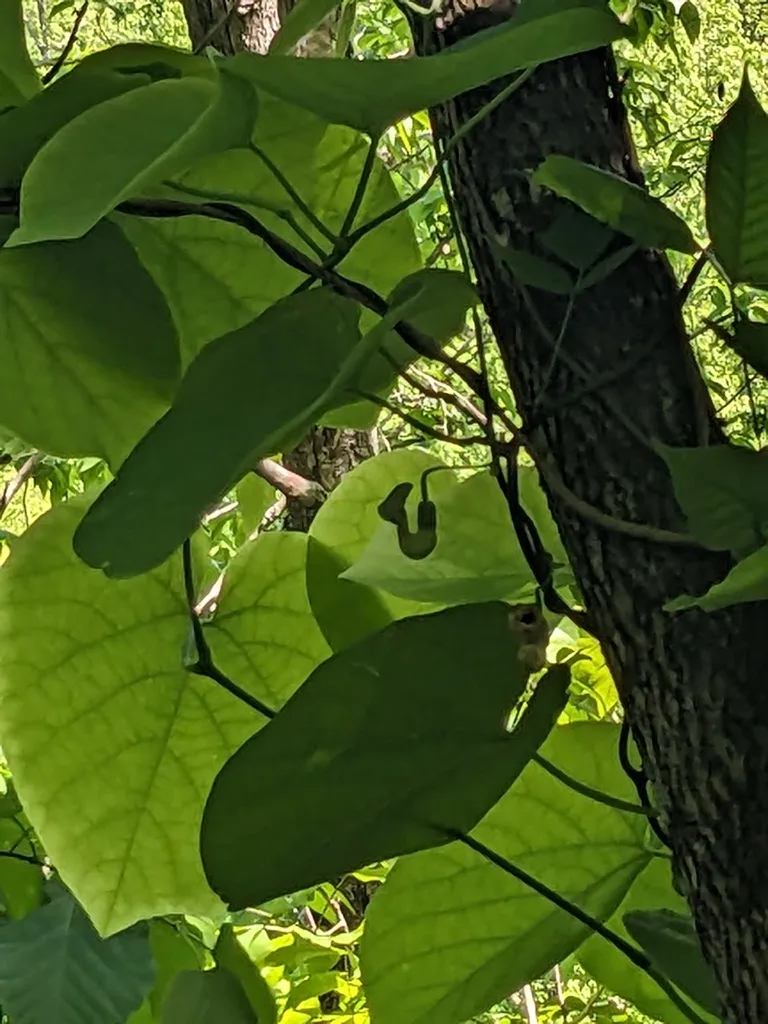
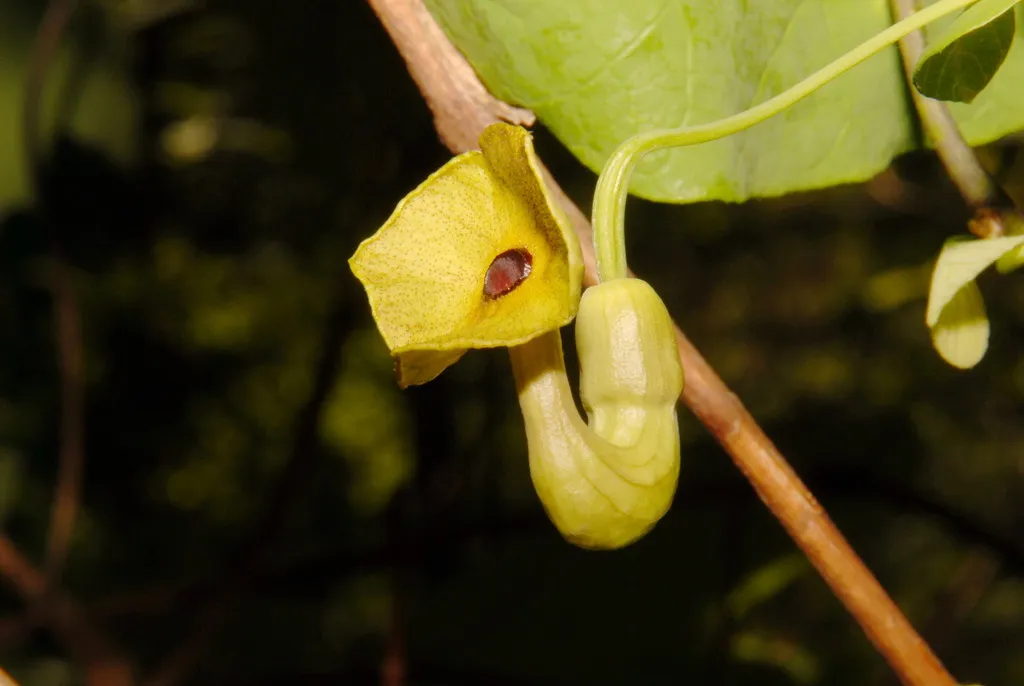
A vigorous deciduous climber with broad, heart-shaped leaves to 30cm in length, and solitary greenish flowers 3-4cm in length, mottled with yellow and purple, borne in the leaf axils
Scientific classification
- Species
- Dutchman's pipe (Aristolochia macrophylla)
- Genus
- Aristolochia
- Family
- Aristolochiaceae
- TOXIC if eaten. Wear gloves and other protective equipment when handling
- Toxicity
- Climber Wall Shrub
- Plant type
- 8-12 metres
- Height
- 2.5-4 metres
- Spread
- Deciduous
- Foliage
- Climbing
- Habit
- Spring · Summer · Autumn
- Season of interest
- Full sun · Partial shade
- Sunlight
- Information to be completed
- Ideal temperature









Dutchman's pipe pictures
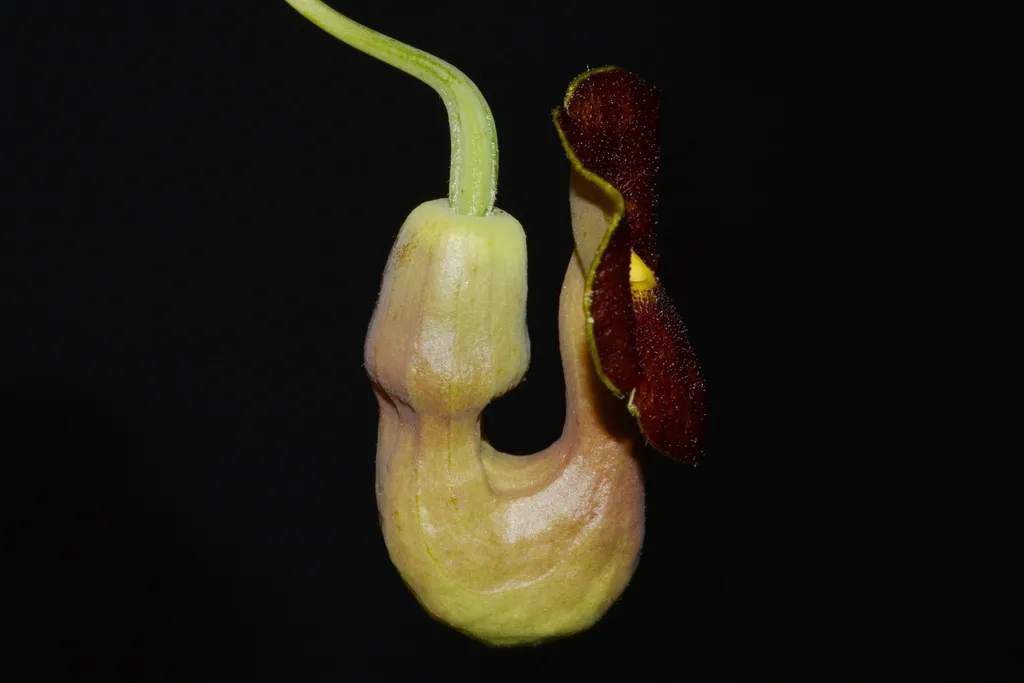
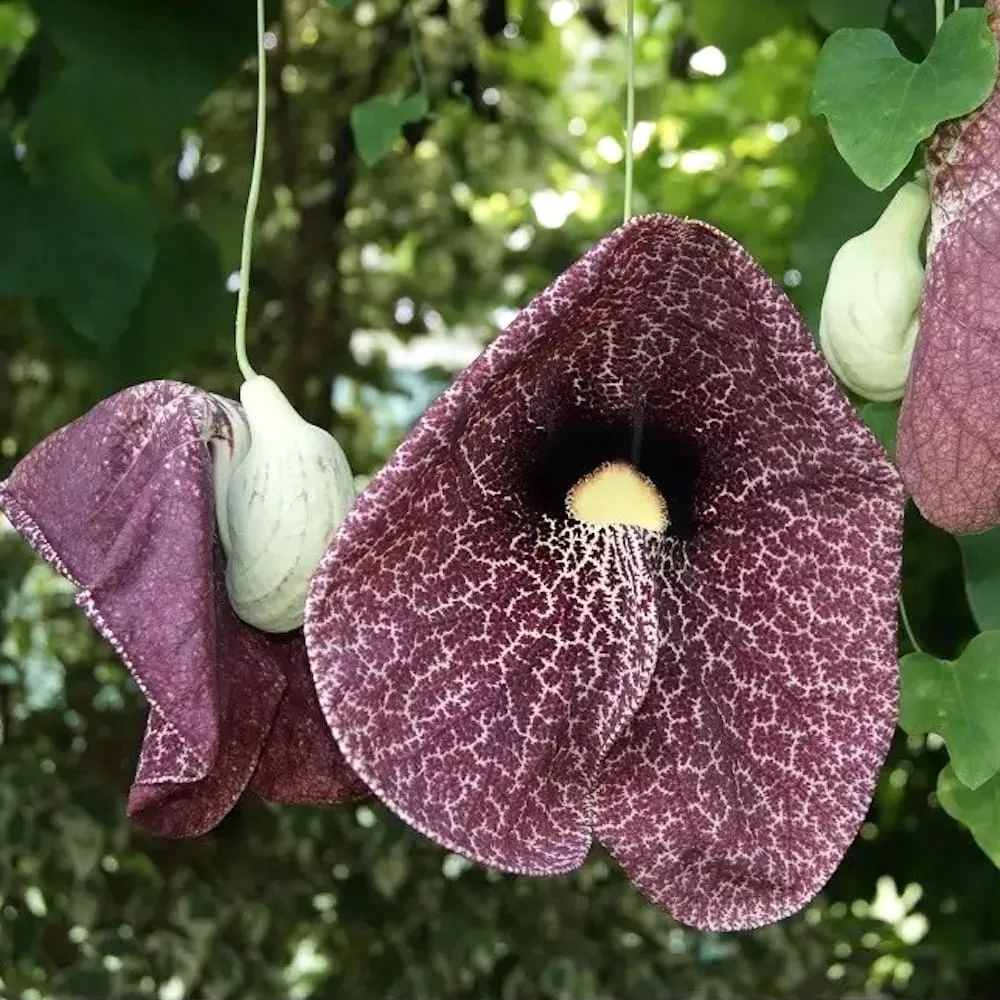
Distribution of Dutchman's pipe
Distribution map
Southeastern Canada to Eastern USA
Information to be completed
Culture
Information to be completed
Toxicity
TOXIC if eaten. Wear gloves and other protective equipment when handling
Quick identification of Dutchman's pipe
Information to be completed
Dutchman's pipe care guide
- Moderate regular watering, avoid prolonged drought or waterlogging
- Watering
- Full sun · Partial shade
- Sunlight
- Information to be completed
- Ideal temperature

Watering
Moderate regular watering, avoid prolonged drought or waterlogging
Fertilizing
 Fertilizing
Balanced feed in spring and light repeat in growth season
Pruning
 Pruning
Routine pruning is unnecessary; shorten overlong shoots to fit the available space. For last-year flowering growth, prune after flowering; for current-year flowering growth, prune in late winter or spring. This guidance is for established plants.
Propagation
 Propagation
Propagate by seed or softwood cuttings
Growing
 Growing
This climber thrives in a sunny, sheltered position with a soil that is fertile and well-drained
People also ask
Information to be completed
Common pests and diseases
Diseases
May be susceptible to honey fungus in gardens where it is present but insufficient data to determine degree of susceptibility
Pests
Generally pest-free
Explore the plant health library →




