
Easter daisy
Also known as: Hooker's Townsend daisy
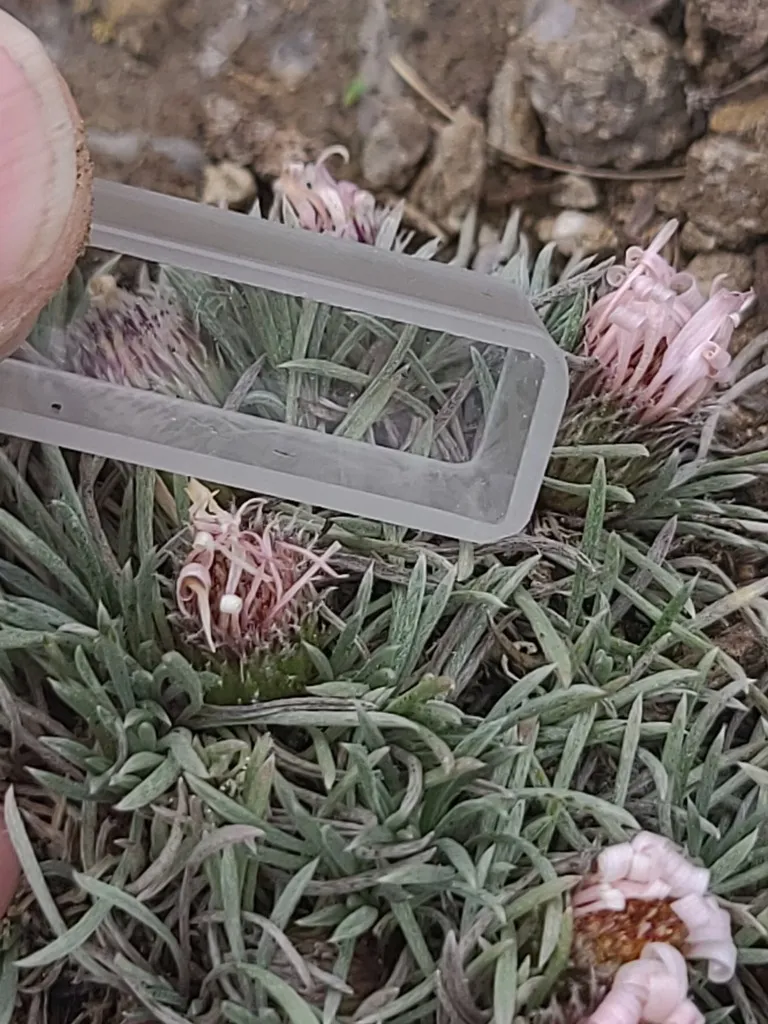
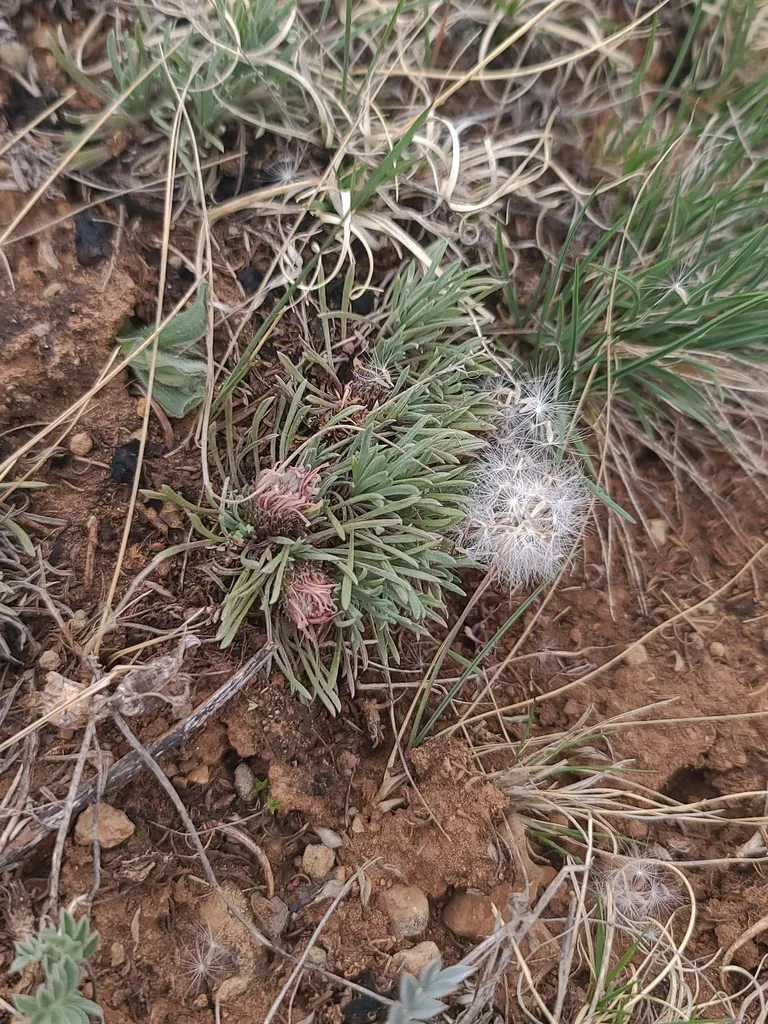
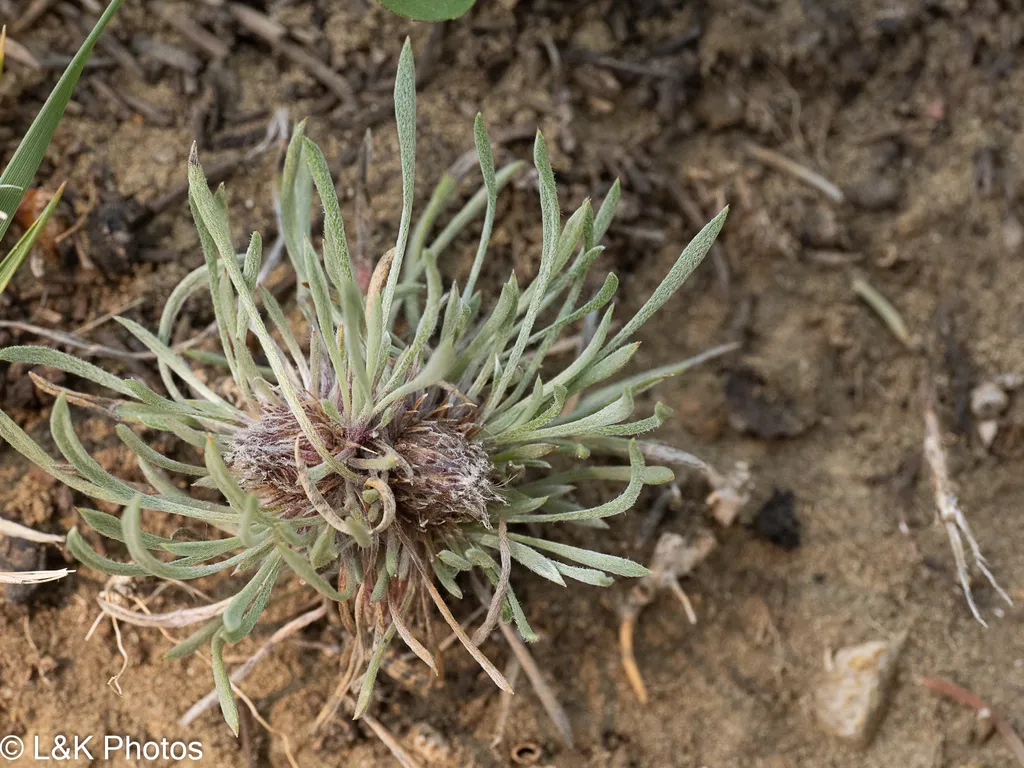
T. hookeri has rosettes of very narrow, silky-hairy leaves with upward-rolled margins, forming a mound or cushion. Flowers are usually stalkless, to 4cm across, the white rays surrounding a yellow disc
Scientific classification
- Species
- Easter daisy (Townsendia hookeri)
- Genus
- Townsendia
- Family
- Asteraceae
- Information to be completed
- Toxicity
- Alpine Rockery
- Plant type
- Up to 10 cm
- Height
- 0.1-0.5 metres
- Spread
- Evergreen
- Foliage
- Bushy
- Habit
- Spring · Summer · Autumn · Winter
- Season of interest
- Full sun
- Sunlight
- Information to be completed
- Ideal temperature









Easter daisy pictures
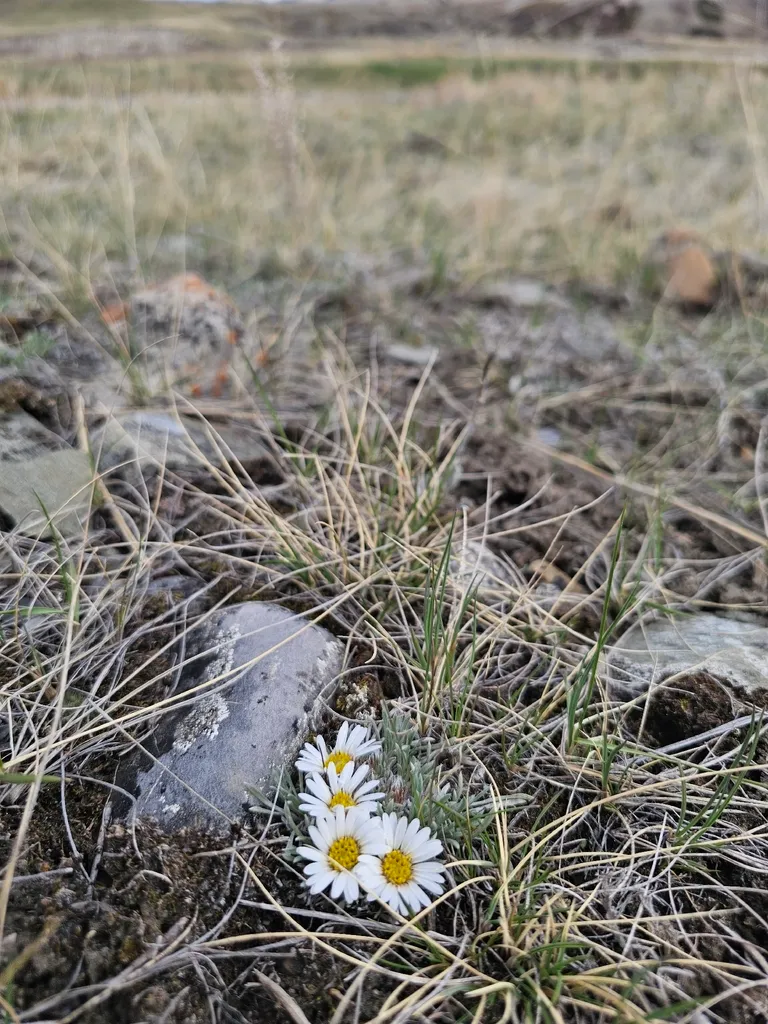
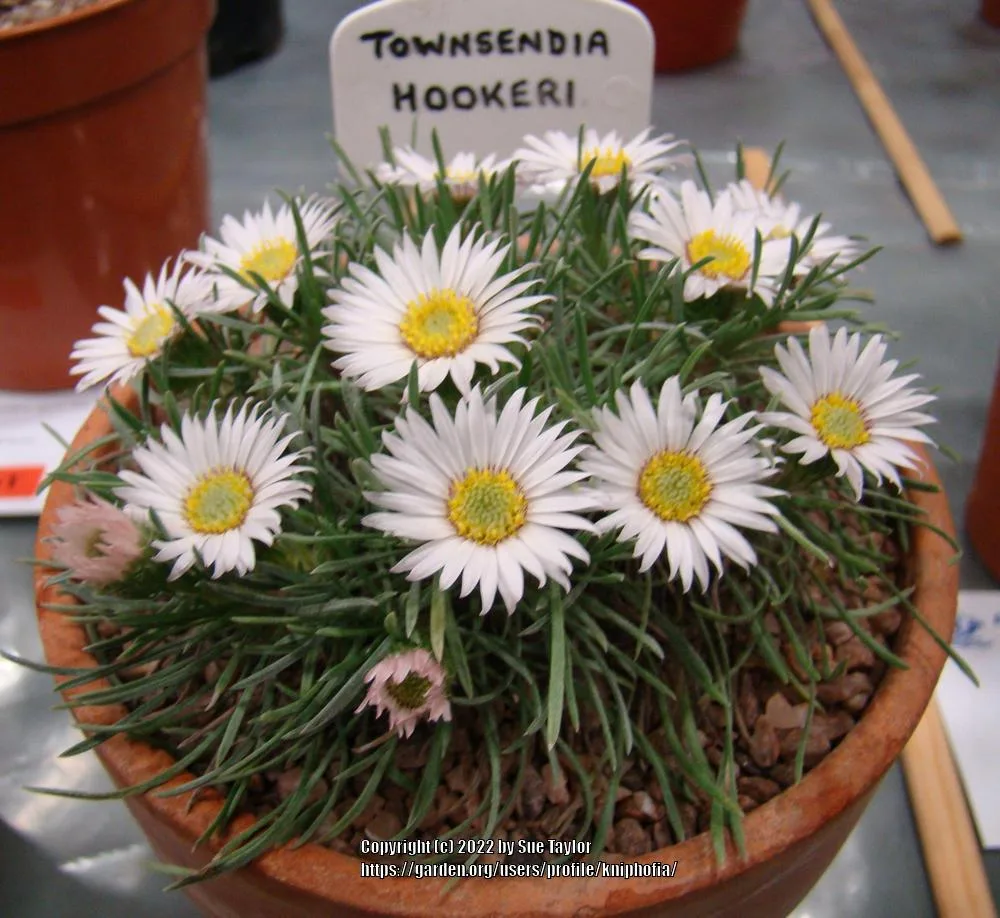
Distribution of Easter daisy
Distribution map
Northwestern USA
Information to be completed
Culture
Information to be completed
Toxicity
Information to be completed
Quick identification of Easter daisy
Information to be completed
Easter daisy care guide
- Moderate regular watering, avoid prolonged drought and stagnant waterlogging
- Watering
- Full sun
- Sunlight
- Information to be completed
- Ideal temperature

Watering
Moderate regular watering, avoid prolonged drought and stagnant waterlogging
Fertilizing
 Fertilizing
Balanced perennial feed every four weeks spring through summer growth
Pruning
 Pruning
No pruning necessary
Propagation
 Propagation
Sow seed as soon as ripe in containers in a cold frame. Propagate regularly as they are generally short-lived
Growing
 Growing
Grow in gritty, sharply draining soil in full sun, with protection from excessive winter wet
People also ask
Information to be completed
Common pests and diseases
Diseases
Generally trouble free
Pests
Susceptible to glasshouse red spider mite and aphids under glass
Explore the plant health library →




